
International
The Minister of Finance of Colombia denounces Petro’s adopted son, who asks for his resignation
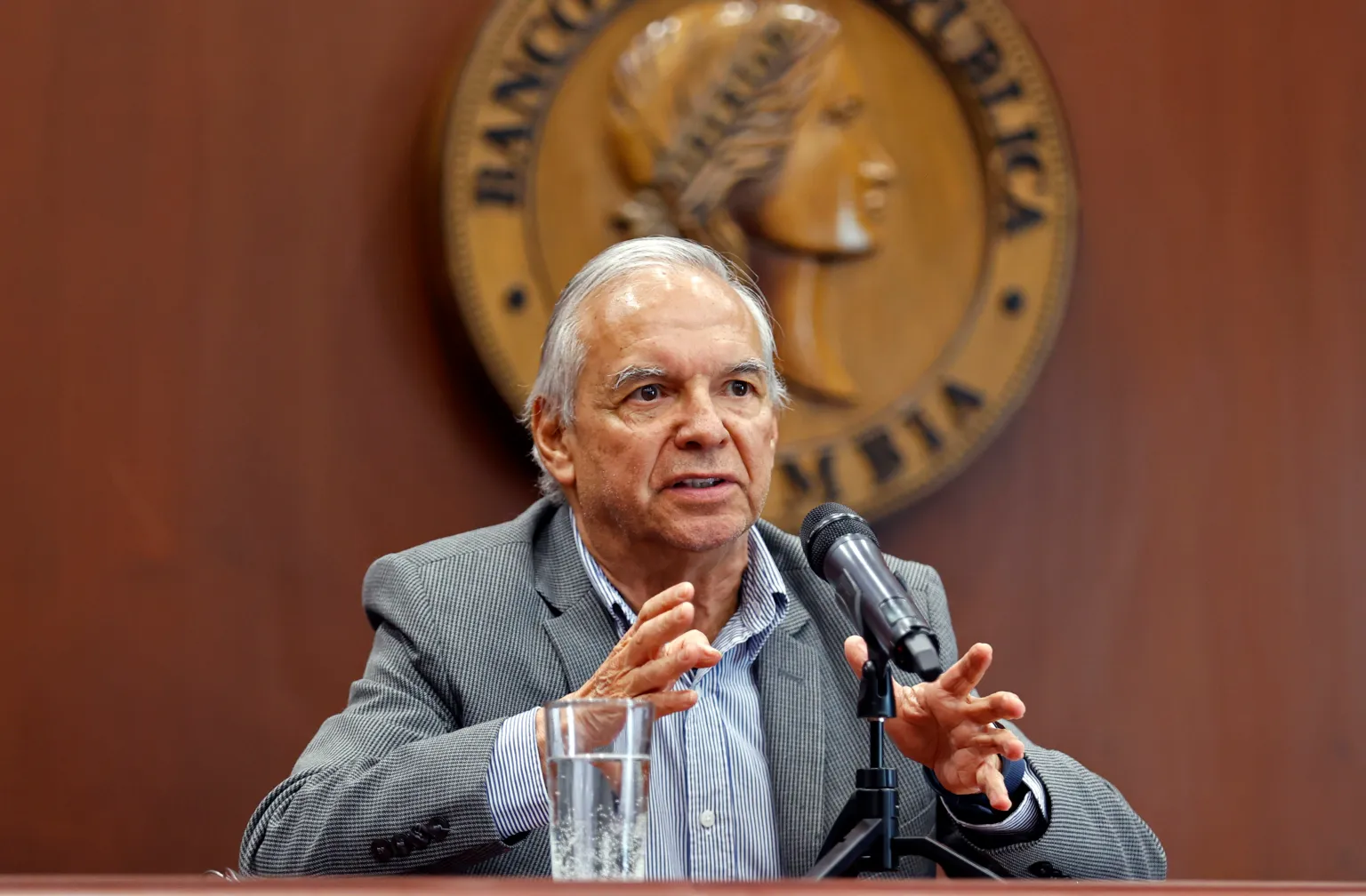
The Colombian Minister of Finance, Ricardo Bonilla, sent a letter to the Prosecutor’s Office denouncing alleged illegal acts of the president of Ecopetrol, Ricardo Roa, and Nicolás Alcocer, adopted son of President Gustavo Petro, who a few hours later asked for his resignation.
In the letter, revealed by Blu Radio, Bonilla assures that Roa, who was the manager of Petro’s campaign and is already being investigated for possible irregularities in financing, “wants to keep all the energy and profitable companies in the sector.”
And he also denounces Alcocer, who is the second son of Petro splashed by controversy, for seeking to “exert undue pressure” on the Ecopetrol board “to take control of it and favor his closest friends.”
“I therefore look forward to the resignation of a great colleague and honest teacher, Dr. Ricardo Bonilla, secretary of the Treasury of Bogotá Humana (Petro Mayor’s Office), who left it at its best financial moment, and great Minister of Finance, who took Colombia out of the recession because of the over-indebtedness left by (Iván) Duque,” Petro said in an extensive letter in X.
The president justifies the great work of one of his closest colleagues in the Government by claiming that he asks him to resign “not because he thinks he is guilty, but because they want to tear him apart for being loyal to the Government program.”









Petro does not allude at any time that the reason for asking for the resignation is the letter that Bonilla sent to the Prosecutor’s Office denouncing his adopted son and Roa.
A hydroelectric power plant at the center of the complaint
Bonilla’s letter is sent regarding the investigation into the Urrá hydroelectric power plant, located in Córdoba, and in it the minister wants to provide the accusing entity with alleged information that has reached him about the undue pressures to favor contracts with the hydroelectric company, whose majority shareholding is held by the State.
In addition to denouncing external officials and contractors, who would have had “full internal knowledge and privileged access to technical information,” Bonilla talks about alleged pressures exerted by Roa and Alcocer on the board of directors of Urrá.
This in an “apparent effort to take control of the company and favor close allies in the award of contracts, specifically in relation to the Urrá 19.9 Solar Park, whose construction has faced a delay of two and a half years,” as revealed by Blu Radio.
History of complaints against Petro’s family in Colombia
It is not the first time that a son of Petro has been involved in a case being studied by the Prosecutor’s Office, since the firstborn, Nicolás Petro, is currently accused of alleged money laundering, illicit enrichment and violation of personal data and has been under house arrest in Barranquilla since the middle of last year.
After his arrest in July last year, President Petro’s son acknowledged, according to the Prosecutor’s Office, that he received money for the campaign of Samuel Santander Lopesierra – extradited and convicted in the United States for drug trafficking in 2007 – and Gabriel Hilsaca Acosta, son of the controversial businessman Alfonso ‘Turco’ Hilsaca.
The Prosecutor’s Office assures that Nicolás Petro “hid and covered up” sums of up to 500 million pesos (about 119,000 dollars today) delivered by politicians such as Máximo Noriega, identified as the intermediary between possible drug traffickers and the president’s son.
Part of that money allegedly entered the Petro President campaign in 2022, although Nicolás Petro assured in an interview with Semana magazine that the president did not know it, in a case for which Roa is also questioned.






International
U.S. counterterrorism chief resigns over opposition to war in Iran
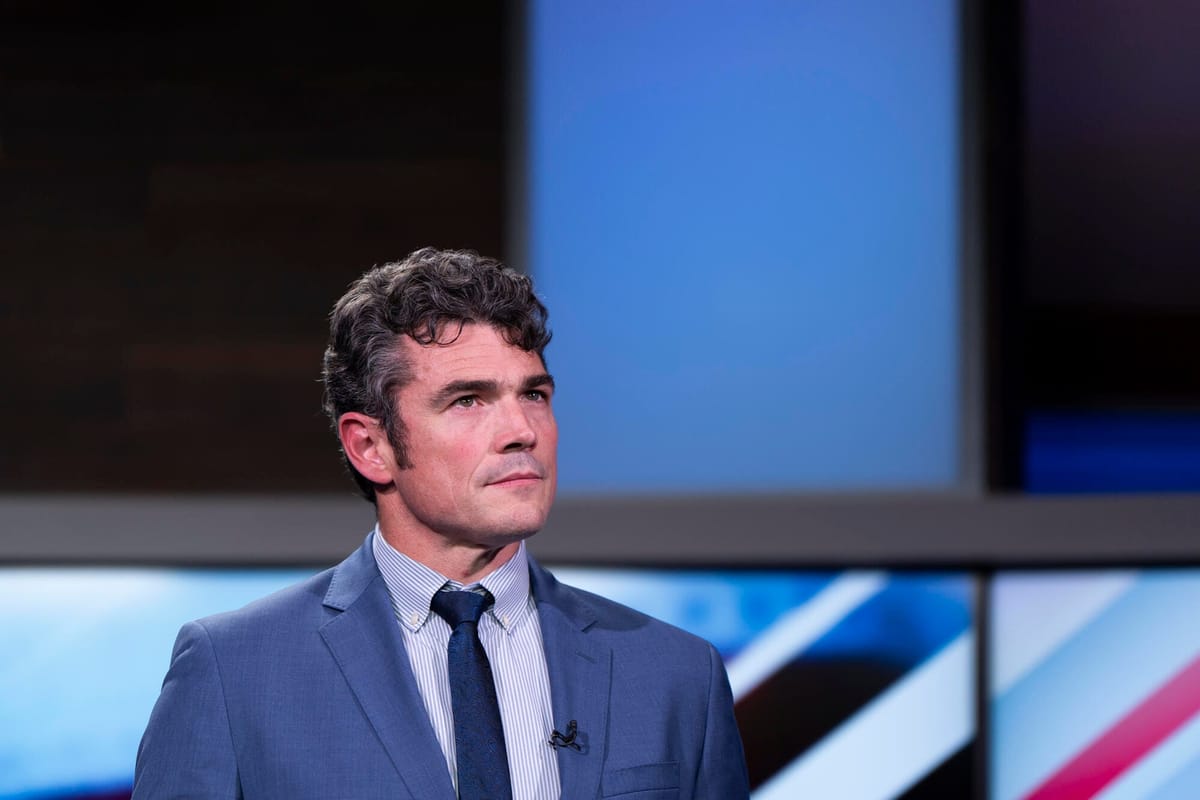
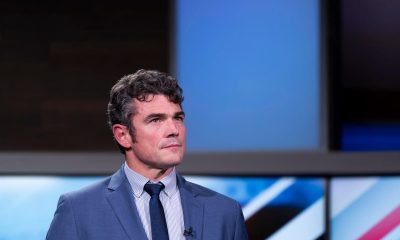
Joe Kent, director of the National Counterterrorism Center, announced Tuesday that he has resigned from his post, citing his opposition to the ongoing war in Iran.
In a post on X, Kent said he could not, “in good conscience,” support the conflict, arguing that Iran did not pose an imminent threat to the United States. He also claimed that the war was driven by pressure from Israel and its lobbying influence in Washington.
In a resignation letter addressed to Donald Trump, Kent alleged that at the start of the current administration, senior Israeli officials and influential figures in U.S. media carried out a disinformation campaign that undermined the “America First” platform and fostered pro-war sentiment aimed at triggering a conflict with Iran.
Kent further stated that he could not support sending a new generation of Americans to “fight and die in a war that provides no benefit to the American people and does not justify the cost in American lives.”
Since the United States and Israel launched attacks against Iran on February 28, at least 13 U.S. service members have been killed, while 10 others have been seriously wounded and around 200 have sustained minor injuries, according to a report published by The Wall Street Journal.
International
German president warns Iran war could spread and disrupt Strait of Hormuz
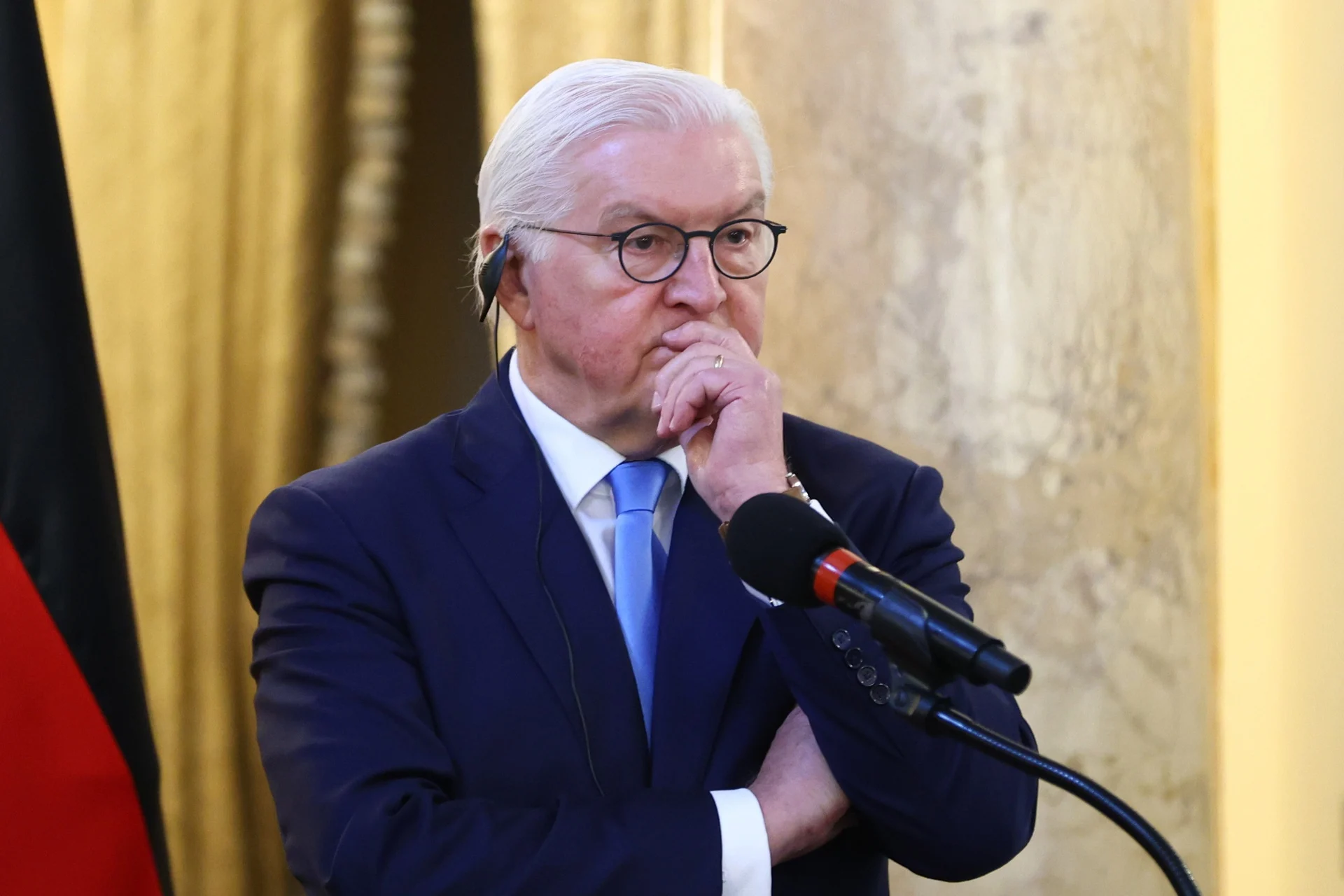
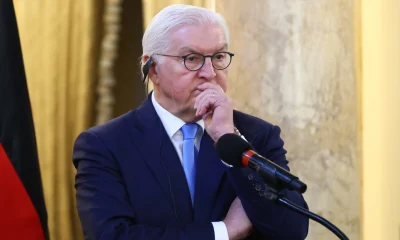
The president of Germany, Frank-Walter Steinmeier, warned Monday that the war involving Iran could expand and further disrupt shipping through the strategic Strait of Hormuz. He urged a swift end to hostilities between Iran, United States and Israel.
Speaking in Panama City during a joint appearance with Panamanian President José Raúl Mulino, Steinmeier said available information suggests Iran has significant capacity to disrupt maritime traffic through the key oil route.
“Iran has considerable potential to interfere with shipping through the Strait of Hormuz,” Steinmeier said through an interpreter. “We should therefore reach an end to the hostilities as soon as possible and call on all parties involved to make that happen.”
The remarks came during Steinmeier’s visit to Panama, the first by a German president to the Central American nation.
The German leader described the possibility of the conflict spreading as “very dangerous,” saying recent developments indicate that such a scenario cannot be ruled out.
Over the weekend, U.S. President Donald Trump urged allied nations to help ensure safe passage for ships through the Strait of Hormuz after Iran moved to block the waterway in response to U.S. strikes. However, several allies—particularly in Europe—have shown little support for the proposal.
“Some are very enthusiastic, others are not, and some are countries we have helped for many years,” Trump told reporters at the White House. “We have protected them from terrible external threats, and they’re not that enthusiastic. And the level of enthusiasm is important to me.”
Meanwhile, Kaja Kallas, the European Union’s top diplomat, said the Strait of Hormuz falls “outside NATO’s scope” and stressed that “the war involving Iran is not Europe’s war.”
International
Mexico security chief meets DEA director in Washington to boost anti-drug cooperation
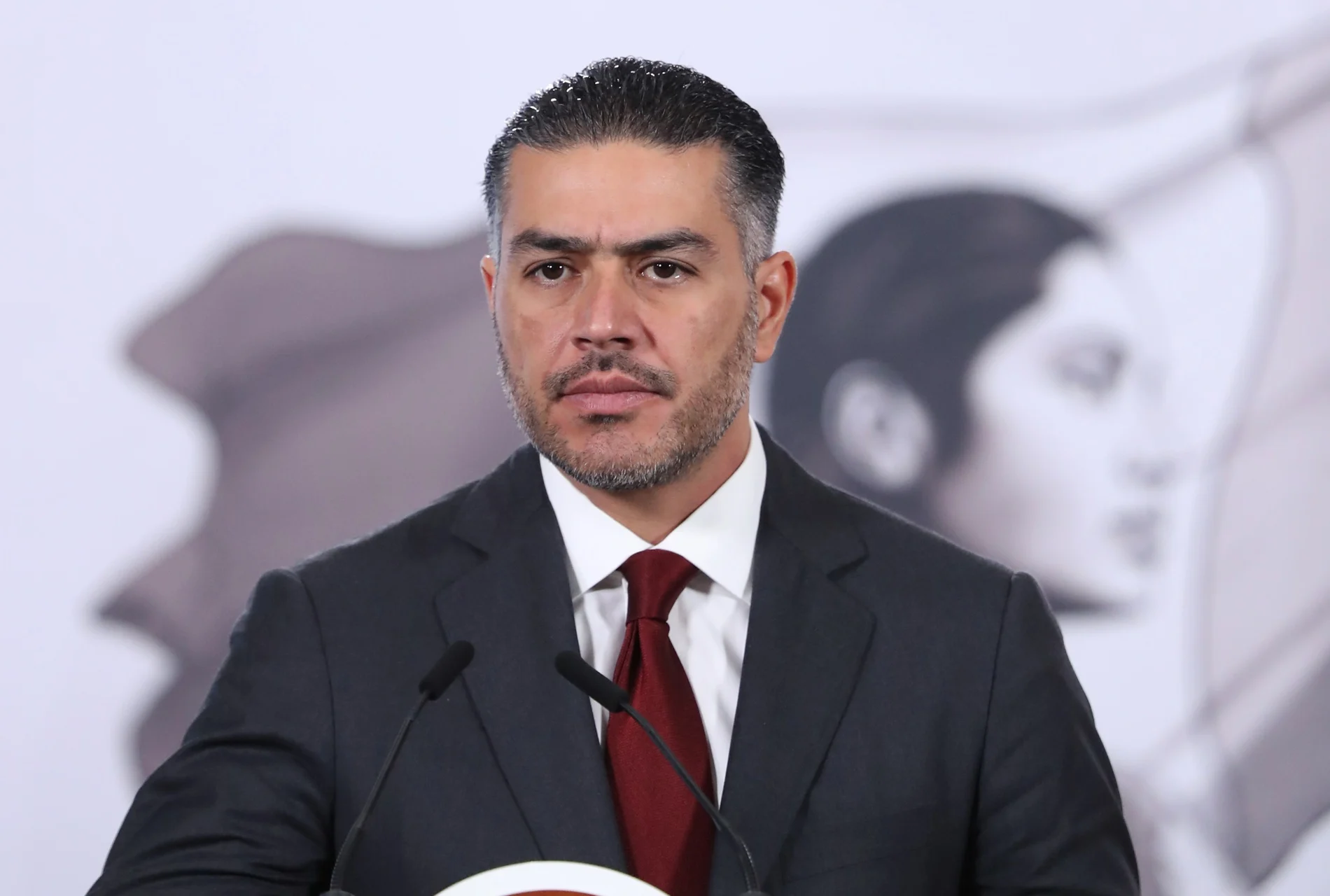
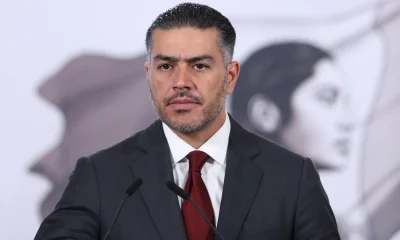
Mexico’s Secretary of Security and Citizen Protection, Omar García Harfuch, met in Washington with the head of the U.S. Drug Enforcement Administration, Terrance Cole, to discuss cooperation in the fight against drug trafficking and illegal arms flows.
The Mexican official said Monday on social media that he attended the meeting in representation of the Mexican government’s Security Cabinet.
“In Washington, D.C., I represented the Security Cabinet to hold talks with DEA Director Terrance Cole on the importance of strengthening bilateral cooperation to combat drug trafficking, curb the flow of weapons into our country, and reduce violence in Mexico through significant arrests,” García Harfuch wrote.
He added that, following instructions from Mexican President Claudia Sheinbaum, the government will continue strengthening international cooperation on security matters.
For his part, Cole said the meeting focused on cross-border collaboration to tackle drug trafficking and to build safer communities on both sides of the border.
The meeting comes as Mexico and the United States begin a new round of dialogue on economic and security issues.
Earlier Monday, President Claudia Sheinbaum said she will look for the “best moment” to meet with U.S. President Donald Trump, adding that maintaining a good relationship with Washington is a priority for her administration.

U.S. counterterrorism chief resigns over opposition to war in Iran

Analyst questions IACHR role over report on El Salvador emergency measures

El Salvador destroys $166 million worth of cocaine seized from Tanzanian vessel
Tec de Monterrey honors one of its students for his contribution to nanotechnology in medicine

Defense Minister commends salvadoran soldier for Central American Cross Country victory

Extension of the state of emergency approved in southern Chile
-
 International4 days ago
U.S. Confirms Death of Six Crew Members in KC-135 Crash in Western Iraq
-
 International5 days ago
Trump Says Iran Is Welcome at 2026 World Cup but Warns of Security Concerns
-
 International5 days ago
FBI Warns of Possible Iranian Drone Attack on U.S. West Coast
-

 International4 days ago
Mexican Navy Ships Deliver Third Shipment of Humanitarian Aid to Cuba
-

 International4 days ago
Ecuador Declares 60-Day National Emergency After Deadly Floods and Landslides
-
 International4 days ago
Trump Pushes for Regime Change in Cuba as Havana Confirms Talks With Washington
-
 International3 days ago
FBI: Man who attacked Michigan synagogue died from self-inflicted gunshot
-
 International22 hours ago
German president warns Iran war could spread and disrupt Strait of Hormuz
-
 International3 days ago
Peruvian presidential candidate proposes death penalty amid crime surge
-
 International2 days ago
Noboa intensifies anti-cartel crackdown as violence persists in Ecuador
-
 International22 hours ago
Venezuela’s foreign minister accuses UN rights chief of “immoral bias”
-
 International22 hours ago
Mexico security chief meets DEA director in Washington to boost anti-drug cooperation
-
 International2 days ago
Peruvian presidential candidate Napoleón Becerra dies in campaign road accident
-
 Sin categoría5 days ago
FBI Most Wanted Fugitive Arrested in Mexico and Deported to U.S.
-
 Central America11 minutes ago
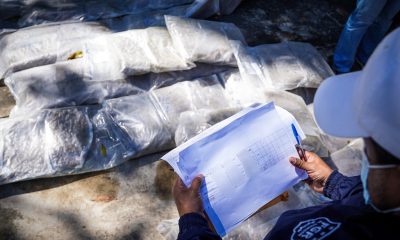
El Salvador destroys $166 million worth of cocaine seized from Tanzanian vessel
-
 Central America4 minutes ago
Analyst questions IACHR role over report on El Salvador emergency measures
-
 International2 minutes ago
U.S. counterterrorism chief resigns over opposition to war in Iran