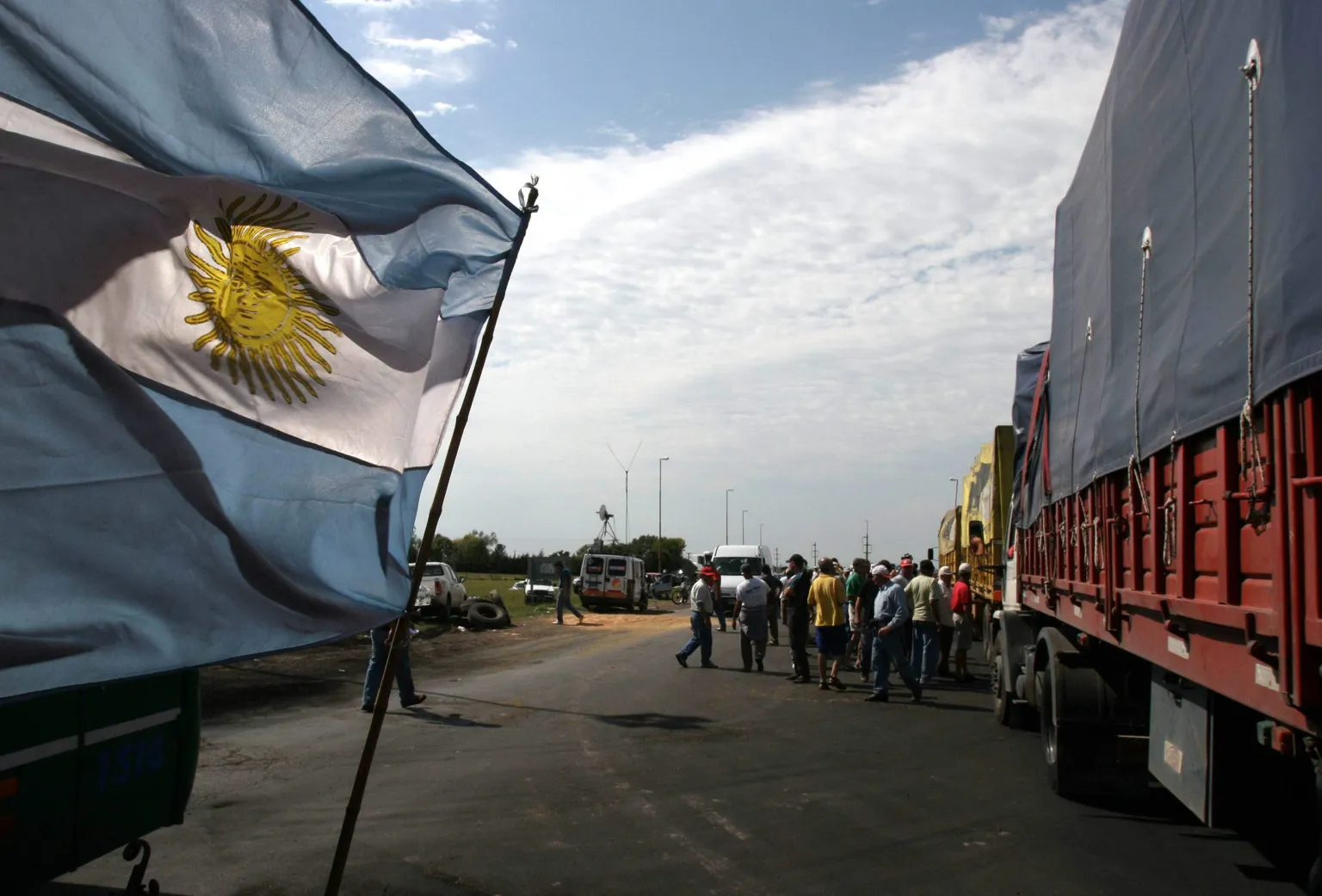
Argentina has a lot to lose in financial and commercial terms, especially in the agricultural sector, if Donald Trump, once he returns to the White House, complies with his protectionist threats, a real stone in the shoe for the objectives of the ultra-liberal Javier Milei.
Trump’s idea of imposing tariffs on imports of products from China, Mexico and Canada could unleash global effects that would hit Argentine exports at a time when its economy is bidding to get out of the recession.
Without sufficient monetary reserves, Argentina needs a greater flow of investments and a significant increase in its exports, two ways for foreign exchange income that could be seriously affected if Trump complies with his threats when he settles back in the White House on January 20.
The president-elect of the United States has announced a 25% surcharge on all goods imported from Mexico and Canada, as well as an additional 10% tariff on Chinese products, which would not only have economic consequences for those three countries.
An acceleration of the recession
“If Donald Trump finally puts tariffs on imports, it would have several effects for Argentina as a result of the global recession, the negative impact on demand by China and a reduction in commodity prices (raw materials or commodities),” Lisandro Mogliati, an Argentine consultant in international business and foreign trade expert, told EFE.
Advertisement
20260224_estafa_mh_728x90
20260212_constancia_pagos_mh_728x90
20250701_dengue_728x90
20250901_vacunacion_vsr-728x90
20250901_minsal_tetra_-728x90
20250701_vacunacion-influenza-728x90
20250701_vacunacion_vph-728x90
20250715_donacion_sangre_central_728x90
20231124_etesal_728x90_1
20230601_agenda_primera_infancia_728X90
domfuturo_netview-728x90
20240604_dom_728x90
CEL
The specialist explained that, if there is a tariff increase, there will be an acceleration of the recession worldwide due to the contraction of trade and an excess of global supply.
“In addition, the direct impact that China could suffer would contribute to the slowdown of its economy, which is one of the main markets for the raw materials that Argentina exports,” said Mogliati.
He added that this scenario could also “bring a drop in the price of agricultural raw materials, which is the main source of foreign exchange income from exports of Argentina,” one of the world’s largest producers and exporters of grains and derivatives.
The dilemma facing Argentina because of Trump
The shadows that loom over global trade with the threat of Trump – who had already adopted protectionist measures during his first administration (2017-2021) – come at a time when Argentina faces a dilemma.
On the one hand, it urgently needs to encourage its exports to enter foreign currency and have ‘oxygen’ to start its batten economy.
Advertisement
20260224_estafa_mh_728x90
20260212_constancia_pagos_mh_728x90
20250701_dengue_728x90
20250901_vacunacion_vsr-728x90
20250901_minsal_tetra_-728x90
20250701_vacunacion-influenza-728x90
20250701_vacunacion_vph-728x90
20250715_donacion_sangre_central_728x90
20231124_etesal_728x90_1
20230601_agenda_primera_infancia_728X90
domfuturo_netview-728x90
20240604_dom_728x90
CEL
On the other hand, Milei has progressively opened imports, not only for ideological reasons – he is a declared enemy of protectionism – but for economic reasons: it seeks to lower high inflation with the import of cheaper products than those produced in Argentina, even at the cost of reducing the trade surplus.
According to official data, Brazil, China and the United States are, in that order, the largest export destinations for Argentina and, in turn, the main markets of origin of their imports.
With a tense global trade, it is likely that competition between countries will be sharpened in the race to try to place surplus goods, and there Argentina, which lacks competitiveness, could have problems.
According to Mogliati, there would be a greater supply of Chinese products that, given the barriers in the United States, would look for alternative markets and “the same could happen with products from Mexico,” a food-producing country, such as Argentina.
Trump and Milei
If Trump raises tariffs and the prices of imported products in the United States become more expensive, the Federal Reserve of that country could raise interest rates to contain inflation, which would also affect Argentina financially.
Advertisement
20260224_estafa_mh_728x90
20260212_constancia_pagos_mh_728x90
20250701_dengue_728x90
20250901_vacunacion_vsr-728x90
20250901_minsal_tetra_-728x90
20250701_vacunacion-influenza-728x90
20250701_vacunacion_vph-728x90
20250715_donacion_sangre_central_728x90
20231124_etesal_728x90_1
20230601_agenda_primera_infancia_728X90
domfuturo_netview-728x90
20240604_dom_728x90
CEL
“That would imply that many of the funds would return to U.S. Treasury bonds to the detriment, for example, of bonds and other assets from emerging countries, such as Argentina,” Mogliati said.
Milei bets that his alignment with Washington in foreign policy and his close personal link with Trump will help him get new credits from the International Monetary Fund, increase bilateral trade and reach a free trade agreement with the United States.
But for Mogliati it is unlikely that trade opportunities with the United States will improve with a Trump who promises to protect the production of his country, whose agricultural sector is one of the main global competitors for the powerful Argentine agricultural sector.
“In addition, if Trump is thinking of leaving the free trade agreements to manage himself autonomously with the imposition of tariffs, I do not see it feasible that he can reach an agreement with the Argentine Government,” said the expert.
German president warns Iran war could spread and disrupt Strait of Hormuz
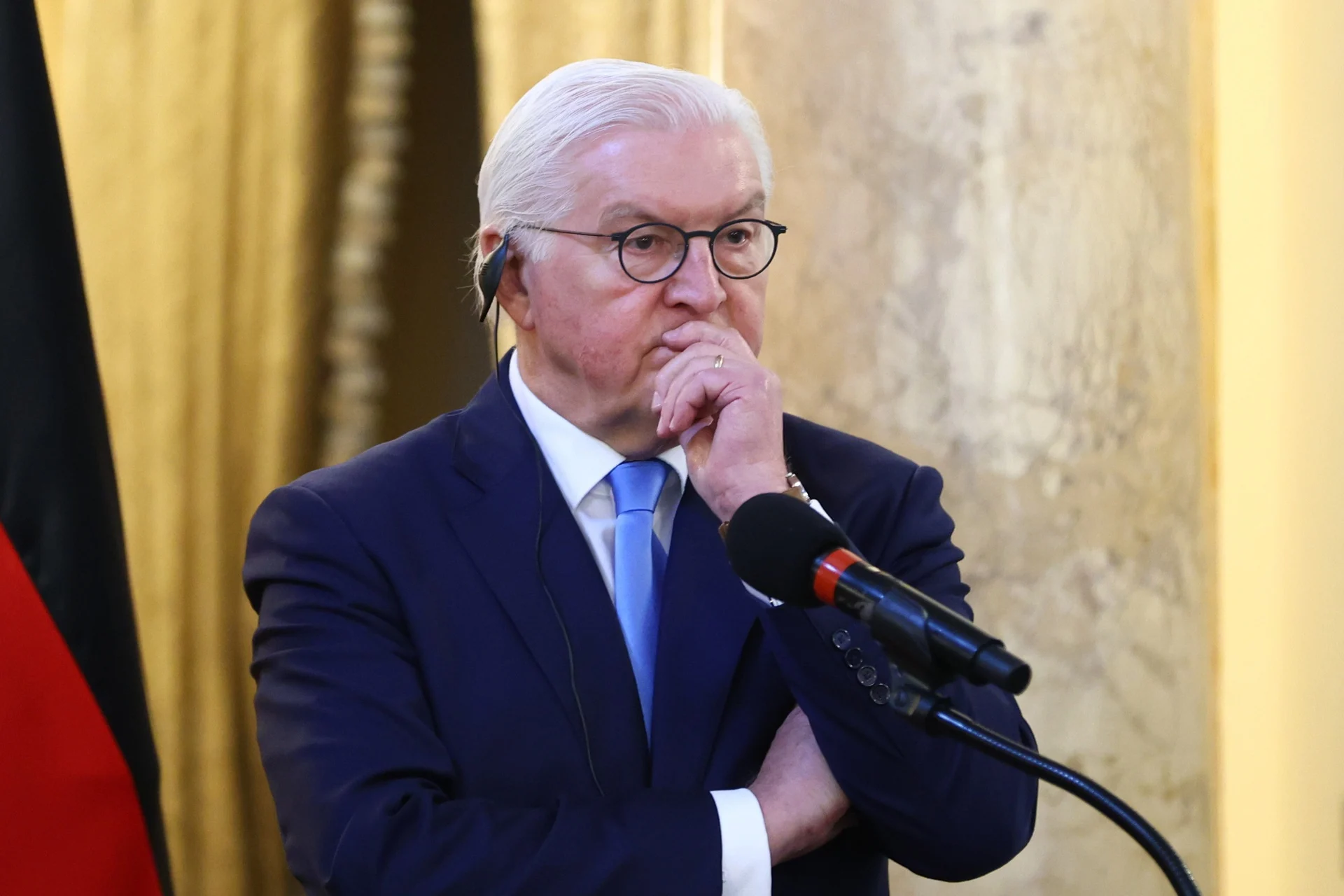
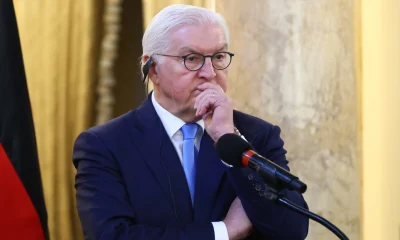
The president of Germany, Frank-Walter Steinmeier, warned Monday that the war involving Iran could expand and further disrupt shipping through the strategic Strait of Hormuz. He urged a swift end to hostilities between Iran, United States and Israel.
Speaking in Panama City during a joint appearance with Panamanian President José Raúl Mulino, Steinmeier said available information suggests Iran has significant capacity to disrupt maritime traffic through the key oil route.
“Iran has considerable potential to interfere with shipping through the Strait of Hormuz,” Steinmeier said through an interpreter. “We should therefore reach an end to the hostilities as soon as possible and call on all parties involved to make that happen.”
The remarks came during Steinmeier’s visit to Panama, the first by a German president to the Central American nation.
The German leader described the possibility of the conflict spreading as “very dangerous,” saying recent developments indicate that such a scenario cannot be ruled out.
Advertisement
20260224_estafa_mh_728x90
20260212_constancia_pagos_mh_728x90
20250701_dengue_728x90
20250901_vacunacion_vsr-728x90
20250901_minsal_tetra_-728x90
20250701_vacunacion-influenza-728x90
20250701_vacunacion_vph-728x90
20250715_donacion_sangre_central_728x90
20231124_etesal_728x90_1
20230601_agenda_primera_infancia_728X90
domfuturo_netview-728x90
20240604_dom_728x90
CEL
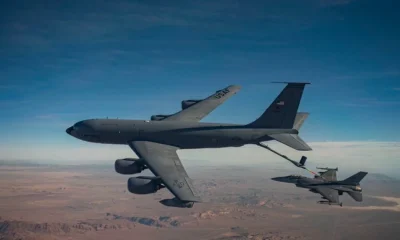
Over the weekend, U.S. President Donald Trump urged allied nations to help ensure safe passage for ships through the Strait of Hormuz after Iran moved to block the waterway in response to U.S. strikes. However, several allies—particularly in Europe—have shown little support for the proposal.
“Some are very enthusiastic, others are not, and some are countries we have helped for many years,” Trump told reporters at the White House. “We have protected them from terrible external threats, and they’re not that enthusiastic. And the level of enthusiasm is important to me.”
Meanwhile, Kaja Kallas, the European Union’s top diplomat, said the Strait of Hormuz falls “outside NATO’s scope” and stressed that “the war involving Iran is not Europe’s war.”
Mexico security chief meets DEA director in Washington to boost anti-drug cooperation
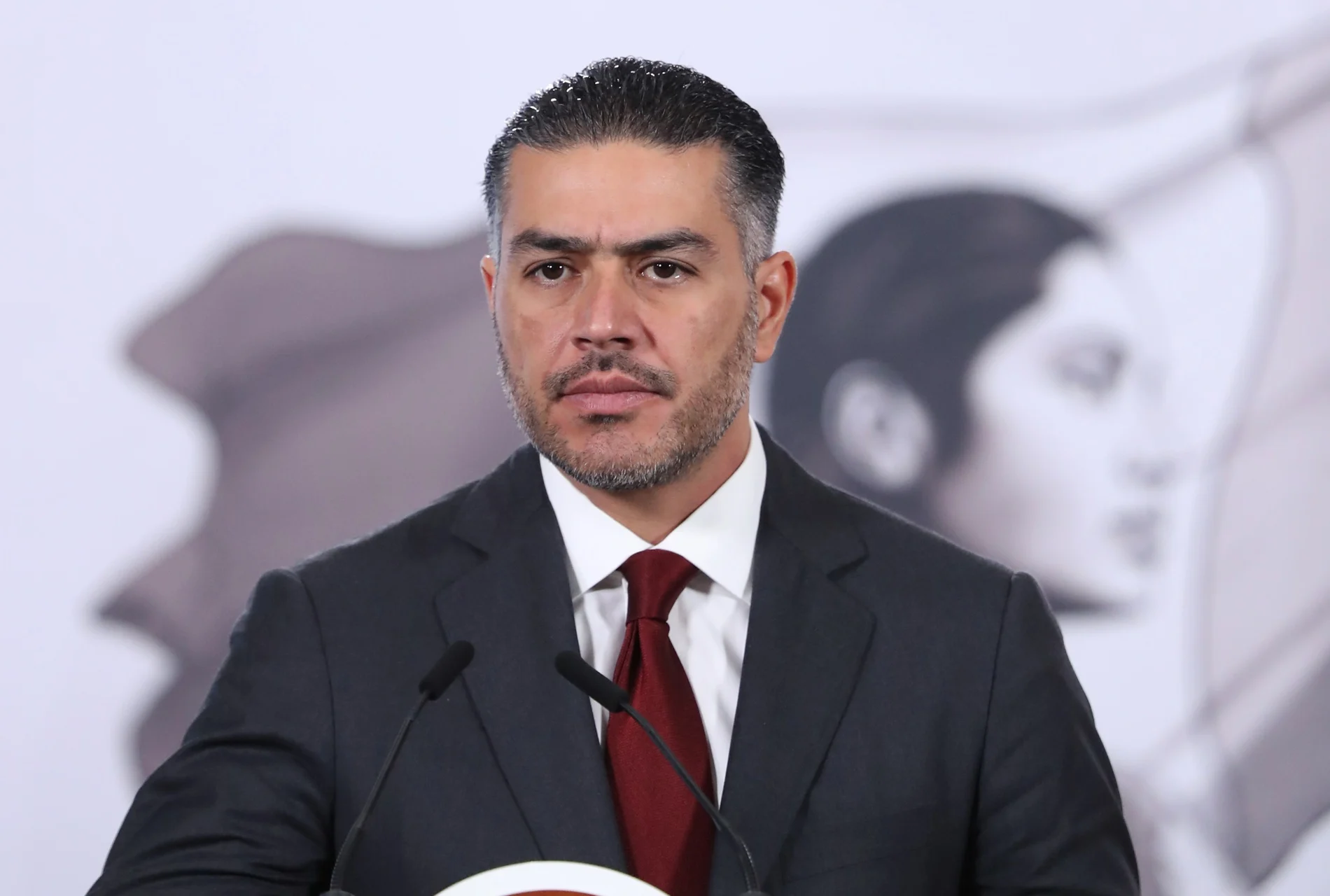
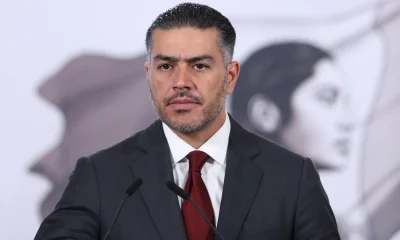
Mexico’s Secretary of Security and Citizen Protection, Omar García Harfuch, met in Washington with the head of the U.S. Drug Enforcement Administration, Terrance Cole, to discuss cooperation in the fight against drug trafficking and illegal arms flows.
The Mexican official said Monday on social media that he attended the meeting in representation of the Mexican government’s Security Cabinet.
“In Washington, D.C., I represented the Security Cabinet to hold talks with DEA Director Terrance Cole on the importance of strengthening bilateral cooperation to combat drug trafficking, curb the flow of weapons into our country, and reduce violence in Mexico through significant arrests,” García Harfuch wrote.
He added that, following instructions from Mexican President Claudia Sheinbaum, the government will continue strengthening international cooperation on security matters.
For his part, Cole said the meeting focused on cross-border collaboration to tackle drug trafficking and to build safer communities on both sides of the border.
Advertisement
20260224_estafa_mh_728x90
20260212_constancia_pagos_mh_728x90
20250701_dengue_728x90
20250901_vacunacion_vsr-728x90
20250901_minsal_tetra_-728x90
20250701_vacunacion-influenza-728x90
20250701_vacunacion_vph-728x90
20250715_donacion_sangre_central_728x90
20231124_etesal_728x90_1
20230601_agenda_primera_infancia_728X90
domfuturo_netview-728x90
20240604_dom_728x90
CEL
The meeting comes as Mexico and the United States begin a new round of dialogue on economic and security issues.
Earlier Monday, President Claudia Sheinbaum said she will look for the “best moment” to meet with U.S. President Donald Trump, adding that maintaining a good relationship with Washington is a priority for her administration.
Venezuela’s foreign minister accuses UN rights chief of “immoral bias”
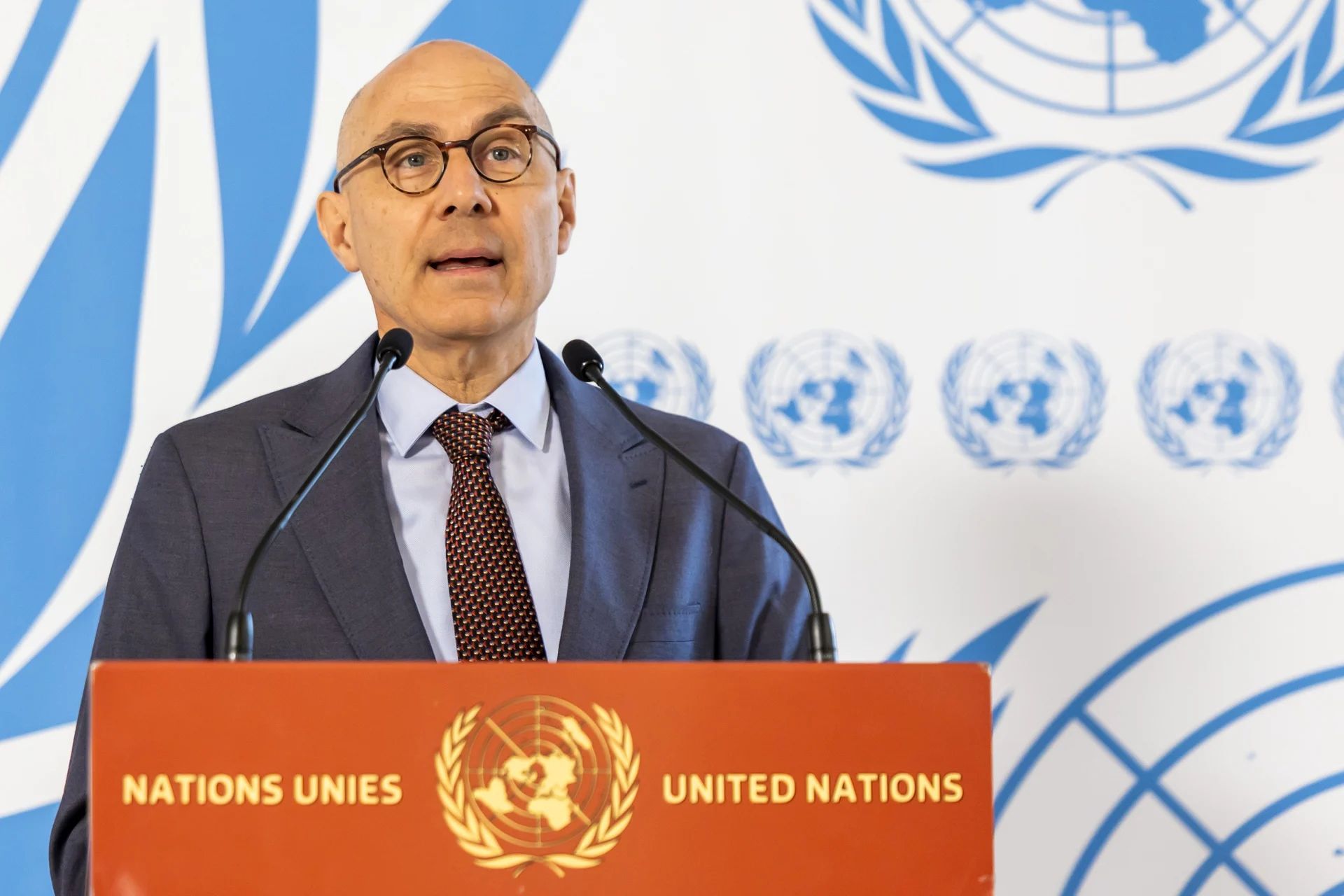
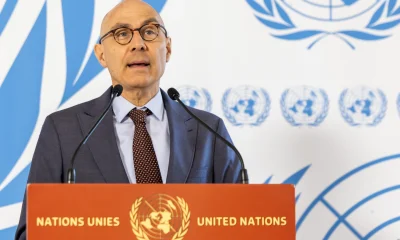
Venezuelan Foreign Minister Yván Gil criticized the United Nations High Commissioner for Human Rights, Volker Türk, accusing him of having an “immoral bias” and acting as an “echo chamber for falsehoods” regarding the situation in Venezuela.
Gil’s remarks came after Türk stated that his office had not received an official list from Venezuelan authorities detailing the release of political prisoners, nor authorization to carry out visits related to the issue.
“The UN High Commissioner for Human Rights insists on a narrative biased against our country, repeating unfounded accusations while deliberately omitting the impact of unilateral coercive measures on the rights of the Venezuelan people,” Gil said in a message posted on his Telegram channel.
Without directly addressing the question of prisoner releases, the Venezuelan foreign minister also accused Türk of aligning with what he described as the “agenda of extremism in Venezuela.”
Gil added that, despite serious human rights violations occurring in other parts of the world, the UN official has chosen to maintain what he described as an “immoral bias” against Venezuela.
Advertisement
20260224_estafa_mh_728x90
20260212_constancia_pagos_mh_728x90
20250701_dengue_728x90
20250901_vacunacion_vsr-728x90
20250901_minsal_tetra_-728x90
20250701_vacunacion-influenza-728x90
20250701_vacunacion_vph-728x90
20250715_donacion_sangre_central_728x90
20231124_etesal_728x90_1
20230601_agenda_primera_infancia_728X90
domfuturo_netview-728x90
20240604_dom_728x90
CEL
The criticism is part of a broader dispute between the Venezuelan government and the UN human rights office over reports and investigations concerning the human rights situation in the country.