
International
Uruguay goes to the polls this Sunday to elect president and legislators
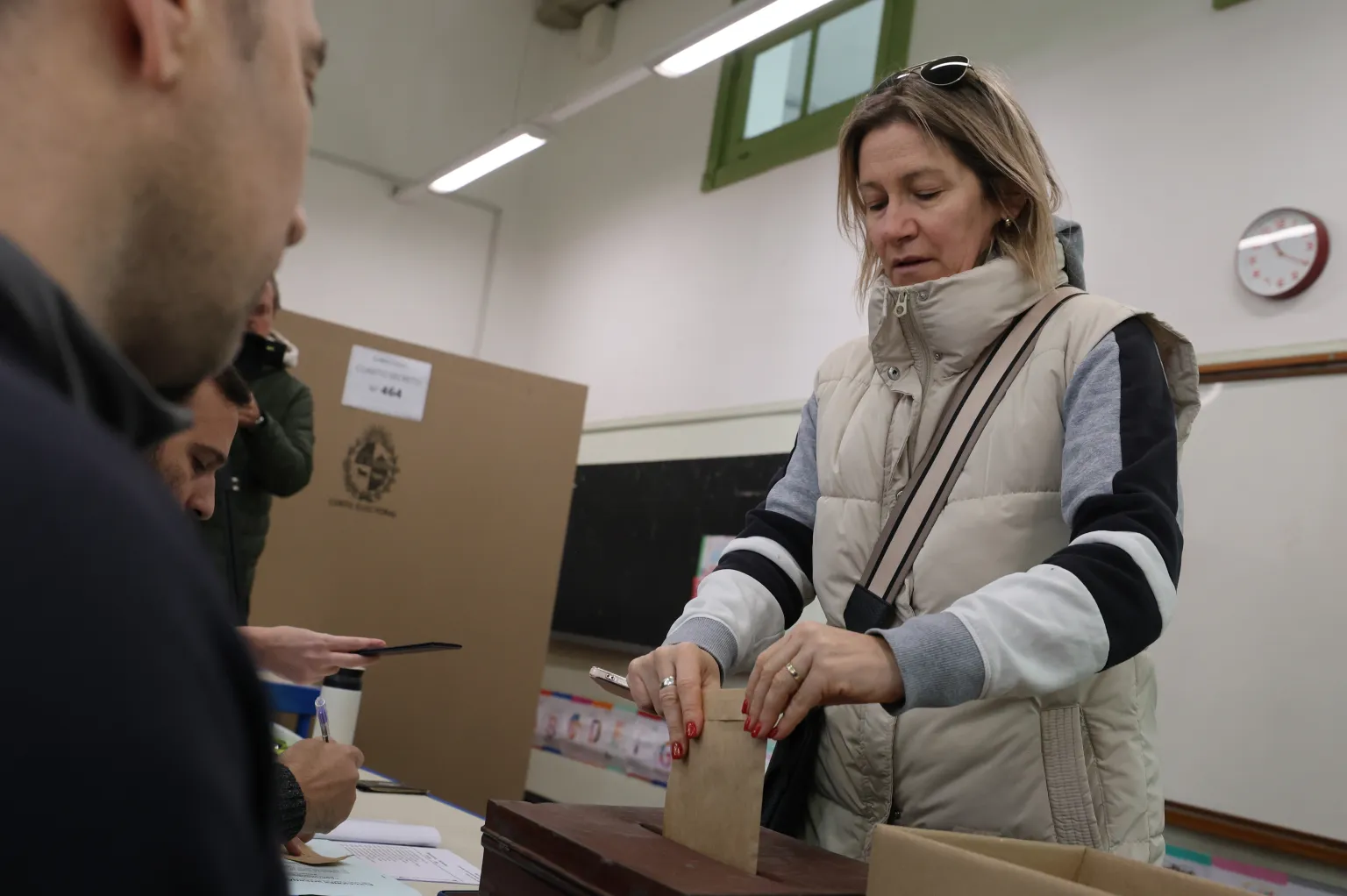
About 2.7 million citizens will go to the polls this Sunday to vote for the president and legislators of Uruguay for the period 2025-2030, as well as to pronounce on two plebiscites.
At 8:00 local time (11:00 GMT) voting centers throughout the country will open and voters will be able to vote until 19:30 local time (22:30 GMT), although this could be extended by an hour in case there are still people lining up at the polling stations.
In this instance, in which voting is secret and mandatory, as set by the National Constitution, eleven political parties will seek the Presidency.
The candidates for the Presidency of Uruguay
These are the Broad Front (Yamandú Orsi), the National Party (Álvaro Delgado), the Colorado Party (Andrés Ojeda), the Open Council (Guido Manini Ríos), the Independent Party (Pablo Mieres) and the Radical Intransigent Environmental Party (César Vega).
Also, Sovereign Identity (Gustavo Salle), Popular Assembly (Walter Martínez), the Environmental Constitutional Party (Eduardo Lust), the Party for the Necessary Changes (Guillermo Franchi) and Republican Advance (Martín Pérez Banchero).









To become the successor of the current president, Luis Alberto Lacalle Pou, any of the candidates must get more than 50% of the valid votes. Otherwise, the two most voted will advance to a second round, which will take place on Sunday, November 24.
The formation of the Parliament will be defined
Beyond this, this Sunday’s instance will define the formation of Parliament for the period 2025-2030.
Each party will present in the elections its different lists made up of its candidates to integrate the Chamber of Senators (30 members) plus the Vice President of the Republic) and the Chamber of Deputies (99 members).
On the other hand, voters will vote on two plebiscites: one on social security and another on night raids.
Promoted by the PIT-CNT trade union center and supported by social groups, the first of these seeks to change the social security regime of Uruguay, which was changed by law in 2023.
The plebiscites
The amendment proposes – among other things – the equivalence of retirements and pensions to the national minimum wage, in addition to the possibility that both men and women can access retirement at 60 years of age instead of 65.
In turn, it seeks to eliminate the administrators of social security savings funds so that the Social Security system is managed exclusively by the State.
The second seeks to allow raids at night, which are currently prohibited by article 11 of the National Constitution. He emphasizes that the home is a sacred inviolable and that at night no one will be able to enter it without the consent of their boss.
With the campaign closures carried out days ago, Uruguay of about 3.4 million inhabitants is currently in electoral ban.
Prohibitions
Since Friday, October 25, the parties cannot carry out acts of proselytist propaganda, as indicated by Law 16,019, which was promulgated in 1989.
On the other hand, from this Saturday the sale of alcohol is prohibited, which cannot be carried out until the voting circuits are closed.
This Sunday, around 21:30 local time (00:30 GMT), the consultants are expected to announce their first projections of the results, while the Electoral Court will begin to upload them on its official website as they are sent from the polling stations.
After being known, the candidates will participate in events in the places where they will wait for them, while in the capital of the country there are already areas of celebrations.






International
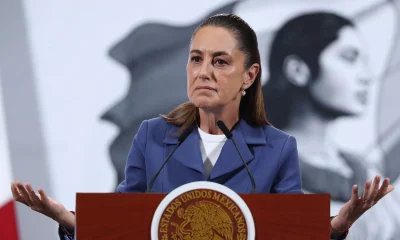
Claudia Sheinbaum: Operation Against ‘El Mencho’ Was Based on Pending Arrest Warrants
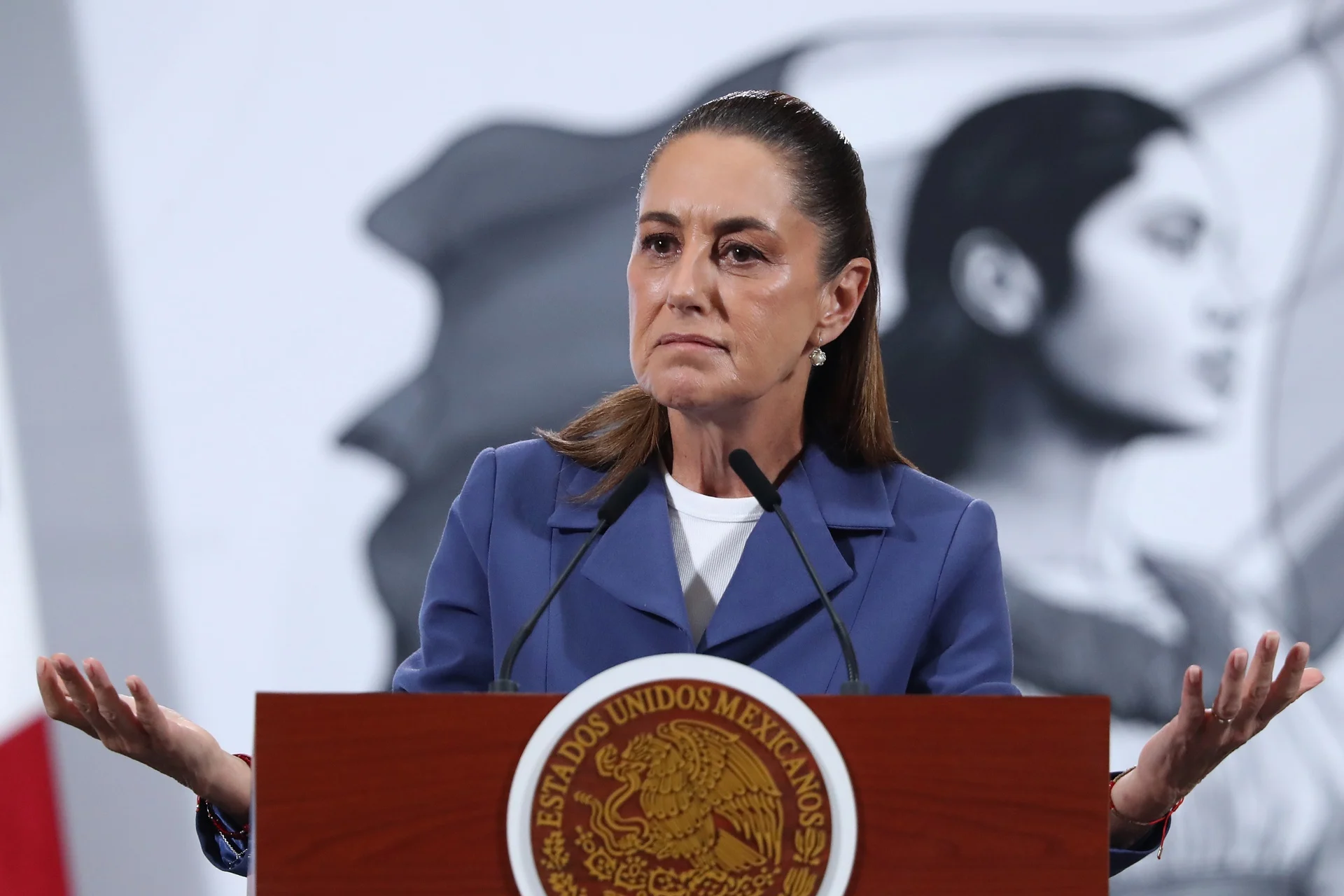
Mexico’s President Claudia Sheinbaum on Wednesday rejected claims that the military operation that resulted in the death of Nemesio Oseguera Cervantes, known as “El Mencho,” leader of the Jalisco New Generation Cartel (CJNG), was carried out under pressure from the United States government.
Sheinbaum explained that the deployment of federal forces was aimed at executing outstanding arrest warrants against Oseguera Cervantes, who was considered one of the most wanted criminals in both Mexico and the United States.
“That was not the objective (to ease pressure from the United States). It is very important, and I want to repeat it. This individual had an arrest warrant, or several,” Sheinbaum said, referring to the operation conducted on February 22.
According to the president, the initial goal was to capture Oseguera Cervantes, but military forces responded after coming under attack during the intervention.
“The operation was to detain him. The problem is that they were attacked — the Secretariat of National Defense — and they responded at that moment,” she said.
The president insisted that the action was not carried out in response to external demands, although she acknowledged intelligence cooperation with the United States.
“It was not done in any way because of pressure from the United States, not at all. Of course, there was intelligence information from the United States that was used specifically,” she concluded.
International
Spain Denies Any Agreement to Cooperate with U.S. Military in Iran Operations
International
White House Says Spain Agrees to Cooperate with U.S. Military After Trump Threatens Trade Embargo
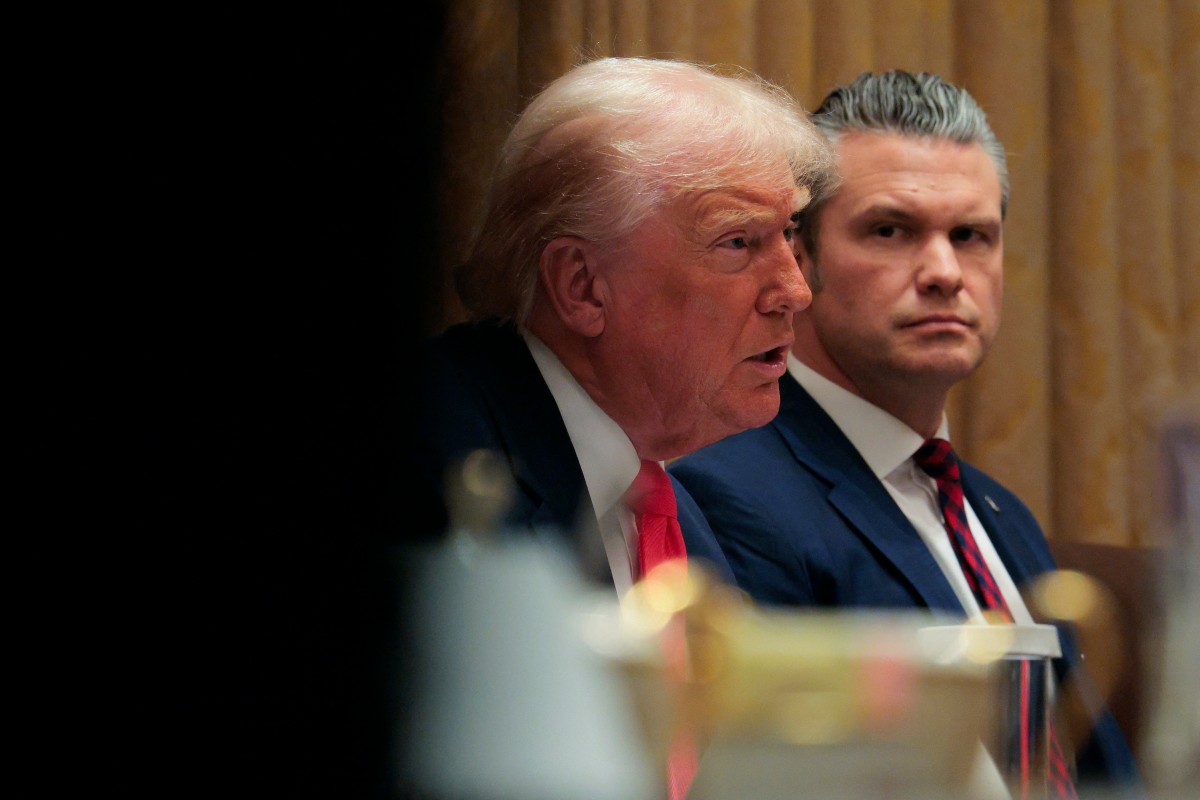
White House Press Secretary Karoline Leavitt said Wednesday that Spain has agreed “in recent hours” to cooperate with the U.S. military, following President Donald Trump’s threat to impose a trade embargo on Madrid.
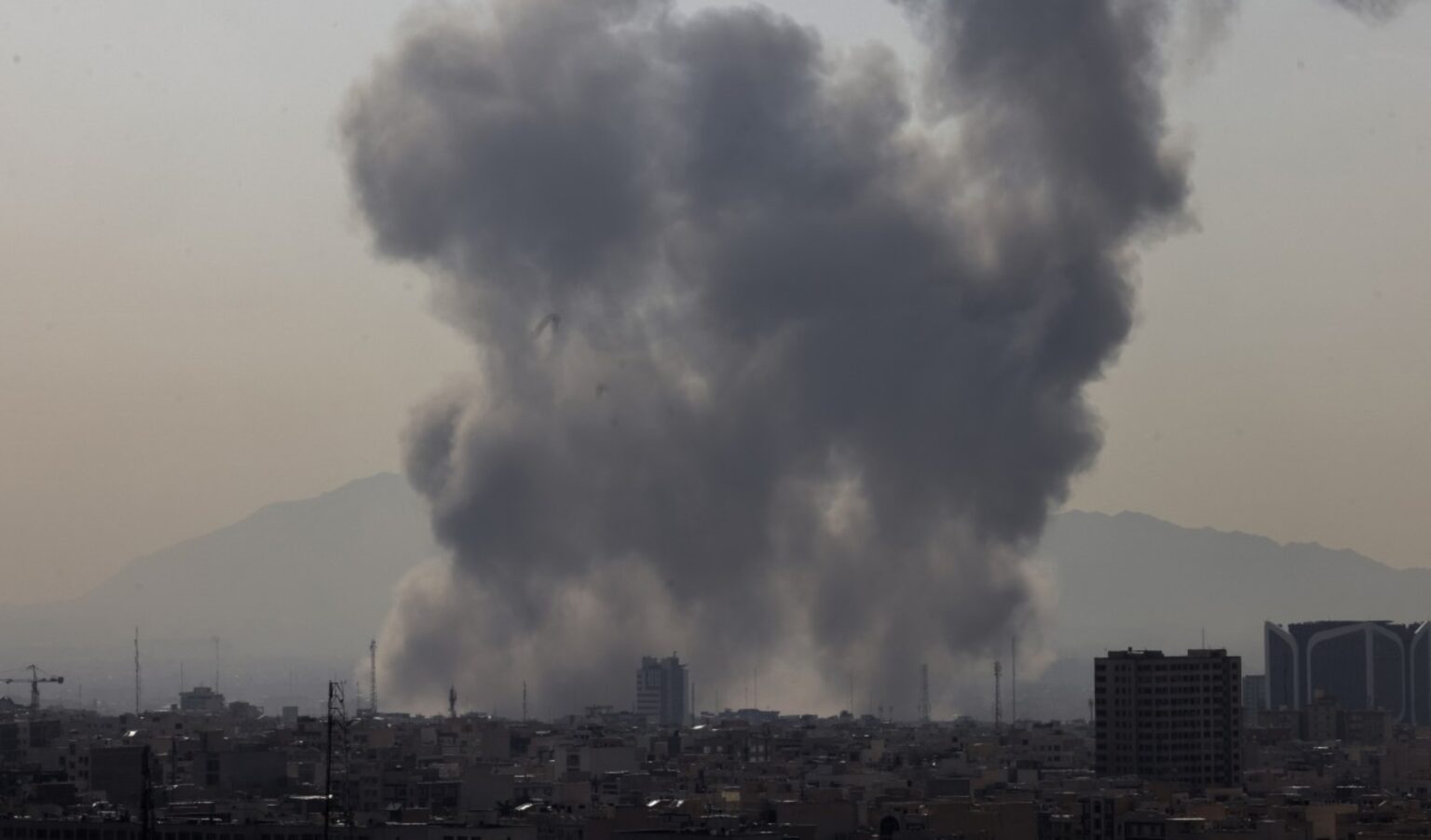
Trump had warned of potential commercial measures after Spain reportedly refused to allow the Pentagon to use facilities at Spanish military bases for operations related to Iran.
“With respect to Spain, I think you heard the president’s message yesterday loud and clear, and I understand that in recent hours they have agreed to cooperate with the United States military,” Leavitt said during a press briefing.
She added that the U.S. military is currently coordinating with its counterparts in Spain. However, the president expects broader support.
“The president expects that all of Europe, all of our European allies, of course, will cooperate in this important mission — not only for the United States, but also for Europe,” Leavitt said.
Her remarks came in response to questions about Spain’s position and its role as a U.S. ally amid rising tensions surrounding operations involving Iran.

Claudia Sheinbaum: Operation Against ‘El Mencho’ Was Based on Pending Arrest Warrants

Nicaragua Held Responsible for Harassment of Opposition Prosecutor and His Family

Spain Denies Any Agreement to Cooperate with U.S. Military in Iran Operations
Tec de Monterrey honors one of its students for his contribution to nanotechnology in medicine

Defense Minister commends salvadoran soldier for Central American Cross Country victory

Extension of the state of emergency approved in southern Chile
-
 International4 days ago
Iran Reports 201 Dead, 747 Injured After U.S. and Israeli Strikes
-
 International3 days ago
Brazil’s Supreme Court Rejects Bolsonaro’s Bid for House Arrest
-
 International3 days ago
Anti-ICE Billboard Campaign Targets Immigration Spending in 31 U.S. Cities
-
 International2 days ago
Spain’s Prime Minister to Address Nation Amid Trump’s Trade Threats
-
 International4 days ago
Pope Leo XIV Urges End to ‘Spiral of Violence’ in Middle East
-
 Sin categoría5 days ago
Trump: ‘We Think It’s True’ Amid Claims Iran’s Supreme Leader Was Killed
-
 International5 days ago
Security Council to Hold Emergency Meeting on Middle East Crisis
-
 International3 days ago
Trump Warns of ‘Major Wave’ of Attacks as Iran Conflict Escalates
-
International21 hours ago
White House Says Spain Agrees to Cooperate with U.S. Military After Trump Threatens Trade Embargo
-
 International3 days ago
Mexico Calls for Immediate Probe After National Dies in ICE Custody
-
 International2 days ago
New York Announces First 2,000 Seats in Universal 2-K Program
-
International21 hours ago
Spain Denies Any Agreement to Cooperate with U.S. Military in Iran Operations
-
 Central America21 hours ago
Nicaragua Held Responsible for Harassment of Opposition Prosecutor and His Family
-
 International3 days ago
Bolivia Orders Three Investigations Into Deadly Military Plane Crash
-

 International2 days ago
Warner Bros. Developing First ‘Game of Thrones’ Movie With ‘Andor’ Writer
-

 Central America3 days ago
Panama Canal Monitoring Trade as Middle East Conflict Disrupts Shipping
-
 Central America2 days ago
Guatemala’s Attorney General Fails in Bid for Top Court Seat Amid Corruption Allegations
-
 International21 hours ago
Claudia Sheinbaum: Operation Against ‘El Mencho’ Was Based on Pending Arrest Warrants