
International
Iran says that Israel’s attack has had “the clear complicity” of the United States
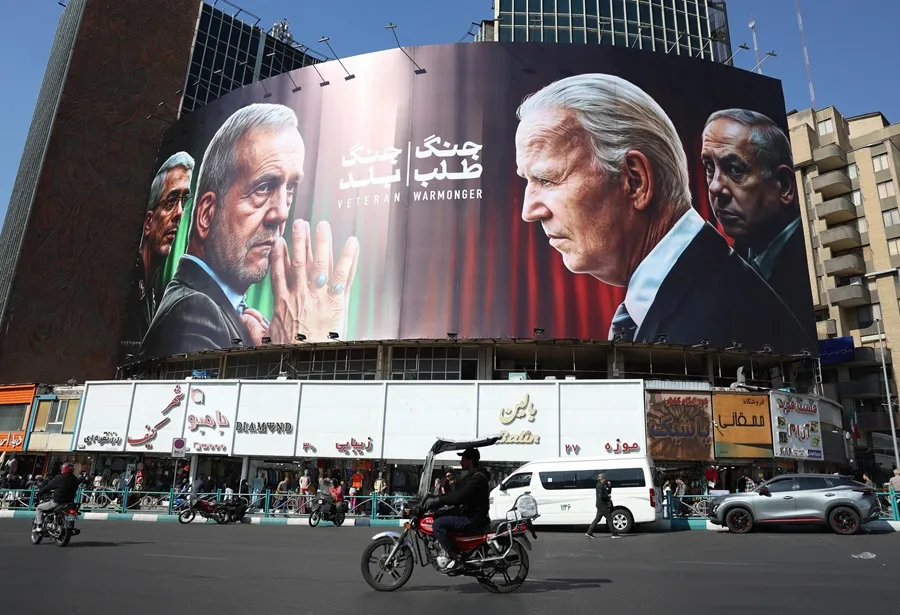
Iran pointed today to the “clear complicity” of the United States in the attack suffered in the early hours of Saturday by Israel, in a message from Iran’s mission to the United Nations, which has become in recent weeks an unofficial spokesman for foreign affairs for its country.
In its X account, the Iranian mission wrote this Saturday that the Israeli attack started from Iraqi airspace, specifically about 70 kilometers from the border with Iran, and recalled that that airspace “is under occupation, command and control of the United States.”
“Conclusion: the complicity of the United States in this crime is clear,” the message concludes.
Iran calls for an urgent meeting of the Security Council
This Sunday, Iran called for an urgent meeting of the UN Security Council to “take a firm position and strongly and clearly condemn” Israel’s attacks against the Persian country, which caused the death of four Iranian soldiers and damage to some radars the day before.
“Considering the consequences of the continuous and systematic aggressions of the Israeli regime, the Islamic Republic of Iran asks the UN Secretary General (Antonio Guterres) and the Security Council to take a firm position and strongly and clearly condemn the Israeli regime,” Iranian Foreign Minister Abbas Araqchí said in a letter to Guterres and the members of the Security Council, according to IRNA.











Araqchí once again condemned the Israeli attack on military targets in Iran and reiterated that the participation of the United States in the creation of tensions in the region “is quite obvious.”
Tension between Iran and Israel
According to the Iranian Army, Israeli fighters used US airspace in service in Iraq to launch long-range air-to-ground missile attacks against Iranian air defense systems and radars, in the provinces of Ilam, Juzstan and Tehran, which caused the death of four soldiers.
“Decise attacks” against Iranian military targets in retaliation, according to the Israeli Army, “for the months of continuous attacks by the Iranian regime against the State of Israel.”
US denies relationship with the attack
Senior US officials explained to the press that Washington was not directly involved in the attack, and added that Joe Biden’s government has made intense diplomatic efforts to make Israel’s response proportional and avoid nuclear or oil targets, which could have aggravated the conflict.
Biden spent Saturday morning receiving information about the situation in the Middle East during a call with his national security team and with Vice President Kamala Harris, the White House reported.
Supreme leader urges to demonstrate Iran’s power
Regarding the possible response of the Iranian regime, Iran’s supreme leader, Ali Khamenei, said today that the Iranian authorities should determine the best way to demonstrate Iran’s power to Israel, in his first reaction to Saturday’s Israeli attack.
“The authorities must decide how to demonstrate the strength and will of the Iranian nation to the Zionist regime (Israel) and the best must be done for this nation and the country,” Khameneí said at an event in Tehran, in a moderate tone and without promising a response to the Israeli attack, according to the IRNA agency.
Iran’s highest political and religious authority dismissed the Israeli action as “an error of calculation” and pointed out that “the evil committed by the Zionist regime should not be minimized or exaggerated.”
Also this Sunday, the president of the Iranian Parliament, Mohammad Baqer Qalibaf, has assured that his country will respond appropriately to the Israeli attack. “Iran reserves the right to self-defense,” Qalibaf said during a parliamentary session.










International
Ten Bodies Found in Mexico’s Zacatecas State Amid Security Operation
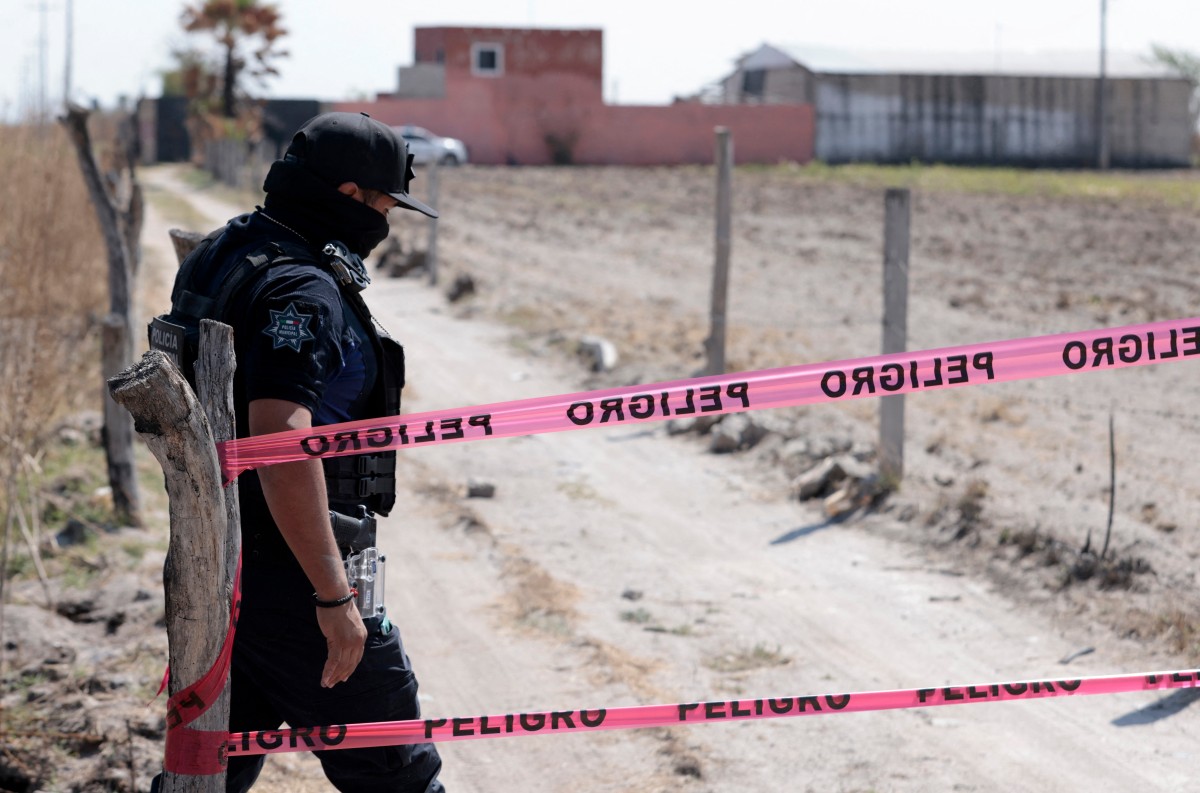
Mexican authorities discovered the bodies of 10 people on Saturday in the central state of Zacatecas, a region that was heavily affected by organized crime violence just a few years ago.
The victims were found in different municipalities across the state, which experienced a surge in violence between 2021 and 2022 as rival criminal groups fought for control of key drug trafficking routes.
Rodrigo Reyes, secretary general of the Zacatecas state government, said on social media that the bodies were located in the municipalities of Morelos, Pánuco, and Sain Alto.
Authorities have not yet disclosed the causes of death or identified those responsible for the killings.
Reyes said security forces have launched a coordinated operation to locate those behind the crimes and strengthen the police presence in the affected areas as the investigation continues.
International
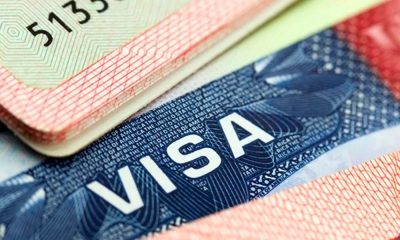
U.S. to Limit Visa Duration for Foreign Students and Journalists
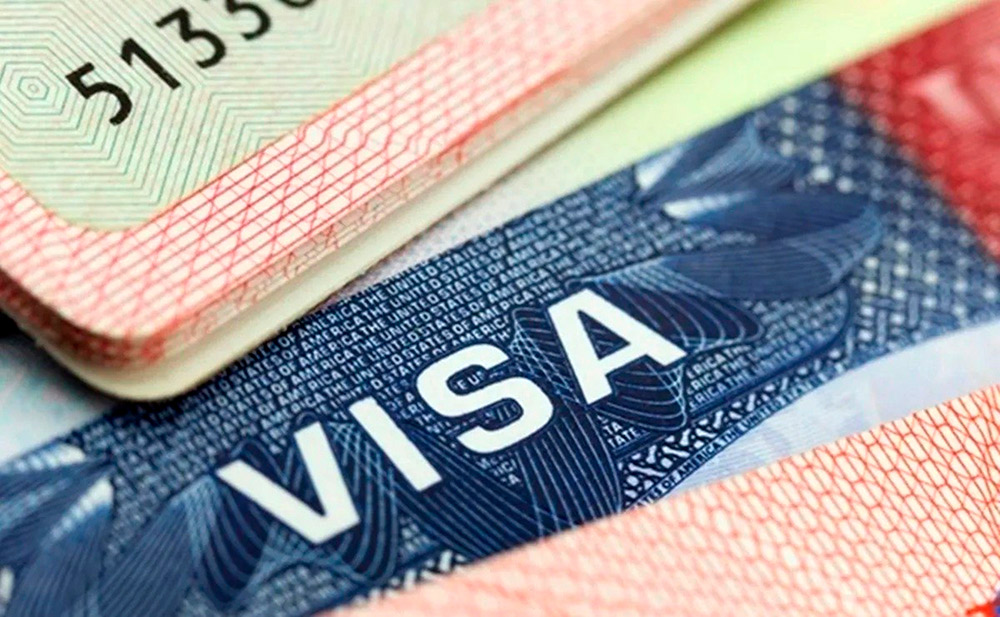
The United States has announced new limits on the legal length of stay for foreign students and journalists, marking the latest tightening of immigration policies under President Donald Trump.
The changes, outlined in an administrative rule published on Thursday, are expected to take effect in September, unless Congress blocks the measure.
Under the new policy, holders of student visas will be allowed to remain in the United States for no more than four years.
Foreign journalists will be limited to 240-day stays—approximately eight months—with the possibility of applying for extensions of the same duration.
The policy imposes even stricter rules on Chinese journalists, whose visas will be capped at 90 days.
More than 100 international news organizations and press freedom groups, including Agence France-Presse (AFP), criticized the measure in an open letter, arguing that it would reduce both the quantity and quality of international coverage of events in the United States.
The Republican Party, led by President Trump, currently holds a majority in Congress and has pledged to curb both illegal immigration and certain forms of legal immigration.
Previously, the United States generally issued student visas for the full duration of an academic program, while foreign journalists could receive visas valid for up to five years.
Central America
Nicaragua Cuts Diplomatic Ties With Italy Over Red Brigades Dispute
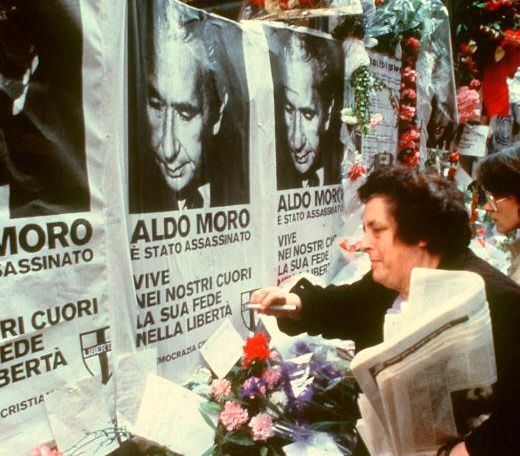
The Nicaraguan government announced on Thursday that it is severing diplomatic relations with Italy following criticism from the Italian government over Nicaragua’s long-standing decision to shelter Alessio Casimirri, a former member of the Red Brigades convicted in Italy for the 1978 kidnapping and murder of former Prime Minister Aldo Moro.
Italian Foreign Minister Antonio Tajani criticized the administration of co-presidents Daniel Ortega and Rosario Murillo on Wednesday for continuing to provide refuge to Casimirri, who was sentenced in Italy to six life terms for his role in Moro’s abduction and killing.
In a statement issued Thursday, Nicaragua’s Foreign Ministry said it was ending all diplomatic relations with Italy, describing Tajani’s remarks as “unjustified, aggressive, and irresponsible.”
Tajani made the comments during a gathering of conservative leaders from Europe and Latin America held in Madrid.
“We have absolutely nothing in common with the positions of extremist governments such as Nicaragua, a country that continues to harbor dangerous Red Brigades terrorists like Alessio Casimirri,” Tajani said, according to Italian media.
The diplomatic break marks a new escalation in tensions between the two countries over the decades-old case involving Casimirri, who has lived in Nicaragua for many years despite repeated calls from Italy for his extradition.

Ten Bodies Found in Mexico’s Zacatecas State Amid Security Operation

U.S. to Limit Visa Duration for Foreign Students and Journalists

Nicaragua Cuts Diplomatic Ties With Italy Over Red Brigades Dispute
Tec de Monterrey honors one of its students for his contribution to nanotechnology in medicine

Defense Minister commends salvadoran soldier for Central American Cross Country victory

Extension of the state of emergency approved in southern Chile
-

 International3 days ago
U.S. Strikes Hit Areas Near Strait of Hormuz as Tensions With Iran Escalate
-
 International5 days ago
France Holds Largest Bastille Day Military Parade as Europe Highlights Strategic Defense
-
 International5 days ago
President Noboa Declares New Security Strategy as Ecuador Faces Record Violence Levels
-

 International4 days ago
Latin Music Stars Unite in Miami to Raise Aid for Victims of Venezuela’s Devastating Earthquake
-
 International5 days ago
Foreign Medical Teams Race to Prevent Health Crisis in Venezuela Earthquake Camps
-
 Central America3 days ago
Nicaragua Cuts Diplomatic Ties With Italy Over Red Brigades Dispute
-
 International3 days ago
U.S. to Limit Visa Duration for Foreign Students and Journalists
-
 International3 days ago
El Salvador Sends Eighth Humanitarian Flight to Earthquake-Hit Venezuela
-
 International4 days ago
Trump Administration Seeks Global Action Against “Resurgent” Left-Wing Terrorism
-
 International18 hours ago
Ten Bodies Found in Mexico’s Zacatecas State Amid Security Operation