
International
With its top unheaded, Hamas seeks new leadership in the middle of the war in Gaza
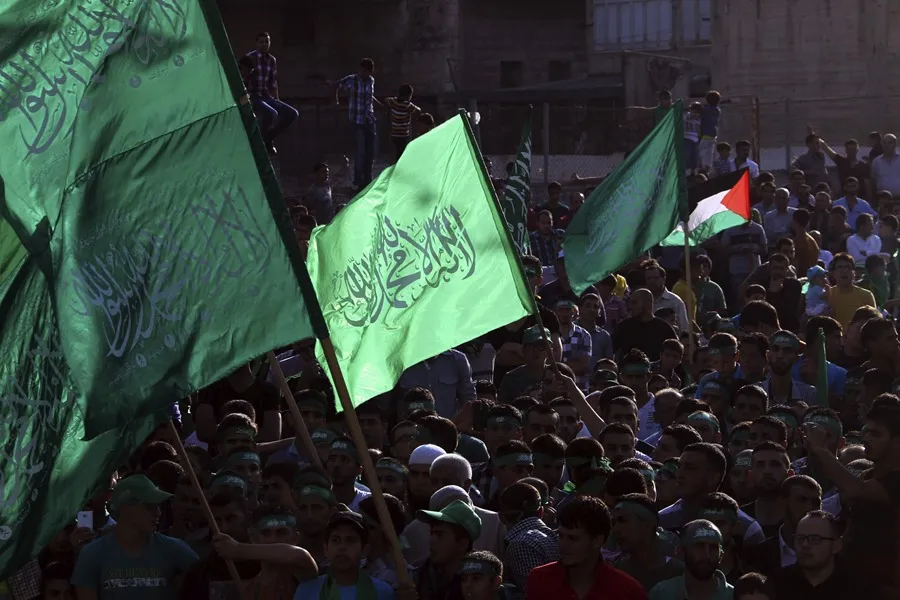
“Sinwar’s death will not end the resistance or the cause,” Hamas assured by confirming that the top leader of the movement died last week in clashes with Israeli troops in Rafah, south of the Gaza Strip.
The group then said that the Shura Council, its highest advisory body, would meet in the coming days to elect the new head of the political bureau to replace Sinwar, who in turn in August replaced In that position Ismail Haniyeh, eliminated in Tehran in an attack attributed to Israel.
However, Hamas sources have pointed out to EFE the possibility of postponing that decision to March, when internal elections are planned; and delegating the leadership to a five-member steering committee, which will assume the strategic political and military decisions.
“The next step is still under consultation in the direction of the movement. No decision has been made,” a source from the Hamas political bureau told EFE.
It is not the first time that Hamas has faced the assassination of its leaders, but its internal mechanisms are designed to make the movement survive above specific personalities.









The figures that follow in the first line are:
– Jaled Meshaal: One of the vice presidents of the Hamas political bureau, a body that he already led between 1996 and 2017, when he was succeeded in office by the head of the movement within the Strip, Ismail Haniyeh. That transfer marked the transfer of power from the leaders abroad to those inside Gaza (two years later Haniyeh moved to Qatar).
Born in the West Bank in 1956, he has lived in exile since 1967, when his family fled to Jordan in the Six-Day War. He then moved to Kuwait, where he joined the Muslim Brotherhood. A two-month tour in 1975 through Palestinian lands imbued him with patriotic feelings and he is one of the founders of Hamas in 1987.
He survived a poisoning assassination attempt in Amman by Mossad agents in 1997, by order of Benjamin Netanyahu. With Meshaal in a coma, the King of Jordan demanded the antidote under threat of breaking relations with Israel and trying his spies. Netanyahu had to give in after Bill Clinton’s intervention.
He has lived in Syria, Qatar and Turkey, and is the main representative of Hamas among the Palestinian exodus. With the murders of Haniyeh and the vice president of the political bureau, Saleh al Arouri – last January in Beirut – Meshaal remains the strongest figure of the group abroad.
–Jalil al Hayya: He was Sinwar’s right hand in the political branch within the Strip. After his appointment as president of the group in August, Al Hayya replaced him as head of Hamas in the enclave and occupies one of the three vice presidencies of the office, which corresponds to leaders from within Gaza.
In 2006 he led the Hamas bloc in the defunct Palestinian Legislative Council. He is a prominent supporter of the armed struggle against Israel and has survived several assassination attempts, the most serious in 2007, when an attack on his house in the northern Strip killed several of his relatives.
It was he who, the day after Israel announced Sinwar’s death, confirmed the news on behalf of Hamas, which can augur a prominent role.
– Mohamed Sinwar: He is the younger brother of Yahya Sinwar and a prominent commander of the al Qasam Brigades, the armed arm of Hamas. Before the death of several commanders during the war – including their military chief, Mohamed Deif, and his ‘number two’, Marwan Issa – he assumed military command of the southern half of the Strip, from Nuseirat to Rafah.
He grew up in the ranks of the Hamas military wing since the nineties, when he was a teenager, in the shadow of his brother. Although his leadership is on the military level, the current war context leaves him a wide margin of decision and autonomy. It is one of the “most sought after” by Israel.
– Musa Abu Marzouk: He is a member of the political bureau and, together with Haniyeh, promoted a pragmatic approach in negotiations with Israel for a ceasefire. In the 1990s, when he resided in the United States, he was arrested for raising funds for the armed wing of Hamas, and then remained in exile in Jordan, Egypt and Qatar.
– Izz ad Din al Haddad: He was the commander of the Gaza City Brigade when the war began, but now he holds military command of the entire northern part of the enclave. Together with the little Sinwar, he is in charge of continuing the “war of attrition” against Israel and co-directing military operations.
– Zaher Jabarin: He was from the circle close to Sinwar and Haniyeh. Handles the financial affairs of the group. Before he participated in military activities, so he was arrested by Israel and released in 2011 in the same exchange of more than a thousand prisoners for soldier Gilad Shalit, in which Sinwar was also released from prison.






International
Iran Reports 201 Dead, 747 Injured After U.S. and Israeli Strikes
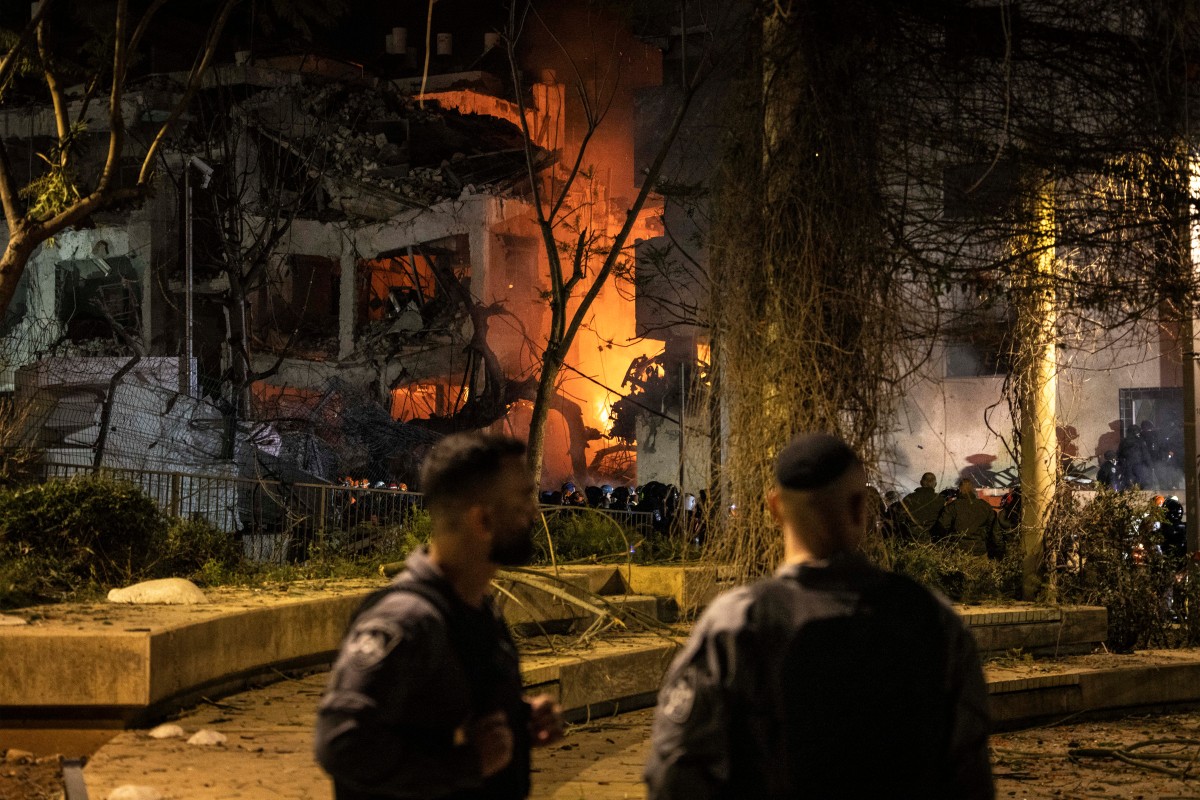
The Iranian Red Crescent Society reported Sunday night (local time) that at least 201 people were killed and 747 injured following attacks carried out by Israel and the United States against the Islamic Republic.
A spokesperson for the humanitarian organization said more than 220 rescue teams have been deployed across affected areas and that relief operations are continuing without interruption. The official highlighted the difficulty of treating the large number of wounded and the urgent need for additional resources in impacted provinces.
Out of Iran’s 31 provinces, 24 have reported damage, according to a statement carried by the Isna news agency. This marks the first overall casualty toll released by Iranian state-affiliated media since the launch of the offensive.
Among the dead are 85 schoolgirls from a school in the southern city of Minab, according to the country’s judiciary. “The number of martyrs at the Minab girls’ school has risen to 85,” the local prosecutor’s office said, as quoted by the judiciary’s website, Mizan Online.
Iranian President Masud Pezeshkian described the attack as a “savagery” that “constitutes a new black page in the record of countless crimes committed by the aggressors.”
Meanwhile, the international community continues to monitor the situation closely amid concerns about possible further reprisals and the broader impact on Middle East stability, energy markets, and global security.
AFP noted that it was unable to independently verify the casualty figures or the circumstances surrounding the events.
International
Pope Leo XIV Urges End to ‘Spiral of Violence’ in Middle East
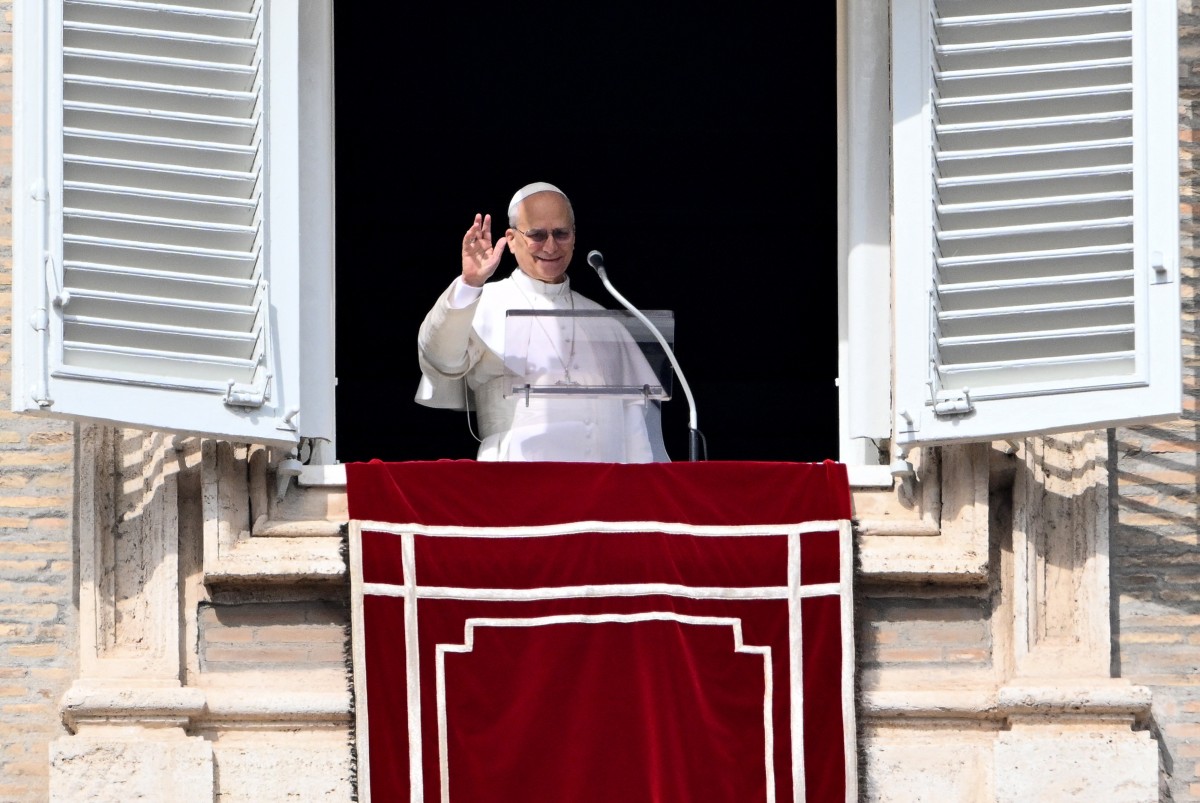
Pope Leo XIV on Sunday called for an end to the “spiral of violence” in the Middle East, following military strikes by the United States and Israel against Iran and subsequent retaliatory bombardments in the region.
“Faced with the possibility of a tragedy of enormous proportions, I urge the parties involved to assume their moral responsibility and stop the spiral of violence before it becomes an irreparable abyss,” the pontiff told the crowd gathered in St. Peter’s Square at the Vatican.
Speaking during the Angelus prayer, the U.S.-born pope said stability and peace cannot be achieved through threats or weapons. “Stability and peace are not built with reciprocal threats or with arms that sow destruction, suffering and death, but only through reasonable, sincere and responsible dialogue,” he declared.
The leader of the world’s 1.4 billion Catholics also called for diplomacy to “regain its role” amid escalating tensions.
In addition, the pope urged Afghanistan and Pakistan to urgently resume dialogue after several days of clashes between the two countries.
International
Security Council to Hold Emergency Meeting on Middle East Crisis
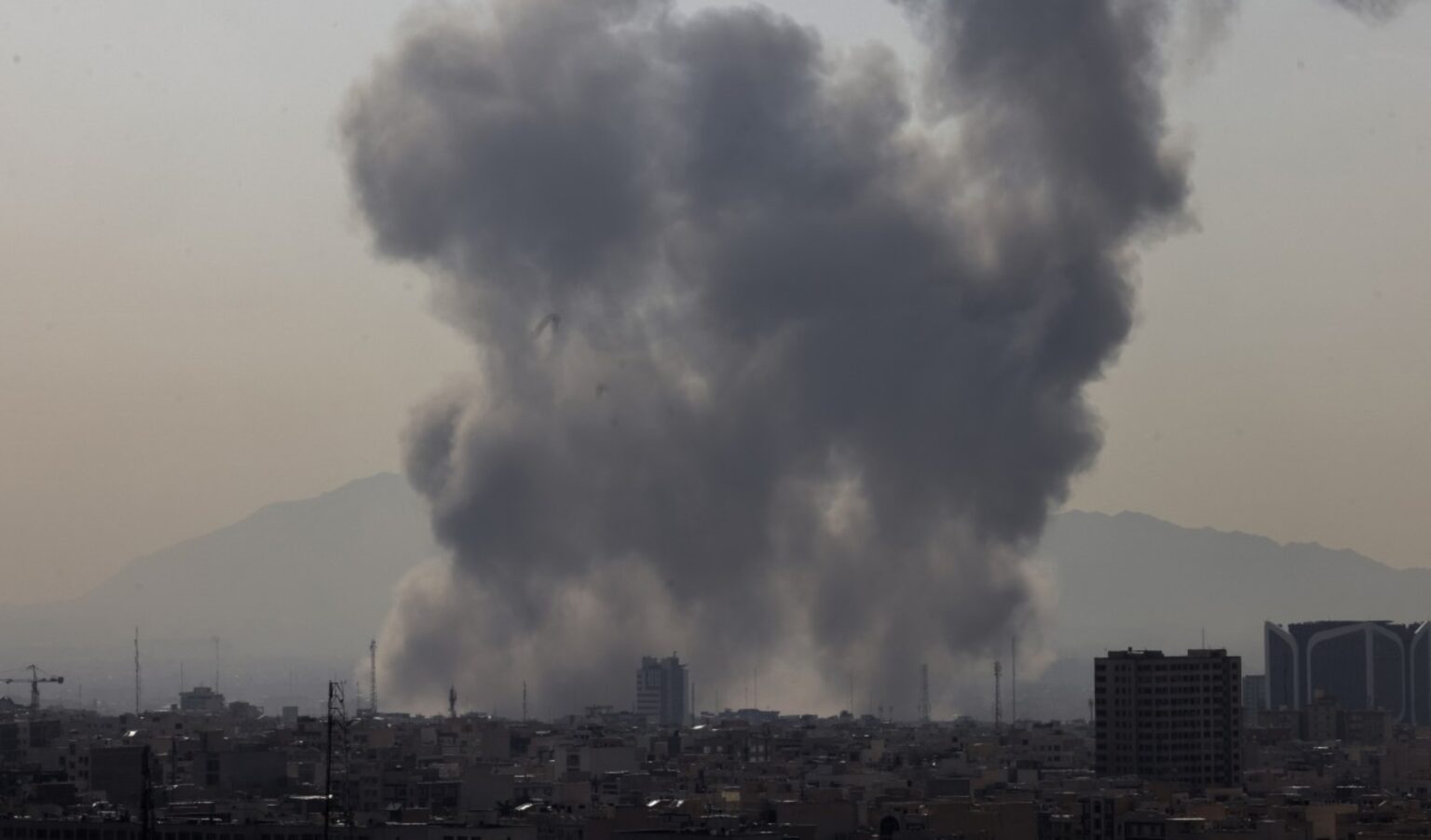
UN Secretary-General António Guterres on Saturday condemned the “military escalation in the Middle East” following attacks by the United States and Israel against Iran and Tehran’s retaliatory strikes, just hours before an urgent meeting of the UN Security Council.
“I call for the immediate cessation of hostilities and de-escalation,” Guterres said in a statement.
The Security Council is scheduled to meet on Saturday at 21:00 GMT (4:00 p.m. in New York) to address “the situation in the Middle East,” the United Nations announced.
The meeting, during which Guterres will deliver remarks, was convened at the request of France, Bahrain, Colombia, Russia and China, according to a diplomatic source.

Iran Reports 201 Dead, 747 Injured After U.S. and Israeli Strikes

Pope Leo XIV Urges End to ‘Spiral of Violence’ in Middle East

Security Council to Hold Emergency Meeting on Middle East Crisis
Tec de Monterrey honors one of its students for his contribution to nanotechnology in medicine

Defense Minister commends salvadoran soldier for Central American Cross Country victory

Extension of the state of emergency approved in southern Chile
-
 International4 days ago
Family of “El Mencho” Seeks Return of Body After Deadly Military Operation
-

 International4 days ago
Larry Summers Steps Down from Harvard Role Amid Epstein Controversy
-
 International4 days ago
Iran’s President Optimistic Ahead of Geneva Nuclear Talks with U.S.
-

 International4 days ago
Bill Gates Admits “Serious Mistake” Over Epstein Ties
-

 International4 days ago
Stephen Hawking Photo Appears in Newly Released Epstein Documents
-

 International3 days ago
Cocaine Production Surges 34% in 2023 as Market Expands into Africa and Asia
-
 International3 days ago
Federal Judge Blocks Trump Policy Allowing Deportations to Third Countries
-
 International2 days ago
Trump Floats “Friendly Takeover” of Cuba Amid Rising Tensions
-
 International3 days ago
Clinton Accuses Republican Committee of Using Epstein Case to Shield Trump
-
 International2 days ago
Argentina’s Senate Reviews Milei-Backed Labor Overhaul
-
 International23 hours ago
Security Council to Hold Emergency Meeting on Middle East Crisis
-

 Sin categoría23 hours ago
Trump: ‘We Think It’s True’ Amid Claims Iran’s Supreme Leader Was Killed
-
 International3 hours ago
Iran Reports 201 Dead, 747 Injured After U.S. and Israeli Strikes
-
 International3 hours ago
Pope Leo XIV Urges End to ‘Spiral of Violence’ in Middle East