
International
Trump gains ground over Harris and the elections are emerging as the closest of the century
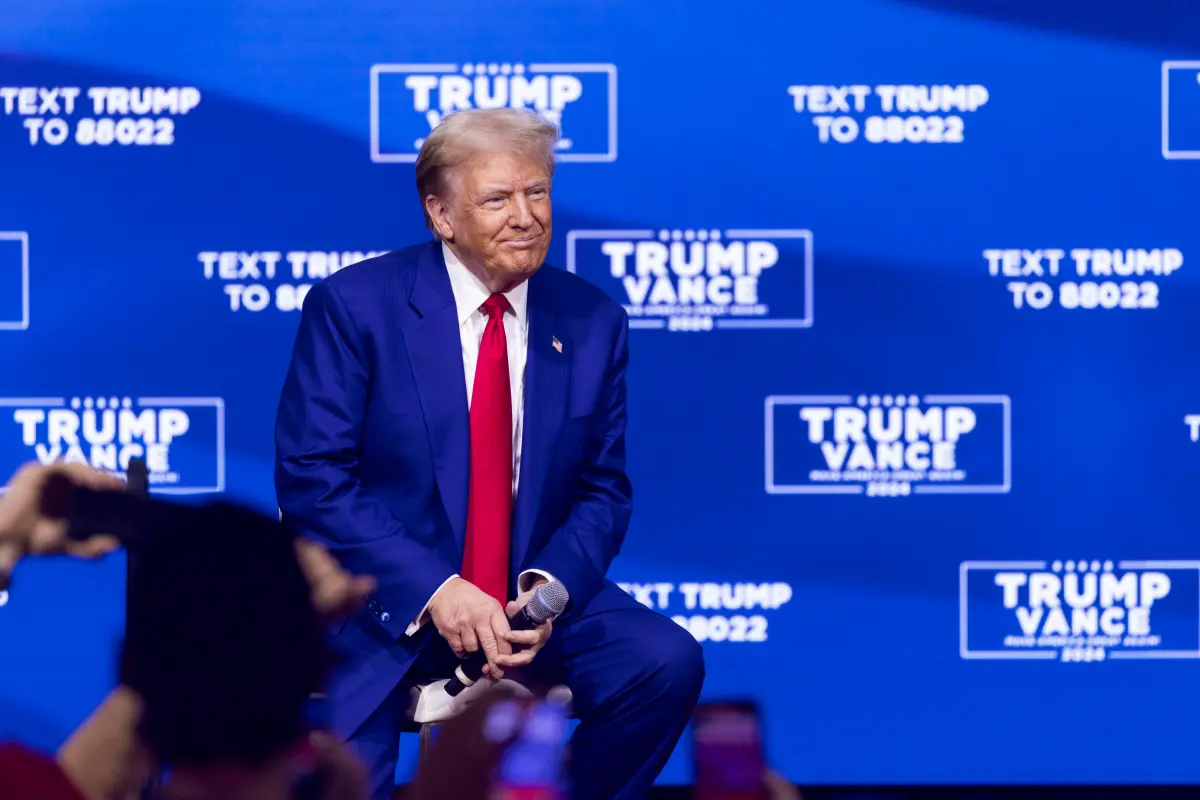
The Republican candidate for the White House, former President Donald Trump, has gained ground in the polls of his Democratic rival, Vice President Kamala Harris, and the selections of November 5 are emerging as the closest of the last century in the United States.
Harris’ candidacy, who replaced President Joe Biden after he threw in the towel in July, initially aroused great enthusiasm that was transferred to the polls, but Trump has managed to pulverize that advantage when there are 16 days left until the elections.
According to the latest forecast of the FiveThiryEight portal based on the average of polls published nationally and in key states, Trump achieves a slight advantage over Harris and has a 52% chance of winning the November 5 elections.
Despite the fact that the Democrat leads the intention to vote at the national level, the Republican is more favored by the Electoral College, the system by which the states grant a certain number of electoral votes to the winning candidate.
Two weeks ago, the forecast of the same portal gave Harris a 58% chance to defeat Trump.











The difference between Harris and Trump
Although the Republican has gained ground in recent weeks, the situation is so tight that the chances of victory of each of the two candidates are practically equivalent to throwing a coin into the air.
The difference between Harris and Trump is less than two percentage points in the seven decisive states (Arizona, Georgia, Michigan, Nevada, North Carolina, Pennsylvania and Wisconsin) so that a small statistical error could alter the result.
In addition, at the national level, the vice president only takes two points ahead of the former president, a narrower difference than the margin between Biden and Trump on any of the days of the 2020 campaign.
After those elections, the Republican refused to accept his defeat and promoted the vote count in some key states and several litigations that were dismissed in court.
In 2000, the election result was up in the air until the Supreme Court gave the victory to Republican George W. Busch on the Democrat Al Gore in Florida, which was then a hinge state.
But according to the FiveThirtyEight portal, to find elections as close as what the polls draw, we have to go back to 1876, when the Republican Rutherford Hayes beat the Democrat Samuel Tilden by a single electoral vote: 185 against 184.
Every vote counts
In such a tight scenario, every vote counts and the two candidates are doubling their presence in the seven decisive states, where in some cases the early vote has already begun with a high turnout.
The rhetoric and the crossfire between the two has also intensified with attacks and insults.
Trump suggested this week that he would be willing to deploy the military against the “internal enemies” of the United States, in an apparent reference to his political rivals, while Harris described his rival as “fascist” and “deranted.”
The vice president has decided to raise the tone against Trump in an attempt to revitalize her campaign, to which former presidents Barack Obama and Bill Clinton have also joined, and former first lady Michelle Obama to give her a new impetus.
The Republican is this Sunday in Pennsylvania, where he is expected to visit a McDonald’s and accuse Harris of having invented that he worked for that fast food chain as a young man.
For her part, the Democratic candidate, who turns 60 today, is in Georgia before traveling to Pennsylvania, where tomorrow she will campaign with Liz Cheney, a former Republican congressman facing Trump.










International
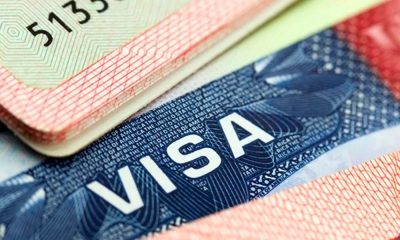
U.S. to Limit Visa Duration for Foreign Students and Journalists
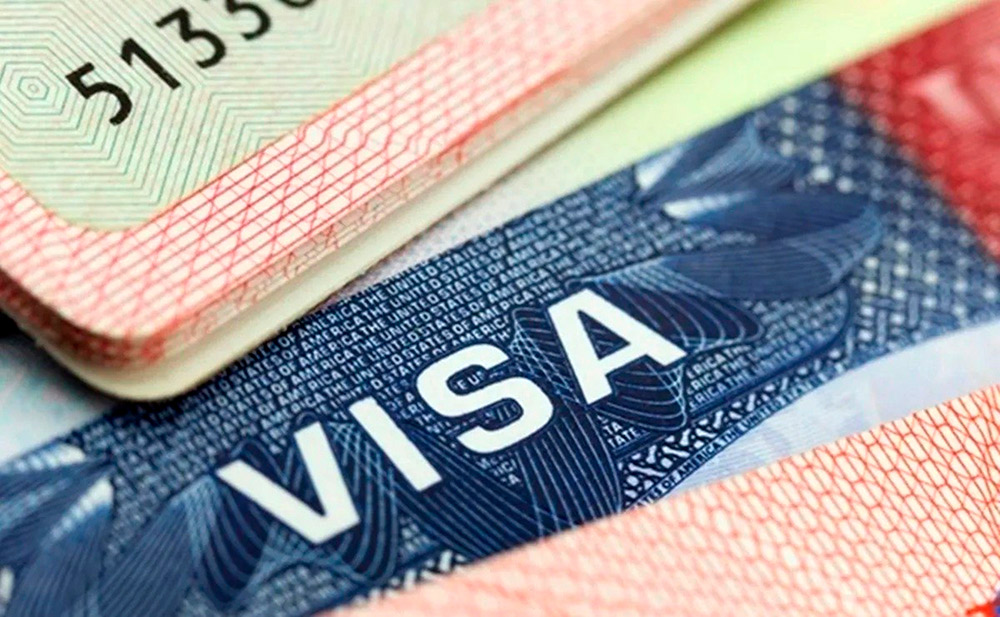
The United States has announced new limits on the legal length of stay for foreign students and journalists, marking the latest tightening of immigration policies under President Donald Trump.
The changes, outlined in an administrative rule published on Thursday, are expected to take effect in September, unless Congress blocks the measure.
Under the new policy, holders of student visas will be allowed to remain in the United States for no more than four years.
Foreign journalists will be limited to 240-day stays—approximately eight months—with the possibility of applying for extensions of the same duration.
The policy imposes even stricter rules on Chinese journalists, whose visas will be capped at 90 days.
More than 100 international news organizations and press freedom groups, including Agence France-Presse (AFP), criticized the measure in an open letter, arguing that it would reduce both the quantity and quality of international coverage of events in the United States.
The Republican Party, led by President Trump, currently holds a majority in Congress and has pledged to curb both illegal immigration and certain forms of legal immigration.
Previously, the United States generally issued student visas for the full duration of an academic program, while foreign journalists could receive visas valid for up to five years.
Central America
Nicaragua Cuts Diplomatic Ties With Italy Over Red Brigades Dispute

The Nicaraguan government announced on Thursday that it is severing diplomatic relations with Italy following criticism from the Italian government over Nicaragua’s long-standing decision to shelter Alessio Casimirri, a former member of the Red Brigades convicted in Italy for the 1978 kidnapping and murder of former Prime Minister Aldo Moro.
Italian Foreign Minister Antonio Tajani criticized the administration of co-presidents Daniel Ortega and Rosario Murillo on Wednesday for continuing to provide refuge to Casimirri, who was sentenced in Italy to six life terms for his role in Moro’s abduction and killing.
In a statement issued Thursday, Nicaragua’s Foreign Ministry said it was ending all diplomatic relations with Italy, describing Tajani’s remarks as “unjustified, aggressive, and irresponsible.”
Tajani made the comments during a gathering of conservative leaders from Europe and Latin America held in Madrid.
“We have absolutely nothing in common with the positions of extremist governments such as Nicaragua, a country that continues to harbor dangerous Red Brigades terrorists like Alessio Casimirri,” Tajani said, according to Italian media.
The diplomatic break marks a new escalation in tensions between the two countries over the decades-old case involving Casimirri, who has lived in Nicaragua for many years despite repeated calls from Italy for his extradition.
International
U.S. Strikes Hit Areas Near Strait of Hormuz as Tensions With Iran Escalate
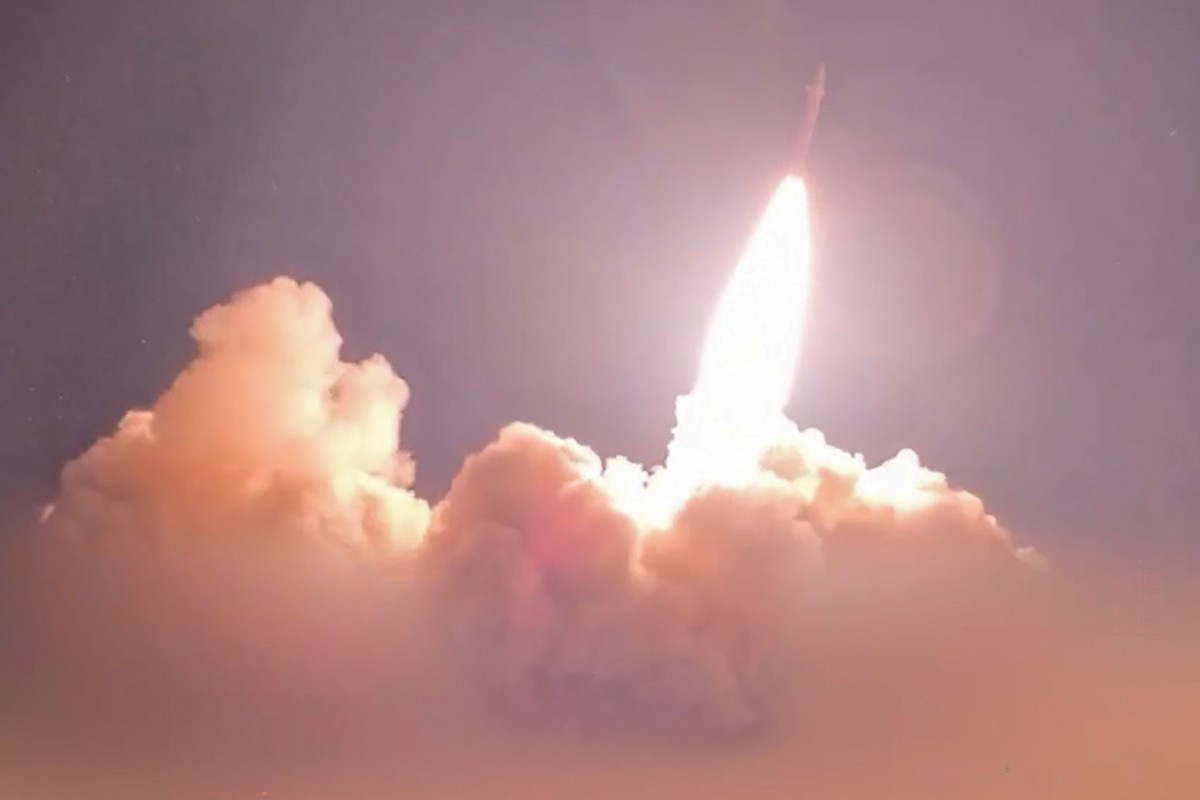
Several U.S. strikes targeted areas near the Strait of Hormuz on Thursday, according to Iranian state media citing local authorities, as hostilities between the United States and Iran intensified.
Officials in Iran’s Hormozgan Province said the island of Qeshm was struck multiple times by what they described as U.S. missiles during the evening. The reports were carried by the Iranian news agencies Fars and Tasnim.
Iranian state television also reported that the Bandar Abbas region, located on the Iranian coast overlooking the Strait of Hormuz, was the target of what authorities described as an “enemy U.S. air attack.”
According to local officials quoted by state television, no casualties have been reported following the strikes.
The reported attacks come amid renewed military tensions between Washington and Tehran, although U.S. authorities had not immediately commented on the reported operations.

U.S. to Limit Visa Duration for Foreign Students and Journalists

Nicaragua Cuts Diplomatic Ties With Italy Over Red Brigades Dispute

U.S. Strikes Hit Areas Near Strait of Hormuz as Tensions With Iran Escalate
Tec de Monterrey honors one of its students for his contribution to nanotechnology in medicine

Defense Minister commends salvadoran soldier for Central American Cross Country victory

Extension of the state of emergency approved in southern Chile
-

 International4 days ago
ICE reverses course and moves forward with New Jersey migrant detention facility project
-
 International20 hours ago
U.S. Strikes Hit Areas Near Strait of Hormuz as Tensions With Iran Escalate
-

 International4 days ago
Judge rules Trump’s IRS lawsuit was a “bad faith” attempt to manipulate the judicial process
-
 International4 days ago
Marco Rubio launches U.S. campaign to “dismantle” the International Criminal Court
-

 International3 days ago
France Holds Largest Bastille Day Military Parade as Europe Highlights Strategic Defense
-
 International3 days ago
President Noboa Declares New Security Strategy as Ecuador Faces Record Violence Levels
-
 International3 days ago
Foreign Medical Teams Race to Prevent Health Crisis in Venezuela Earthquake Camps
-
 International5 days ago
Venezuela Earthquake Death Toll Rises to 4,490 as Rescue Efforts Continue
-

 International2 days ago
Latin Music Stars Unite in Miami to Raise Aid for Victims of Venezuela’s Devastating Earthquake
-
 International19 hours ago
U.S. to Limit Visa Duration for Foreign Students and Journalists
-
 International2 days ago
Trump Administration Seeks Global Action Against “Resurgent” Left-Wing Terrorism
-
 International20 hours ago
El Salvador Sends Eighth Humanitarian Flight to Earthquake-Hit Venezuela
-
 Central America19 hours ago
Nicaragua Cuts Diplomatic Ties With Italy Over Red Brigades Dispute