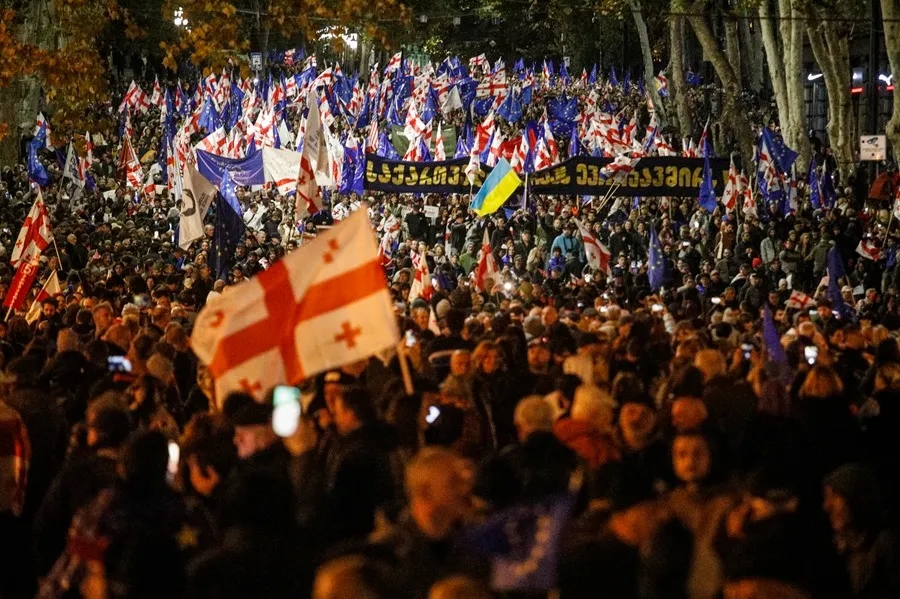
Thousands of Georgians marched today in Tbilisi in favor of the European future of the country six days before parliamentary elections, which President Salomé Zurabishvili sees as an election between the EU and Russia.
Under the slogan “Georgia chooses the EU” the supporters of rapprochement with Europe met in five points of the capital from where they marched in a column towards the Plaza de la Libertad, where they sang the anthems of the Caucasian country and the EU.
The action, called by non-governmental organizations and opposition parties, was also attended by the Georgian president.
From the largest opposition party, the United National Movement (UNM), they warned the Government that the people “will not give up their European future.”
European future
“This action is the last warning to the honorary president of the ruling Georgian Dream, Bidzina Ivanishvili, that the Georgian people will not give up their European future,” said MNU President Tinatin Bokuchava.
Advertisement
20260101_dengue_cubeta_728x90
20260101_dengue_barril_728x90
20260101_dengue_llanta_728x90
20260101_dengue_pileta_728x90
20260224_estafa_mh_728x90
20260212_constancia_pagos_mh_728x90
20250901_vacunacion_vsr-728x90
20250901_minsal_tetra_-728x90
20250701_vacunacion-influenza-728x90
20250701_vacunacion_vph-728x90
20250715_donacion_sangre_central_728x90
20231124_etesal_728x90_1
20230601_agenda_primera_infancia_728X90
domfuturo_netview-728x90
20240604_dom_728x90
CEL
Meanwhile, Zurabishvili asked the attendees to demonstrate the will to “return to the country freedom, independence and a European future.”
Participants in the demonstration said that it is a “rehearsal of the electoral victory of the opposition,” while the Georgian Dream, which has ruled Georgia since 2012, assures that it will obtain about 60 percent of the support, after which it will re-establish relations with the West.
Relations with the Kremlin
The Caucasian country has significantly improved its relations with the Kremlin coinciding with the war in Ukraine, which has dramatically worsened its ties with the United States and the European Union.
After the Georgian Parliament passed the Foreign Influence Transparency Act in May of this year, which the Georgian opposition considers similar to the one approved in Russia to suppress civil society, the European Union, the United States and the United Kingdom froze cooperation programs with Georgia.
In addition, Brussels and Washington also criticized the Georgian Parliament last September for approving another document that prohibits, as in Russia, information regarding homosexuality.
Heat wave puts more than 70 million Americans under alerts as temperatures near 46°C
More than 70 million people remained under heat alerts Monday as an intense heat wave continued across the southern United States, particularly Florida and states along the Mexican border, where temperatures and heat indexes could reach as high as 46 degrees Celsius, according to the National Weather Service (NWS).
Several cities recorded or tied temperature records over the weekend and into Monday, including Miami and Fort Lauderdale in Florida; Laredo, Borger and Austin’s airport in Texas; Atlanta, Georgia; Raleigh and Charlotte, North Carolina; and Memphis, Tennessee.
The NWS warned that the heat wave will continue affecting the southern and southeastern United States, with maximum temperatures expected to remain near 38°C to 40°C for several days. The heat index, which combines temperature and humidity to estimate how hot conditions feel, could reach 46°C.
The extreme heat is also spreading into the Southwest, where temperatures began rising again between Monday and Tuesday. Forecast highs in the region range from about 38°C to 43°C.
Heat alerts remain in effect across Nevada, Arizona and California, including areas in southern Arizona and California near the Mexican border, as authorities warn of the risks posed by prolonged extreme temperatures.
Advertisement
20260101_dengue_cubeta_728x90
20260101_dengue_barril_728x90
20260101_dengue_llanta_728x90
20260101_dengue_pileta_728x90
20260224_estafa_mh_728x90
20260212_constancia_pagos_mh_728x90
20250901_vacunacion_vsr-728x90
20250901_minsal_tetra_-728x90
20250701_vacunacion-influenza-728x90
20250701_vacunacion_vph-728x90
20250715_donacion_sangre_central_728x90
20231124_etesal_728x90_1
20230601_agenda_primera_infancia_728X90
domfuturo_netview-728x90
20240604_dom_728x90
CEL
The NWS urged residents to limit outdoor activity, stay hydrated, ensure access to air conditioning or cooling centers, and check on vulnerable friends, neighbors and family members.
The United States is experiencing a summer marked by above-average temperatures and repeated heat waves. One of the most intense episodes occurred during the July 4 weekend, when extreme heat was blamed for roughly 30 deaths.
July was the hottest month ever recorded in the United States since measurements began, with the average temperature across the contiguous country approaching 25°C, according to the National Oceanic and Atmospheric Administration (NOAA).
The combination of extreme heat and drought conditions has also fueled wildfires. Nearly 3 million hectares have burned across the country so far in 2026, making it the largest area affected by wildfires in a decade.
Trump warns Iran over nuclear ambitions as U.S.-Iran ceasefire deadline passes
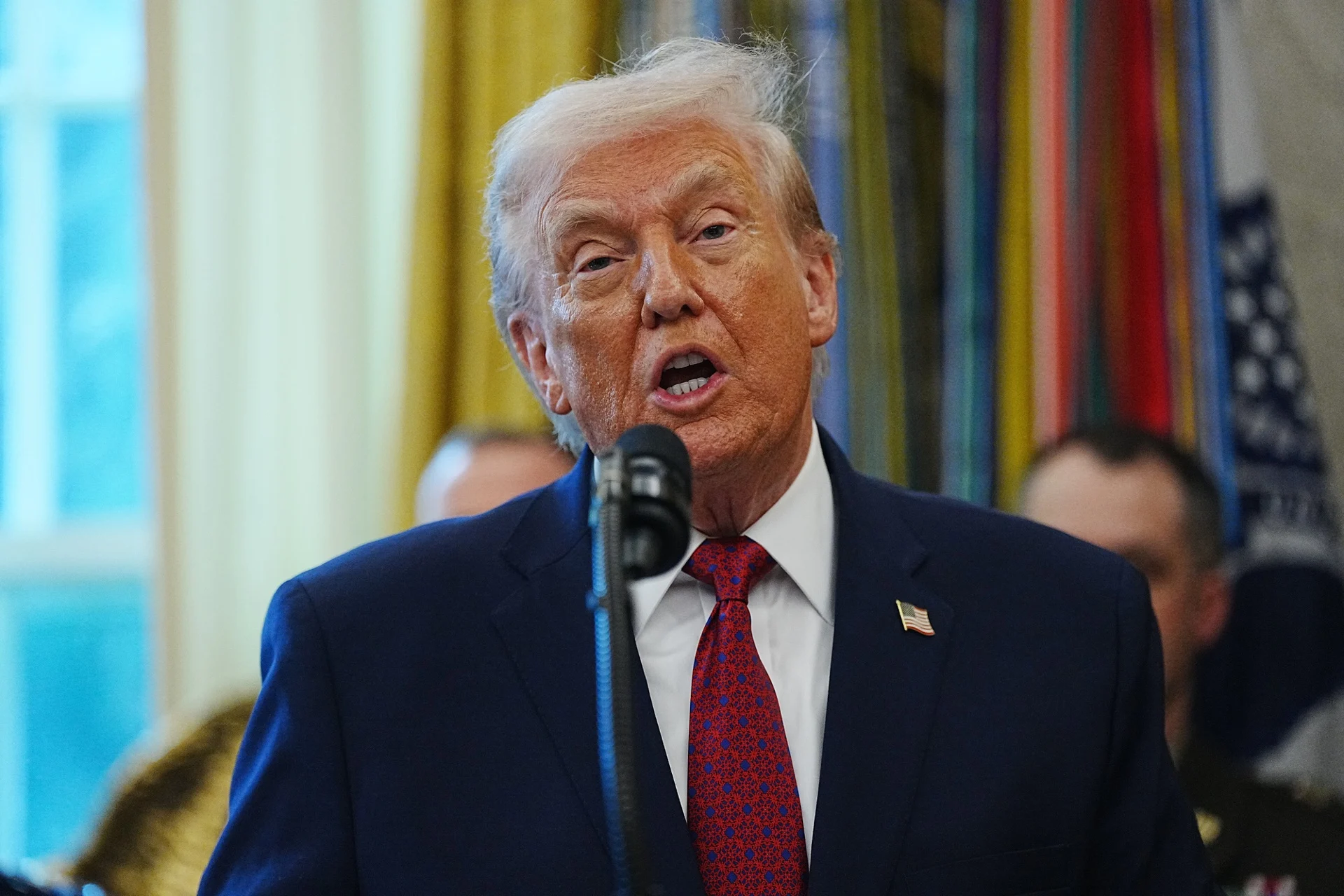
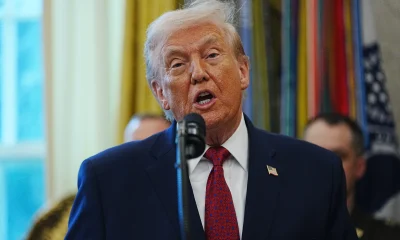
U.S. President Donald Trump reiterated Monday that Iran must never be allowed to obtain a nuclear weapon, as a 60-day deadline set under a memorandum of understanding between Washington and Tehran expired without an agreement to end the conflict in the Middle East.
“The number one goal is, and always will be, that Iran cannot have, in any way or under any circumstances, a nuclear weapon,” Trump wrote in a post on his Truth Social platform.
The memorandum, signed on June 17, called for an “immediate and permanent cessation of military operations on all fronts” as part of a broader negotiation process aimed at ending the conflict. However, the deadline expired Monday without a peace agreement, while both Washington and Tehran continued to maintain their respective positions.
The expiration is largely symbolic, as military clashes resumed during the 60-day period. The Strait of Hormuz also remains blocked, contributing to elevated global oil prices.
Trump escalated his rhetoric toward Tehran last Friday, saying he planned to declare the Strait of Hormuz U.S. territory after defeating Iran.
Advertisement
20260101_dengue_cubeta_728x90
20260101_dengue_barril_728x90
20260101_dengue_llanta_728x90
20260101_dengue_pileta_728x90
20260224_estafa_mh_728x90
20260212_constancia_pagos_mh_728x90
20250901_vacunacion_vsr-728x90
20250901_minsal_tetra_-728x90
20250701_vacunacion-influenza-728x90
20250701_vacunacion_vph-728x90
20250715_donacion_sangre_central_728x90
20231124_etesal_728x90_1
20230601_agenda_primera_infancia_728X90
domfuturo_netview-728x90
20240604_dom_728x90
CEL
“After we finish defeating Iran, which is being very badly defeated, very soon I will essentially declare the Strait of Hormuz U.S. territory,” Trump said during a political rally in Long Island, New York. He also claimed that the United States currently controls the passage of vessels through the strategic waterway.
Meanwhile, U.S. Treasury Secretary Scott Bessent said Washington is preparing additional economic measures against Iran that he described as unprecedented.
“Stay tuned for new announcements next week because we are going to implement measures unlike anything ever seen in the history of the economic isolation of a country,” Bessent said.
The Treasury secretary indicated that the measures would form part of a broader “double hit” strategy that could also involve maintaining the blockade of Iranian ports.
Brazil’s Lula and Flávio Bolsonaro kick off election campaigns amid focus on crime
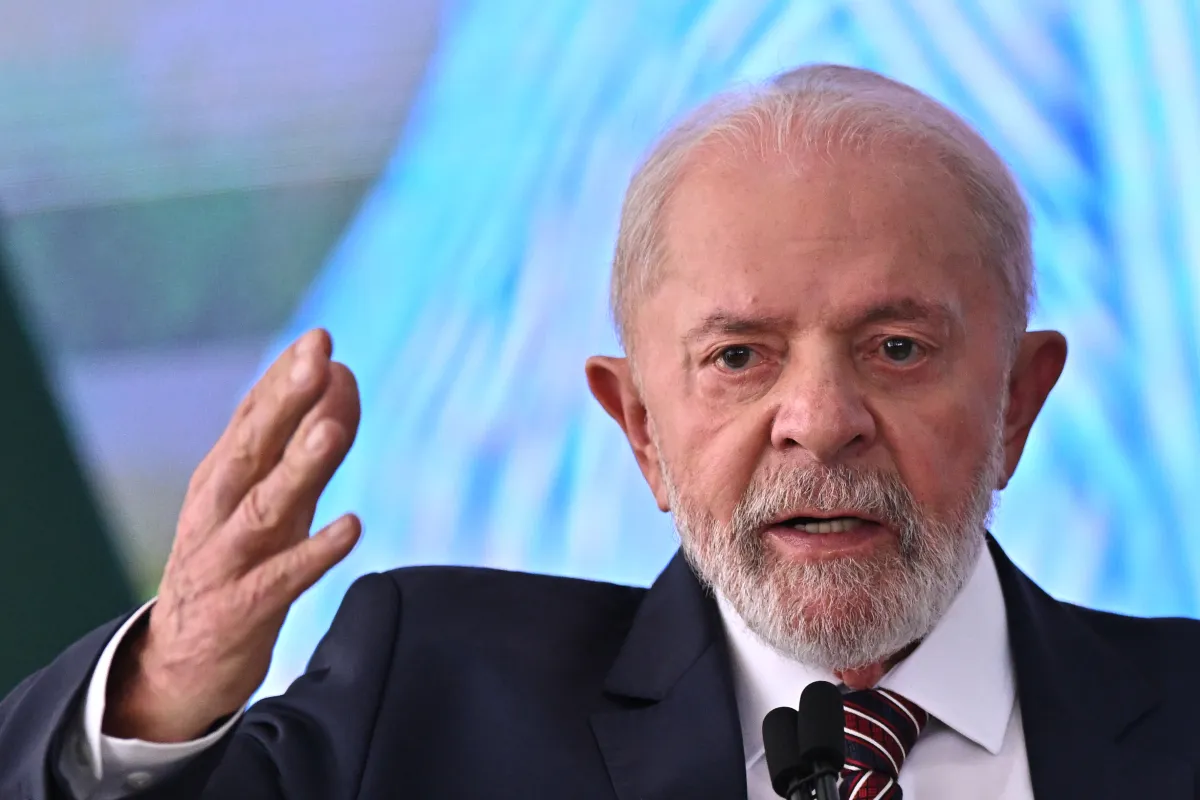
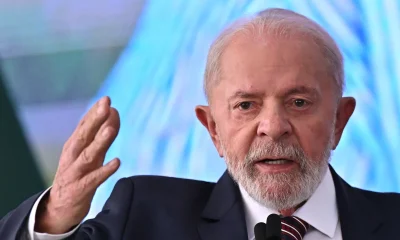
Public security took center stage Sunday as Brazilian President Luiz Inácio Lula da Silva and Senator Flávio Bolsonaro formally launched their election campaigns, positioning themselves as the leading rivals ahead of the October presidential vote.
Lula, who leads most opinion polls, kicked off his campaign at the Vila Euclides stadium in São Bernardo do Campo, in São Paulo state, while Bolsonaro held his event in Rio de Janeiro, a political stronghold of his family.
During his speech, Lula announced plans to create a new Ministry of Public Security aimed at strengthening coordination between the federal government and Brazil’s states in the fight against crime.
The president pledged a tougher strategy to reclaim territories controlled or influenced by criminal groups. The proposed ministry would help “share responsibilities with the states” and confront those who seek to control favelas and impoverished neighborhoods, Lula told supporters.
The initiative places public security at the heart of Lula’s campaign as he seeks another term in office amid persistent concerns over crime and organized criminal activity in Brazil.
Advertisement
20260101_dengue_cubeta_728x90
20260101_dengue_barril_728x90
20260101_dengue_llanta_728x90
20260101_dengue_pileta_728x90
20260224_estafa_mh_728x90
20260212_constancia_pagos_mh_728x90
20250901_vacunacion_vsr-728x90
20250901_minsal_tetra_-728x90
20250701_vacunacion-influenza-728x90
20250701_vacunacion_vph-728x90
20250715_donacion_sangre_central_728x90
20231124_etesal_728x90_1
20230601_agenda_primera_infancia_728X90
domfuturo_netview-728x90
20240604_dom_728x90
CEL
Lula also used his first campaign speech to reinforce his position as a leading figure of Brazil’s left and to criticize his political opponents on the right.
“I will not allow the right to take power,” Lula said, accusing his opponents of having previously mocked children who died because they lacked access to medicine.
“I don’t know what future these people imagine for the Brazilian people,” he added.