
International
Experts highlight role of public sector in advancing technology in Central America at EFE Forum
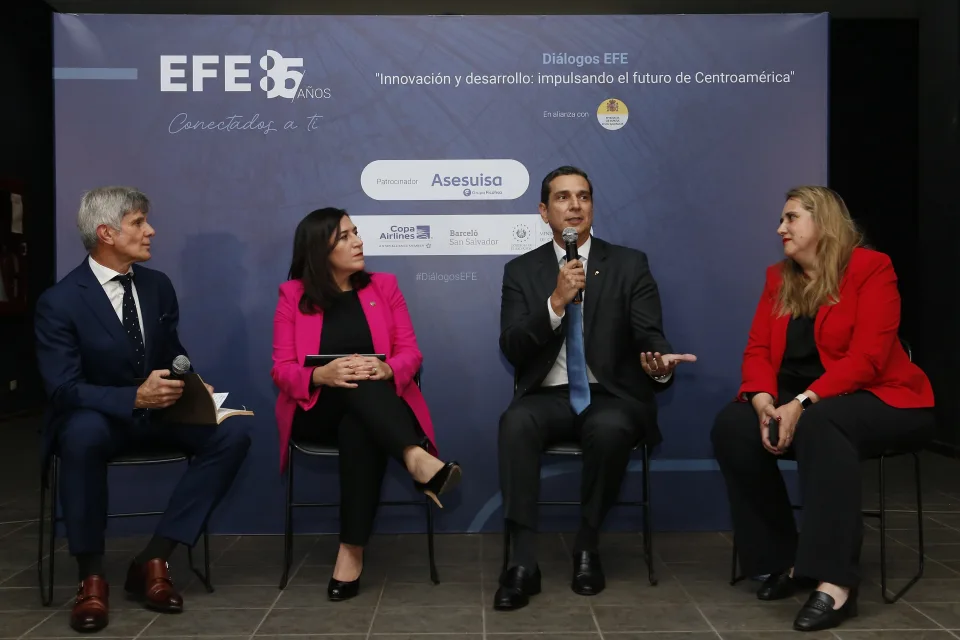
Representatives from the business sector, multilateral organizations, and the Government of El Salvador highlighted on Wednesday, during a forum organized by EFE for its 85th anniversary, the importance of the public sector in advancing technology in Central America, particularly in areas such as health, education, and the climate crisis.
Under the theme ‘Innovation and Development: Driving the Future in Central America,’ the forum held in San Salvador brought together the Minister of Economy, María Luisa Hayem, the CEO of Asesuisa, Ficohsa Group, Enzo Bizzarro, and the country representative of the Inter-American Development Bank (IDB), Olga Gómez.
According to Hayem, the Central American region has a “window of opportunity” in integrating its innovation ecosystems to achieve greater multilateral investment.
“The greater the impact of these projects, not just from El Salvador, but from El Salvador, Guatemala, Honduras, and Costa Rica, the more we will attract the attention of investment funds,” said the Salvadoran official.
She noted that this conversation has already begun, at least with the Ministry of Economy of Guatemala.









For her part, Gómez pointed out that “disruptive technologies represent a significant opportunity for El Salvador and the region” by creating new opportunities.
She emphasized that these advances have important applications in health, education, businesses, and addressing the climate crisis.
“All these disruptive technologies will allow us better access to education, identify knowledge gaps, (…) and lead to major transformations,” she said.
The IDB representative added that “this is a revolution here to stay” and believes “the public sector’s role is crucial” in creating the necessary conditions.






International
Mexico, Brazil and Colombia left out of Trump’s “Shield of the Americas” summit
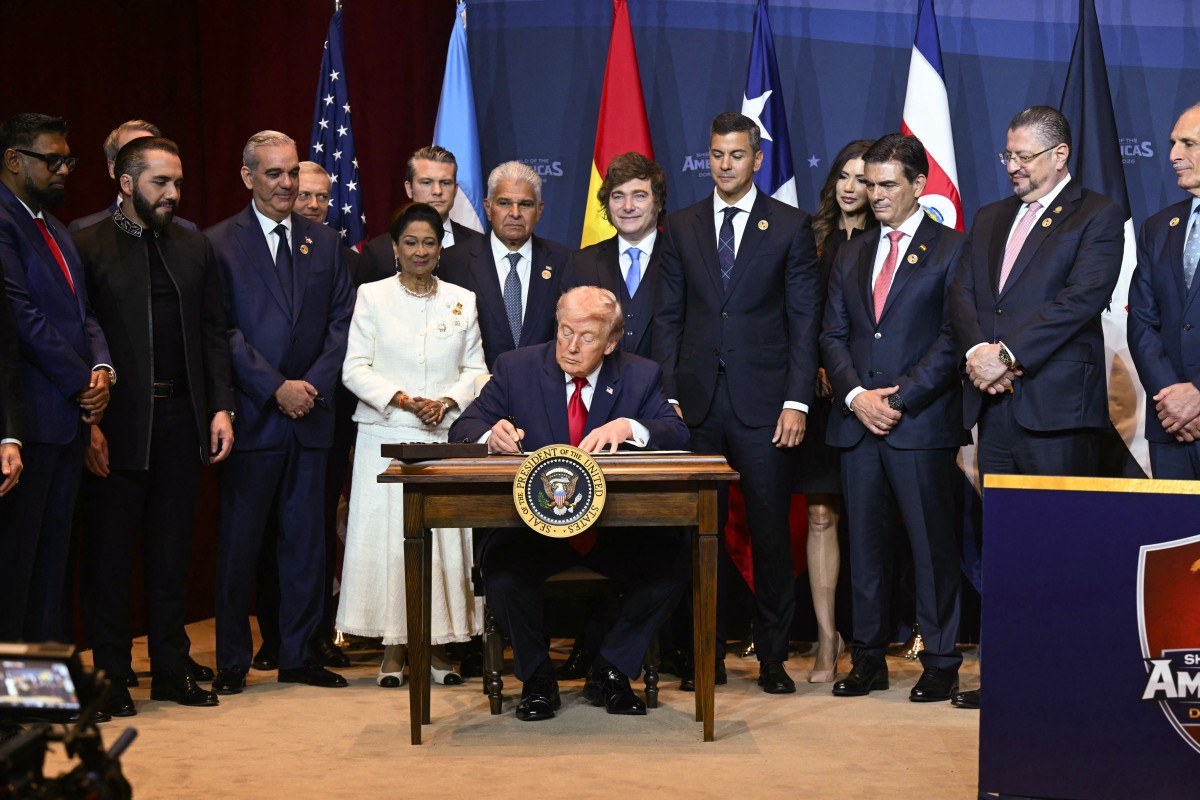
Left-wing governments in Latin America, including Mexico, Brazil and Colombia, were excluded from the “Shield of the Americas” summit convened by U.S. President Donald Trump.
The meeting, held in Miami, Florida, brought together 12 presidents from across the continent to discuss strategies to combat drug cartels and organized crime.
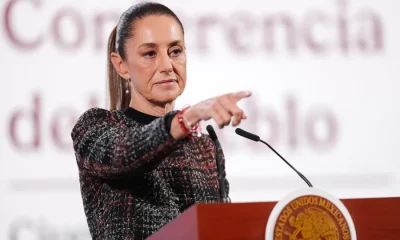
In Mexico’s case, President Claudia Sheinbaum had recently rejected the use of military force as a solution to the drug trafficking problem. She has argued that her administration’s security strategy is producing results and emphasized that force alone is not the answer.
During the summit, Trump said that most narcotics entering the United States come through Mexico and referred to his previous conversations with Sheinbaum on the issue.
“I like the president very much, she’s a very good person,” Trump said. “But I told her: ‘Let me eradicate the cartels.’ And she said, ‘No, no, no, please, president.’ We have to eradicate them. We have to finish them.”
The remarks highlighted ongoing differences between Washington and Mexico over how to confront drug trafficking networks operating across the region.
International
Trump announces 17-nation alliance in the Americas to “destroy” drug cartels
U.S. President Donald Trump announced on Saturday the creation of a 17-nation alliance across the Americas aimed at dismantling drug cartels, during a regional summit held at his golf club in Doral.
Speaking to a group of allied leaders at the Shield of the Americas Summit, Trump said the initiative would rely on military force to eliminate powerful criminal networks operating throughout the hemisphere.
“The heart of our agreement is the commitment to use lethal military force to destroy these sinister cartels and terrorist networks. Once and for all, we will put an end to them,” Trump told the assembled heads of state.
The Republican leader argued that large portions of territory in the Western Hemisphere have fallen under the control of transnational gangs and pledged U.S. support to governments seeking to confront them. He even suggested the potential use of highly precise missiles against cartel leaders.
Before making the announcement, Trump greeted the roughly twelve leaders attending the summit, including close allies such as Javier Milei, Daniel Noboa and Nayib Bukele, whom he described as a “great president.”
The meeting forms part of Trump’s broader regional strategy inspired by his reinterpretation of the Monroe Doctrine, which seeks to reinforce Washington’s influence in the Americas, strengthen security cooperation and counter the growing presence of powers such as China.
Trump pointed to recent U.S. actions in the region as examples of his administration’s approach, including the operation that led to the capture of former Venezuelan president Nicolás Maduro earlier this year.
The summit also takes place amid escalating international tensions following the conflict launched last week by the United States and Israel against Iran.
International
Trump replaces Homeland Security Secretary Kristi Noem with Senator Markwayne Mullin
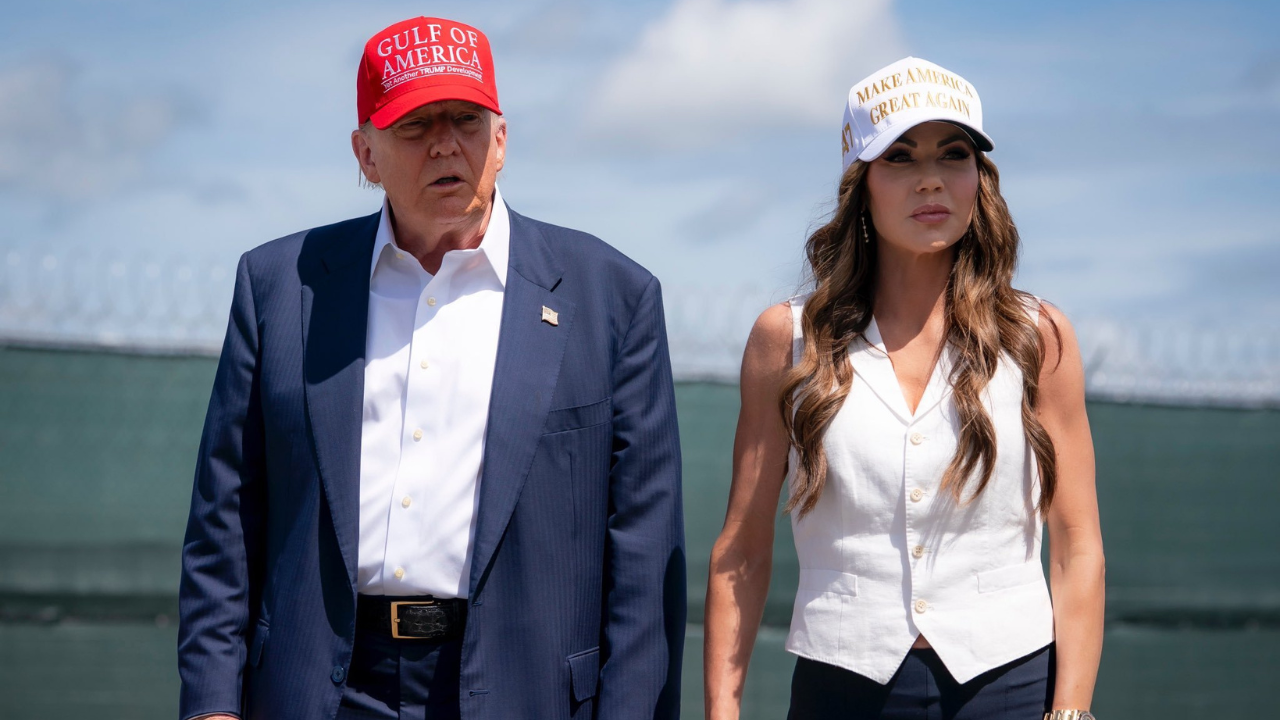
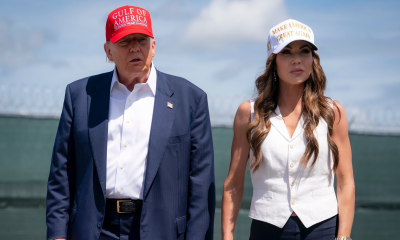
U.S. President Donald Trump announced Thursday the departure of Kristi Noem as Secretary of Homeland Security, one of the key architects of the administration’s policy of deporting undocumented immigrants.
Noem, who has been assigned a new role as a “special envoy” to Latin America, will be replaced starting March 31 by Republican Senator Markwayne Mullin, the president said in a message posted on his social media platform Truth Social.
According to media reports, Trump made the decision after Noem’s recent hearings in Congress, during which she faced tough questions regarding the awarding of a major public contract.

Mexico, Brazil and Colombia left out of Trump’s “Shield of the Americas” summit
Trump announces 17-nation alliance in the Americas to “destroy” drug cartels

Trump replaces Homeland Security Secretary Kristi Noem with Senator Markwayne Mullin
Tec de Monterrey honors one of its students for his contribution to nanotechnology in medicine

Defense Minister commends salvadoran soldier for Central American Cross Country victory

Extension of the state of emergency approved in southern Chile
-
 International3 days ago
Trump announces 17-nation alliance in the Americas to “destroy” drug cartels
-
 International4 days ago
Young Woman Will Represent Mexico at 2026 World Cup Opener, Says President Sheinbaum
-
International2 days ago
Mexico, Brazil and Colombia left out of Trump’s “Shield of the Americas” summit
-
 International4 days ago
Trump replaces Homeland Security Secretary Kristi Noem with Senator Markwayne Mullin