
International
Harris and Trump commemorate the anniversary of the attack on Israel with symbolic acts
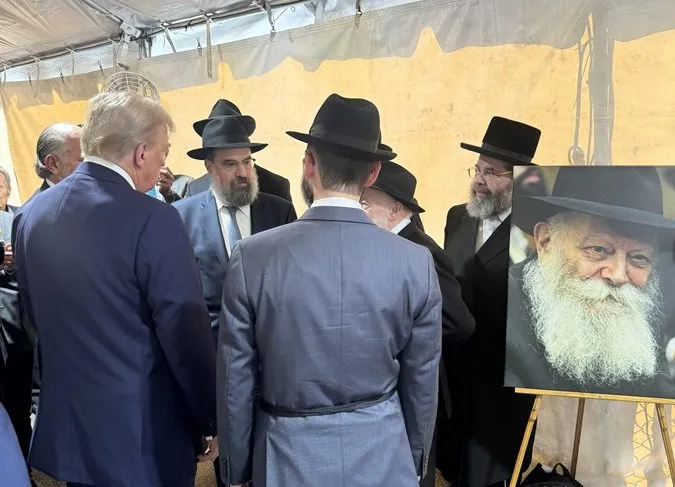
US Vice President Kamala Harris planted a pomegranate in her official residence on Monday, while Former President Donald Trump visited the grave of a prominent rabbi in New York, in acts of great symbolic content to commemorate the first anniversary of Hamas’ attack against Israel.
Both candidates sought to give a solemn air to the day with gestures that reaffirmed their commitment to Israel and, although they tried to maintain an institutional tone, the ceremonies acquired a clear political dimension less than a month before the November 5 elections.
“Today we plant a pomegranate in this garden because, in Judaism, it is a symbol of hope and virtue,” Harris said in statements to the press, in which she said she felt “devastated by the pain and loss” caused a year ago by the Hamas attack, which left 1,200 dead and took 251 hostages.
Trump and Harris star in symbolic acts for Israel
Harris reaffirmed his commitment that he will “always” ensure that Israel has the means to defend itself, but also considered that the world must work to alleviate the “immense suffering” of the Palestinians of the Gaza Strip, who have experienced “so much pain and so much loss during this year.”
In addition, in response to questions from the press, he said that he will not “surrender” in attempts to reach an agreement between Israel and Hamas for a ceasefire in Gaza and the release of Israeli hostages.









The vice president, like US President Joe Biden, has reiterated her support for Israel at all times, but has spoken with a firmer language about the suffering in the Gaza Strip, where the Israeli offensive has already left more than 41,900 fatalities.
Trump visits the grave of a key figure for Orthodox Jews
For his part, Trump visited in New York the grave of Rabbi Menachem Mendel Schneerson, a prominent figure of Orthodox Judaism who led the Jabad-Lubavitch movement for more than four decades until his death in 1994.
Known as the “Rebe of Lubavitch”, Schneerson was the seventh leader of this religious current and some considered him a messianic figure, although the Jabad movement has officially denied any interpretation in this regard.
With a black kippá on his head, Trump, who belongs to the Presbyterian Church, deposited a stone on the tombstone of Schneerson’s tomb, following a Jewish custom. In addition, in front of the cameras, he broke into pieces a small piece of paper on which he had apparently left a message for the rabbi and left it inside the mausoleum.
Trump did not make statements to the press at that event, but he will address the media this afternoon in Miami.
In a statement, Karoline Leavitt, one of the Republican spokespeople, reiterated that if the former president had been in the White House, the Hamas attacks “would never have happened.”
Biden lights a candle to honor the victims
Meanwhile, Biden and the first lady, Jill Biden, participated this Monday in a ceremony with a rabbi in which they lit a yahrzeit candle, used in Judaism to honor the memory of the deceased, and kept a moment of silence to remember the victims of Hamas.
The ceremony was officiated by Rabbi Aaron Alexander of the Adas Israel Congregation, a family friend of the American-Israeli Hersh Goldberg-Polin, who was taken hostage by Hamas and whose body was found at the end of August in a tunnel in Rafah, in the Gaza Strip.
Although Biden did not speak during the event, in the morning he issued a statement in which he reaffirmed his commitment to Israel’s right to defend itself after the Hamas attacks, while reiterating his government’s determination to achieve a ceasefire in Gaza that allows the release of the hostages.
Condolences from the United States
“We will not give up until we bring the hostages home,” he said in his statement.
In addition, Biden spoke on the phone on Monday with the President of Israel, Isaac Herzog, to express his condolences on the anniversary of the attack.
The president, however, did not call the Israeli Prime Minister, Benjamin Netanyahu, with whom he has not spoken since August 21 and with whom he maintains an increasingly tense relationship after the failed attempts of the United States to reach an agreement between Israel and Hamas that allows a ceasefire and release the hostages.






International
Mexican Navy Ships Deliver Third Shipment of Humanitarian Aid to Cuba
Two logistics support vessels from the Mexican Navy — the ARM Papaloapan and the ARM Huasteco — docked again on Friday in the bay of Havana carrying a third shipment of humanitarian aid for Cuba.
The vessels had previously arrived on the Caribbean island on February 28 with a second cargo that included 1,200 tons of food, sent to help alleviate the country’s ongoing crisis, which has worsened following the U.S. oil restrictions affecting fuel supplies to the island.
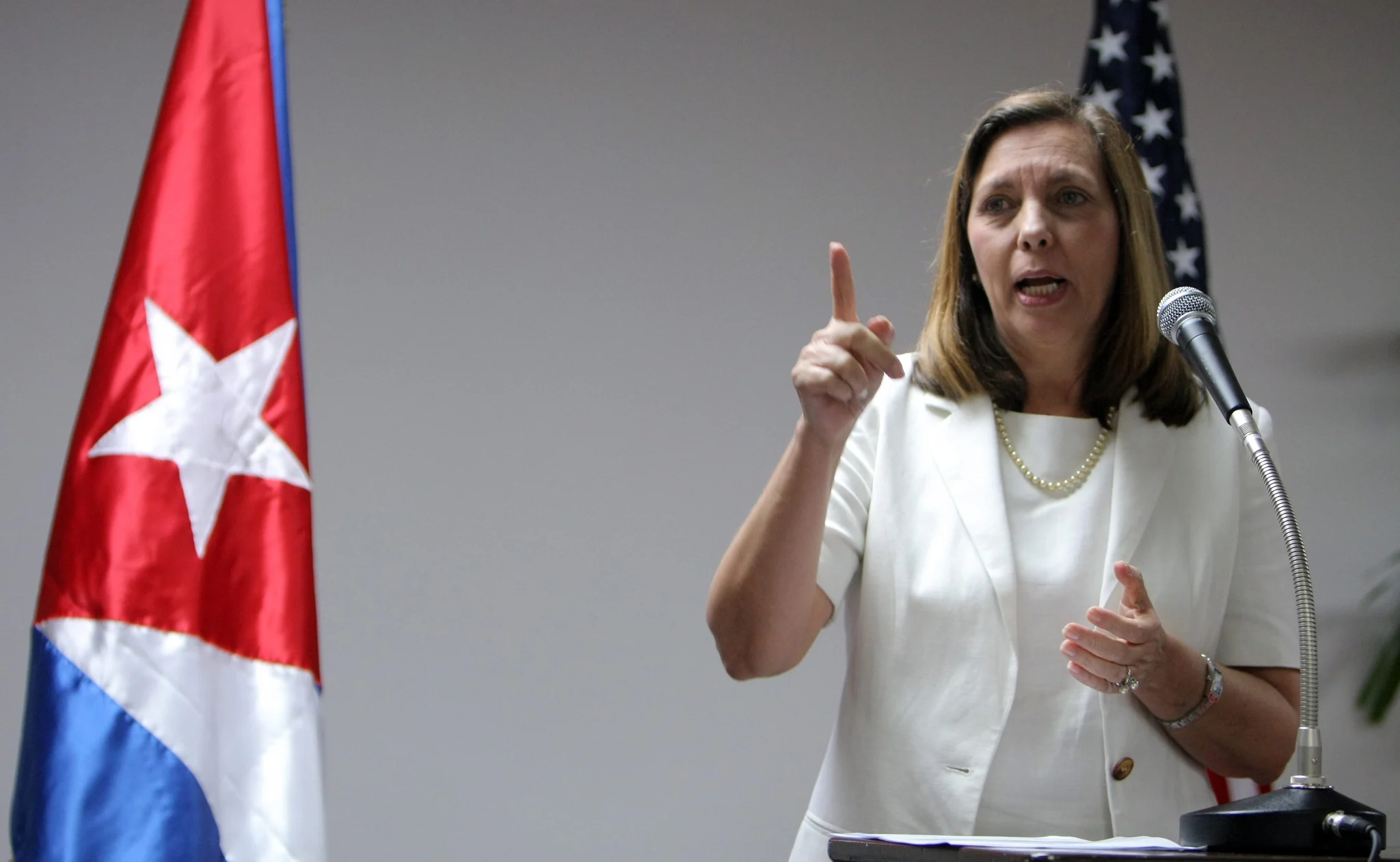
Cuba’s deputy foreign minister Josefina Vidal confirmed the new shipment in a social media post.
“Two ships carrying a third shipment of aid from the Government and the people of Mexico for the Cuban people are now arriving at the port of Havana. Thank you Mexico for your solidarity with Cuba,” she wrote.
Previous aid shipments
During the second shipment, the Papaloapan transported 1,078 tons of beans and powdered milk, while the Huastecocarried 92 tons of beans and 23 tons of assorted food products collected by social organizations with support from the government of Mexico City.
In recent months, Mexico has become the largest provider of humanitarian aid to Cuba, sending around 2,000 tons of supplies, mostly staple foods and hygiene products, in the two shipments prior to Friday’s delivery.
The first shipment alone included 814 tons of food.
Cuba praises Mexico’s support
Hours before the ships arrived, Cuban President Miguel Díaz-Canel highlighted Mexico’s support during a televised appearance, describing the country as “a friendly and brotherly nation that has shown tremendous solidarity,”particularly praising Mexican President Claudia Sheinbaum.
Díaz-Canel also addressed reports suggesting that Mexican donations were being resold in state-run stores, dismissing them as a “disinformation campaign” promoted by right-wing groups.
International
Ecuador Declares 60-Day National Emergency After Deadly Floods and Landslides

Ecuador has declared a 60-day national emergency to address the impact of a severe rainy season that has left 11 people dead and more than 50,000 affected since January, the government’s disaster management authority announced Friday.
Prolonged heavy rains accompanied by thunderstorms have caused river overflows and landslides, mainly in the coastal provinces of Guayas, El Oro, Esmeraldas, Los Ríos, Manabí and Santa Elena, as well as in the Andean provinces of Lojaand Chimborazo.
According to the Secretariat for Risk Management of Ecuador, the emergency declaration was issued “due to the level of impact caused nationwide on the population, the road network, infrastructure, and livelihoods.”
“The emergency declaration is aimed at responding to the effects and negative impacts and preventing their further spread,” the agency said in a statement.
International
Trump Pushes for Regime Change in Cuba as Havana Confirms Talks With Washington
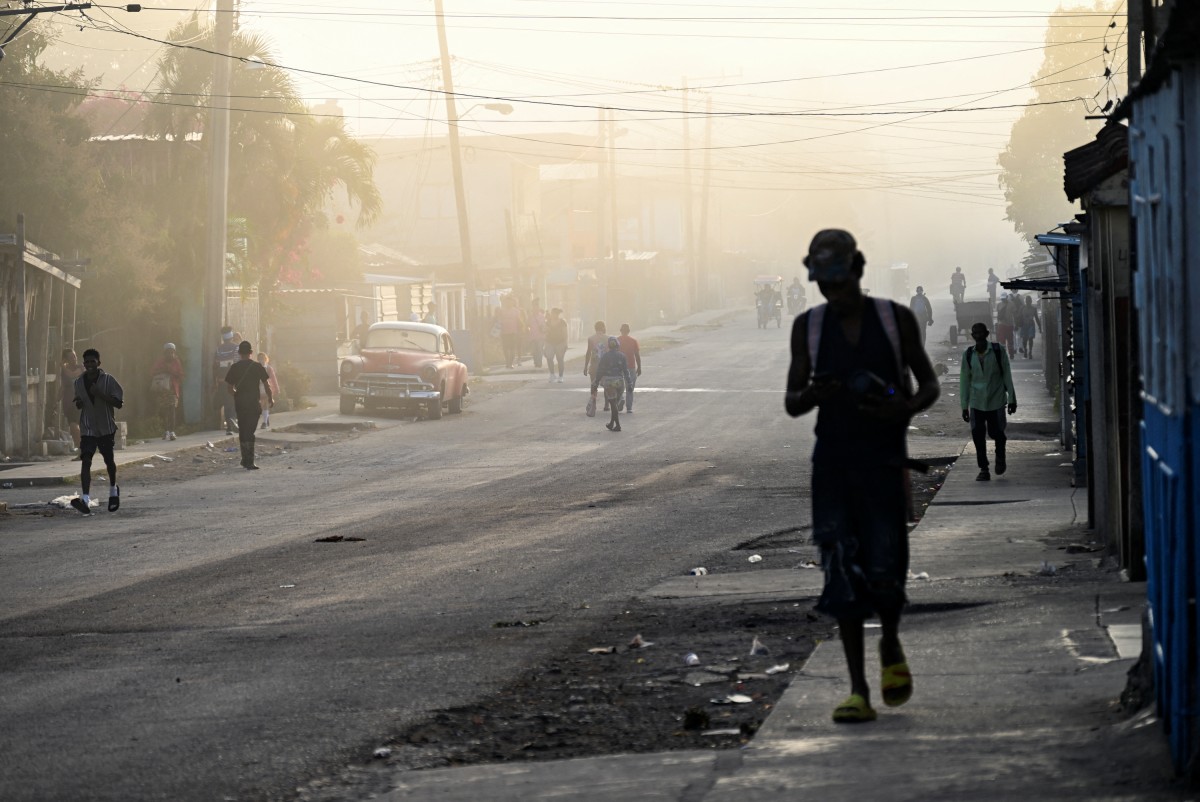
U.S. President Donald Trump has made no secret of his desire for political change in Cuba, located just 150 kilometers from the United States. Washington considers the island an “exceptional threat,” citing its close ties with Russia, Chinaand Iran, longtime allies of Havana.
Trump has urged Cuba to “reach a deal” with Washington or face consequences, as the island struggles with a severe energy crisis that has nearly paralyzed its economy after the United States cut oil shipments from Venezuela, its main fuel supplier. The U.S. has also warned other countries against selling fuel to Havana.
Cuban President Miguel Díaz-Canel confirmed that Cuban officials have recently held talks with representatives of the U.S. government. The statement came during a meeting with senior members of the ruling Communist Party of Cuba and the executive committee of the Council of Ministers, according to footage broadcast on Cuban television.
“These conversations have been aimed at seeking solutions through dialogue to the bilateral differences that exist between our two nations,” Díaz-Canel said.
Reports of intermediaries and possible negotiations
According to television images, among those attending the meeting was Raúl Guillermo Rodríguez Castro, grandson of former Cuban leader Raúl Castro. Although he holds no official government position, U.S. media have identified him as a possible interlocutor with U.S. Secretary of State Marco Rubio in what have been described as secret discussions between Washington and Havana.
For some Cubans, any potential agreement with Washington is viewed pragmatically. “As long as it benefits us, we can reach an agreement — but on our terms,” said Sergio Guerra, a 55-year-old agricultural vendor, speaking to AFP.
Díaz-Canel’s remarks confirm earlier statements by Trump, who indicated in January that his administration had already begun contacts with senior Cuban officials.
Mexico calls for diplomacy
Meanwhile, Mexico welcomed the possibility of dialogue after recently sending more than 2,000 tons of humanitarian aid to Cuba to help mitigate the crisis.
Mexican President Claudia Sheinbaum said her country would always promote peace and diplomatic dialogue, particularly in response to what she described as the long-standing injustice of the U.S. embargo on the Cuban people.

Mexican Navy Ships Deliver Third Shipment of Humanitarian Aid to Cuba

Ecuador Declares 60-Day National Emergency After Deadly Floods and Landslides

Trump Pushes for Regime Change in Cuba as Havana Confirms Talks With Washington
Tec de Monterrey honors one of its students for his contribution to nanotechnology in medicine

Defense Minister commends salvadoran soldier for Central American Cross Country victory

Extension of the state of emergency approved in southern Chile
-
 Central America4 days ago
Guatemala Remains in “Restricted” Press Freedom Category, Chapultepec Index Warns
-
 International16 hours ago
U.S. Confirms Death of Six Crew Members in KC-135 Crash in Western Iraq
-
 International1 day ago
Trump Says Iran Is Welcome at 2026 World Cup but Warns of Security Concerns
-
 International2 days ago
Iran issues threat to Trump as conflict escalates over Strait of Hormuz
-
 Central America4 days ago
UN Report Warns of Nicaragua’s “Transnational” Surveillance Network Targeting Dissidents
-
 International3 days ago
Trump Raises Possibility of “Friendly Takeover” of Cuba Amid Deepening Crisis
-

 International1 day ago
FBI Warns of Possible Iranian Drone Attack on U.S. West Coast
-
 International2 days ago
Driver detained after suspicious vehicle incident near the White House
-
 International16 hours ago
Ecuador Declares 60-Day National Emergency After Deadly Floods and Landslides
-
 International16 hours ago
Mexican Navy Ships Deliver Third Shipment of Humanitarian Aid to Cuba
-
 Sin categoría2 days ago
UN experts warn Nicaragua runs vast transnational network to monitor exiled dissidents
-
 Central America3 days ago
UN Rapporteur Warns of “Deep Crisis” in Guatemala’s Judicial System
-
 International16 hours ago
Trump Pushes for Regime Change in Cuba as Havana Confirms Talks With Washington
-
 Sin categoría1 day ago
FBI Most Wanted Fugitive Arrested in Mexico and Deported to U.S.