
International
One month for the Trump vs Harris: US begins the countdown with the prevailing uncertainty
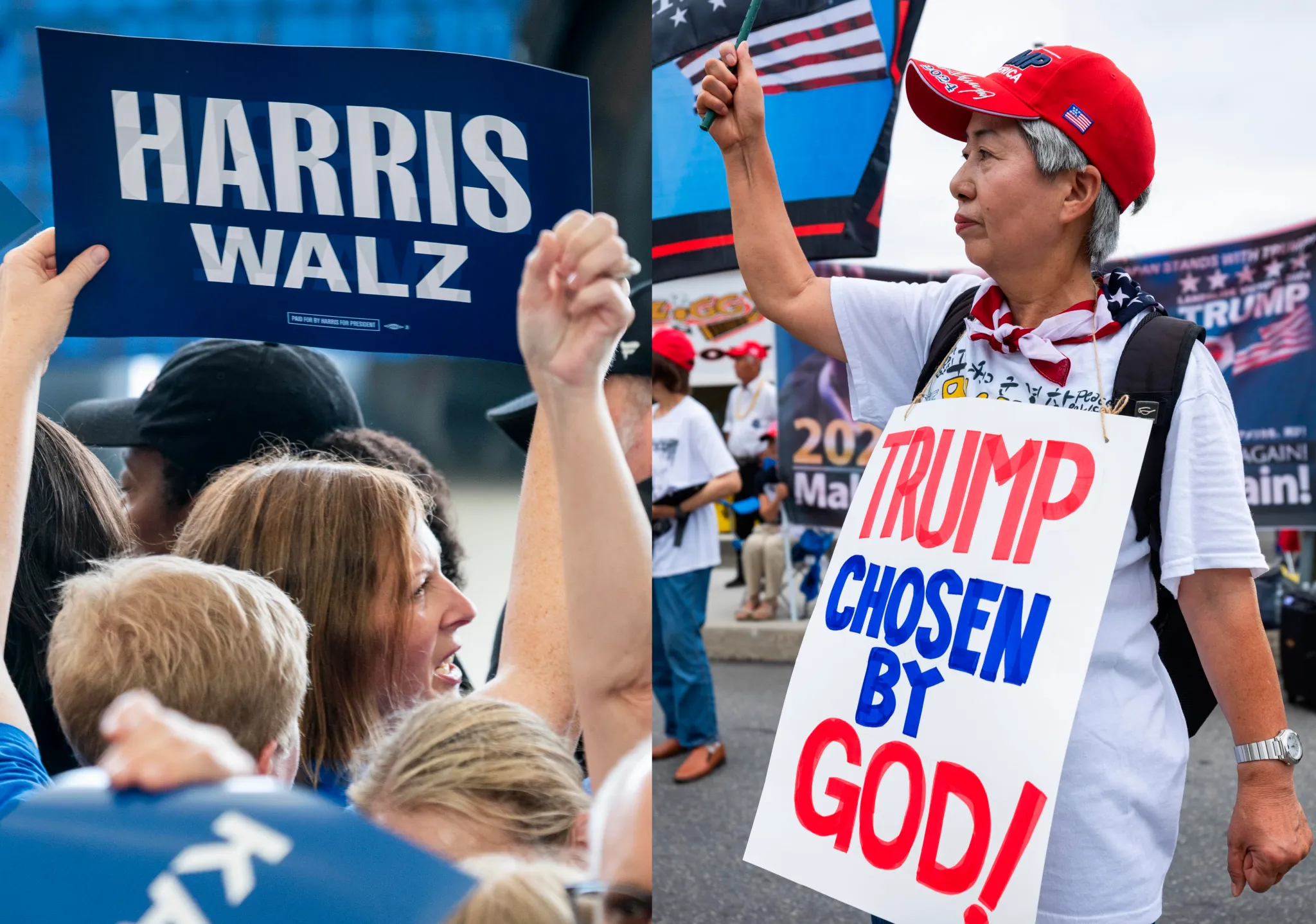
There is exactly one month left for the first Tuesday after the first Monday of November of this leap year, the day on which the United States traditionally celebrates its presidential elections, and uncertainty reigns on the horizon. With Kamala Harris slightly ahead of Donald Trump according to polls, the battle will be defined in the key states.
And it is on them that both candidates have focused their efforts in recent weeks and, presumably, they will do so during this month.
After passing through Georgia on Friday, one of the states affected by Hurricane Helene, this Saturday Trump visits Pennsylvania, the municipality of Butler, the place where on July 13 he was wounded in the ear by a gunshot in his first attempted attack.
And Harris, who broke into the campaign by surprise on July 21, after Joe Biden’s withdrawal, went to Michigan yesterday and today travels to North Carolina to receive information on the recovery tasks of the deadliest hurricane since Katrina in 2005, with more than two hundred deaths in the country.
These four, along with Arizona, Nevada and Wisconsin, are the key or hinged states, so tight their results will presumably be since their population is not of a marked political sign as happens in others such as California (democrat since the 90s) or Texas (republican since the 80s).









In electoral language they are known as the ‘battleground states’ and it is there that the candidates fight hardest, with face-to-face acts, advertising and interviews with local media.
Looking for votes in county by county
In a media conversation on Friday, the president of the Democratic National Committee, Jaime Harrison, said that the party has been “on the ground since the first days of this campaign,” talking “to all voters in all the disputed electoral districts.”
The training has “312 offices in the states in dispute” and the annual investment in the state parties has been increased by 25%.
According to political scientist David McCuan, a professor at Sonoma State University, of the 3,100 existing counties in the United States “approximately 15 or 20 are the most important for the outcome of the presidential elections.”
That’s why in the campaign the focus is on names like Northampton or Erie, in Pennsylvania, Maricopa in Arizona or Gwinnett and Fulton in Georgia. “These are county-by-county elections, not even state by state, to reach 270 electoral votes,” he told EFE.
And it is that in the United States citizens do not elect their president directly but through the 538 members of the Electoral College, who meet on a date after the elections to vote for the president based on what citizens choose at the polls.
Those 538 members are distributed proportionally according to the population among the 50 states and the District of Columbia and the most voted candidate takes all the voters, with the exception of Maine and Nebraska. To be president, one of the candidates must get 270 voters.
Polls show the close Trump-Harris battle in the elections
According to the FiveThirtyEight portal, which prepares an average among the polls for the elections, Harris is ahead of Trump by 48.4% compared to 45.9%, although in the key states the distance is much smaller.
An average of polls prepared by the New York Times gives victory to Harris in Pennsylvania (by less than one point), Nevada (1 point), Michigan (1 point) and Wisconsin (2 points). Meanwhile, Trump would achieve North Carolina (less than one point), Georgia (2 points) and Arizona (2 points).
For Lanae Erickson, political scientist at the Third Way think center, the level of participation will be key in these elections.
“In 2016 many people stayed at home because they did not believe that Trump could win and they were not really motivated by any of the candidates,” while in 2020 “the Democrats came out en masse,” he tells EFE.
There Harris has an advantage, because after Biden’s abandonment many citizens see her as “the agent of change” that will make them go out to vote.
For Aaron Kall, political scientist and author of the book “Debating The Donald,” this will be a month in which “campaigns will intensify their work in terms of travel, interviews with the media and rallies.”
“I think the sense of urgency is finally reaching the campaigns since there will be no more opportunities for debates,” because the former president has not accepted a second debate with the Democrat after the defeat he suffered in the first and only of his clashes.






International
Iran Reports 201 Dead, 747 Injured After U.S. and Israeli Strikes
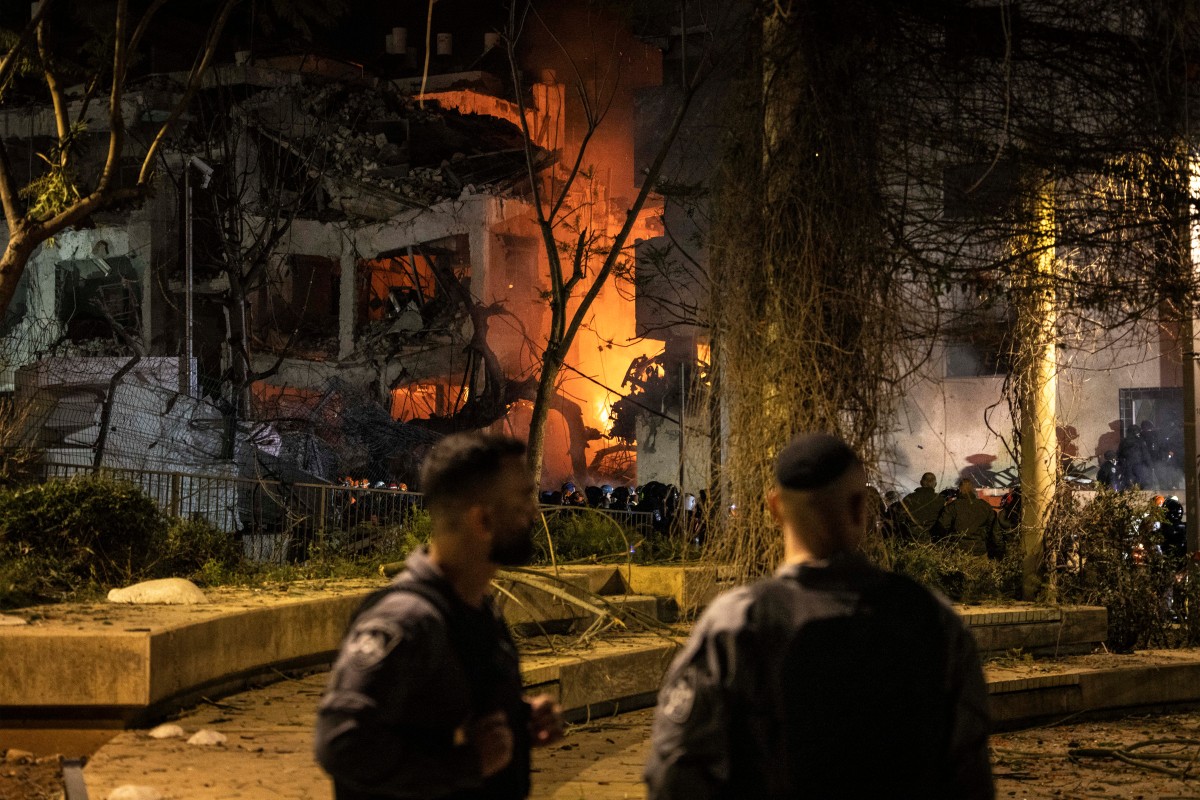
The Iranian Red Crescent Society reported Sunday night (local time) that at least 201 people were killed and 747 injured following attacks carried out by Israel and the United States against the Islamic Republic.
A spokesperson for the humanitarian organization said more than 220 rescue teams have been deployed across affected areas and that relief operations are continuing without interruption. The official highlighted the difficulty of treating the large number of wounded and the urgent need for additional resources in impacted provinces.
Out of Iran’s 31 provinces, 24 have reported damage, according to a statement carried by the Isna news agency. This marks the first overall casualty toll released by Iranian state-affiliated media since the launch of the offensive.
Among the dead are 85 schoolgirls from a school in the southern city of Minab, according to the country’s judiciary. “The number of martyrs at the Minab girls’ school has risen to 85,” the local prosecutor’s office said, as quoted by the judiciary’s website, Mizan Online.
Iranian President Masud Pezeshkian described the attack as a “savagery” that “constitutes a new black page in the record of countless crimes committed by the aggressors.”
Meanwhile, the international community continues to monitor the situation closely amid concerns about possible further reprisals and the broader impact on Middle East stability, energy markets, and global security.
AFP noted that it was unable to independently verify the casualty figures or the circumstances surrounding the events.
International
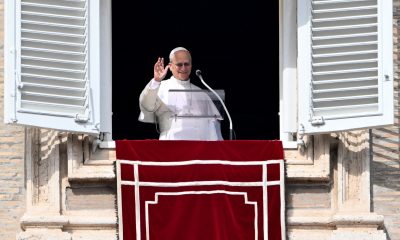
Pope Leo XIV Urges End to ‘Spiral of Violence’ in Middle East
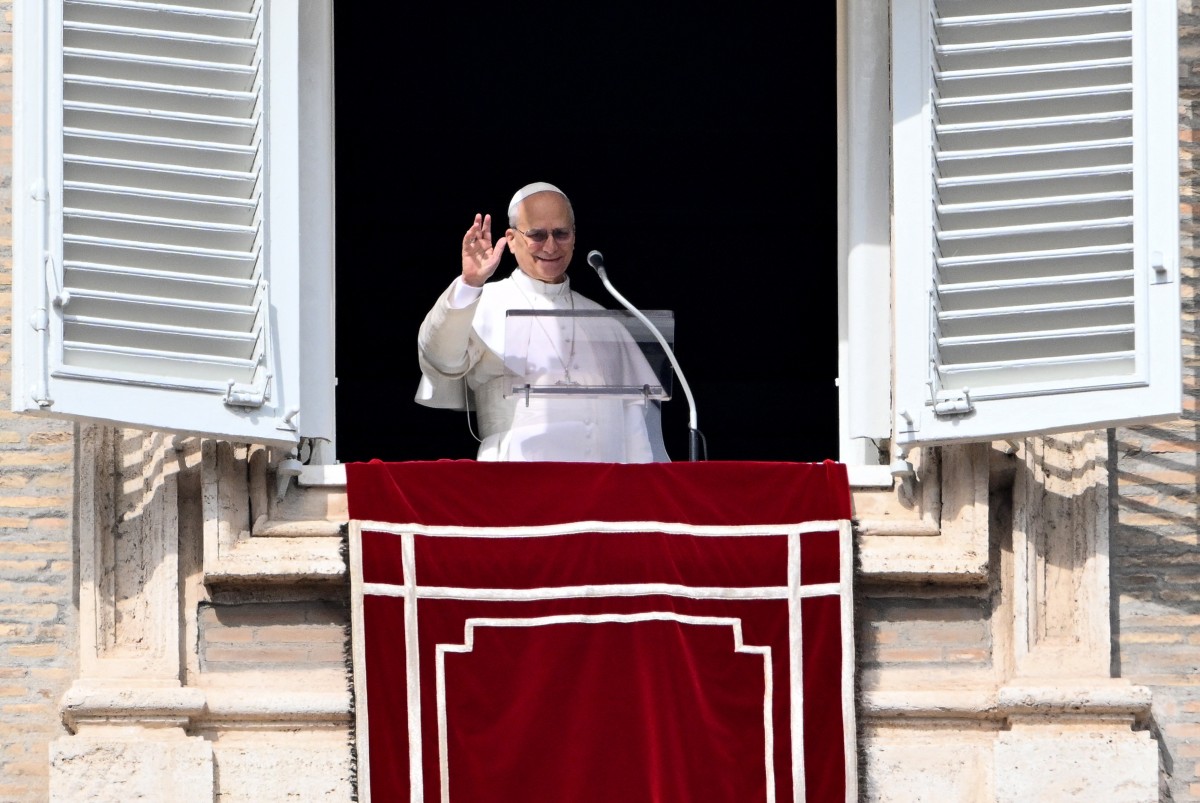
Pope Leo XIV on Sunday called for an end to the “spiral of violence” in the Middle East, following military strikes by the United States and Israel against Iran and subsequent retaliatory bombardments in the region.
“Faced with the possibility of a tragedy of enormous proportions, I urge the parties involved to assume their moral responsibility and stop the spiral of violence before it becomes an irreparable abyss,” the pontiff told the crowd gathered in St. Peter’s Square at the Vatican.
Speaking during the Angelus prayer, the U.S.-born pope said stability and peace cannot be achieved through threats or weapons. “Stability and peace are not built with reciprocal threats or with arms that sow destruction, suffering and death, but only through reasonable, sincere and responsible dialogue,” he declared.
The leader of the world’s 1.4 billion Catholics also called for diplomacy to “regain its role” amid escalating tensions.
In addition, the pope urged Afghanistan and Pakistan to urgently resume dialogue after several days of clashes between the two countries.
International
Security Council to Hold Emergency Meeting on Middle East Crisis
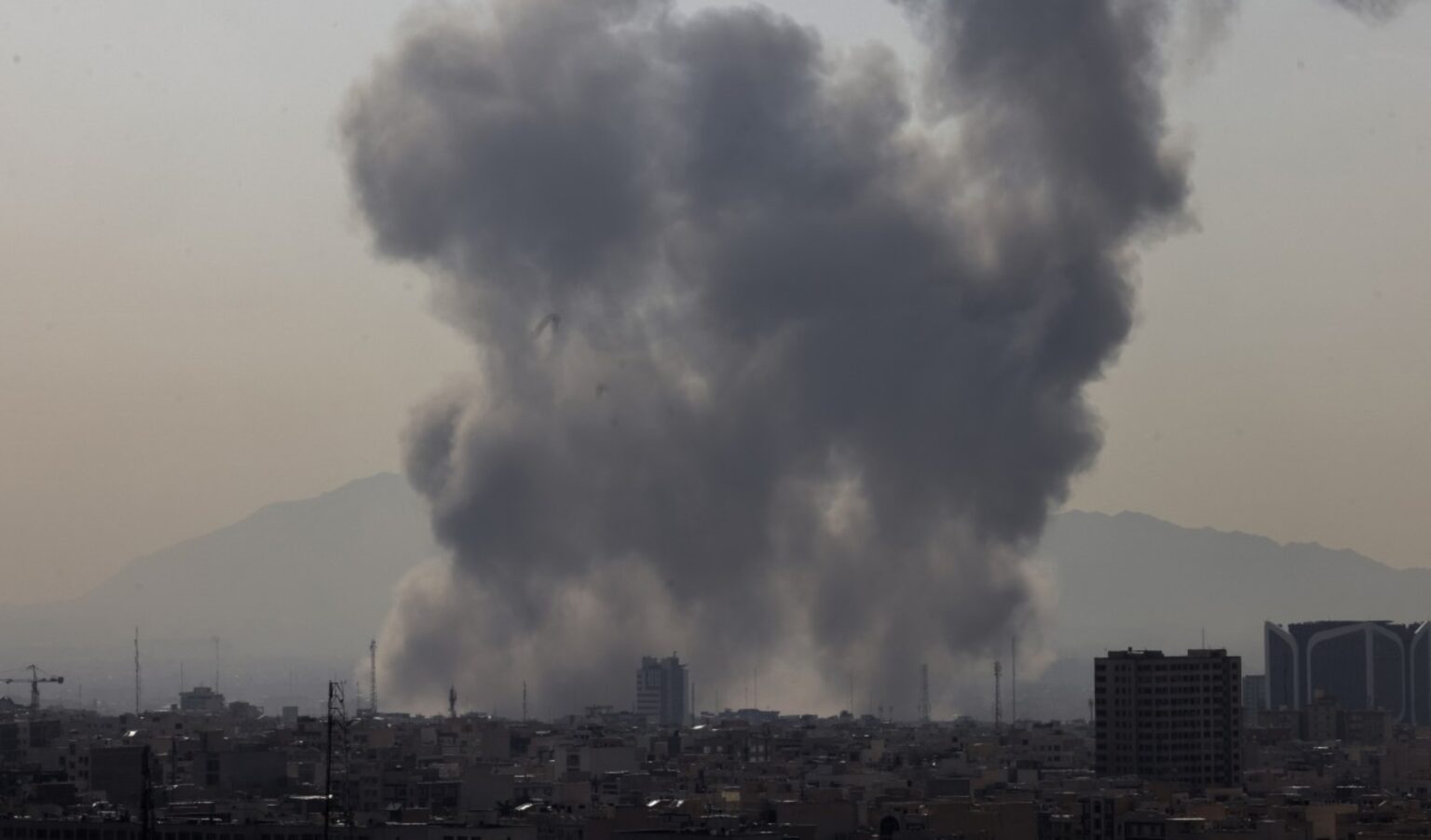
UN Secretary-General António Guterres on Saturday condemned the “military escalation in the Middle East” following attacks by the United States and Israel against Iran and Tehran’s retaliatory strikes, just hours before an urgent meeting of the UN Security Council.
“I call for the immediate cessation of hostilities and de-escalation,” Guterres said in a statement.
The Security Council is scheduled to meet on Saturday at 21:00 GMT (4:00 p.m. in New York) to address “the situation in the Middle East,” the United Nations announced.
The meeting, during which Guterres will deliver remarks, was convened at the request of France, Bahrain, Colombia, Russia and China, according to a diplomatic source.

Iran Reports 201 Dead, 747 Injured After U.S. and Israeli Strikes

Pope Leo XIV Urges End to ‘Spiral of Violence’ in Middle East

Security Council to Hold Emergency Meeting on Middle East Crisis
Tec de Monterrey honors one of its students for his contribution to nanotechnology in medicine

Defense Minister commends salvadoran soldier for Central American Cross Country victory

Extension of the state of emergency approved in southern Chile
-
 International5 days ago
Family of “El Mencho” Seeks Return of Body After Deadly Military Operation
-

 International5 days ago
Larry Summers Steps Down from Harvard Role Amid Epstein Controversy
-
 International5 days ago
Iran’s President Optimistic Ahead of Geneva Nuclear Talks with U.S.
-

 International5 days ago
Bill Gates Admits “Serious Mistake” Over Epstein Ties
-

 International5 days ago
Stephen Hawking Photo Appears in Newly Released Epstein Documents
-

 International4 days ago
Cocaine Production Surges 34% in 2023 as Market Expands into Africa and Asia
-
 International3 days ago
Trump Floats “Friendly Takeover” of Cuba Amid Rising Tensions
-
 International22 hours ago
Iran Reports 201 Dead, 747 Injured After U.S. and Israeli Strikes
-
 International4 days ago
Federal Judge Blocks Trump Policy Allowing Deportations to Third Countries
-
 International22 hours ago
Pope Leo XIV Urges End to ‘Spiral of Violence’ in Middle East
-
 International3 days ago
Argentina’s Senate Reviews Milei-Backed Labor Overhaul
-
 International2 days ago
Security Council to Hold Emergency Meeting on Middle East Crisis
-
 Sin categoría2 days ago
Trump: ‘We Think It’s True’ Amid Claims Iran’s Supreme Leader Was Killed
-
 International4 days ago
Clinton Accuses Republican Committee of Using Epstein Case to Shield Trump