
Internacionales
World leaders urge Israel to avoid large-scale war in Lebanon amid escalating conflict
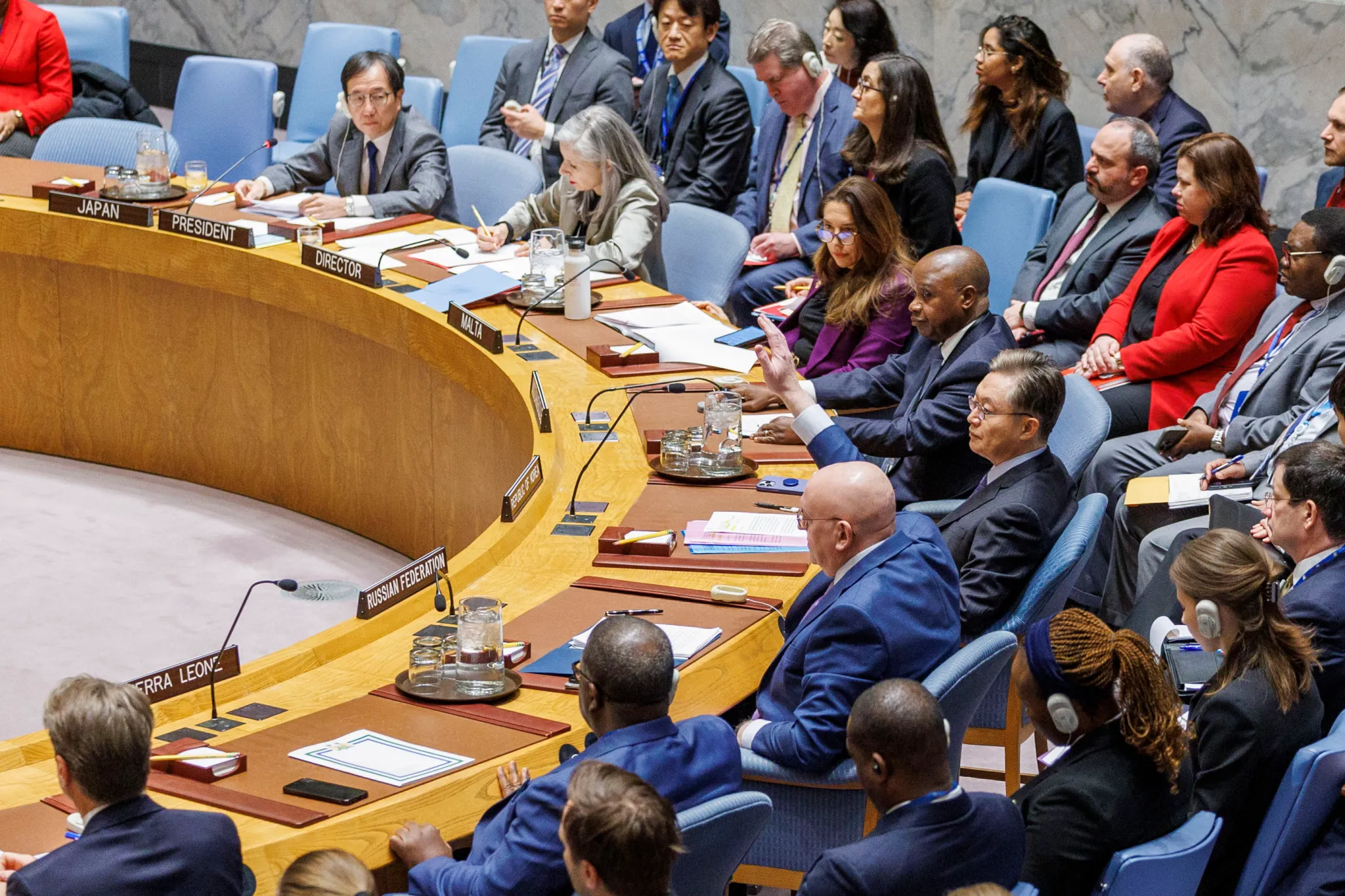
World leaders gathered on Tuesday at the UN General Assembly to urge Israel to refrain from a “large-scale war” in Lebanon, a country that, according to the organization’s chief, “is on the brink of disaster.”
The meeting, a highlight of the international diplomatic calendar, takes place in New York amid escalating conflict in the Middle East, following reports from Lebanese authorities that Israeli bombings against the Iran-backed Islamist group Hezbollah resulted in nearly 500 deaths, including children, on Monday.
“A large-scale war benefits no one. Although the situation has worsened, a diplomatic solution is still possible,” said U.S. President Joe Biden from the podium, in what may be his final address to the forum as president.
“In fact, it remains the only path to lasting security,” Biden added at the United Nations, where the Security Council will hold an emergency session on the matter on Wednesday.
Lebanese Foreign Minister Abdallah Bou Habib remarked that Biden’s statements “will not solve the problem,” estimating that the number of displaced persons in Lebanon due to Israeli attacks has risen to half a million.









Earlier, during the opening of the Assembly, UN Secretary-General António Guterres warned that “the Lebanese people, the Israeli people, and people around the world cannot allow Lebanon to become another Gaza.”
“Gaza is a permanent nightmare that threatens to drag the entire region into chaos, starting with Lebanon,” he stated before representatives from the 193 UN member states. “Lebanon is on the brink of disaster,” he said.
Israeli Ambassador Danny Danon emphasized that his country “does not desire” a ground invasion of its northern neighbor to confront Hezbollah, with which it has experienced nearly a year of skirmishes along the border.
“We do not want to send our boys to fight in a foreign country,” he asserted.






Internacionales
Ecuador extends state of emergency amid escalating violence and crime crackdown
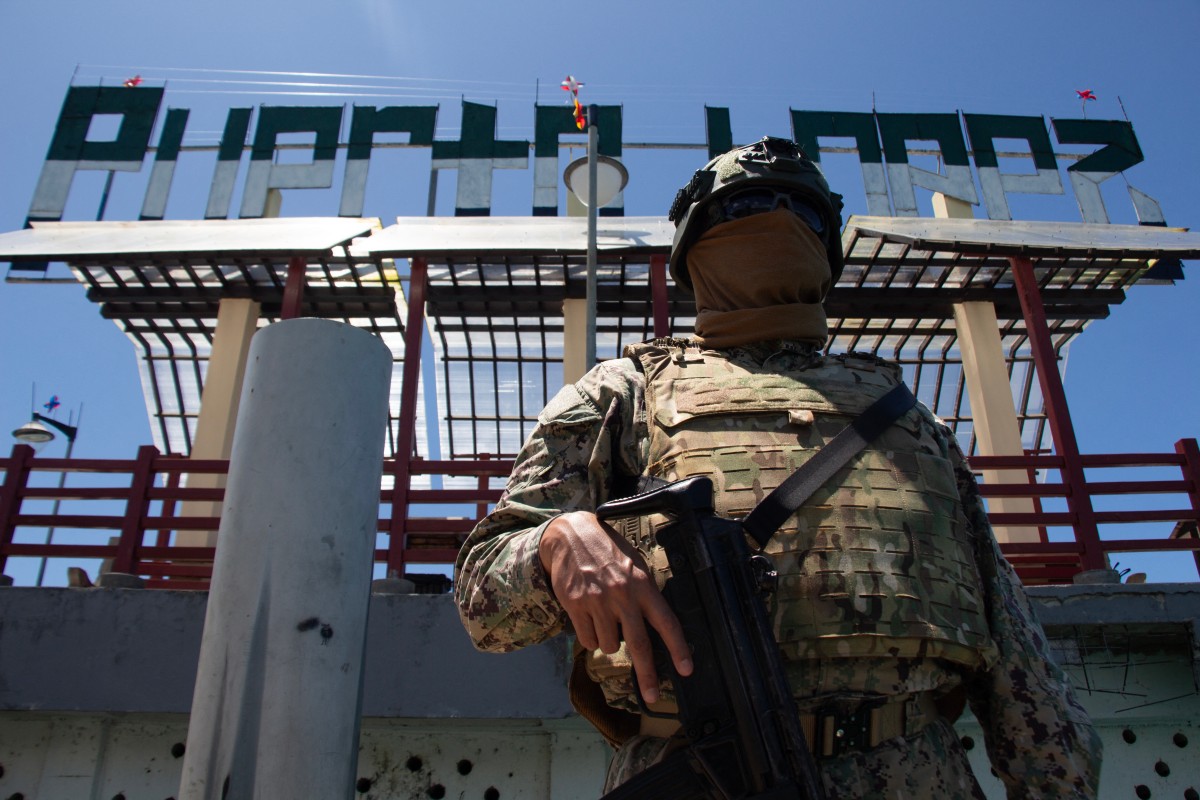
Since taking office in November 2023, Ecuador’s president Daniel Noboa has repeatedly declared states of emergency as part of his campaign against organized crime groups, which have turned Ecuador into one of the most violent nations in Latin America, with a homicide rate of 54 per 100,000 inhabitants in 2025, according to official data.
In response to rising insecurity, Noboa declared an “internal armed conflict” in 2024, allowing the military to be deployed on the streets. The move has drawn criticism from human rights organizations, which have raised concerns over alleged abuses by security forces.
Through a decree issued on Thursday, the president extended the state of emergency in several coastal provinces — Guayas, Manabí, Esmeraldas, Santa Elena, and El Oro — key transit routes along the Pacific where around 70% of cocaine shipments from Colombia and Peru pass through.
The measure also applies to nine provinces in total, including Pichincha, home to the capital Quito, as well as four additional areas where violence remains concentrated.
Under the decree, the government has suspended certain constitutional rights, including the inviolability of the home and private correspondence.
Earlier this week, a nighttime curfew imposed in Guayas, Los Ríos, Santo Domingo de los Tsáchilas, and El Oro came to an end. The curfew had been part of a broader offensive against organized crime, supported by United States.
Internacionales
Major winter storm threatens “catastrophic” ice and snow across much of the U.S.
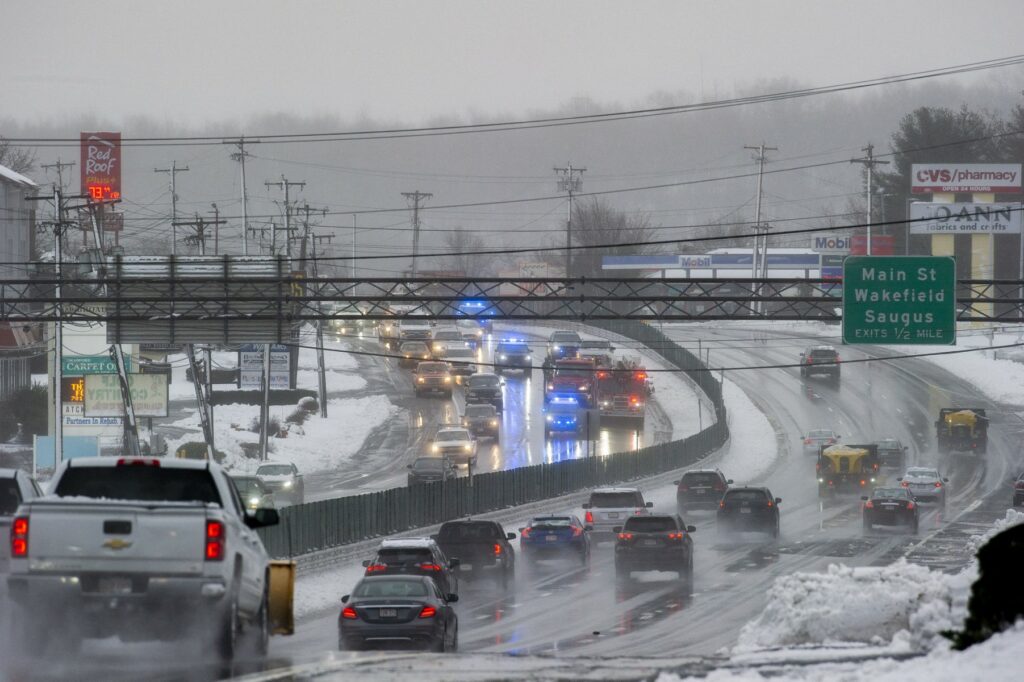
A major winter storm is threatening to blanket large portions of the United States with a dangerous mix of freezing rain and heavy snowfall, potentially creating “catastrophic” conditions across areas home to nearly 160 million people.
Several U.S. states have declared a state of emergency as the Arctic blast advances from the California coast across much of the continental United States, affecting central regions, including the Rocky Mountains and the Great Plains, according to forecasts.
The National Weather Service warned the storm could cause a “catastrophic accumulation of ice,” leading to prolonged power outages, widespread tree damage, and extremely dangerous or impassable travel conditions.
Meteorologist Ryan Maue cautioned that “the next 10 days of winter will be the worst in 40 years in the United States.”
“Think about where you can go, what you can do, and who may need even more help to survive the coming week. This is not an exaggeration or a joke,” Maue said.
He urged residents to prepare for temperatures dropping below -18°C (0°F).
More than 1,500 weekend flights had already been canceled, according to flight tracker FlightAware, including numerous flights in Texas.
In the southern state, many residents still recall the devastation caused by a similar storm in February 2021, which resulted in more than 200 deaths linked to hypothermia, carbon monoxide poisoning, and traffic accidents.
Texas authorities have assured the public that the power grid, which suffered widespread failures during that storm and left millions without electricity, is better prepared to withstand the extreme weather this time.
Internacionales
Juan Orlando Hernández’s family takes time to decide next steps after surprise U.S. release
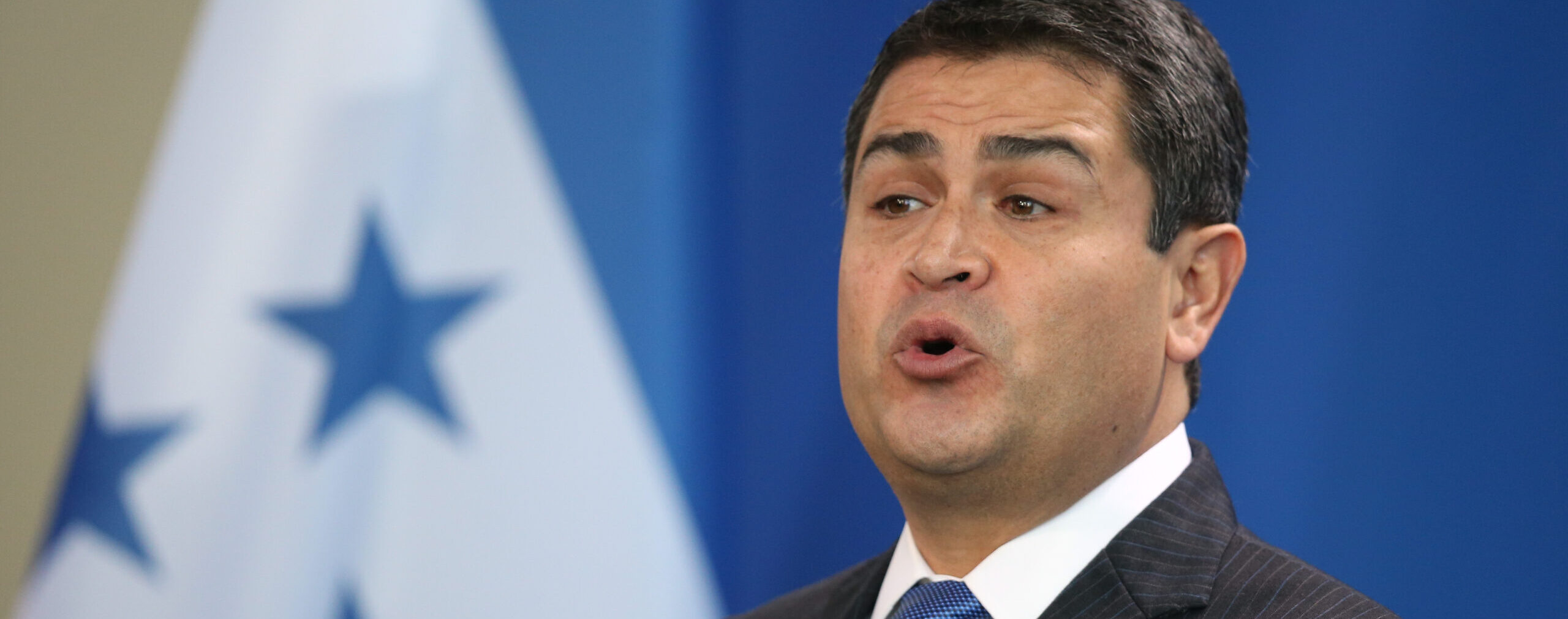
Ana García, the wife of former Honduran president Juan Orlando Hernández, who was pardoned on Monday by U.S. President Donald Trump after being sentenced in 2024 to 45 years in prison on drug trafficking and firearms charges, told EFE on Wednesday that the family has not yet decided whether he will return to Honduras.
“We have not made any decision about that yet. Everything is still very recent, and as a family we are going to take the time to reflect carefully and make wise decisions thinking about the well-being of Juan Orlando, our children, and all our families,” García said at her residence in Tegucigalpa.
García wore around her neck her husband’s wedding ring, which she has kept since Hernández was held at a special police detention facility known as the ‘Cobras’ on the day of his arrest, February 15, 2022.
“We are still deciding many things. He has just been released, it has not even been 48 hours since he got out. So we are taking things calmly,” she reiterated.
She also explained that since she does not have a U.S. visa — revoked after her husband was requested for extradition following the end of his presidency in January 2022 — she has not been able to see him, but said she is “awaiting some form of communication from the United States” in order to do so.
García declined to reveal where in the United States her husband is currently located, although she stressed that she is confident she will have an opportunity to reunite with him.

Trump orders U.S. control of Strait of Hormuz after failed Iran talks

Panama and Costa Rica strengthen border alliance to combat organized crime

Ancelotti leaves door open for Neymar’s return to Brazil’s 2026 World Cup squad
Tec de Monterrey honors one of its students for his contribution to nanotechnology in medicine

Defense Minister commends salvadoran soldier for Central American Cross Country victory

Extension of the state of emergency approved in southern Chile
-
 International3 days ago
Europe Faces Jet Fuel Shortage Risk Amid Hormuz Disruption
-
 International3 days ago
Flooding in Dominican Republic leaves child dead and thousands affected
-

 International3 days ago
Child Found Malnourished in Van in France; Father Admits Confinement
-
 Central America5 days ago
Gunfire and protests mark controversial rector reelection at Guatemala’s USAC
-

 International3 days ago
Artemis II crew prepares for Earth return and splashdown recovery
-
 Central America2 days ago
Panama and Costa Rica strengthen border alliance to combat organized crime
-
 Sports2 days ago
Ancelotti leaves door open for Neymar’s return to Brazil’s 2026 World Cup squad
-

 International5 days ago
Bill Gates to testify before Congress over Epstein connections
-
 International24 hours ago
Trump orders U.S. control of Strait of Hormuz after failed Iran talks
-

 Central America5 days ago
Seven arrested in Guatemala over disappearance of six near Mexico border