
International
Migrants at the border suffer post-traumatic stress after the violence in Mexico
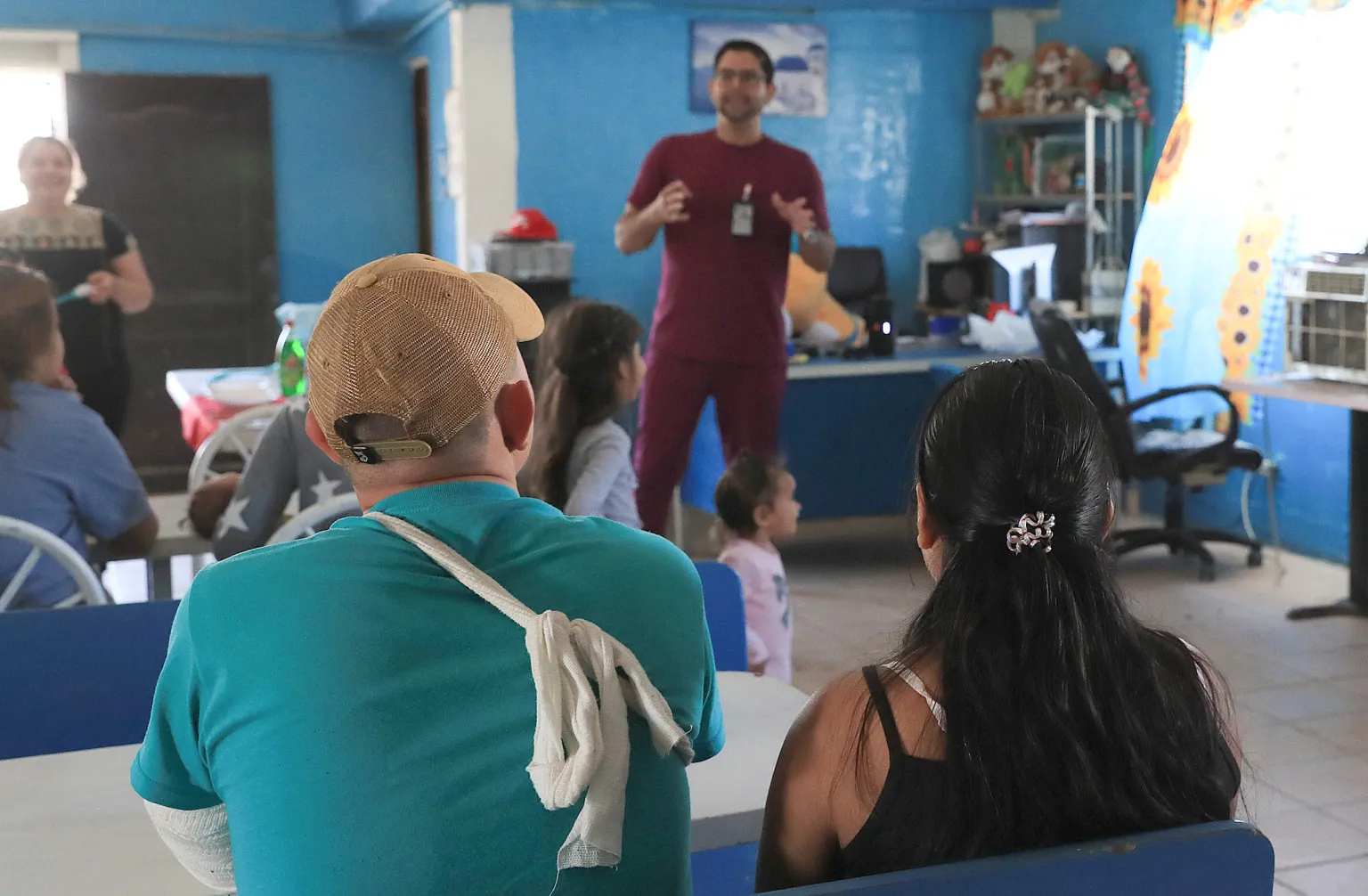
Citizen associations warn of an increase in post-traumatic stress syndrome (PTSD) in migrants stranded on the northern border of Mexico in the face of cases of kidnapping, abuse and exploitation they experience when crossing Mexican territory.
Migrants present this psychological disorder that arises in response to extremely stressful events, and is characterized by symptoms such as retrospective sequences or flashbacks, nightmares, intense anxiety and difficulties in sleeping or concentrating.
The biggest trigger is kidnappings, Sara Villegas Torres, a lawyer for the Jesuit Refugee Service in Ciudad Juárez, one of the epicenters of migration on the border of Mexico with the United States, told EFE.
“What we have mostly detected is the issue of kidnappings, not only here in the entity (Chihuahua) but throughout Mexico, it is inevitable to encounter these stories because it is something that happens to most of the people with whom we have contact,” he described.
In July alone, there were two massive kidnappings of a total of 36 migrants in Chihuahua, according to the organization Alto al Secuestro, which documented a total of 196 foreigners kidnapped in the seventh month of the year, a monthly increase of more than 20%.











This organization reported 772 kidnappings of migrants in 2023, representing about a third of the total national victims of this crime.
This leaves sequelae in people like Cindy Vázquez, from Honduras, who told EFE how a crime cartel kidnapped the group with which she was traveling in Mexico.
“They told us ‘drem down’. But we thought it was the Police or Migration, because we had no problems with migration. But when they got us down and got us up, I lost all my belongings, I lost everything because I didn’t have time to take anything out of the lower part of the bus. And when they got us into a car, even then I knew we were kidnapped,” he said.
They were transferred to a warehouse, 15 minutes away before reaching the state of Chihuahua, where there were also many people kidnapped, according to him, and his family had to give a rescue.
“They told us that we were deprived of our freedom and that we were going to be there as long as our family paid a ransom. Our family had to pay a lot of money,” he said.
He mentioned that the kidnappers were wearing a uniform, brown pants and a navy blue shirt with a shotgun on the back, but without official logos.
In the end they were able to leave with a payment of 10,000 dollars for her and her family, so she warned her compatriots that it is very dangerous to go through Mexico.
“We just wanted to get to a better place, that we could work, that we could start from scratch, but no, the truth is that I wouldn’t stay living in Mexico,” Cindy said.
Another case is that of Roxana Yamilet Velázquez, originally from El Salvador, who described the difficult road she and two other relatives, her cousins Diego José and Adriana Elizabeth, who died in the desert of the northern border of Mexico.
“It gave him like a heat respiratory arrest and from there we were transferred, well, Migration grabbed them and took us to a hospital because we were dehydrated,” he said.
He said that the sand was very hot to the point of burning his skin, and the water they carried in bottles boiled after a short time due to temperatures that reached 40 degrees.
“It was boiling, already very hot, we couldn’t drink or anything and my cousin started fighting about halfway. Even me too, and she couldn’t resist, because she was the one who fought the most,” Roxana recalled about how her cousin’s life was going.
These events occur in the midst of a 193% year-on-year increase in irregular migration through Mexico in the first half of the year to over 712,000 people, according to the Government’s Migration Policy Unit.










International
Ten Bodies Found in Mexico’s Zacatecas State Amid Security Operation
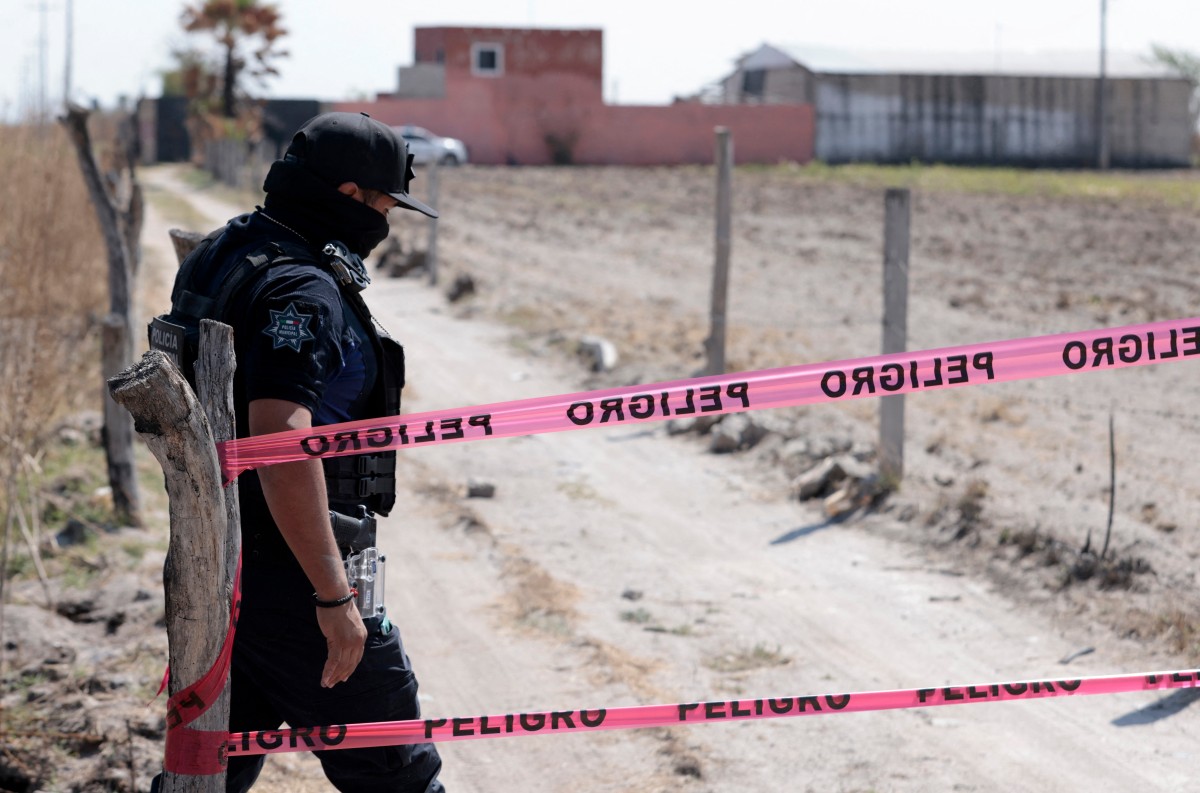
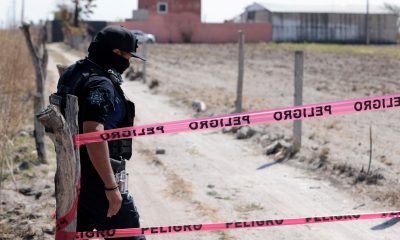
Mexican authorities discovered the bodies of 10 people on Saturday in the central state of Zacatecas, a region that was heavily affected by organized crime violence just a few years ago.
The victims were found in different municipalities across the state, which experienced a surge in violence between 2021 and 2022 as rival criminal groups fought for control of key drug trafficking routes.
Rodrigo Reyes, secretary general of the Zacatecas state government, said on social media that the bodies were located in the municipalities of Morelos, Pánuco, and Sain Alto.
Authorities have not yet disclosed the causes of death or identified those responsible for the killings.
Reyes said security forces have launched a coordinated operation to locate those behind the crimes and strengthen the police presence in the affected areas as the investigation continues.
International
U.S. to Limit Visa Duration for Foreign Students and Journalists
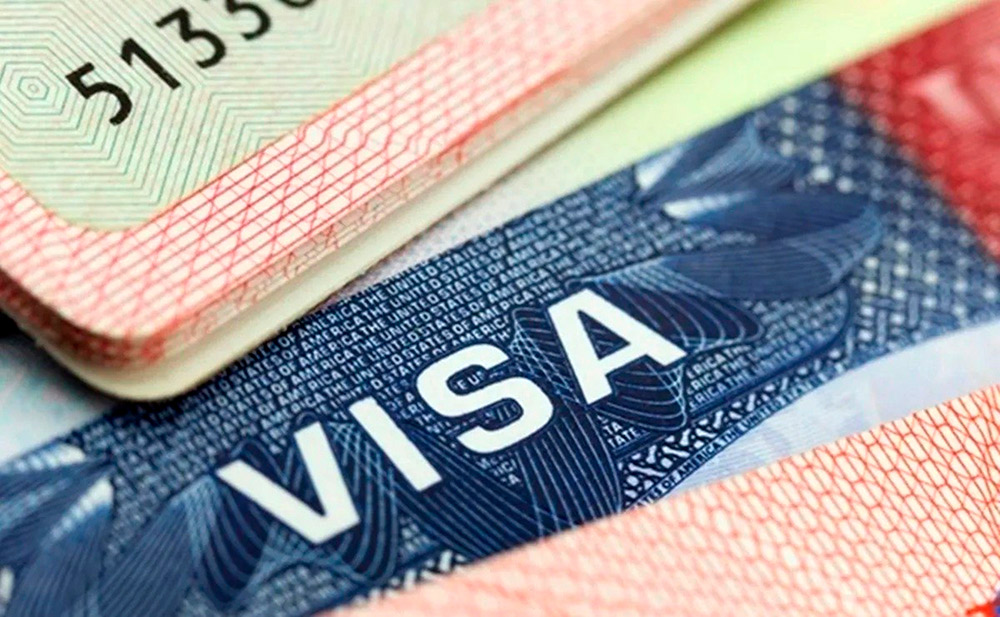
The United States has announced new limits on the legal length of stay for foreign students and journalists, marking the latest tightening of immigration policies under President Donald Trump.
The changes, outlined in an administrative rule published on Thursday, are expected to take effect in September, unless Congress blocks the measure.
Under the new policy, holders of student visas will be allowed to remain in the United States for no more than four years.
Foreign journalists will be limited to 240-day stays—approximately eight months—with the possibility of applying for extensions of the same duration.
The policy imposes even stricter rules on Chinese journalists, whose visas will be capped at 90 days.
More than 100 international news organizations and press freedom groups, including Agence France-Presse (AFP), criticized the measure in an open letter, arguing that it would reduce both the quantity and quality of international coverage of events in the United States.
The Republican Party, led by President Trump, currently holds a majority in Congress and has pledged to curb both illegal immigration and certain forms of legal immigration.
Previously, the United States generally issued student visas for the full duration of an academic program, while foreign journalists could receive visas valid for up to five years.
Central America
Nicaragua Cuts Diplomatic Ties With Italy Over Red Brigades Dispute

The Nicaraguan government announced on Thursday that it is severing diplomatic relations with Italy following criticism from the Italian government over Nicaragua’s long-standing decision to shelter Alessio Casimirri, a former member of the Red Brigades convicted in Italy for the 1978 kidnapping and murder of former Prime Minister Aldo Moro.
Italian Foreign Minister Antonio Tajani criticized the administration of co-presidents Daniel Ortega and Rosario Murillo on Wednesday for continuing to provide refuge to Casimirri, who was sentenced in Italy to six life terms for his role in Moro’s abduction and killing.
In a statement issued Thursday, Nicaragua’s Foreign Ministry said it was ending all diplomatic relations with Italy, describing Tajani’s remarks as “unjustified, aggressive, and irresponsible.”
Tajani made the comments during a gathering of conservative leaders from Europe and Latin America held in Madrid.
“We have absolutely nothing in common with the positions of extremist governments such as Nicaragua, a country that continues to harbor dangerous Red Brigades terrorists like Alessio Casimirri,” Tajani said, according to Italian media.
The diplomatic break marks a new escalation in tensions between the two countries over the decades-old case involving Casimirri, who has lived in Nicaragua for many years despite repeated calls from Italy for his extradition.

Ten Bodies Found in Mexico’s Zacatecas State Amid Security Operation

U.S. to Limit Visa Duration for Foreign Students and Journalists

Nicaragua Cuts Diplomatic Ties With Italy Over Red Brigades Dispute
Tec de Monterrey honors one of its students for his contribution to nanotechnology in medicine

Defense Minister commends salvadoran soldier for Central American Cross Country victory

Extension of the state of emergency approved in southern Chile
-

 International3 days ago
U.S. Strikes Hit Areas Near Strait of Hormuz as Tensions With Iran Escalate
-

 International4 days ago
Latin Music Stars Unite in Miami to Raise Aid for Victims of Venezuela’s Devastating Earthquake
-
 International3 days ago
U.S. to Limit Visa Duration for Foreign Students and Journalists
-
 International3 days ago
El Salvador Sends Eighth Humanitarian Flight to Earthquake-Hit Venezuela
-
 Central America3 days ago
Nicaragua Cuts Diplomatic Ties With Italy Over Red Brigades Dispute
-
 International4 days ago
Trump Administration Seeks Global Action Against “Resurgent” Left-Wing Terrorism
-
 International1 day ago
Ten Bodies Found in Mexico’s Zacatecas State Amid Security Operation