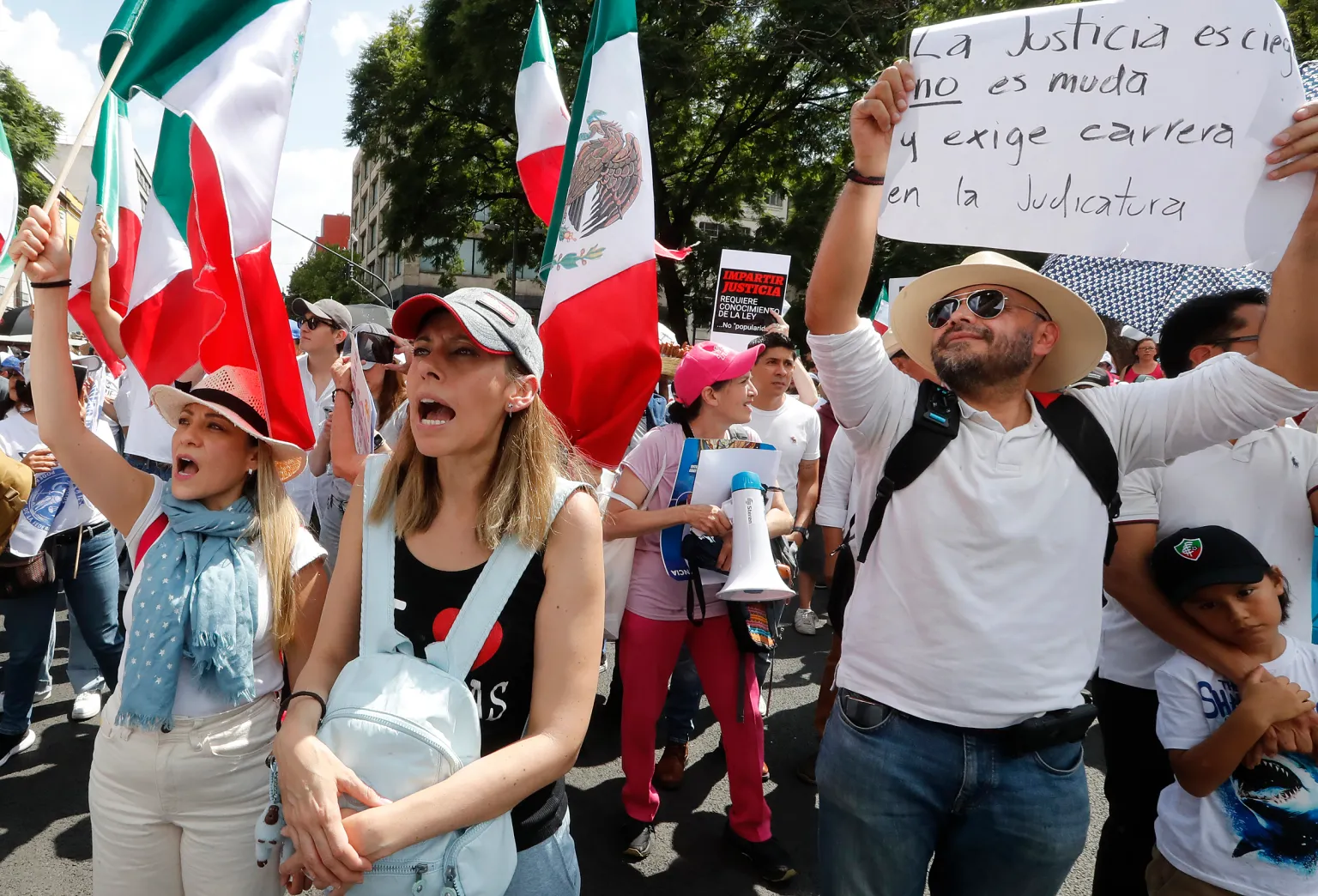
Citizens, opponents, civil society organizations and workers of the Judiciary of Mexico who are on strike, protested to raise the pressure against the reform of the president, Andrés Manuel López Obrador, who seeks to have popular elections to appoint judges and the Supreme Court of Justice of the Nation (SCJN).
The protest was repeated in different states of the Mexican territory, while, in Mexico City, a concentration of people marched from the historic Monument of the Revolution, along the main Paseo de la Reforma avenue and to the capital’s Zocalo, in front of the National Palace, the main public square in the country.
Among the positions that were heard from the north and to the south of the country in various public squares, it was defended that the proposal aims to violate judicial independence, the career of officials who aspire to climb by merit, as well as warned of risks to Mexican democracy and the counterweights to power.
“Judicial power, national counterweight,” “without color or party, justice has been imparted,” “if the people are informed, the reform does not pass,” “We are not opposition, we serve the nation,” “democracy yes, dictatorship no,” were just some of the slogans of the demonstrators.
Among the 700 demonstrators registered by the Secretariat of Citizen Security of the Mexican capital, workers of the Judicial Power of the Federation (PJF) demonstrated in the Zócalo, who have been on strike for a week.
Advertisement
20260101_dengue_cubeta_728x90
20260101_dengue_barril_728x90
20260101_dengue_llanta_728x90
20260101_dengue_pileta_728x90
20260224_estafa_mh_728x90
20260212_constancia_pagos_mh_728x90
20250901_vacunacion_vsr-728x90
20250901_minsal_tetra_-728x90
20250701_vacunacion-influenza-728x90
20250701_vacunacion_vph-728x90
20250715_donacion_sangre_central_728x90
20231124_etesal_728x90_1
20230601_agenda_primera_infancia_728X90
domfuturo_netview-728x90
20240604_dom_728x90
CEL
It was last Monday, August 19, when PJF workers, including base administrators, secretaries of agreements and actuaries, decided to interrupt the work and go to a work stoppage, placing chains and locks on the doors of several judicial precincts.
Then judges and magistrates were added, which means the strike of at least 1,200 Mexican players throughout the country, according to data from the National Association of Magistrates and District Judges (Jufed).
The administrative body of the PJF, the Council of the Federal Judiciary, although it has endorsed the stoppage of work, reported that a regime of minimum services will be maintained to deal with serious or urgent cases.
On Thursday, the Mexican Government treamed to fire those who do not show up to work, as well as to cut their salaries, while workers and judges refuse to resume activities until there is a real negotiation on the judicial reform that is being promoted in Congress.
Meanwhile, the reform proposed by López Obrador supposes that anyone with a law degree could apply to be elected to head a court, although legislators have maintained that there will be controls so that they end up nominated on a ballot and that the current judges will have the right to be able to participate to rejoin the PJF.
Advertisement
20260101_dengue_cubeta_728x90
20260101_dengue_barril_728x90
20260101_dengue_llanta_728x90
20260101_dengue_pileta_728x90
20260224_estafa_mh_728x90
20260212_constancia_pagos_mh_728x90
20250901_vacunacion_vsr-728x90
20250901_minsal_tetra_-728x90
20250701_vacunacion-influenza-728x90
20250701_vacunacion_vph-728x90
20250715_donacion_sangre_central_728x90
20231124_etesal_728x90_1
20230601_agenda_primera_infancia_728X90
domfuturo_netview-728x90
20240604_dom_728x90
CEL
The above has also triggered a series of warnings to the business climate in the country, as pointed out by the rating agency Fitch Ratings or entities such as Citibanamex, Bank of America and Stanley Morgan.
While the ambassadors in Mexico of the United States and Canada have revealed concerns of investors in their countries and the Mexican peso has felt the climate of risk aversion, touching almost 20 units during the week.
Portuguese Authorities Seize 2.6 Tons of Cocaine Worth More Than $550 Million in Drug Bust
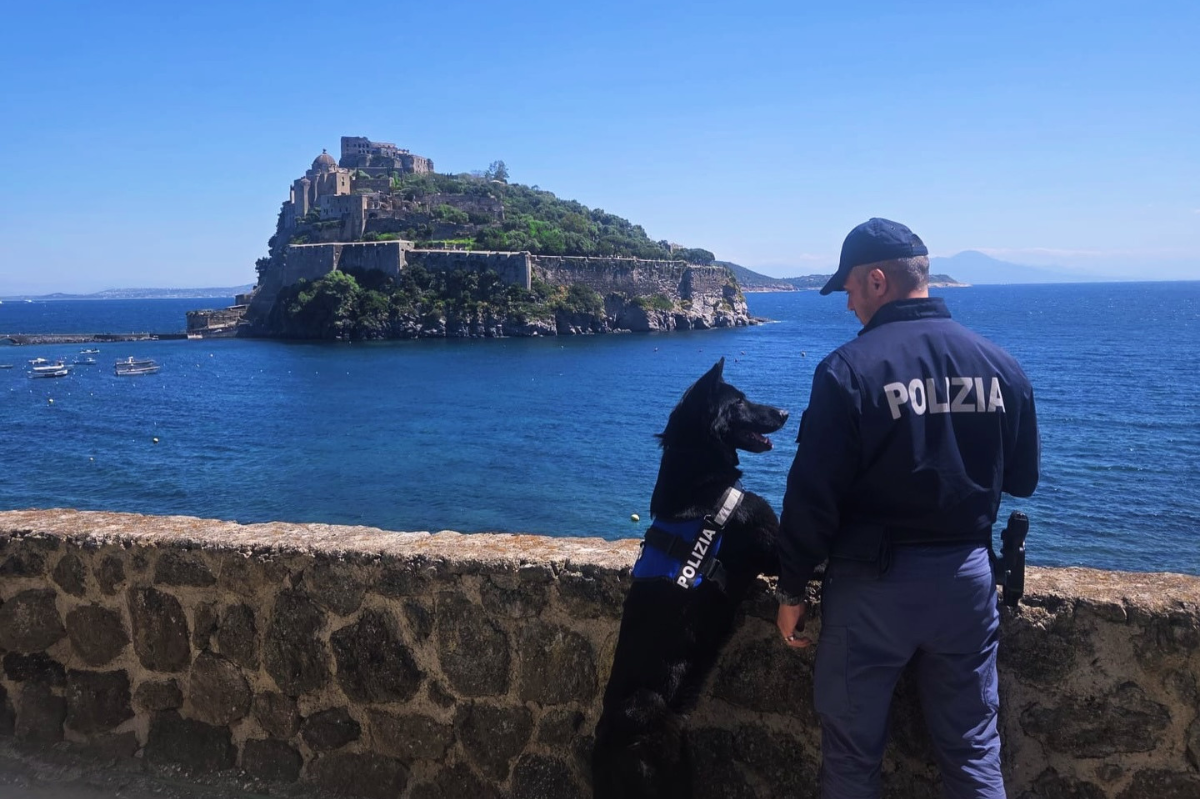
Italian financial police reported Monday that Portuguese authorities intercepted a speedboat carrying more than 2.6 tons of cocaine, with an estimated street value exceeding $550 million.
Four people — two Spanish nationals, one Albanian citizen, and a man from Gibraltar — were arrested in connection with the operation, according to Italian authorities.
The vessel was intercepted off the coast of Lisbon by Portugal’s maritime police following an investigation led by Italian authorities.
Italian financial police estimated that the seized shipment had a street value of approximately 500 million euros ($570 million), making it one of the largest drug seizures reported in the region in recent years.
Portuguese authorities said the interception took place on Thursday, about 90 kilometers (50 nautical miles) southwest of Cape Espichel, during an operation targeting international drug trafficking routes.
U.S. and Iran Maintain Ceasefire as Trump Expresses Optimism Over New Talks
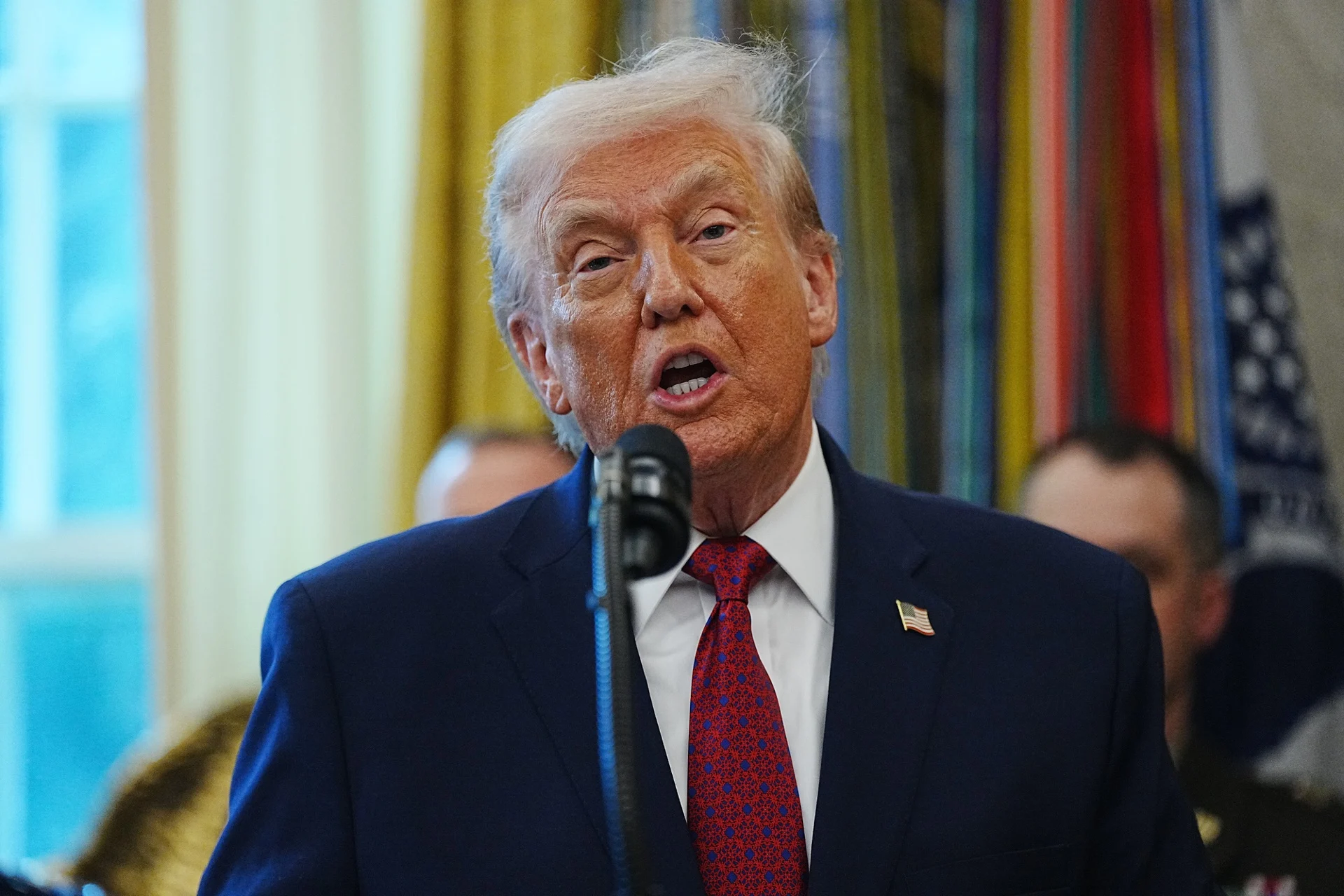
U.S. President Donald Trump said Monday that there are “good chances” of reaching an agreement with Iran, as both sides maintained a ceasefire for the third consecutive day following weeks of escalating hostilities.
Trump expressed optimism about the possibility of resuming diplomatic negotiations aimed at ending the conflict, which began in late February and has raised international concerns over its impact on global markets and energy supplies.
The fighting has remained suspended since Saturday, after the United States resumed airstrikes against Iran amid a dispute over control of the Strait of Hormuz, a key route for global oil shipments. The renewed military action had previously caused the collapse of an earlier ceasefire agreement.
Asked about the prospects for negotiations aboard Air Force One, Trump said: “I have a lot of patience… We’ll see what happens. I think there are good chances that something could happen.”
The U.S. president also highlighted Washington’s military capabilities, saying: “We have a lot of ammunition,” while adding that he would like to have more resources due to U.S. support for Ukraine.
Advertisement
20260101_dengue_cubeta_728x90
20260101_dengue_barril_728x90
20260101_dengue_llanta_728x90
20260101_dengue_pileta_728x90
20260224_estafa_mh_728x90
20260212_constancia_pagos_mh_728x90
20250901_vacunacion_vsr-728x90
20250901_minsal_tetra_-728x90
20250701_vacunacion-influenza-728x90
20250701_vacunacion_vph-728x90
20250715_donacion_sangre_central_728x90
20231124_etesal_728x90_1
20230601_agenda_primera_infancia_728X90
domfuturo_netview-728x90
20240604_dom_728x90
CEL
U.S. Ambassador to the United Nations Mike Waltz said Trump was allowing diplomatic efforts more time, explaining that the president was “giving some space to the talks” while maintaining that Washington remains prepared to take action if necessary.
Meanwhile, tensions continue in other areas of the Middle East. Saudi Arabia reported that it intercepted drones launched from Iraq by groups allied with Tehran and urged the Iraqi government to take measures to prevent further attacks.
Police Investigate After Remains of Five Newborns Found in French Apartment
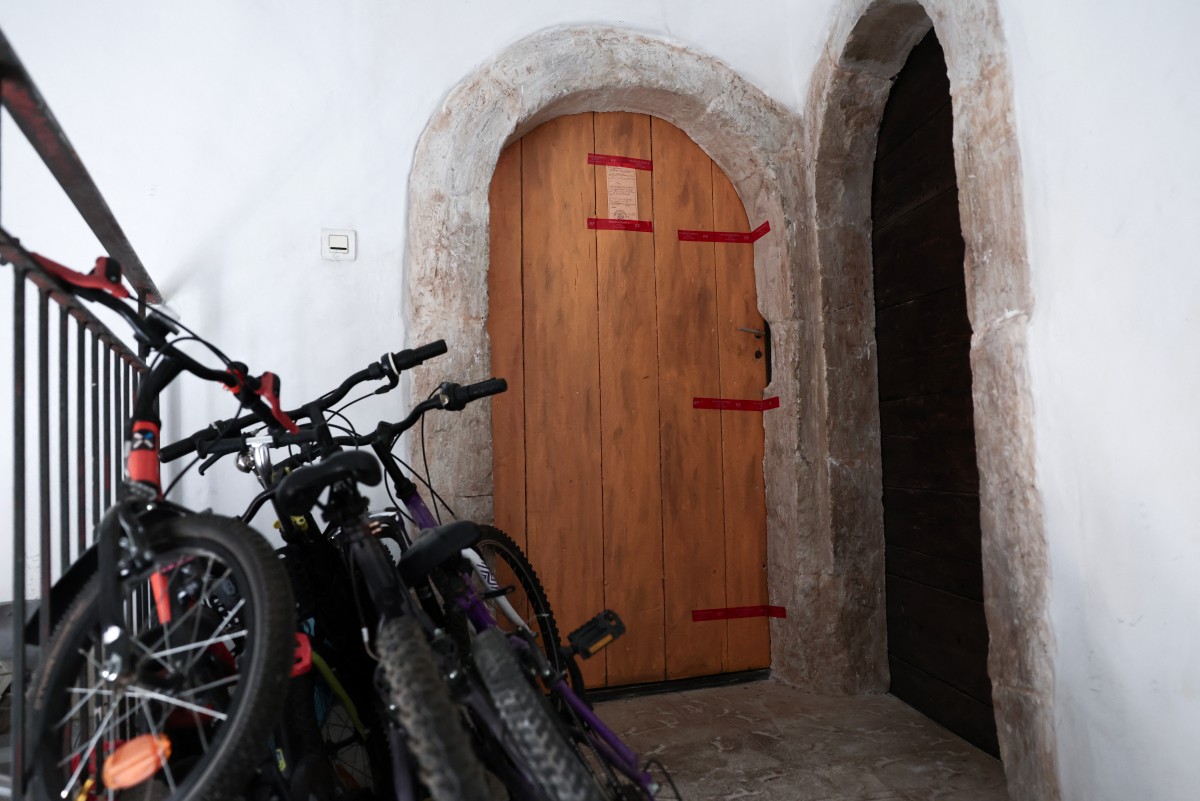
French authorities have opened a murder investigation after the discovery of human remains believed to belong to five newborn babies inside an apartment in the historic center of a city, the local prosecutor’s office reported Monday night.
According to prosecutors, a 32-year-old woman had given birth at home on Sunday to a healthy baby before being taken to a hospital for medical care.
The discovery was made after the woman’s 32-year-old partner began searching the residence after reportedly learning, once again and at a late stage, that she had been pregnant.
During the search, the man found what appeared to be human remains and informed the hospital, which then alerted prosecutors.
A forensic doctor determined that the remains likely belonged to five newborn infants. Authorities have not yet established the circumstances or motive behind the case.
Advertisement
20260101_dengue_cubeta_728x90
20260101_dengue_barril_728x90
20260101_dengue_llanta_728x90
20260101_dengue_pileta_728x90
20260224_estafa_mh_728x90
20260212_constancia_pagos_mh_728x90
20250901_vacunacion_vsr-728x90
20250901_minsal_tetra_-728x90
20250701_vacunacion-influenza-728x90
20250701_vacunacion_vph-728x90
20250715_donacion_sangre_central_728x90
20231124_etesal_728x90_1
20230601_agenda_primera_infancia_728X90
domfuturo_netview-728x90
20240604_dom_728x90
CEL
Investigators have not been able to interview the mother, who remains hospitalized following the delivery.
Prosecutors also confirmed that the couple has two other children, aged eight and nine years old. The investigation remains ongoing as authorities work to clarify the events surrounding the discovery.