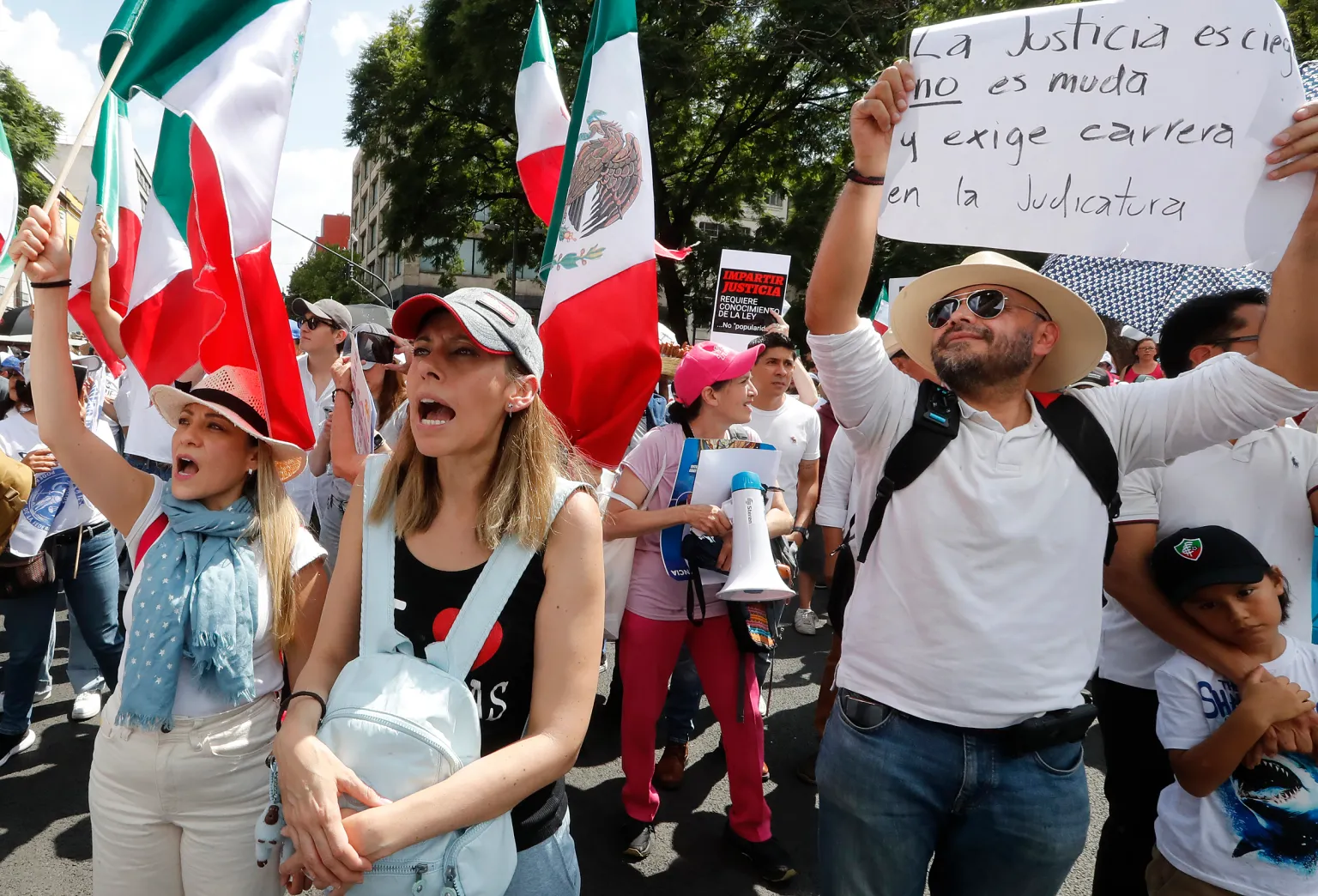
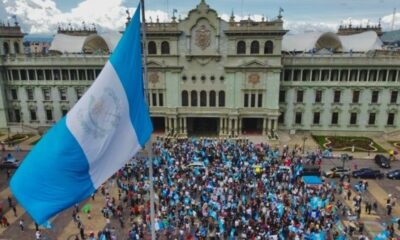
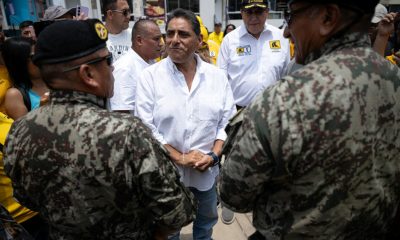
Citizens, opponents, civil society organizations and workers of the Judiciary of Mexico who are on strike, protested to raise the pressure against the reform of the president, Andrés Manuel López Obrador, who seeks to have popular elections to appoint judges and the Supreme Court of Justice of the Nation (SCJN).
The protest was repeated in different states of the Mexican territory, while, in Mexico City, a concentration of people marched from the historic Monument of the Revolution, along the main Paseo de la Reforma avenue and to the capital’s Zocalo, in front of the National Palace, the main public square in the country.
Among the positions that were heard from the north and to the south of the country in various public squares, it was defended that the proposal aims to violate judicial independence, the career of officials who aspire to climb by merit, as well as warned of risks to Mexican democracy and the counterweights to power.
“Judicial power, national counterweight,” “without color or party, justice has been imparted,” “if the people are informed, the reform does not pass,” “We are not opposition, we serve the nation,” “democracy yes, dictatorship no,” were just some of the slogans of the demonstrators.
Among the 700 demonstrators registered by the Secretariat of Citizen Security of the Mexican capital, workers of the Judicial Power of the Federation (PJF) demonstrated in the Zócalo, who have been on strike for a week.
Advertisement
20260224_estafa_mh_728x90
20260212_constancia_pagos_mh_728x90
20250701_dengue_728x90
20250901_vacunacion_vsr-728x90
20250901_minsal_tetra_-728x90
20250701_vacunacion-influenza-728x90
20250701_vacunacion_vph-728x90
20250715_donacion_sangre_central_728x90
20231124_etesal_728x90_1
20230601_agenda_primera_infancia_728X90
domfuturo_netview-728x90
20240604_dom_728x90
CEL
It was last Monday, August 19, when PJF workers, including base administrators, secretaries of agreements and actuaries, decided to interrupt the work and go to a work stoppage, placing chains and locks on the doors of several judicial precincts.
Then judges and magistrates were added, which means the strike of at least 1,200 Mexican players throughout the country, according to data from the National Association of Magistrates and District Judges (Jufed).
The administrative body of the PJF, the Council of the Federal Judiciary, although it has endorsed the stoppage of work, reported that a regime of minimum services will be maintained to deal with serious or urgent cases.
On Thursday, the Mexican Government treamed to fire those who do not show up to work, as well as to cut their salaries, while workers and judges refuse to resume activities until there is a real negotiation on the judicial reform that is being promoted in Congress.
Meanwhile, the reform proposed by López Obrador supposes that anyone with a law degree could apply to be elected to head a court, although legislators have maintained that there will be controls so that they end up nominated on a ballot and that the current judges will have the right to be able to participate to rejoin the PJF.
Advertisement
20260224_estafa_mh_728x90
20260212_constancia_pagos_mh_728x90
20250701_dengue_728x90
20250901_vacunacion_vsr-728x90
20250901_minsal_tetra_-728x90
20250701_vacunacion-influenza-728x90
20250701_vacunacion_vph-728x90
20250715_donacion_sangre_central_728x90
20231124_etesal_728x90_1
20230601_agenda_primera_infancia_728X90
domfuturo_netview-728x90
20240604_dom_728x90
CEL
The above has also triggered a series of warnings to the business climate in the country, as pointed out by the rating agency Fitch Ratings or entities such as Citibanamex, Bank of America and Stanley Morgan.
While the ambassadors in Mexico of the United States and Canada have revealed concerns of investors in their countries and the Mexican peso has felt the climate of risk aversion, touching almost 20 units during the week.
Peruvian presidential candidate proposes death penalty amid crime surge
Peru is facing an unprecedented surge in crime ahead of its presidential election scheduled for April 12, with violence fueled by extortion networks and a wave of contract killings linked to organized crime.
Police data show that 2,200 homicides tied to organized crime were recorded in 2025, while extortion complaints increased by 19%, underscoring the growing security crisis in the South American nation.
Amid this backdrop, presidential candidate Álvarez has proposed reinstating the death penalty if elected, arguing that extreme measures are needed to curb the violence.
To implement the proposal, Álvarez said Peru would withdraw from the American Convention on Human Rights—also known as the Pact of San José—which the country signed in 1978. The agreement prevents member states that have abolished capital punishment from reinstating it.
Currently, Peruvian law only allows the death penalty in cases of treason during wartime.
Advertisement
20260224_estafa_mh_728x90
20260212_constancia_pagos_mh_728x90
20250701_dengue_728x90
20250901_vacunacion_vsr-728x90
20250901_minsal_tetra_-728x90
20250701_vacunacion-influenza-728x90
20250701_vacunacion_vph-728x90
20250715_donacion_sangre_central_728x90
20231124_etesal_728x90_1
20230601_agenda_primera_infancia_728X90
domfuturo_netview-728x90
20240604_dom_728x90
CEL
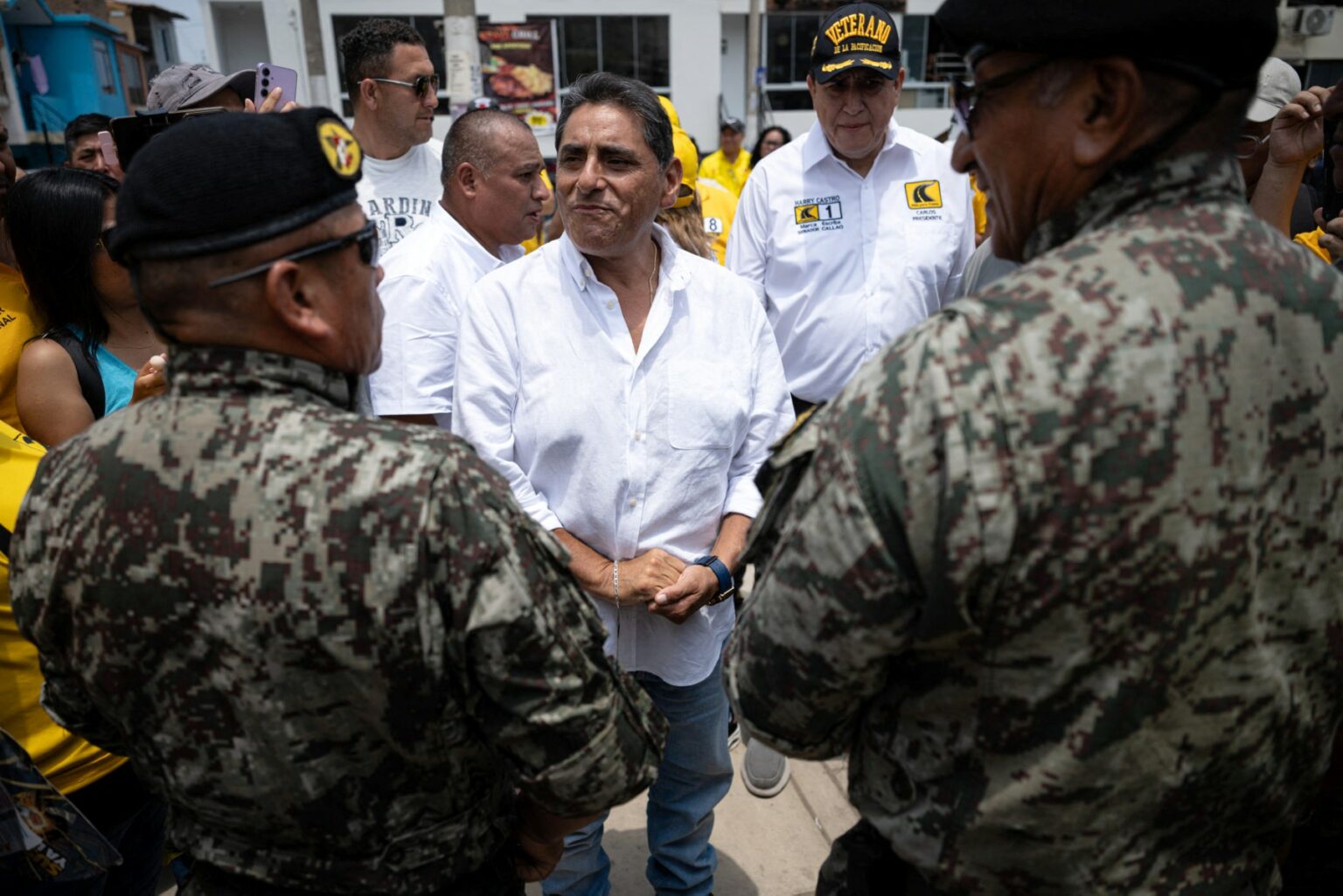
“We have to leave the Pact of San José and apply the death penalty in Peru because those miserable criminals don’t deserve to live,” Álvarez told AFP during a campaign stop at a market in Callao, the port city neighboring Lima.
“An iron fist against those criminals,” he added, proposing to declare hitmen as military targets.
During the campaign event, Álvarez walked through stalls selling vegetables, groceries, and fish, greeting vendors while musicians played cumbia music nearby.
The 62-year-old candidate, who spent more than four decades working in television as a comedian, is a newcomer to politics and is running for president under the País para Todos party.
Polls place him fifth in voter preference with nearly 4% support in a fragmented race featuring 36 candidates.
Advertisement
20260224_estafa_mh_728x90
20260212_constancia_pagos_mh_728x90
20250701_dengue_728x90
20250901_vacunacion_vsr-728x90
20250901_minsal_tetra_-728x90
20250701_vacunacion-influenza-728x90
20250701_vacunacion_vph-728x90
20250715_donacion_sangre_central_728x90
20231124_etesal_728x90_1
20230601_agenda_primera_infancia_728X90
domfuturo_netview-728x90
20240604_dom_728x90
CEL
“I am an artist who has taken a step into politics to bring peace to my country,” Álvarez told reporters while surrounded by supporters.
FBI: Man who attacked Michigan synagogue died from self-inflicted gunshot
The man who died during Thursday’s attack on a synagogue in the United States suffered a self-inflicted gunshot wound to the head, according to the FBI.
FBI agent Jennifer Runyan told reporters that the suspect, identified as 41-year-old Lebanese citizen Ayman Mohamad Ghazali, shot himself at some point during the confrontation.
“At some point during the shooting, Ghazali suffered a self-inflicted gunshot wound to the head,” Runyan said during a press conference.
A spokesperson for the U.S. Department of Homeland Security confirmed the suspect’s identity.
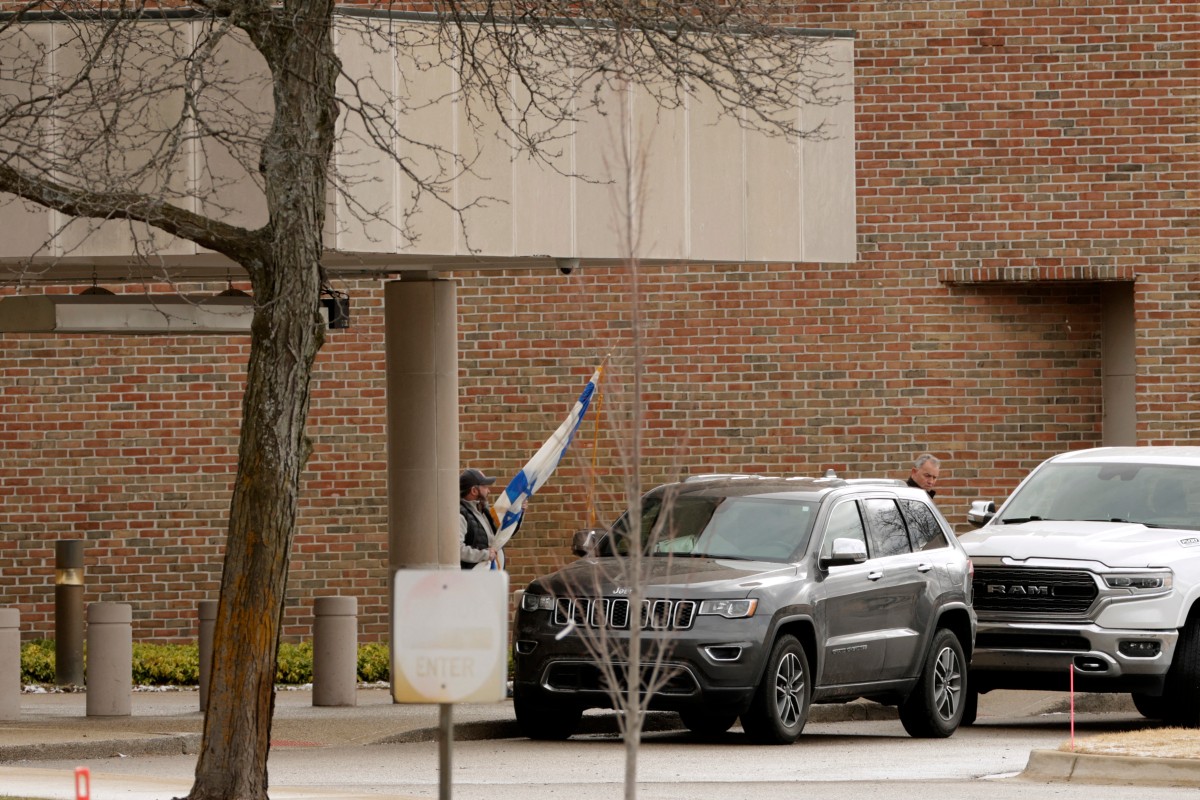
Authorities said Ghazali drove a truck into the Temple Israel synagogue in West Bloomfield, located in the state of Michigan, on Thursday.
Advertisement
20260224_estafa_mh_728x90
20260212_constancia_pagos_mh_728x90
20250701_dengue_728x90
20250901_vacunacion_vsr-728x90
20250901_minsal_tetra_-728x90
20250701_vacunacion-influenza-728x90
20250701_vacunacion_vph-728x90
20250715_donacion_sangre_central_728x90
20231124_etesal_728x90_1
20230601_agenda_primera_infancia_728X90
domfuturo_netview-728x90
20240604_dom_728x90
CEL
According to Michael Bouchard, sheriff of Oakland County, synagogue security personnel noticed the vehicle and confronted the suspect with gunfire.
Investigators said it would be premature to speculate about the motive for the attack, although reports indicate Ghazali recently lost relatives during Israeli strikes in Lebanon earlier this month.
“It would be irresponsible for me to speculate about his motive,” Runyan said.
Ghazali arrived in Detroit in 2011 on a spouse visa for U.S. citizens and obtained American citizenship in 2016, according to reporting by The New York Times.
He was the father of two teenagers, divorced from his wife in 2024, and had recently been working as a waiter.
Advertisement
20260224_estafa_mh_728x90
20260212_constancia_pagos_mh_728x90
20250701_dengue_728x90
20250901_vacunacion_vsr-728x90
20250901_minsal_tetra_-728x90
20250701_vacunacion-influenza-728x90
20250701_vacunacion_vph-728x90
20250715_donacion_sangre_central_728x90
20231124_etesal_728x90_1
20230601_agenda_primera_infancia_728X90
domfuturo_netview-728x90
20240604_dom_728x90
CEL
The newspaper also reported that Ghazali attended a memorial service in the nearby city of Dearborn for relatives killed in the recent conflict, alongside other grieving family members from the Lebanese town of Machghara.
The Federal Bureau of Investigation said the incident is being investigated as an act of violence targeting the Jewish community.
A source from Michigan’s Lebanese-American community told CBS News that several of Ghazali’s relatives had been killed roughly ten days before the attack, leaving him deeply devastated.
Mexican Navy Ships Deliver Third Shipment of Humanitarian Aid to Cuba
Two logistics support vessels from the Mexican Navy — the ARM Papaloapan and the ARM Huasteco — docked again on Friday in the bay of Havana carrying a third shipment of humanitarian aid for Cuba.
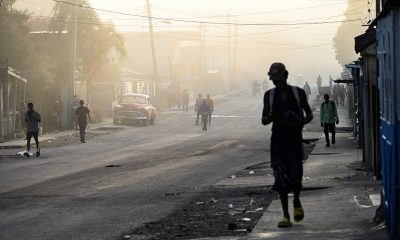
The vessels had previously arrived on the Caribbean island on February 28 with a second cargo that included 1,200 tons of food, sent to help alleviate the country’s ongoing crisis, which has worsened following the U.S. oil restrictions affecting fuel supplies to the island.
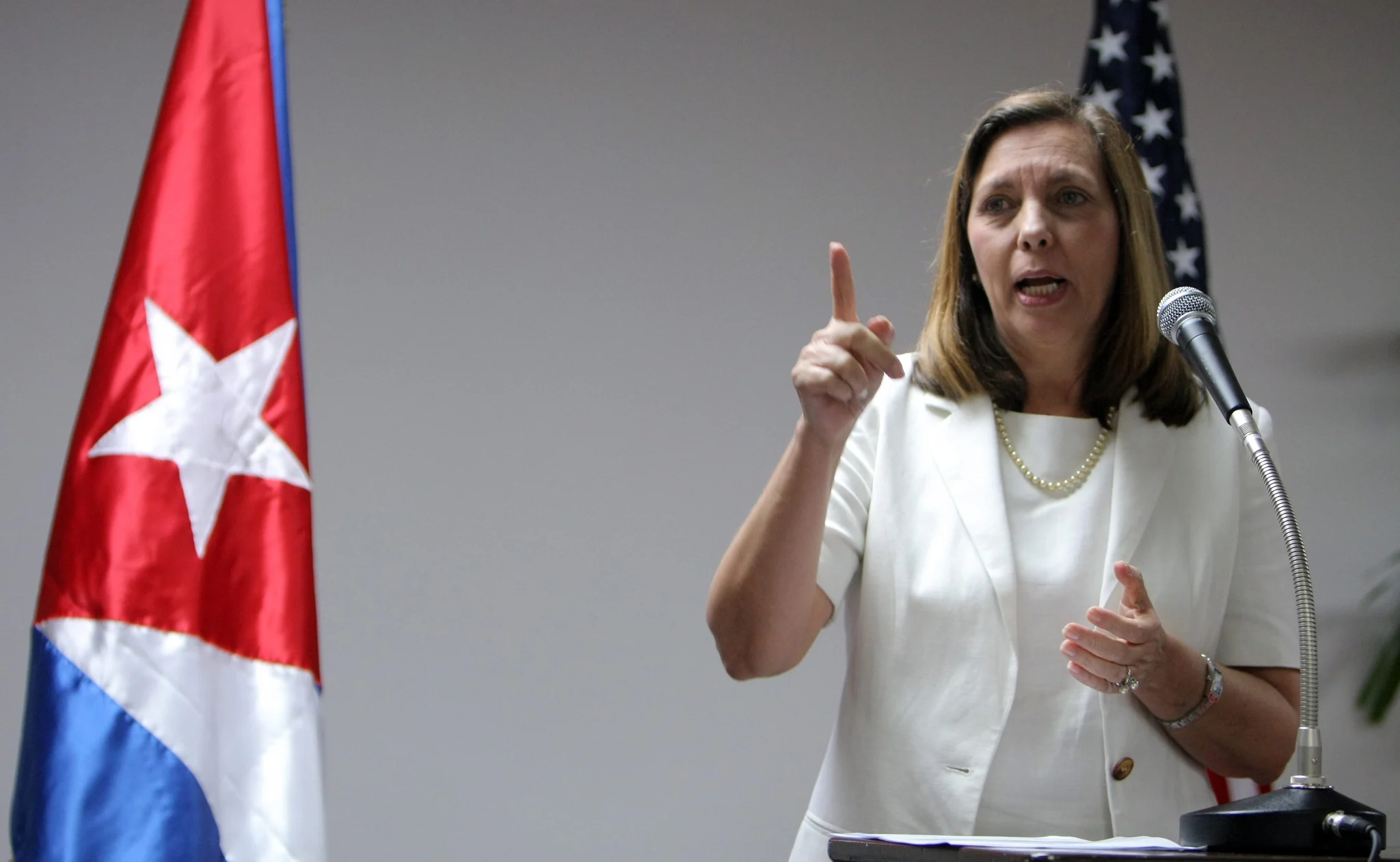
Cuba’s deputy foreign minister Josefina Vidal confirmed the new shipment in a social media post.
“Two ships carrying a third shipment of aid from the Government and the people of Mexico for the Cuban people are now arriving at the port of Havana. Thank you Mexico for your solidarity with Cuba,” she wrote.
Previous aid shipments
During the second shipment, the Papaloapan transported 1,078 tons of beans and powdered milk, while the Huastecocarried 92 tons of beans and 23 tons of assorted food products collected by social organizations with support from the government of Mexico City.
Advertisement
20260224_estafa_mh_728x90
20260212_constancia_pagos_mh_728x90
20250701_dengue_728x90
20250901_vacunacion_vsr-728x90
20250901_minsal_tetra_-728x90
20250701_vacunacion-influenza-728x90
20250701_vacunacion_vph-728x90
20250715_donacion_sangre_central_728x90
20231124_etesal_728x90_1
20230601_agenda_primera_infancia_728X90
domfuturo_netview-728x90
20240604_dom_728x90
CEL
In recent months, Mexico has become the largest provider of humanitarian aid to Cuba, sending around 2,000 tons of supplies, mostly staple foods and hygiene products, in the two shipments prior to Friday’s delivery.
The first shipment alone included 814 tons of food.
Cuba praises Mexico’s support
Hours before the ships arrived, Cuban President Miguel Díaz-Canel highlighted Mexico’s support during a televised appearance, describing the country as “a friendly and brotherly nation that has shown tremendous solidarity,”particularly praising Mexican President Claudia Sheinbaum.
Díaz-Canel also addressed reports suggesting that Mexican donations were being resold in state-run stores, dismissing them as a “disinformation campaign” promoted by right-wing groups.