
International
María Corina Machado rejected the proposal for new elections and a coalition government
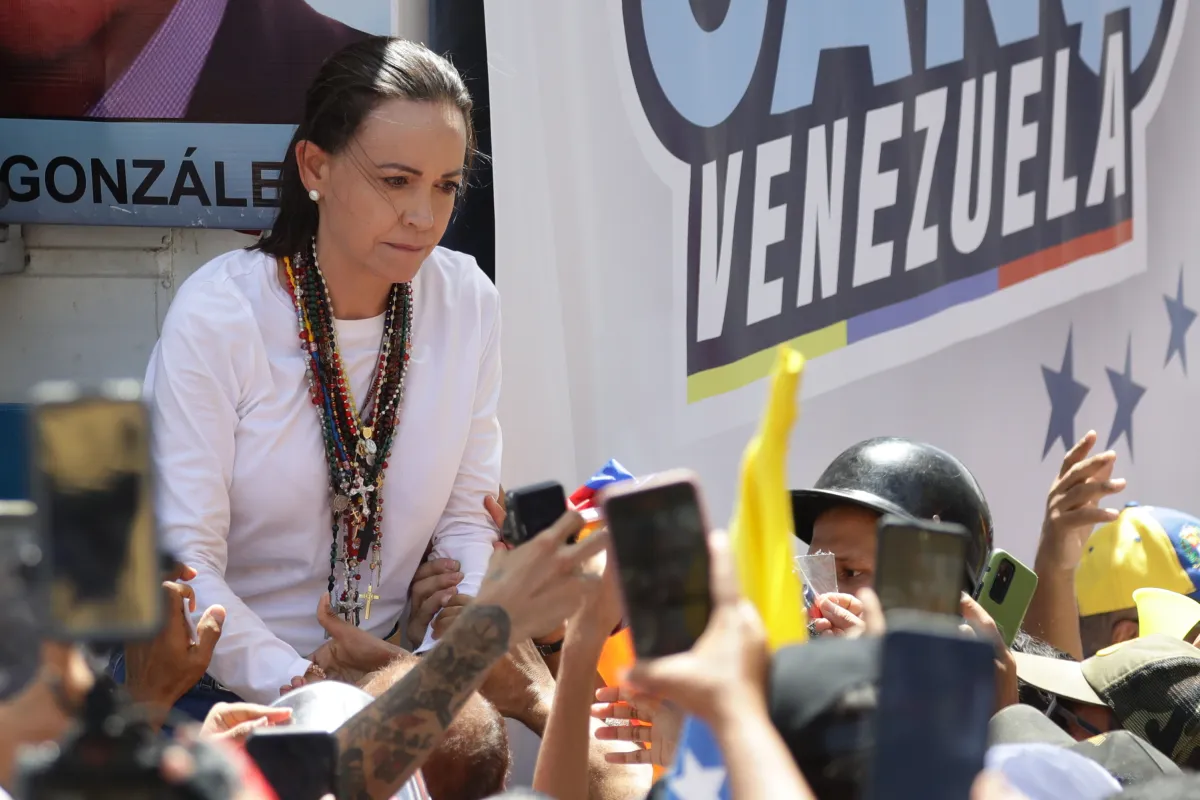
The leader of the Venezuelan opposition, María Corina Machado, rejected on Thursday Brazil’sproposal to hold new elections or form a coalition government, and insisted that the results that gave Nicolás Maduro the winner in the presidential elections are fraudulent.
“The elections took place and Venezuelan society expressed itself in very adverse conditions, where there was fraud and we still managed to win,” Machado responded at a virtual press conference with media in Argentina and Chile, among which was EFE.
“We must respect the voice of the people, we must respect sovereignty,” Machado emphasized and asked: “Would you accept that another election is called in your respective countries?”
“If this is a decision that is going to be made at a table, so that they did it in the first place?” he added.
Machado also stressed that “elections are defined by the votes, not by the dome agreements.”









The National Electoral Council (CNE) proclaimed Maduro the winner, but Machado insisted on Thursday on “the monumental victory” of the opponent Edmundo González Urrutia with 7.3 million votes -almost 84% of the minutes-, against the 3.3 million votes that he said Maduro obtained.
The Brazilian president, Luiz Inácio Lula da Silva, suggested on Thursday two possible solutions to the post-election crisis in Venezuela: the formation of a coalition government that integrates members of Chavismo and the opposition or the holding of new elections.
This last initiative was supported by his American peer, Joe Biden, but was rejected by the Government of Mexico, while the Colombian president, Gustavo Petro, suggested for Venezuela a “national front” like the one that existed in his country in the twentieth century, in which liberals and conservatives took turns power as a “transitional” step towards a “definitive solution” to the crisis.
“He’s going to a second election, and if he doesn’t like the results, will he go to a third, fourth, fifth, until Maduro likes the results? Would you accept that in your country?” Machado wondered.
“Unknowing” the elections of June 28 “is a lack of respect for the Venezuelans who have given everything. Popular sovereignty is respected. The elections have already happened,” he said.
Regarding the idea of a coalition government, he asked to “be very careful” because he differentiated the examples in other countries where the parties have “political differences” but “have been democratic or have not been involved in criminal cases,” from what happens in Venezuela.
Machado recalled that his group offers “incentives and safeguards” to the ruling party members who want to approach their ranks to achieve a democratic transition in the face of an assumption of González Urrutia on January 10, to whom he promises that there will be no “persecution” or “revenge.”
“We are willing,” but “the regime has so far refused” to negotiate the transition, he said.
After the elections in Venezuela, the governments of Brazil, Colombia and Mexico began contacts to find a solution to the crisis, a mediation effort that has, among others, the support of the United States.






International
Security Council to Hold Emergency Meeting on Middle East Crisis
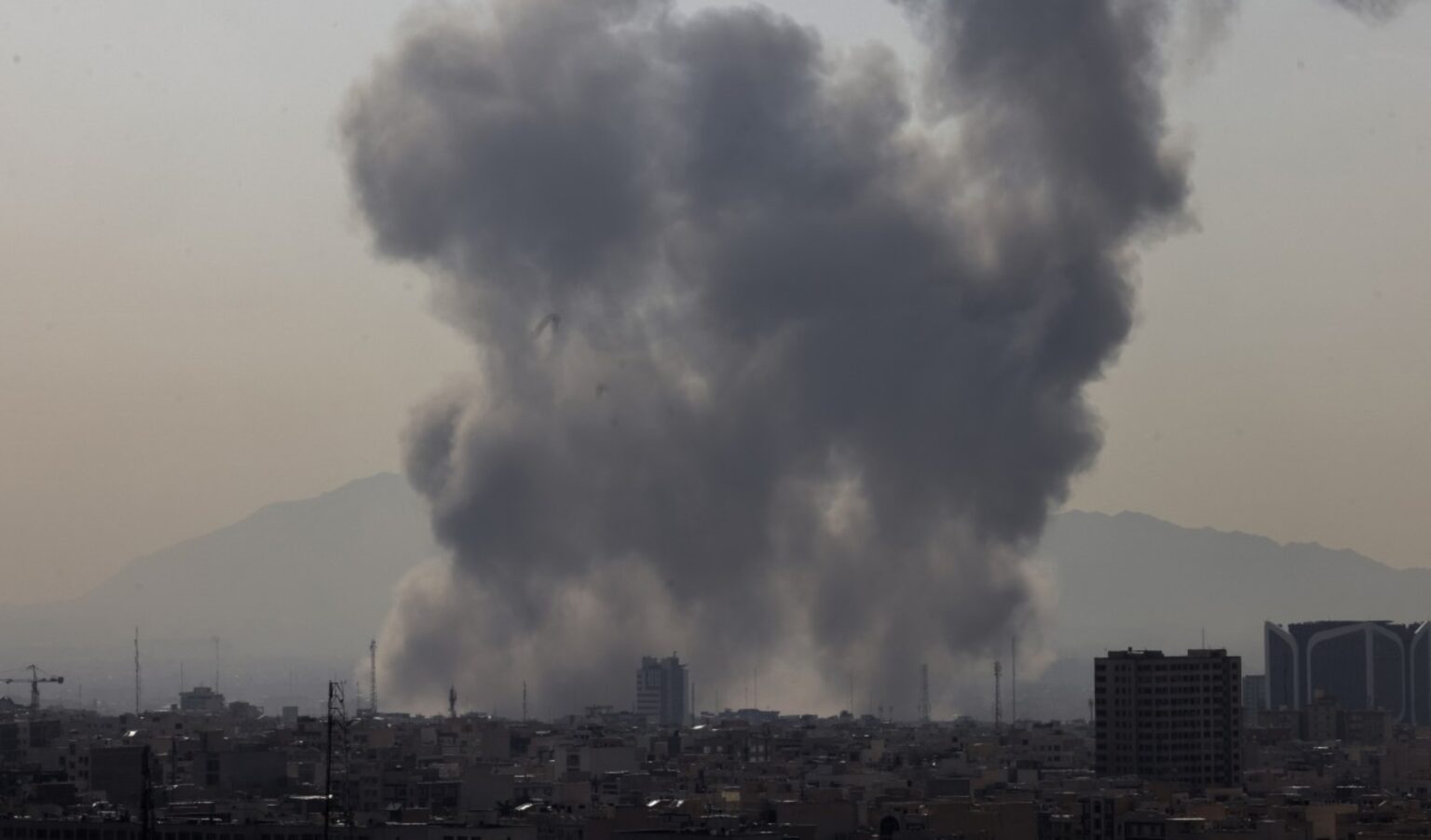
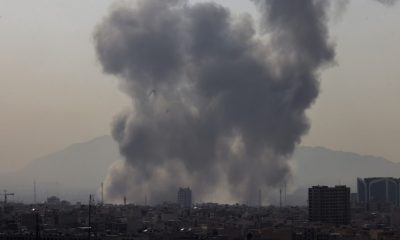
UN Secretary-General António Guterres on Saturday condemned the “military escalation in the Middle East” following attacks by the United States and Israel against Iran and Tehran’s retaliatory strikes, just hours before an urgent meeting of the UN Security Council.
“I call for the immediate cessation of hostilities and de-escalation,” Guterres said in a statement.
The Security Council is scheduled to meet on Saturday at 21:00 GMT (4:00 p.m. in New York) to address “the situation in the Middle East,” the United Nations announced.
The meeting, during which Guterres will deliver remarks, was convened at the request of France, Bahrain, Colombia, Russia and China, according to a diplomatic source.
International
Trump Floats “Friendly Takeover” of Cuba Amid Rising Tensions
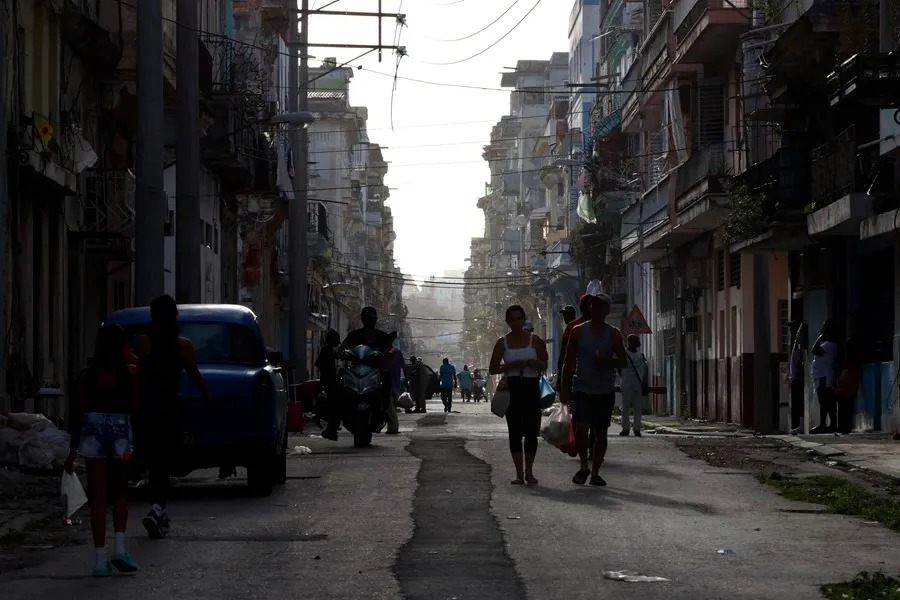
U.S. President Donald Trump said Friday that his administration is considering what he described as a “friendly takeover” of Cuba, as Washington continues to increase pressure on the island’s communist government.
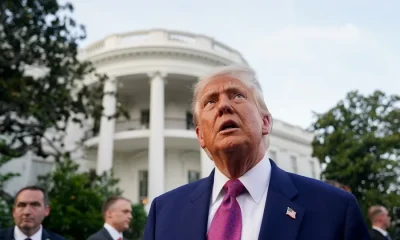
“The Cuban government is talking to us and they have very serious problems, as you know. They have no money, they have nothing at this moment, but they are talking to us and maybe we will see a friendly takeover of Cuba,” Trump told reporters as he departed the White House for a trip to Texas.
Earlier in the week, U.S. Secretary of State Marco Rubio said Cuba needed a “radical change,” shortly after Washington eased restrictions on oil exports to the island for what officials described as “humanitarian reasons,” amid a deep economic crisis.
The United States has imposed an energy blockade on Cuba since January, citing what it calls an “extraordinary threat” posed by the communist-run island, located roughly 150 kilometers (90 miles) off the coast of Florida, to U.S. national security.
International
Argentina’s Senate Reviews Milei-Backed Labor Overhaul
Argentina’s Senate on Friday began reviewing the Labor Modernization Law promoted by the administration of President Javier Milei, a proposal that would significantly reshape labor rules across the country.
The upper chamber opened its final discussion of the contentious initiative, which revises the method used to calculate severance payments — lowering the amounts owed in dismissal cases — and introduces an “hour bank” mechanism that allows overtime to be offset with paid leave rather than extra wages.
The legislation also broadens the classification of essential services, a change that would place new limits on the right to strike in designated sectors.
The bill was initially approved by the Senate on February 11 and then moved to the Chamber of Deputies, where lawmakers passed it with amendments. It has now returned to the Senate for definitive approval.
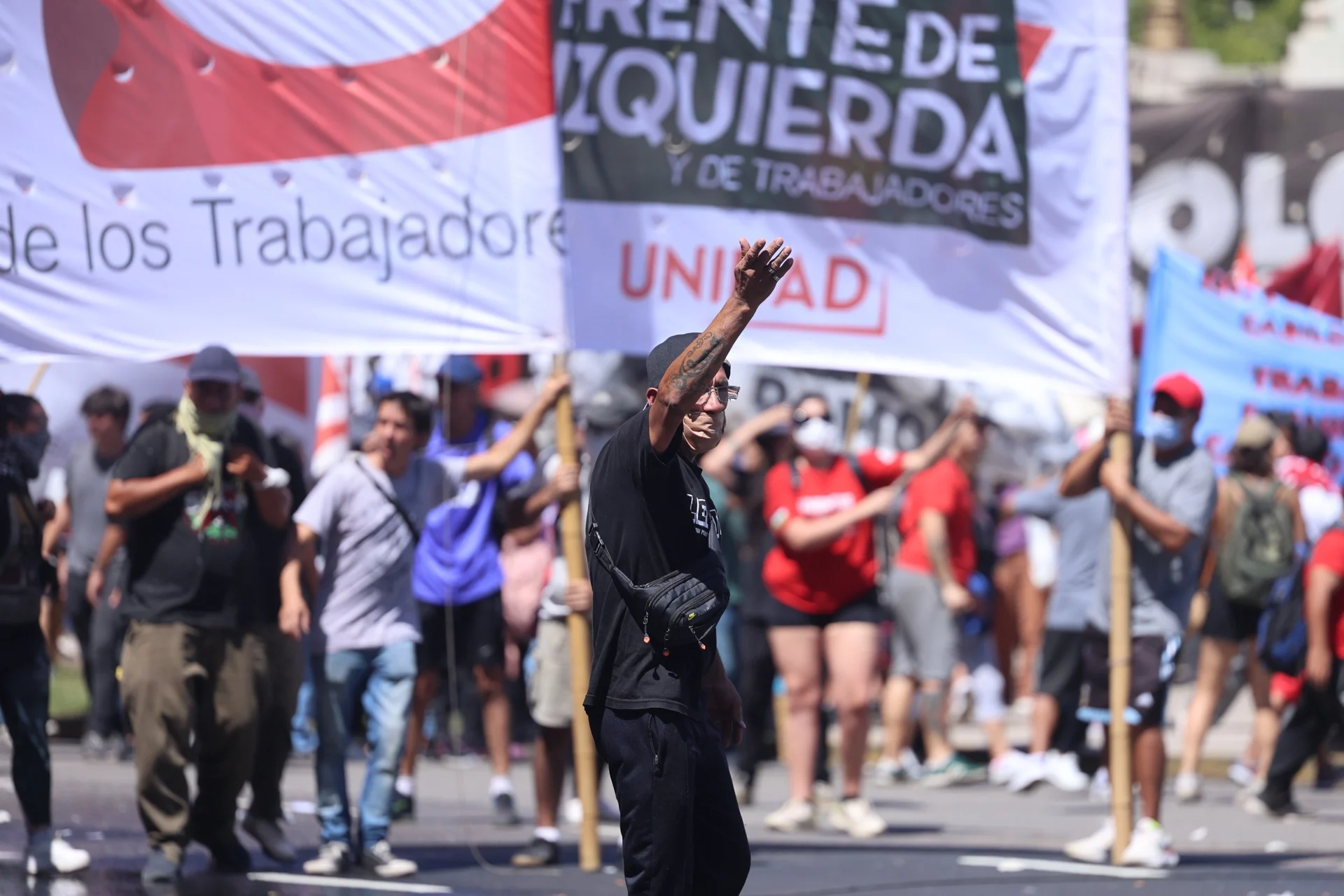
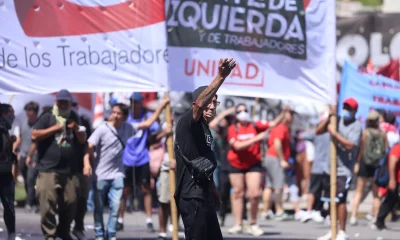
Outside the Congress building in Buenos Aires, workers, trade unions and left-wing organizations staged demonstrations beginning at midday. The gathering later thinned out amid reports of disturbances and a strong police presence. Security forces had secured the area surrounding the legislature since early morning hours.
Union leaders contend that the reform weakens labor protections, while many business representatives back the measure but stress that sustainable formal employment will require economic expansion, improved credit conditions, greater investment and a more dynamic domestic market.

Security Council to Hold Emergency Meeting on Middle East Crisis

Trump: ‘We Think It’s True’ Amid Claims Iran’s Supreme Leader Was Killed

Trump Floats “Friendly Takeover” of Cuba Amid Rising Tensions
Tec de Monterrey honors one of its students for his contribution to nanotechnology in medicine

Defense Minister commends salvadoran soldier for Central American Cross Country victory

Extension of the state of emergency approved in southern Chile
-
 International4 days ago
Family of “El Mencho” Seeks Return of Body After Deadly Military Operation
-

 International4 days ago
Larry Summers Steps Down from Harvard Role Amid Epstein Controversy
-

 International4 days ago
Iran’s President Optimistic Ahead of Geneva Nuclear Talks with U.S.
-

 International4 days ago
Bill Gates Admits “Serious Mistake” Over Epstein Ties
-

 International4 days ago
Stephen Hawking Photo Appears in Newly Released Epstein Documents
-

 International2 days ago
Cocaine Production Surges 34% in 2023 as Market Expands into Africa and Asia
-
 International2 days ago
Federal Judge Blocks Trump Policy Allowing Deportations to Third Countries
-
 International1 day ago
Trump Floats “Friendly Takeover” of Cuba Amid Rising Tensions
-
 International2 days ago
Clinton Accuses Republican Committee of Using Epstein Case to Shield Trump
-
 International1 day ago
Argentina’s Senate Reviews Milei-Backed Labor Overhaul
-
 International11 hours ago
Security Council to Hold Emergency Meeting on Middle East Crisis
-
 Sin categoría11 hours ago
Trump: ‘We Think It’s True’ Amid Claims Iran’s Supreme Leader Was Killed