
International
Investment and technology, keys to the economic relationship between Argentina and Germany
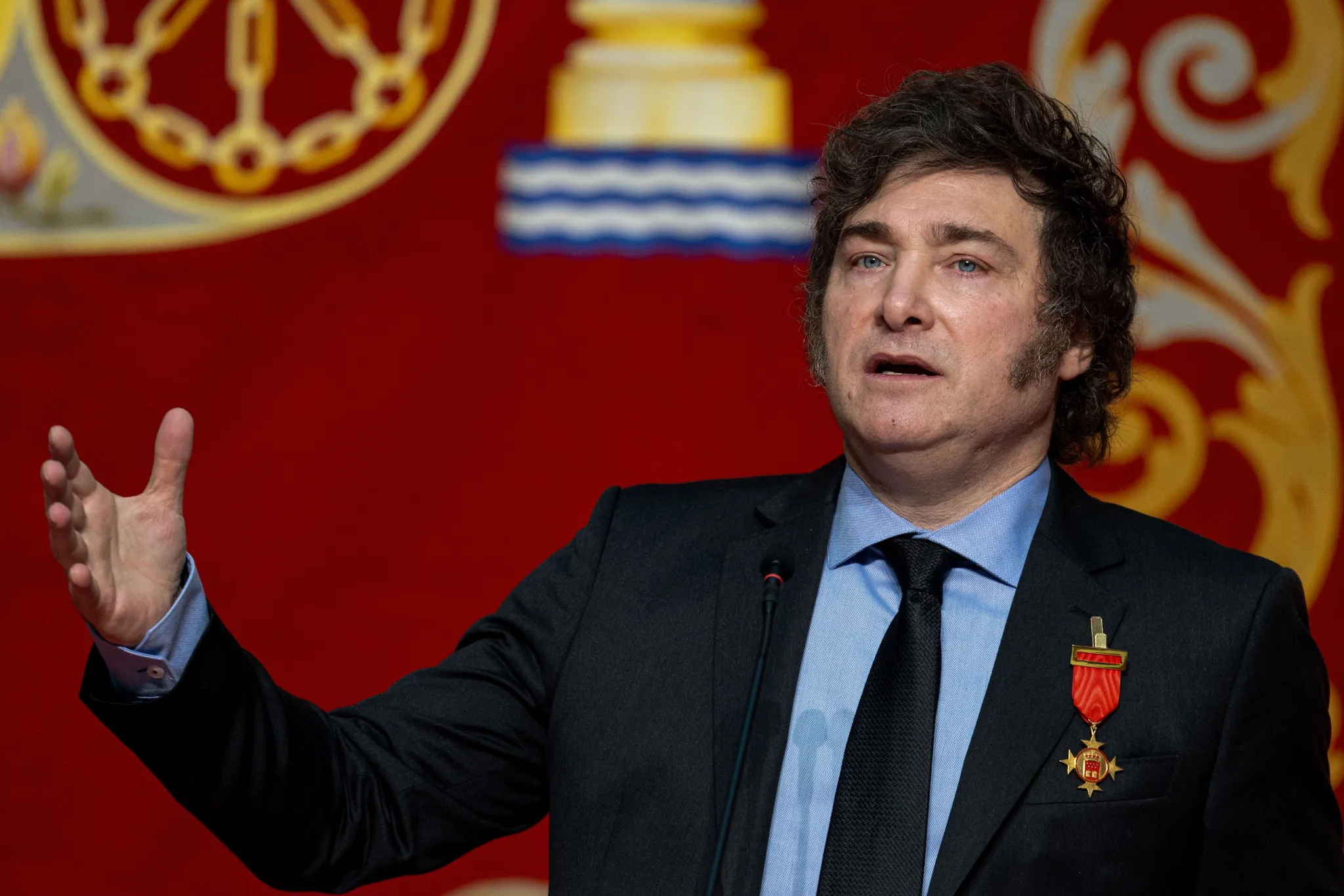
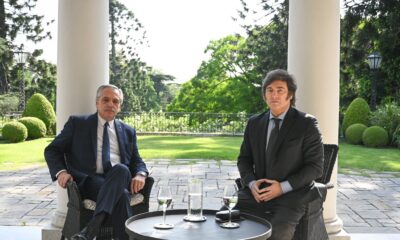
The relationship between Argentina and Germany – a country to which President Javier Milei will make a working visit this weekend – is based on foreign investment, cooperation in natural resources and trade exchange, supported by bilateral agreements and joint projects to promote economic and technological development in both countries.
Milei is scheduled to travel tomorrow, Saturday, to Germany, where he will be awarded in Hamburg (north) the Hayek medal that the homonymous society awarded him due to his achievements as a “reformer”.
The next day, the Argentine president and the German Chancellor, Olaf Scholz, will hold a meeting in Berlin at the head of their respective delegations.
Germany has shown interest in cooperating with Argentina in the exploration and production of critical minerals such as lithium and copper, essential for the energy transition and the manufacture of batteries. This aligns with Germany’s efforts to diversify its sources of supply and reduce dependence on China.
In 2023, the stock of total Foreign Direct Investment (FDI) in Argentina ammounted to 128,855 million dollars (about 120,382.7 million euros), which represents 10.4% more than the previous year and 26.4% of the Gross Domestic Product (GDP), according to data from the Ministry of Foreign Affairs.











The upward trend of FDI continues in 2024, with various sectors such as lithium extraction, hydrocarbons and financial technology attracting a considerable amount of foreign investment.
Germany – an important investor in the automotive, technology and manufacturing industry – is in eighth place in FDI in Argentina, after the United States, Spain, Brazil, the Netherlands, Chile, China and Italy.
In 2023, German companies in Argentina made a significant investment in various sectors.
A survey by the Argentine-German Chamber of Industry and Commerce (AHK) and the consultancy EY Argentina revealed that 74% of German companies planned to invest more than one hundred million dollars (about 93.42 million euros) in the South American country. These investments were mainly used for fixed assets and the incorporation of technology.
Germany’s FDI stock in Argentina is mainly focused on the manufacturing (35%), mineral and oil extraction (22.3%), and retail and wholesale sectors (10.9%).
German companies such as Siemens, Volkswagen and Bayer have a strong presence in Argentina, promoting innovation and technology transfer in various industries.
Projects and cooperation in critical minerals are another key point of the economic relationship between the two countries, since Argentina is one of the main producers of lithium, essential for the manufacture of batteries, and that in 2022 exports of this element increased by 234%.
In February 2024, representatives of Germany and Argentina discussed cooperation in the supply chain of critical minerals, such as copper and lithium, with the aim of reducing dependence on China.
Regarding Argentine investment in Germany, which is less significant, companies from the South American country are beginning to explore opportunities in high-tech and renewable energy sectors.
In terms of cooperation and strategic alliances, both countries have signed bilateral agreements to encourage investment and facilitate trade. Argentina and Germany collaborate in infrastructure and technological development projects, taking advantage of the German experience in these fields.
Trade between Argentina and Germany includes Argentine exports of agricultural and mineral products, and imports of German machinery and industrial products. This exchange is fundamental for the Argentine economy and benefits both countries by diversifying their markets.
In 2022, total trade between Germany and Argentina exceeded $3.6 billion, with a growth of 8% compared to 2021.
In March 2024, Germany exported products worth 169 million euros (181 million dollars) to Argentina and imported goods for 104 million euros, resulting in a positive trade balance of 65.3 million euros (70 million dollars) for Germany.
Exports from Germany to Argentina include machinery, vehicles, chemicals and pharmaceuticals. The European nation is a key supplier of advanced technologies and industrial equipment necessary for various sectors of the Argentine economy.
Meanwhile, imports from Germany from Argentina focus on agricultural products and food, such as soybeans, wine and meat, as well as minerals.
The commercial relationship benefits from the complementarity between the economies, where Argentina provides raw materials and food, and Germany provides technology and manufactured products.
Both countries are working on closing a free trade agreement between the European Union (EU) and Mercosur, which could further enhance trade exchange and open up new business opportunities.
This agreement has been the subject of long negotiations and currently faces significant opposition from several EU member countries, especially France and Austria.
In contrast, countries such as Germany, Spain and Portugal are in favor of moving forward with the agreement, highlighting the economic benefits and the need to strengthen trade relations with Latin America.



















International
Portuguese Authorities Seize 2.6 Tons of Cocaine Worth More Than $550 Million in Drug Bust
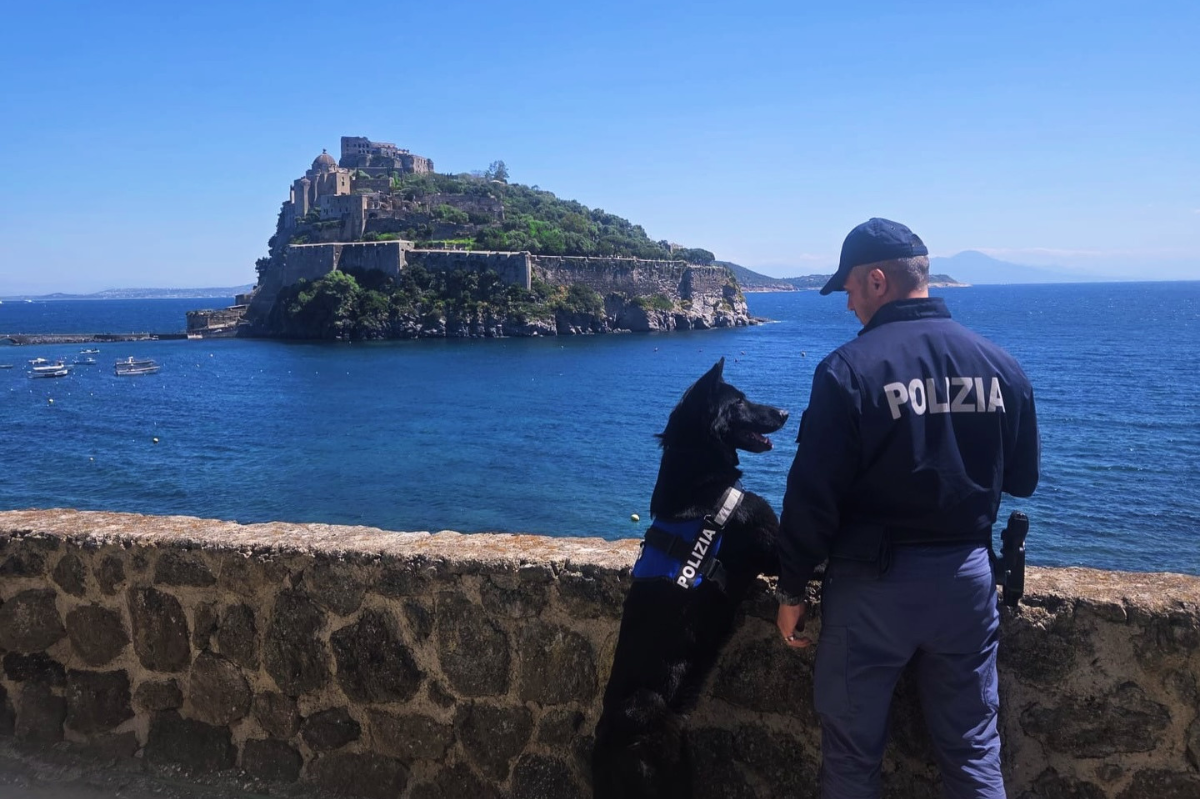
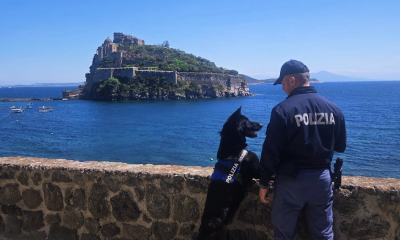
Italian financial police reported Monday that Portuguese authorities intercepted a speedboat carrying more than 2.6 tons of cocaine, with an estimated street value exceeding $550 million.
Four people — two Spanish nationals, one Albanian citizen, and a man from Gibraltar — were arrested in connection with the operation, according to Italian authorities.
The vessel was intercepted off the coast of Lisbon by Portugal’s maritime police following an investigation led by Italian authorities.
Italian financial police estimated that the seized shipment had a street value of approximately 500 million euros ($570 million), making it one of the largest drug seizures reported in the region in recent years.
Portuguese authorities said the interception took place on Thursday, about 90 kilometers (50 nautical miles) southwest of Cape Espichel, during an operation targeting international drug trafficking routes.
International
U.S. and Iran Maintain Ceasefire as Trump Expresses Optimism Over New Talks
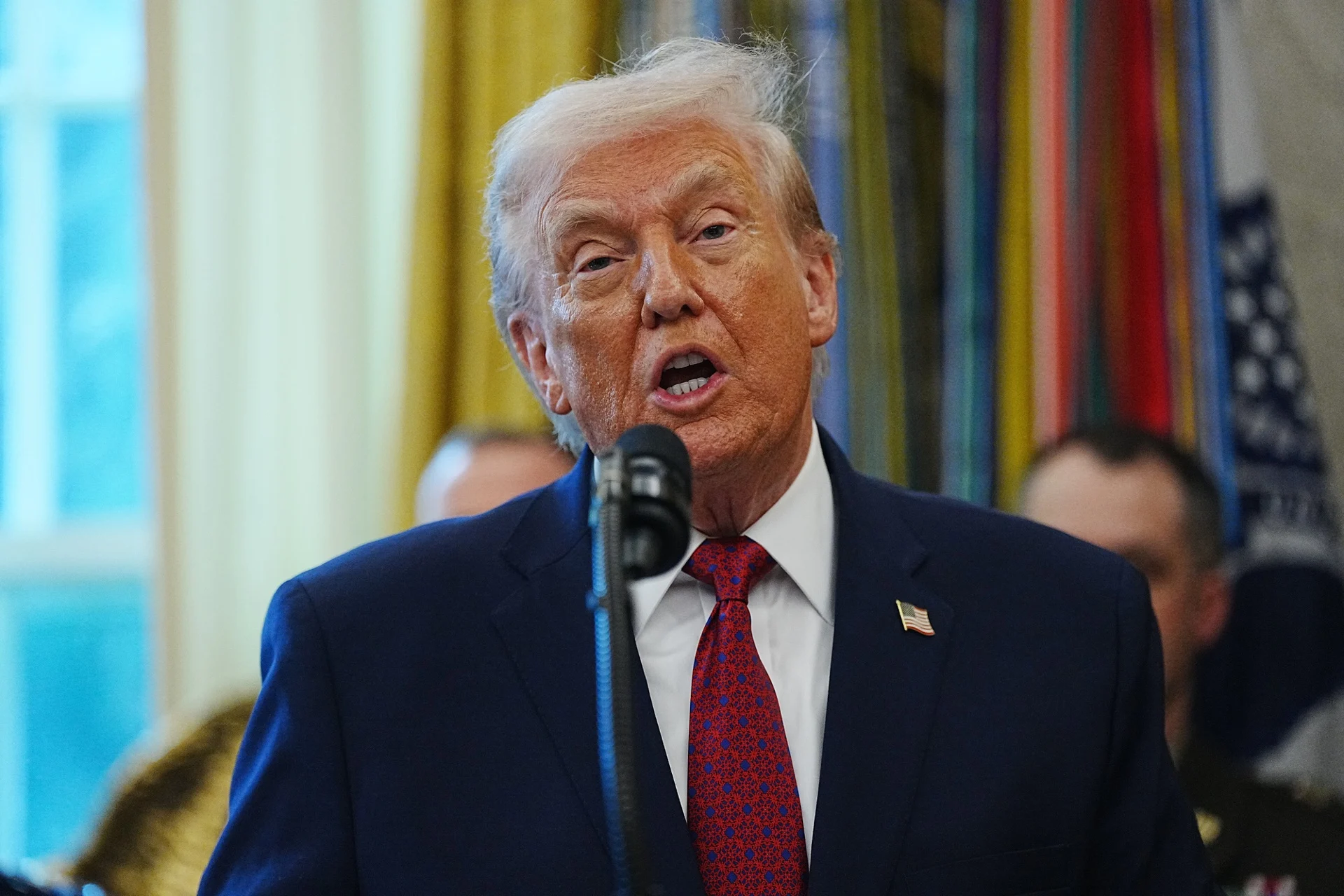
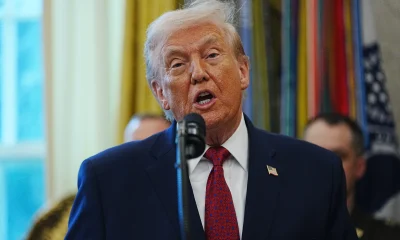
U.S. President Donald Trump said Monday that there are “good chances” of reaching an agreement with Iran, as both sides maintained a ceasefire for the third consecutive day following weeks of escalating hostilities.
Trump expressed optimism about the possibility of resuming diplomatic negotiations aimed at ending the conflict, which began in late February and has raised international concerns over its impact on global markets and energy supplies.
The fighting has remained suspended since Saturday, after the United States resumed airstrikes against Iran amid a dispute over control of the Strait of Hormuz, a key route for global oil shipments. The renewed military action had previously caused the collapse of an earlier ceasefire agreement.
Asked about the prospects for negotiations aboard Air Force One, Trump said: “I have a lot of patience… We’ll see what happens. I think there are good chances that something could happen.”
The U.S. president also highlighted Washington’s military capabilities, saying: “We have a lot of ammunition,” while adding that he would like to have more resources due to U.S. support for Ukraine.
U.S. Ambassador to the United Nations Mike Waltz said Trump was allowing diplomatic efforts more time, explaining that the president was “giving some space to the talks” while maintaining that Washington remains prepared to take action if necessary.
Meanwhile, tensions continue in other areas of the Middle East. Saudi Arabia reported that it intercepted drones launched from Iraq by groups allied with Tehran and urged the Iraqi government to take measures to prevent further attacks.
International
Police Investigate After Remains of Five Newborns Found in French Apartment
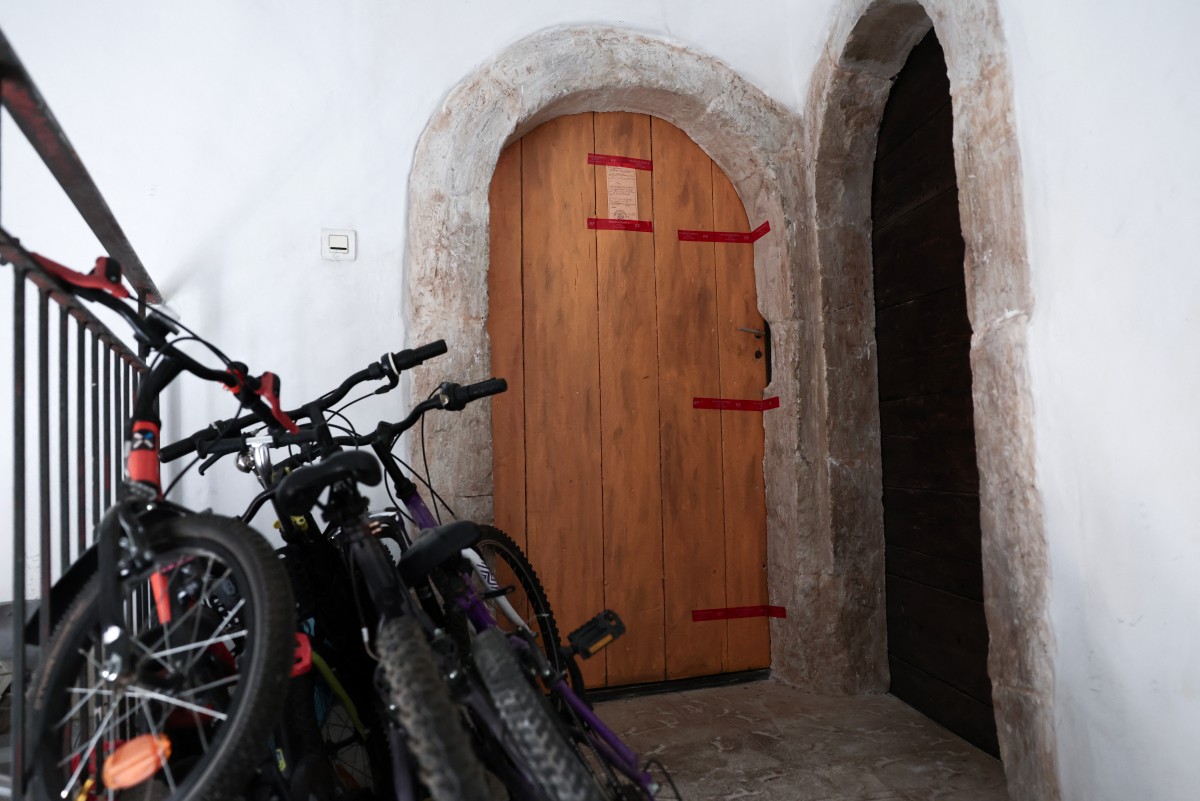
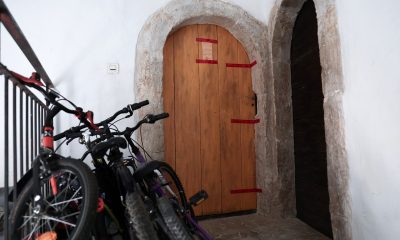
French authorities have opened a murder investigation after the discovery of human remains believed to belong to five newborn babies inside an apartment in the historic center of a city, the local prosecutor’s office reported Monday night.
According to prosecutors, a 32-year-old woman had given birth at home on Sunday to a healthy baby before being taken to a hospital for medical care.
The discovery was made after the woman’s 32-year-old partner began searching the residence after reportedly learning, once again and at a late stage, that she had been pregnant.
During the search, the man found what appeared to be human remains and informed the hospital, which then alerted prosecutors.
A forensic doctor determined that the remains likely belonged to five newborn infants. Authorities have not yet established the circumstances or motive behind the case.
Investigators have not been able to interview the mother, who remains hospitalized following the delivery.
Prosecutors also confirmed that the couple has two other children, aged eight and nine years old. The investigation remains ongoing as authorities work to clarify the events surrounding the discovery.


Portuguese Authorities Seize 2.6 Tons of Cocaine Worth More Than $550 Million in Drug Bust

U.S. and Iran Maintain Ceasefire as Trump Expresses Optimism Over New Talks

Police Investigate After Remains of Five Newborns Found in French Apartment
Tec de Monterrey honors one of its students for his contribution to nanotechnology in medicine

Defense Minister commends salvadoran soldier for Central American Cross Country victory

Extension of the state of emergency approved in southern Chile
-

 International4 days ago
Wildfires in France Burn Nearly Three Times More Land Than in 2025, Interior Minister Says
-
 International13 hours ago
U.S. and Iran Maintain Ceasefire as Trump Expresses Optimism Over New Talks
-
 International13 hours ago
Police Investigate After Remains of Five Newborns Found in French Apartment
-
 International4 days ago
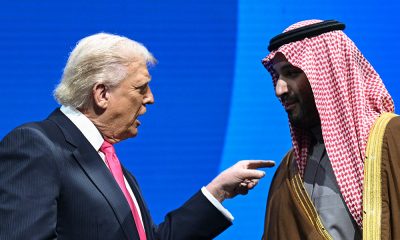
Israel Says Saudi Recognition Would Mark ‘Historic Breakthrough’ for Middle East Peace
-
 International12 hours ago
Portuguese Authorities Seize 2.6 Tons of Cocaine Worth More Than $550 Million in Drug Bust
-

 International1 day ago
Costa Rica Seeks to Expand Extradition Law to Target Organized Crime
-

 International1 day ago
China Accuses U.S. AI Firms of Using Chinese Models to Train Artificial Intelligence
-
 Central America2 days ago
EU Urges Nicaragua to Hold Free and Transparent Elections Amid Proposed Electoral Reforms
-

 International1 day ago
Three Killed, Four Injured in Shooting Near Seattle’s Space Needle