For Gladys Bejerano, Comptrellor General of Cuba, the most noted corruption case in the country in decades, that of former Deputy Prime Minister and former Minister of Economy Alejandro Gil, felt like a “treayal.”
The top auditor of ministries and state companies of the socialist country highlights in an interview with EFE the “connotations” of the scandal, becoming the first senior Cuban official to talk about Gil since the investigation was announced two months ago.
“It hurts and hurts a lot because one thinks as a companion – and the people, as a Cuban – that a person who has been at that level, who has been handling the situations, the sacrifices that have had to be made,.. That he doesn’t have an attitude in correspondence, one really feels it as a betrayal, as something that is not the right thing, and that’s how we all feel. But there is moral and there is courage to face it,” he says.
Bejerano, 77, has been in charge of the Office of the Comptroller General and twenty years old. He advocates extracting “teachings” from this “sadly negative lesson.”
Gil was dismissed as Minister of Economy on February 2 without public explanations and on March 7 the president of Cuba, Miguel Díaz-Canel, announced that he was accused of “serious errors.” He spoke, without details, of “corruption”, “simulation” and “insensitivity.”
Advertisement
20260101_dengue_cubeta_728x90
20260101_dengue_barril_728x90
20260101_dengue_llanta_728x90
20260101_dengue_pileta_728x90
20260224_estafa_mh_728x90
20260212_constancia_pagos_mh_728x90
20250901_vacunacion_vsr-728x90
20250901_minsal_tetra_-728x90
20250701_vacunacion-influenza-728x90
20250701_vacunacion_vph-728x90
20250715_donacion_sangre_central_728x90
20231124_etesal_728x90_1
20230601_agenda_primera_infancia_728X90
domfuturo_netview-728x90
20240604_dom_728x90
CEL
“Every time there has been an event, it has been made public. I can assure you that,” says this member of the central committee of the Communist Party of Cuba (PCC, the only legal one), convinced that “sooner than later and to the extent of being objective” “all the information” will be provided.
He emphasizes that the Cuban system does not minimize corruption “neither for the amount nor because it is from below or above,” although he understands that this case has “more meaning.” He clarifies that the investigation into Gil did not start from the Office of the Comptroller General.
Bejerano recognizes that the crisis has increased corruption in Cuba somewhat because “there is a greater need” and a shortage of “everything,” although it “does not justify.” Some people, he points out, “give in to the black market” and others take advantage, “even cruelly.”
It indicates that 76% of the illegalities detected occur “at the base level” and that its “battle” is to reduce them to “zero”, for a question of “principles” and “convictions” of the revolution.
“People don’t fall into parachute corruption. It’s a process: corruption is decomposition. It is a process of loss of values, of self-esteem, of self-respect (…). There are others that are for self-sufficiency, for vanity, for arrogance,” he describes.
Advertisement
20260101_dengue_cubeta_728x90
20260101_dengue_barril_728x90
20260101_dengue_llanta_728x90
20260101_dengue_pileta_728x90
20260224_estafa_mh_728x90
20260212_constancia_pagos_mh_728x90
20250901_vacunacion_vsr-728x90
20250901_minsal_tetra_-728x90
20250701_vacunacion-influenza-728x90
20250701_vacunacion_vph-728x90
20250715_donacion_sangre_central_728x90
20231124_etesal_728x90_1
20230601_agenda_primera_infancia_728X90
domfuturo_netview-728x90
20240604_dom_728x90
CEL
Bejerano admits that 23% of the country’s control systems have deficiencies, mainly due to lack of technical or human capabilities (only 60% of the positions of the Office of the Comptroller General are filled): “The controls are not at the level” that the Comptroller’s Office wants and that the country, the Government and the PCC need, he says.
He also explains that the GAESA business conglomerate, of the Armed Forces, is not under his supervision. This state group – which includes telecommunications, almost the entire tourism sector, remittances, import and distribution firms, banks, gas stations, real estate and other businesses – is the main contribution to the gross domestic product (GDP).
He argues that GAESA has “superior discipline and organization” for its decades of business experience and that the Office of the Comptroller’s Office concentrates “forces” where “advances” are needed.
About the link between corruption and the growing inequalities in the country, Bejerano links it to the emergence of the private sector and points out that some people have more because they work and “have results,” but believes that there are also “illegalities.”
“We are not going to admit either state or private individuals who commit such crimes and who offend and mistreat the people. That can’t be allowed: it’s not what we want, it’s not the model. We want honest, fighting and hardworking people to be able to have their business in order, fulfilling their obligations to the treasury, to society,” he replies.
Advertisement
20260101_dengue_cubeta_728x90
20260101_dengue_barril_728x90
20260101_dengue_llanta_728x90
20260101_dengue_pileta_728x90
20260224_estafa_mh_728x90
20260212_constancia_pagos_mh_728x90
20250901_vacunacion_vsr-728x90
20250901_minsal_tetra_-728x90
20250701_vacunacion-influenza-728x90
20250701_vacunacion_vph-728x90
20250715_donacion_sangre_central_728x90
20231124_etesal_728x90_1
20230601_agenda_primera_infancia_728X90
domfuturo_netview-728x90
20240604_dom_728x90
CEL
Regarding the execution of the budget, also the competence of the Comptroller’s Office, it goes on the set that so far this year “income was fulfilled” and “expenses were reduced.” “There is a behavior, we could say, favorable,” he says, although he often points out that “it is not that the problem is already solved” because the public deficit is “quite high.”
Luigi Mangione Pleads Guilty to Killing UnitedHealthcare CEO Brian Thompson
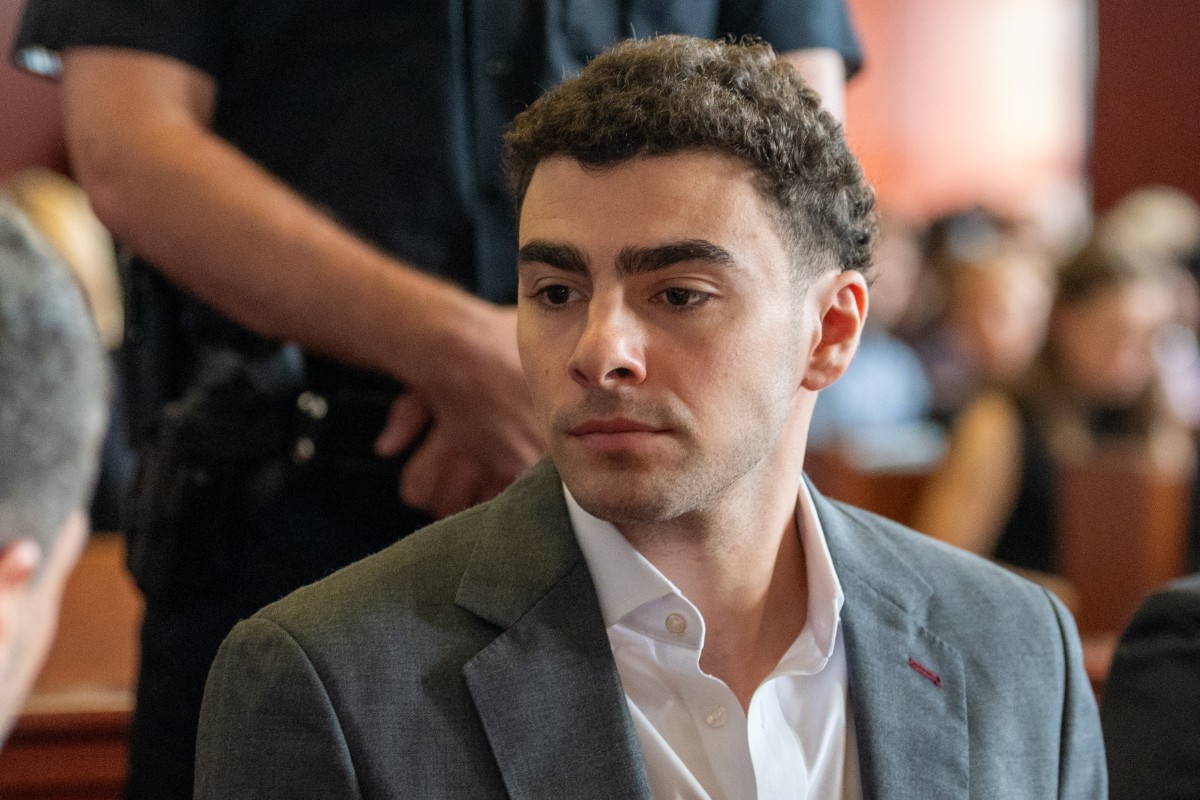
Luigi Mangione admitted Friday to fatally shooting Brian Thompson, the CEO of UnitedHealthcare, the largest health insurance group in the United States, during an appearance before a federal judge.
The case shocked the U.S. business community and dates back to December 2024, when Mangione opened fire on Thompson, 50, on a Manhattan street. Prosecutors have described the attack as being motivated by Mangione’s opposition to the U.S. health insurance system.
“On the morning of December 4, I shot Mr. Thompson in Manhattan and he died,” Mangione said as he pleaded guilty to a federal stalking charge related to his pursuit of the executive.
Mangione, 28, is scheduled to be sentenced on December 18, and prosecutors have indicated that they will seek a life sentence.
In addition to the federal charges related to stalking Thompson, Mangione also faces a murder case brought by the state of New York.
Advertisement
20260101_dengue_cubeta_728x90
20260101_dengue_barril_728x90
20260101_dengue_llanta_728x90
20260101_dengue_pileta_728x90
20260224_estafa_mh_728x90
20260212_constancia_pagos_mh_728x90
20250901_vacunacion_vsr-728x90
20250901_minsal_tetra_-728x90
20250701_vacunacion-influenza-728x90
20250701_vacunacion_vph-728x90
20250715_donacion_sangre_central_728x90
20231124_etesal_728x90_1
20230601_agenda_primera_infancia_728X90
domfuturo_netview-728x90
20240604_dom_728x90
CEL
Following his guilty plea in federal court, Mangione’s defense asked a state court to dismiss the state charges, arguing that prosecuting him again for the same conduct would violate protections against double jeopardy.
“We have just filed our motion in state court to explain why the charges should be dismissed under New York’s protections against double jeopardy,” Mangione’s attorney, Karen Friedman Agnifilo, said Friday.
Both the federal and state cases could result in a life sentence. Two other federal charges that initially carried the possibility of the death penalty were dismissed by a judge earlier this year.
ICE Plan to Equip Agents With Electric Shock Gloves Raises Abuse Concerns
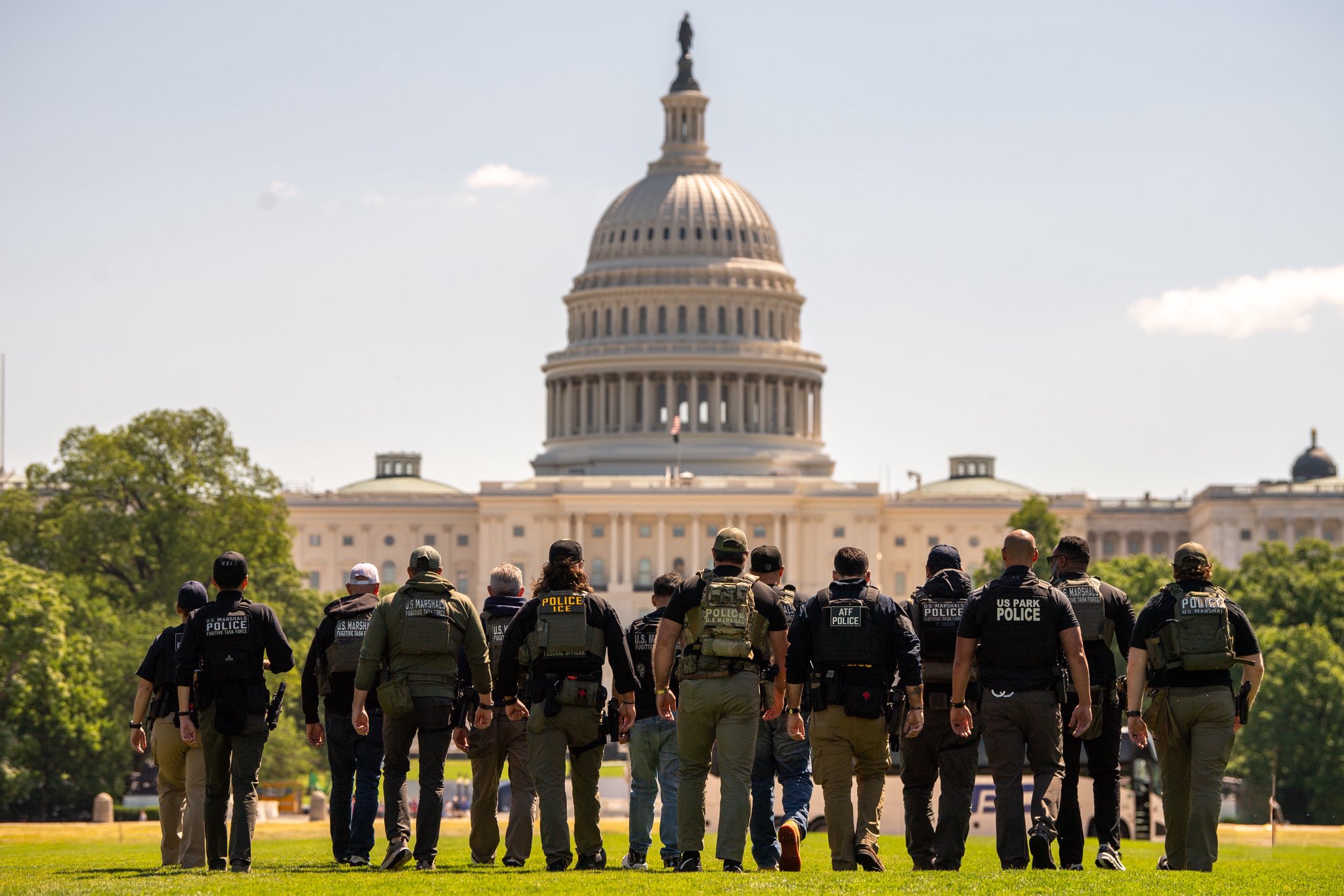
Plans to equip U.S. immigration agents with gloves capable of delivering electric shocks are raising concerns over potential abuses by a law enforcement agency that critics accuse of using excessive force and providing inadequate training to its personnel.
The plan involves the potential purchase of electric-shock gloves for agents with U.S. Immigration and Customs Enforcement (ICE), the agency primarily responsible for carrying out President Donald Trump’s campaign to deport millions of undocumented immigrants.
Democratic Representative Maxwell Frost criticized the proposal on X, arguing that the agency has already faced accusations of excessive force during immigration enforcement operations.
“As if assaulting and shooting people in the streets wasn’t enough,” Frost wrote. He also criticized the reported $20 million potential expenditure on the devices and called for greater restrictions on ICE.
The agency has faced growing scrutiny following a series of deadly shootings during immigration enforcement operations. Among the incidents were the deaths of two U.S. citizens in Minnesota in January who were participating in protests against the agency.
Advertisement
20260101_dengue_cubeta_728x90
20260101_dengue_barril_728x90
20260101_dengue_llanta_728x90
20260101_dengue_pileta_728x90
20260224_estafa_mh_728x90
20260212_constancia_pagos_mh_728x90
20250901_vacunacion_vsr-728x90
20250901_minsal_tetra_-728x90
20250701_vacunacion-influenza-728x90
20250701_vacunacion_vph-728x90
20250715_donacion_sangre_central_728x90
20231124_etesal_728x90_1
20230601_agenda_primera_infancia_728X90
domfuturo_netview-728x90
20240604_dom_728x90
CEL
Critics have focused on the tactics used by ICE agents when detaining immigrants, as well as allegations that training standards for newly recruited personnel have been lowered.
According to a procurement plan first reported by the Associated Press, the Department of Homeland Security (DHS), which oversees ICE, could spend between $10 million and $20 million on the devices.
The gloves are described by the agency as tools intended for “distraction and de-escalation,” rather than lethal weapons. The system, known as GLOVE, stands for “Generated Low-Output Voltage Emitter.”
The device is manufactured by Compliant Technologies, a Kentucky-based company that describes its products as advanced non-lethal tools designed to protect and assist law enforcement and other personnel.
The proposal comes amid an intensifying national debate over ICE’s enforcement methods and the use of force during the Trump administration’s immigration crackdown.
Three U.S. Executions Set for Same Day as Trump Pushes to Expand Death Penalty
The death penalty has been abolished in 23 of the 50 U.S. states, while three others —California, Oregon and Pennsylvania— currently have moratoriums in place.
The United States is set to carry out three executions on the same day, a rare occurrence that has not happened since 2010, according to the nonprofit Death Penalty Information Center.
President Donald Trump has sought to expand the use of capital punishment for what he describes as “the most heinous crimes.” In April, the Department of Justice proposed expanding execution methods to include firing squads, lethal gas and electrocution.
Tennessee is scheduled to execute Anthony Darrell Dugard Hines, 66, on Thursday. He was sentenced to death for the 1985 murder of a woman, according to local media.
In Oklahoma, Carlos Cuesta-Rodríguez, 70, is scheduled to be executed for a 2003 murder.
Advertisement
20260101_dengue_cubeta_728x90
20260101_dengue_barril_728x90
20260101_dengue_llanta_728x90
20260101_dengue_pileta_728x90
20260224_estafa_mh_728x90
20260212_constancia_pagos_mh_728x90
20250901_vacunacion_vsr-728x90
20250901_minsal_tetra_-728x90
20250701_vacunacion-influenza-728x90
20250701_vacunacion_vph-728x90
20250715_donacion_sangre_central_728x90
20231124_etesal_728x90_1
20230601_agenda_primera_infancia_728X90
domfuturo_netview-728x90
20240604_dom_728x90
CEL
Meanwhile, Alabama plans to execute Jeremy Williams, 42, who was sentenced to death for the rape and murder of a five-year-old girl.
The United States carried out 47 executions in 2025, the highest number since 2009, when 52 executions were recorded.
Florida conducted the largest number of executions last year, with 19, followed by Alabama, South Carolina and Texas, with five each.
Of the executions carried out in 2025, 39 were conducted by lethal injection. Three were carried out by firing squad and five through nitrogen hypoxia, a method that involves forcing nitrogen gas into a face mask, depriving the prisoner of oxygen.
The United Nations has condemned nitrogen gas as a cruel and inhumane method of capital punishment.