
International
Trump promises the largest deportation of migrants in history, “they are going to destroy the country”
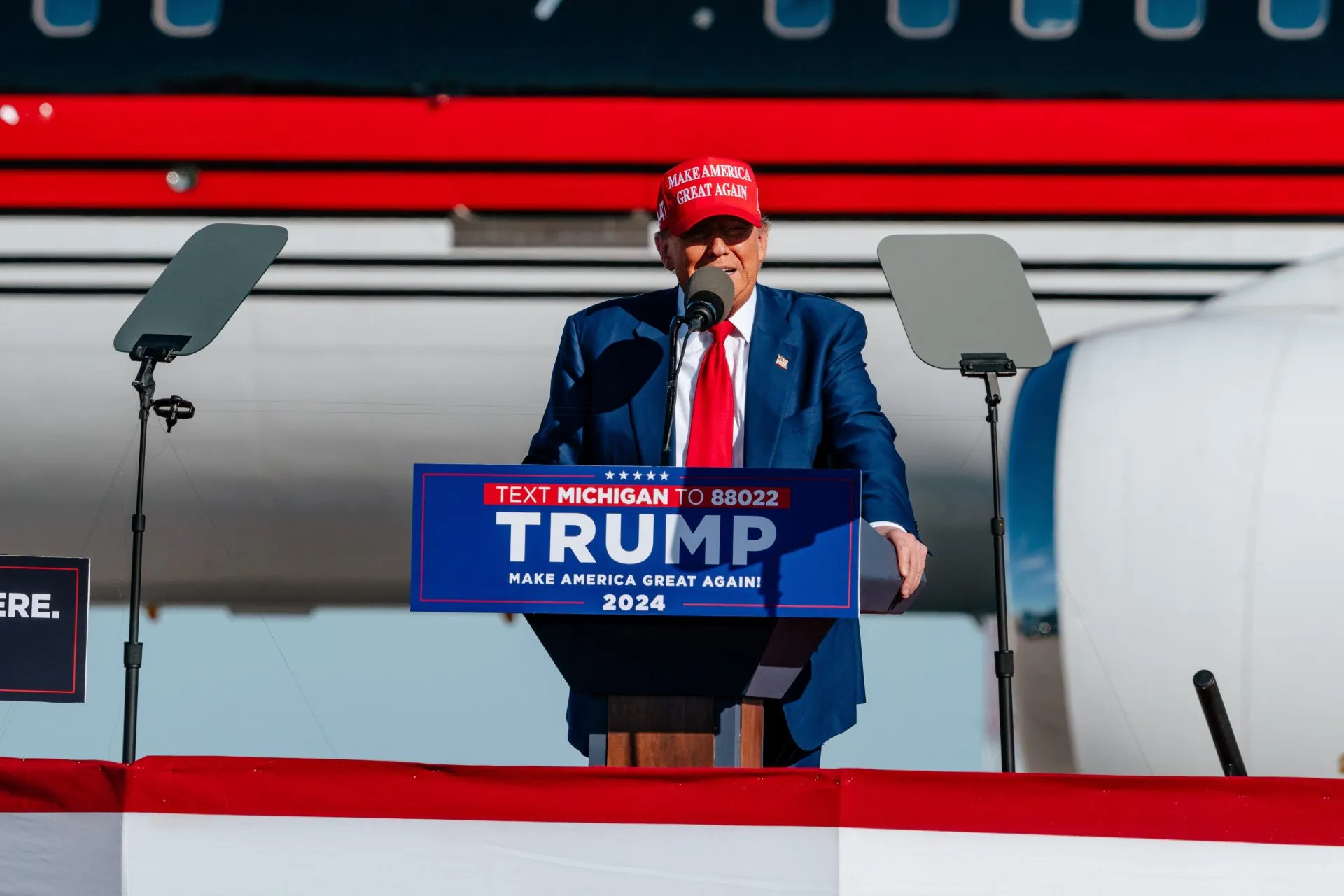
The former president of the United States and Republican pre-candidate Donald Trump promised to carry out the “highest deportation” of migrants in the country’s history if he returns to the White House after the elections on November 5, because “they are going to destroy the country.”
“Allowing the entry through the southern border of millions and millions of people, many of them very bad, is not sustainable. They are going to destroy the country. We are going to do the biggest deportation in history. We have no other choice,” he said at a campaign rally in Waukesha, in the key state of Wisconsin.
The former president once again accused his rival, Democratic President Joe Biden, of having applied an open border policy during the last four years that has resulted in an “invasion” of migrants.
Trump made these statements a day after an interview with Time magazine was published in which he detailed that he plans to deploy the Army to persecute and detain undocumented migrants if he wins the elections.
In the same interview, he did not rule out the possibility of building new migrant detention camps. Although he did not point it out as a priority since his plan is to deport them quickly.









Trump, who won the elections in 2016 after promising to build a wall on the border with Mexico, has put migration back at the center of his campaign, which has become one of the issues of greatest concern for voters.
The Republican took advantage of a pause in the open criminal trial he has in New York to campaign in Wisconsin and Michigan. Places where he is practically tied with Biden in the polls.
The New York tycoon already visited these two states in the midwest of the country in April and then also insisted on the issue of migration, since he accused the current president of having caused a “bloodbath at the border.”
The Biden Administration annulled Trump’s policy that facilitated the return of hot migrants. It launched humanitarian permit programs for people from several countries, while restricting asylum applications at the border.
More than two million people were arrested last year when crossing the southern border of the United States irregularly.






International
Iran issues threat to Trump as conflict escalates over Strait of Hormuz
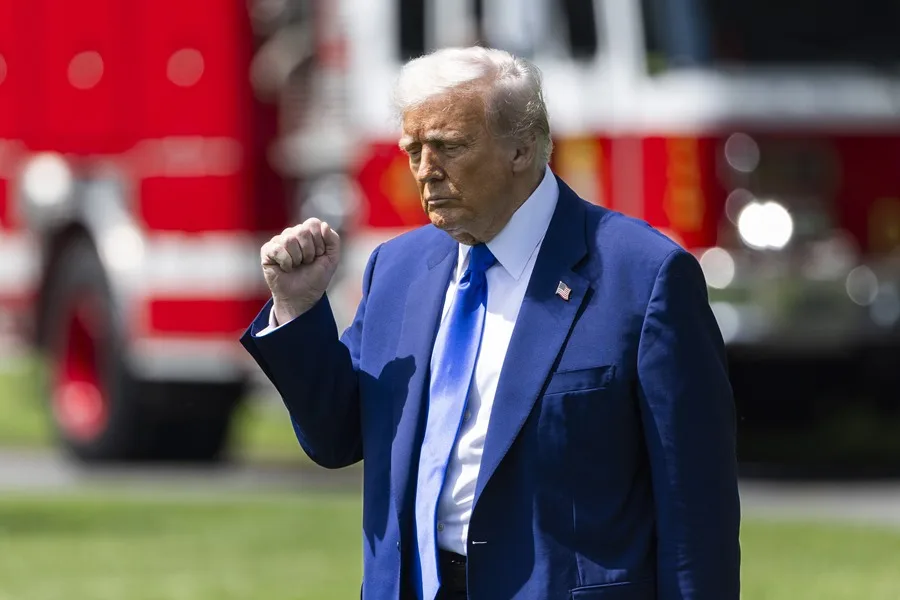
The head of Iran’s Supreme National Security Council, Ali Larijani, threatened U.S. President Donald Trump on Tuesday, warning him to “beware of being eliminated.”
The Republican president had warned on Monday that he would strike Iran “very hard” if the Islamic Republic blocked oil shipments through the Strait of Hormuz, which has effectively been closed since the war began eleven days ago.
“Iran is not afraid of your empty threats. Others more powerful than you tried to destroy the Iranian nation and failed. Beware that you are not eliminated,” Larijani wrote on X.
Earlier, Iran’s Revolutionary Guards — the ideological military force of the Islamic Republic — also said their forces would move to block oil exports from the Gulf.
Meanwhile, Israeli Prime Minister Benjamin Netanyahu said Israel’s military offensive against Iran is far from over.
“Our aspiration is that the Iranian people free themselves from the yoke of tyranny; ultimately, that depends on them. But there is no doubt that with the measures taken so far we are breaking their bones, and we are not finished yet,” Netanyahu said in a statement.
International
Driver detained after suspicious vehicle incident near the White House

The driver was detained and no injuries were reported after an incident that occurred before dawn in Lafayette Square, just north of the White House.
The U.S. Secret Service, which is responsible for presidential security, said in a statement that it was “investigating a suspicious vehicle.” The driver of the car was taken into custody and is currently being questioned.
Washington remains under heightened security measures amid the ongoing conflict involving the United States and Israel against Iran.
Police closed several major streets around the White House. However, by about 8:30 a.m. local time (12:30 GMT), government employees and staff from nearby institutions were allowed to pass through the area with proper identification, according to an AFP journalist at the scene.
Dozens of emergency vehicles with flashing lights responded to the location, while tourists and residents waited for authorities to reopen the streets.
International
Trump Raises Possibility of “Friendly Takeover” of Cuba Amid Deepening Crisis
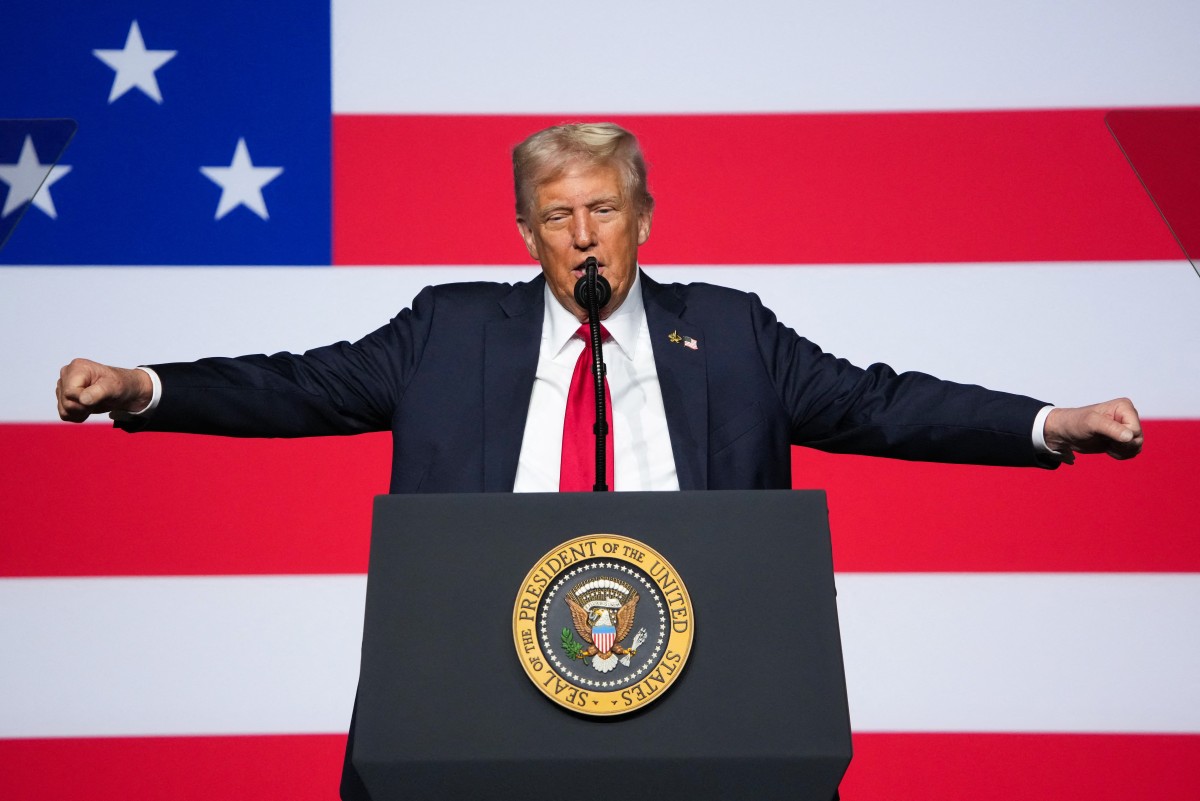
The President of the United States, Donald Trump, reiterated Monday the possibility that Washington could pursue a “friendly takeover” of Cuba, amid the severe crisis facing the island following the oil blockade promoted by the U.S. government.
Speaking at a press conference in Miami, the president said that U.S. Secretary of State Marco Rubio is currently “negotiating” with representatives of the Cuban government, although authorities in Havana have repeatedly denied that such talks are taking place.
Trump suggested that Washington could play a more direct role in the island’s future.
“It may be a friendly takeover. It may not be a friendly takeover. It wouldn’t matter because they’re really down to, as they say, fumes. They have no energy, they have no money. They are in deep trouble on a humanitarian basis, and we really don’t want to see that,” the U.S. president said.
The president also argued that the Cuban government had long depended heavily on support from Venezuela, particularly oil supplies.
According to Trump, that support has been drastically reduced following measures adopted by Washington.
“They were living off Venezuela. Venezuela doesn’t send them energy, fuel, oil, money, or anything anymore. They couldn’t survive without Venezuela, they couldn’t have made it, and we cut everything off,” Trump said.

UN experts warn Nicaragua runs vast transnational network to monitor exiled dissidents

Iran issues threat to Trump as conflict escalates over Strait of Hormuz

Driver detained after suspicious vehicle incident near the White House
Tec de Monterrey honors one of its students for his contribution to nanotechnology in medicine

Defense Minister commends salvadoran soldier for Central American Cross Country victory

Extension of the state of emergency approved in southern Chile
-
 International5 days ago
Trump announces 17-nation alliance in the Americas to “destroy” drug cartels
-
International4 days ago
Mexico, Brazil and Colombia left out of Trump’s “Shield of the Americas” summit
-
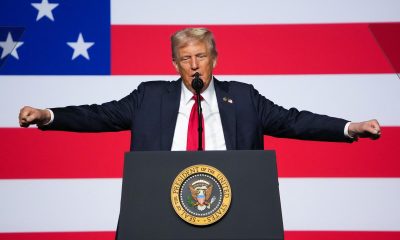
 International2 days ago
Trump Raises Possibility of “Friendly Takeover” of Cuba Amid Deepening Crisis
-

 Central America2 days ago
Guatemala Remains in “Restricted” Press Freedom Category, Chapultepec Index Warns
-
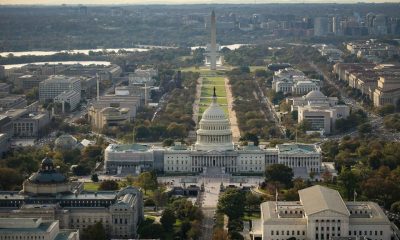 International14 hours ago
Driver detained after suspicious vehicle incident near the White House
-
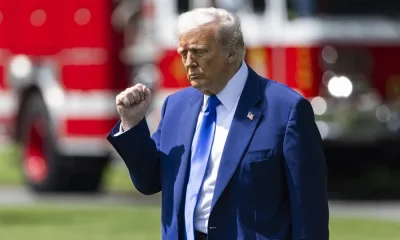 International14 hours ago
Iran issues threat to Trump as conflict escalates over Strait of Hormuz
-
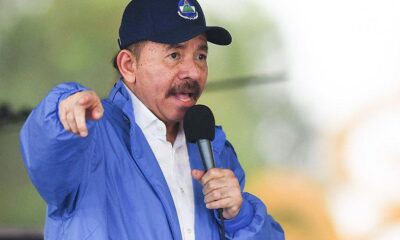
 Central America2 days ago
UN Report Warns of Nicaragua’s “Transnational” Surveillance Network Targeting Dissidents
-
 Sin categoría14 hours ago
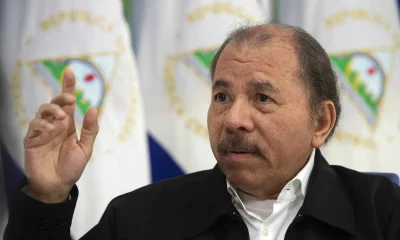
UN experts warn Nicaragua runs vast transnational network to monitor exiled dissidents
-
 Central America2 days ago
UN Rapporteur Warns of “Deep Crisis” in Guatemala’s Judicial System