
International
Biden emphasizes that US support for Israel against Iran is “steal”
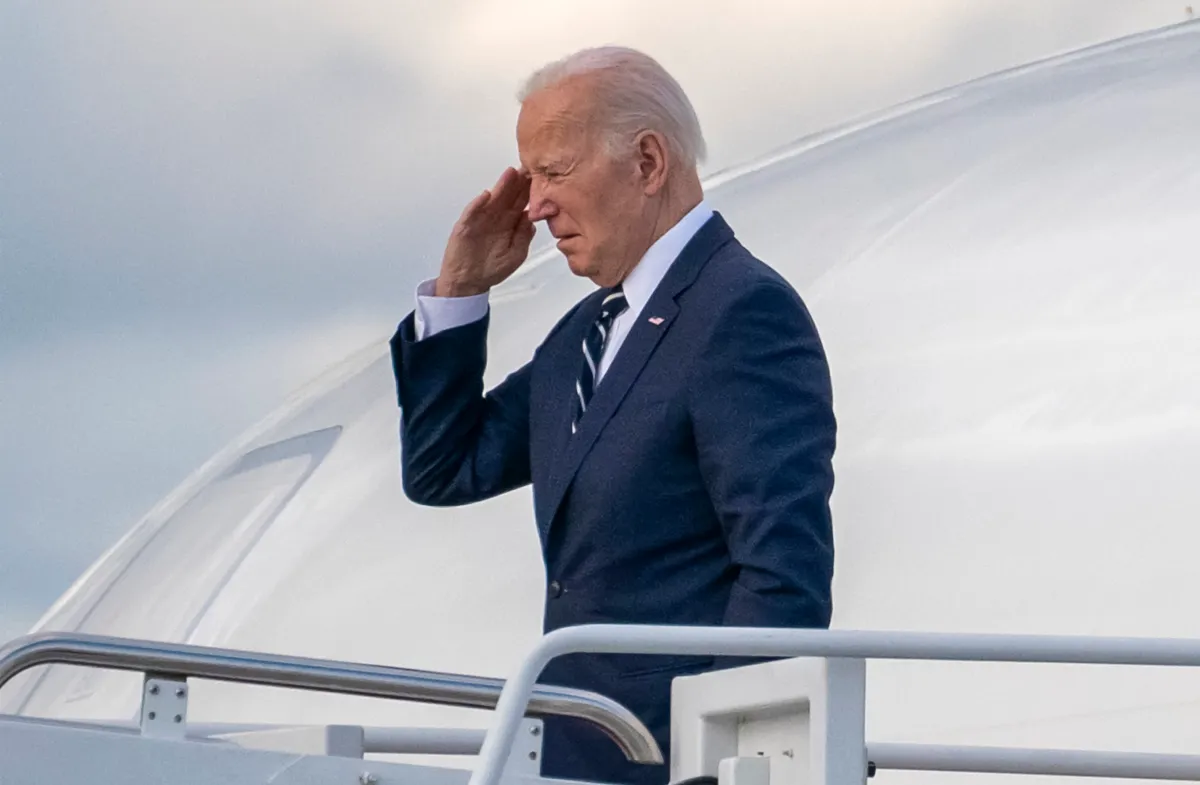
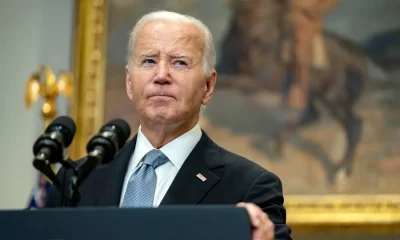
US President Joe Biden stressed after meeting with his National Security team that the United States’ commitment to Israel against Iran is “stiron.”
The president accompanied his message in X with a photo of the meeting in the crisis room of the White House, known as the ‘Situation Room’, in which he is next to the Secretary of State, Antony Blinken, and the Secretary of Defense, Lloyd Austin, among others.
Both Biden and Blinken, who appear from the front, are seen with a serious countenance, in a suit but without a tie.
The National Security team, an emergency meeting this Saturday afternoon, also included the director of the CIA, Bill Burns; the White House National Security Advisor, Jake Sullivan, and the head of the Joint Chief of Staff, Charles Brown, among others, as previously reported by the White House.
Biden had planned to spend the weekend at his beach residence in Delaware but returned unexpectedly just before the Iranian attack on Israel was confirmed.









That offensive comes in retaliation against Israel for the attack on the Iranian consulate in Damascus that killed seven members of the Iranian Revolutionary Guard, in addition to destroying the building attached to the Tehran embassy, which was the residence of the Iranian ambassador.
US President Joe Biden assured the Israeli Prime Minister, Benjamin Netanyahu, of his support against Iran. He assured that US forces have helped to stop that attack and advanced that he will summon his G7 counterparts to coordinate a diplomatic response.
“I have told him that Israel has demonstrated a remarkable ability to defend itself against and even defeat unprecedented attacks – sending a key message to its enemies that they cannot effectively threaten Israel’s security,” he said in a statement released by the White House.
The presidential statement assures that the United States helped Israel tonight to “smoill almost all incoming drones and missiles” launched by Iran or its allied militias in the region, which the Israeli Ministry of Defense quantified at just over 200.
Since the US Presidency, US support had been reaffirmed in recent days and this same Saturday, but this phone call offered the Democratic president the opportunity to communicate it directly to Netanyahu on the same day that Iran fulfilled its threat.
Biden pointed out that under his instructions, and to support the defense of Israel, last week the US Army moved planes and defense destroyers against ballistic missiles to the region.
The president condemned the Iranian attack “as firmly as possible.” He recalled that it originated, not only in Iran, but also in Yemen, Syria and Iraq, where Allied militias in Tehran operate.
This Sunday, according to Biden, the United States will summon the rest of the G7 leaders “to coordinate a united diplomatic response to Iran’s brazen attack.”
Biden added that although the United States has not recorded attacks against its forces or facilities this Saturday, it will remain vigilant about it and will not hesitate to “take the necessary steps” to protect its people.
The Pentagon reported that its forces in the Middle East remain in an alert position to protect its soldiers and allies after intercepting “dozens of missiles and drones aimed at Israel” launched by Iran and its allied militias.
“US forces in the Middle East on April 13 intercepted dozens of missiles and drones aimed at Israel launched from Iran, Iraq, Syria and Yemen. Our forces remain deployed to protect US troops and our allies in the region, provide support to Israeli defense and promote regional stability,” U.S. Secretary of Defense Lloyd Austin said in a statement.
The head of the Pentagon condemned “the unprecedented and irresponsible attacks” of Iran and its allies, and asked them to stop any plan for new attacks and reduce the escalation of tension with Israel.
“We are not looking for the conflict with Iran, but we will not hesitate to act to protect our forces and in support of the defense of Israel,” Austin said.
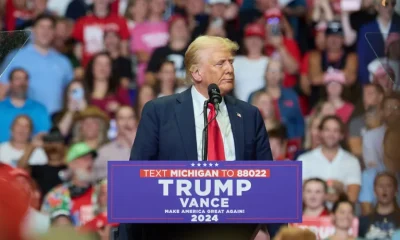
Former US President and electoral pre-candidate Donald Trump (2017-2021) showed the country’s support for Israel. He considered that Iran’s attack would not have occurred if he had been in the White House.
“UNITED STATES SUPPORTS ISRAEL!” he said on his social network, Truth Social.
The former Republican president added in another message on that same account that “the attack should never have been allowed to take place.” He emphasized that that “NEWR” is what would have happened if he were president.















































International
FBI Warns of Possible Iranian Drone Attack on U.S. West Coast
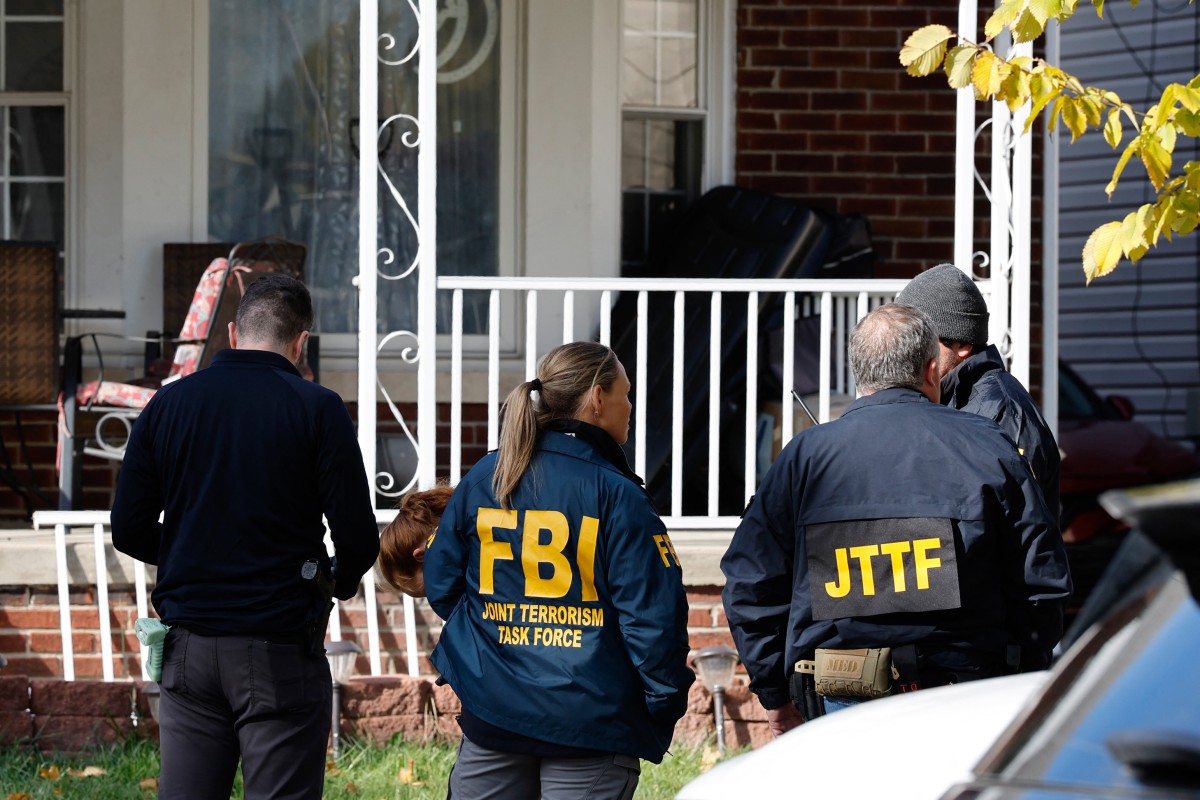
The Federal Bureau of Investigation (FBI) has warned police departments in California about a possible Iranian plan to carry out a drone attack against the west coast of the United States, according to a report published Wednesday by ABC News.
The warning was issued through a memorandum sent to agencies participating in a Joint Terrorism Task Force, outlining the possibility of a surprise attack involving unmanned aerial vehicles launched from a vessel off the U.S. coastline.
According to the document, intelligence suggested that in early February 2026 Iran may have considered an attack against unspecified targets in California if the United States carried out airstrikes on Iranian territory.
However, the memo also noted that authorities lack additional details about the timing, method, specific targets, or individuals responsible for the alleged plan.
Reports cited by U.S. media indicate that the alert coincided with the start of a military offensive by the administration of Donald Trump against the Iran, a development that has heightened tensions across the Middle East.
Law enforcement sources with counterterrorism experience told the Los Angeles Times that the warning is part of a routine precautionary advisory based on information from the U.S. Coast Guard.
The sources emphasized that there is no credible indication of an imminent attack and no evidence that Iran currently has the capability to successfully carry out such an operation.
California is home to the largest Iranian community in the United States. According to the Migration Policy Institute, more than half of Iranian immigrants in the country lived in the state in 2019, including around 140,000 people in Los Angeles County alone.
The city also hosts a neighborhood widely known as “Tehrangeles,” where a large Iranian community began settling in the 1960s and continued to grow following the Iranian Revolution.
International
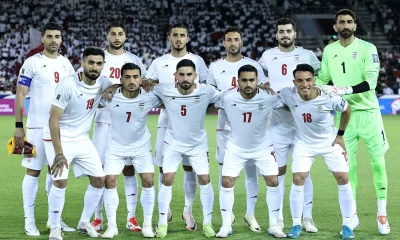
Trump Says Iran Is Welcome at 2026 World Cup but Warns of Security Concerns
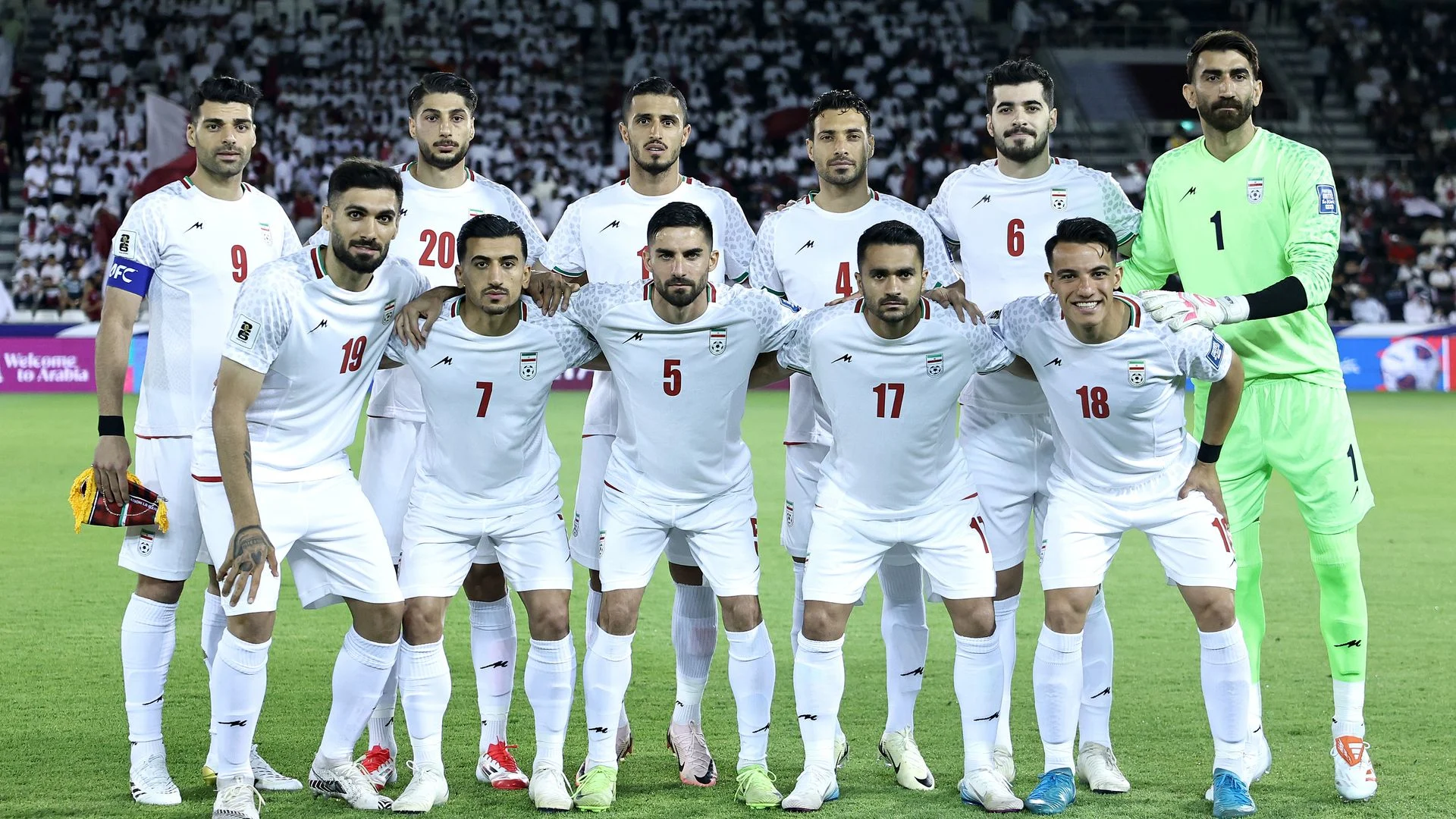
The President of the United States, Donald Trump, said Thursday that the national football team of Iran is “welcome” to participate in the 2026 World Cup, although he suggested it might be safer for the team not to take part in the tournament.
“The Iranian national soccer team is welcome at the World Cup, but I really don’t think it’s appropriate for them to be there, for their own safety,” Trump wrote on his social media platform Truth Social.
His comments came a day after Iran’s sports minister, Ahman Donyamali, said that there are currently no conditions for the country to participate in the tournament following the killing of Iran’s Supreme Leader, Ali Khamenei, during a military offensive launched on February 28 by Israel and the United States.
“After the corrupt government killed our leader, there are no conditions that allow us to take part in the World Cup,” the Iranian official said. He added that the country has faced two wars in the past eight or nine months, resulting in thousands of civilian deaths, making participation in the tournament unlikely.
On Tuesday, the president of FIFA, Gianni Infantino, met with Trump at the White House.
Following the meeting, Infantino said that Trump reiterated that Iran’s national team would be allowed to compete in the FIFA World Cup 2026.
“We discussed the current situation in Iran and the fact that the Iranian team has qualified to participate in the FIFA World Cup 2026. During the conversation, President Trump reiterated that the Iranian team is, of course, welcome to compete in the tournament in the United States,” Infantino wrote on Instagram.
International
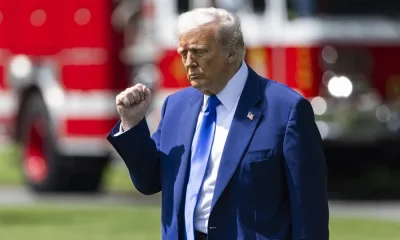
Iran issues threat to Trump as conflict escalates over Strait of Hormuz
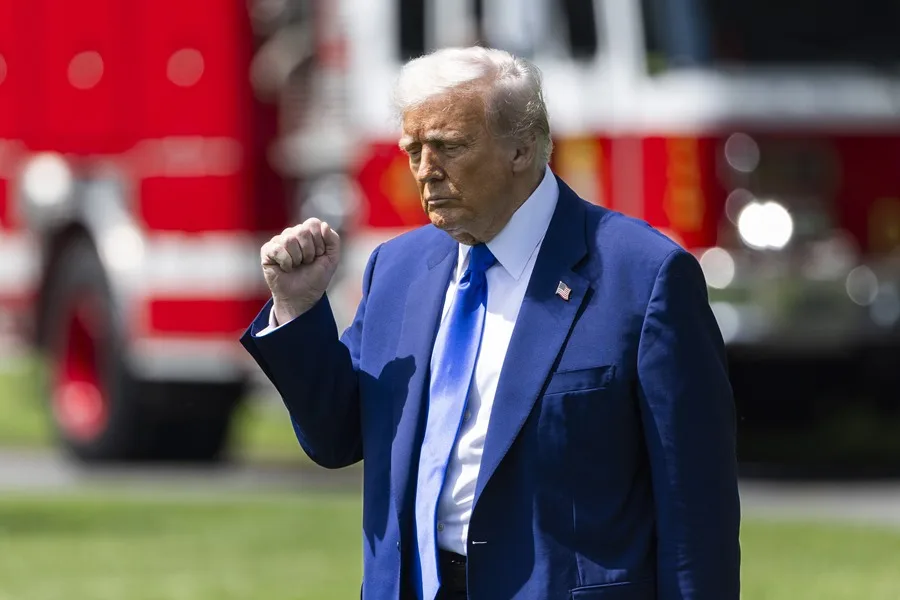
The head of Iran’s Supreme National Security Council, Ali Larijani, threatened U.S. President Donald Trump on Tuesday, warning him to “beware of being eliminated.”
The Republican president had warned on Monday that he would strike Iran “very hard” if the Islamic Republic blocked oil shipments through the Strait of Hormuz, which has effectively been closed since the war began eleven days ago.
“Iran is not afraid of your empty threats. Others more powerful than you tried to destroy the Iranian nation and failed. Beware that you are not eliminated,” Larijani wrote on X.
Earlier, Iran’s Revolutionary Guards — the ideological military force of the Islamic Republic — also said their forces would move to block oil exports from the Gulf.
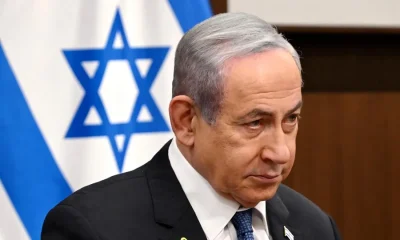
Meanwhile, Israeli Prime Minister Benjamin Netanyahu said Israel’s military offensive against Iran is far from over.
“Our aspiration is that the Iranian people free themselves from the yoke of tyranny; ultimately, that depends on them. But there is no doubt that with the measures taken so far we are breaking their bones, and we are not finished yet,” Netanyahu said in a statement.


FBI Most Wanted Fugitive Arrested in Mexico and Deported to U.S.

FBI Warns of Possible Iranian Drone Attack on U.S. West Coast

Trump Says Iran Is Welcome at 2026 World Cup but Warns of Security Concerns
Tec de Monterrey honors one of its students for his contribution to nanotechnology in medicine

Defense Minister commends salvadoran soldier for Central American Cross Country victory

Extension of the state of emergency approved in southern Chile
-
 International5 days ago
Mexico, Brazil and Colombia left out of Trump’s “Shield of the Americas” summit
-

 Central America3 days ago
Guatemala Remains in “Restricted” Press Freedom Category, Chapultepec Index Warns
-
 International3 days ago
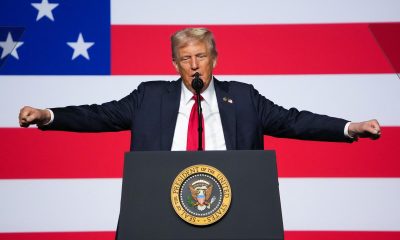
Trump Raises Possibility of “Friendly Takeover” of Cuba Amid Deepening Crisis
-
 International2 days ago
Iran issues threat to Trump as conflict escalates over Strait of Hormuz
-
 International2 days ago
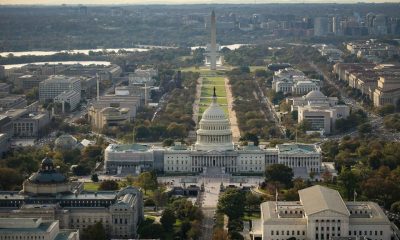
Driver detained after suspicious vehicle incident near the White House
-
 International18 hours ago
FBI Warns of Possible Iranian Drone Attack on U.S. West Coast
-
 International18 hours ago
Trump Says Iran Is Welcome at 2026 World Cup but Warns of Security Concerns
-

 Central America3 days ago
UN Report Warns of Nicaragua’s “Transnational” Surveillance Network Targeting Dissidents
-
 Sin categoría2 days ago
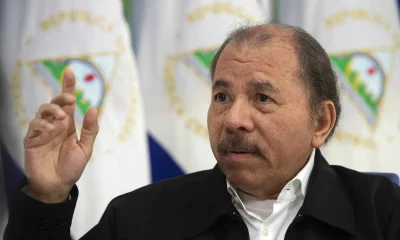
UN experts warn Nicaragua runs vast transnational network to monitor exiled dissidents
-
 Central America3 days ago
UN Rapporteur Warns of “Deep Crisis” in Guatemala’s Judicial System
-
 Sin categoría18 hours ago
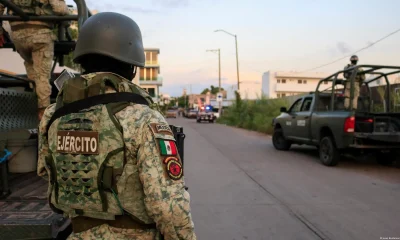
FBI Most Wanted Fugitive Arrested in Mexico and Deported to U.S.