
International
The Portuguese center-right leader expects the president to appoint him prime minister
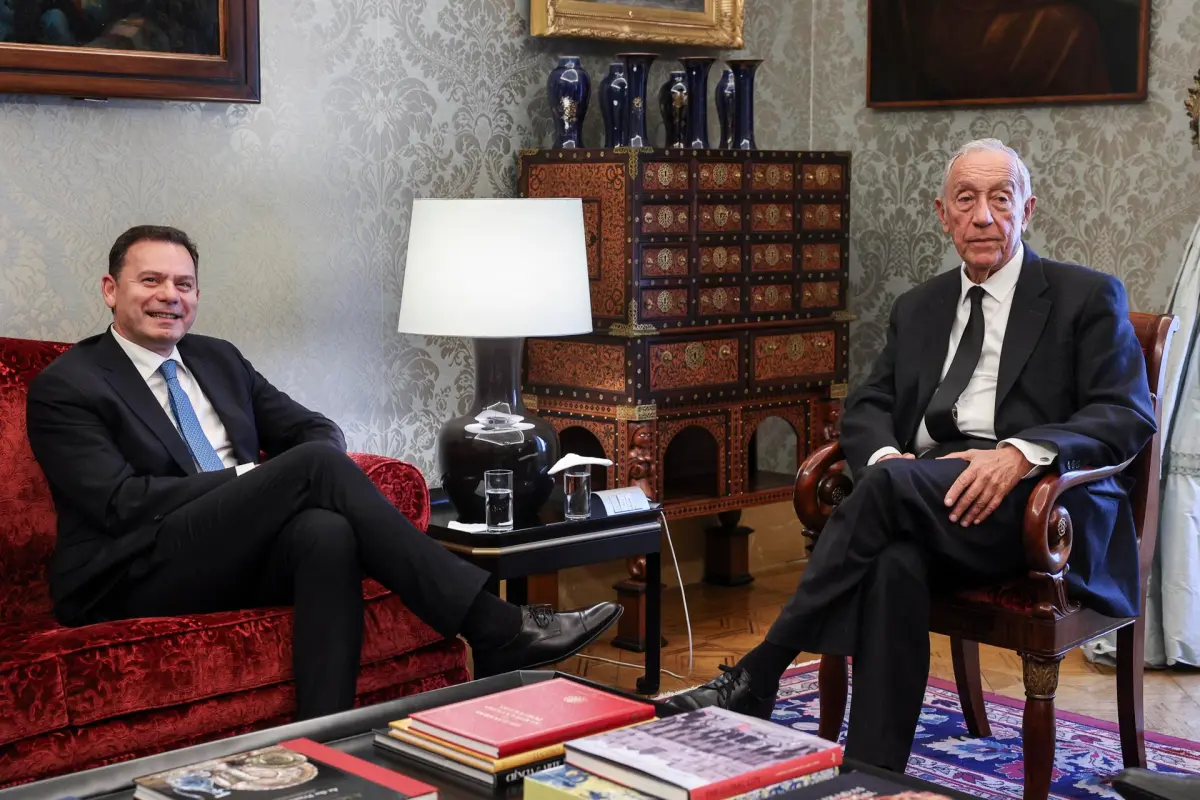
The leader of the center-right coalition Democratic Alliance (AD), Luís Montenegro, reiterated that he hopes that the president of Portugal, Marcelo Rebelo de Sousa, will appoint him prime minister as soon as the results of the vote abroad of the legislative elections of last March 10 are known.
“My expectation is now to wait for the decision that is exclusively up to the President of the Republic to appoint (prime minister) the leader of the Democratic Alliance coalition in case he has been the winner of the elections to form a Government,” he said in statements to journalists after a meeting with Rebelo de Sousa.
The Portuguese Presidency reported that there could be a new hearing with Montenegro this Wednesday, if the results of the vote of emigrants living abroad are disclosed.
The leader of AD said that, from what is known so far, the vote abroad will keep his coalition as the winner of the elections.
Thus, AD – formed by his party, the Social Democrat (PSD) and the Christian Democrat CDS-PP – will have a majority in the House, although it is far from the absolute, and therefore he expects the head of state to invite him to form a government, he said.









In addition, he recorded “with satisfaction the sense of responsibility” of the secretary general of the Socialist Party (PS), Pedro Nuno Santos, who already assumed that he will be opposition and was available to seek agreements on common measures such as a salary improvement for some officials.
The leader of AD did not want to advance any details about a future Government and did not answer questions such as whether Liberal Initiative could enter the Executive or if he will present an amending Budget for 2024.
“All issues that have to do with the exercise of the Government’s activity will be taken when there is a Government,” he said.
In the absence of knowing the 4 seats of the vote abroad, AD has 79 deputies, compared to 77 of the PS, although it is very far from the absolute majority (at least 116 seats).
The far-right Chega, with whom Montenegro refuses to make a pact, won 48 seats.
The counting of the vote of the emigrants ends this Wednesday, when the preliminary results are expected to be disclosed, and, according to local media, Chega would take two deputies, while AD and the socialists would share the other two.






International
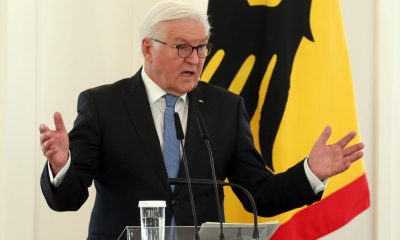
German president says trust in U.S. leadership is ‘lost’ amid global tensions
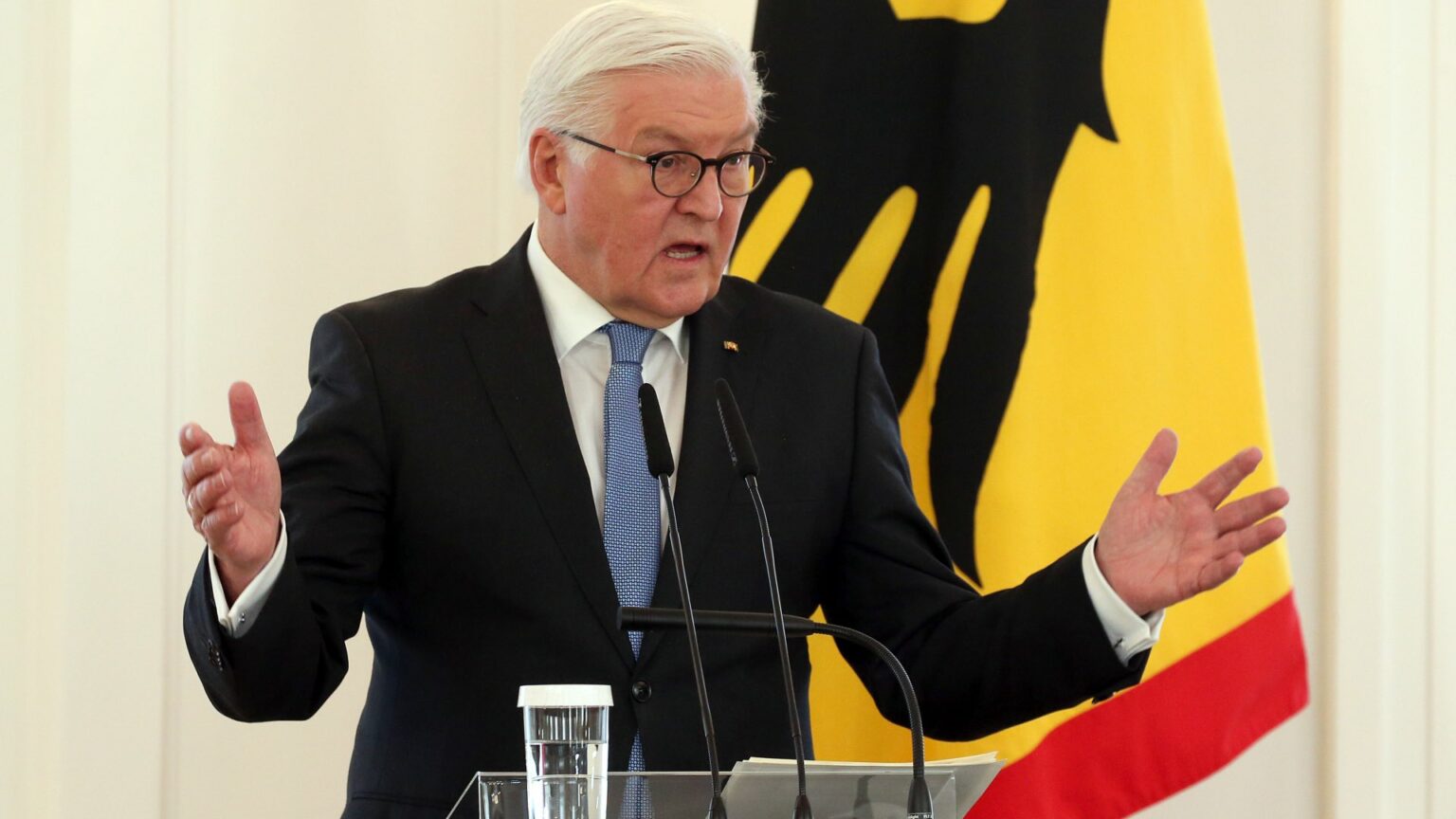
German President Frank-Walter Steinmeier said on Tuesday that trust between the United States and its Western allies has been “lost,” warning that the damage could persist beyond the presidency of Donald Trump.
“The rupture is very deep, and the loss of trust in U.S. great power policy is significant—not only among its allies, but also, as I observe, globally,” Steinmeier said during a speech in Berlin marking the 75th anniversary of Germany’s Foreign Ministry.
Referring to the future of transatlantic relations, he stated that “there is no return to the situation before January 20, 2025,” the date marking the start of Trump’s second term in the White House.
“Even a future U.S. administration will no longer be able to resume the role of a benevolent hegemon guaranteeing a liberal international order,” added Steinmeier, who previously served as Germany’s foreign minister.
He also criticized the war against Iran, describing it as “contrary to international law” and calling it “a political mistake with serious consequences.”
“This war is avoidable and unnecessary,” he said.
Although the German presidency is largely ceremonial, Steinmeier’s remarks reflect a broader concern within Germany, aligning with the government’s cautious stance while going further in tone.
International
Trump claims talks with Iran as G7 meets to address global tensions
U.S. President Donald Trump said that the United States has held talks with Iran—a claim denied by Tehran—and has temporarily paused his threat to target the country’s electrical infrastructure.
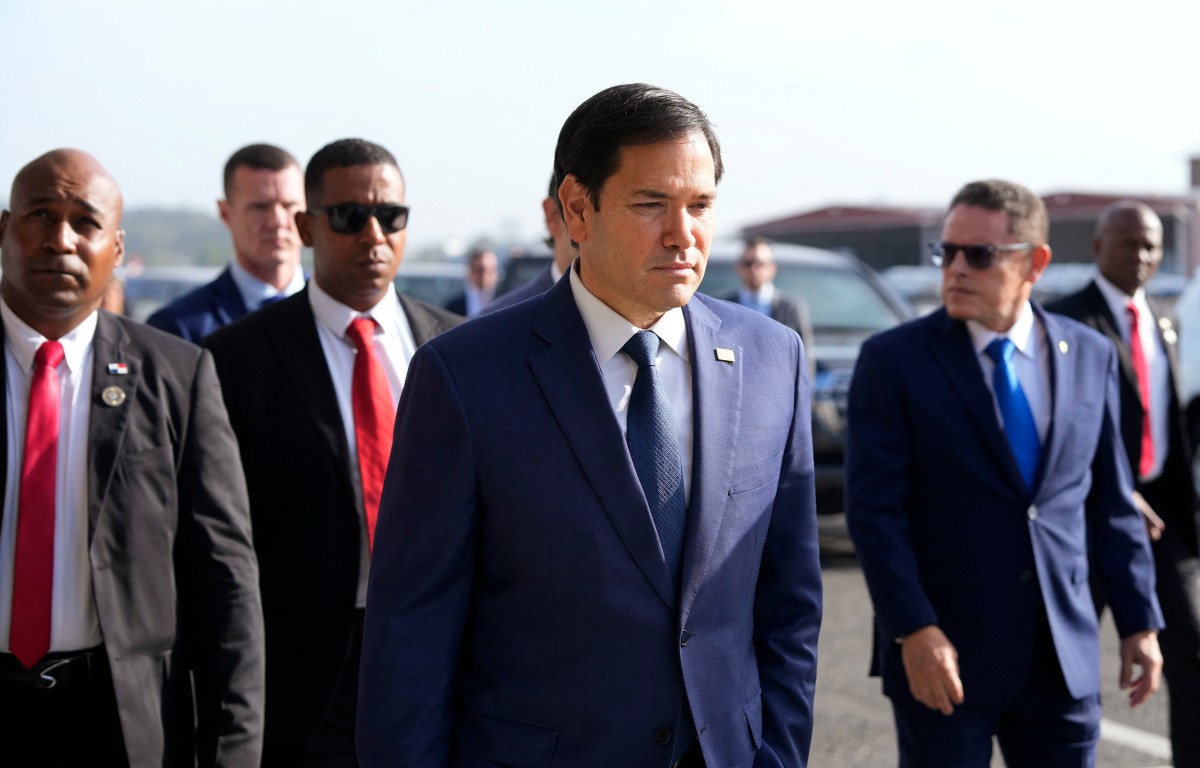
In his first overseas trip since the United States and Israel launched their offensive on February 28, U.S. Secretary of State Marco Rubio is expected to address key global issues, including the situation in the Middle East, according to State Department spokesperson Tommy Pigott.
Foreign ministers from the Group of Seven will meet in Cernay-la-Ville, close to Versailles, on the outskirts of Paris.
During the meeting, Rubio will hold discussions with his counterparts on “the war between Russia and Ukraine, the situation in the Middle East, and threats to global peace and stability,” Pigott said.
France currently holds the presidency of the G7, whose members also include the United Kingdom, Canada, Germany, Italy, and Japan.
Although all G7 nations are close allies of the United States, none has offered explicit support for Washington’s military actions against Iran, a stance that has reportedly frustrated Trump.
Last Saturday, G7 foreign ministers called for an “immediate and unconditional end” to Iranian attacks against U.S. allies in the Middle East.
International
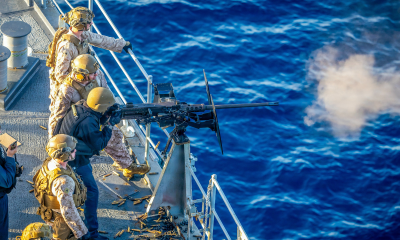
Pentagon to deploy 3,000 troops to Persian Gulf as Middle East tensions escalate
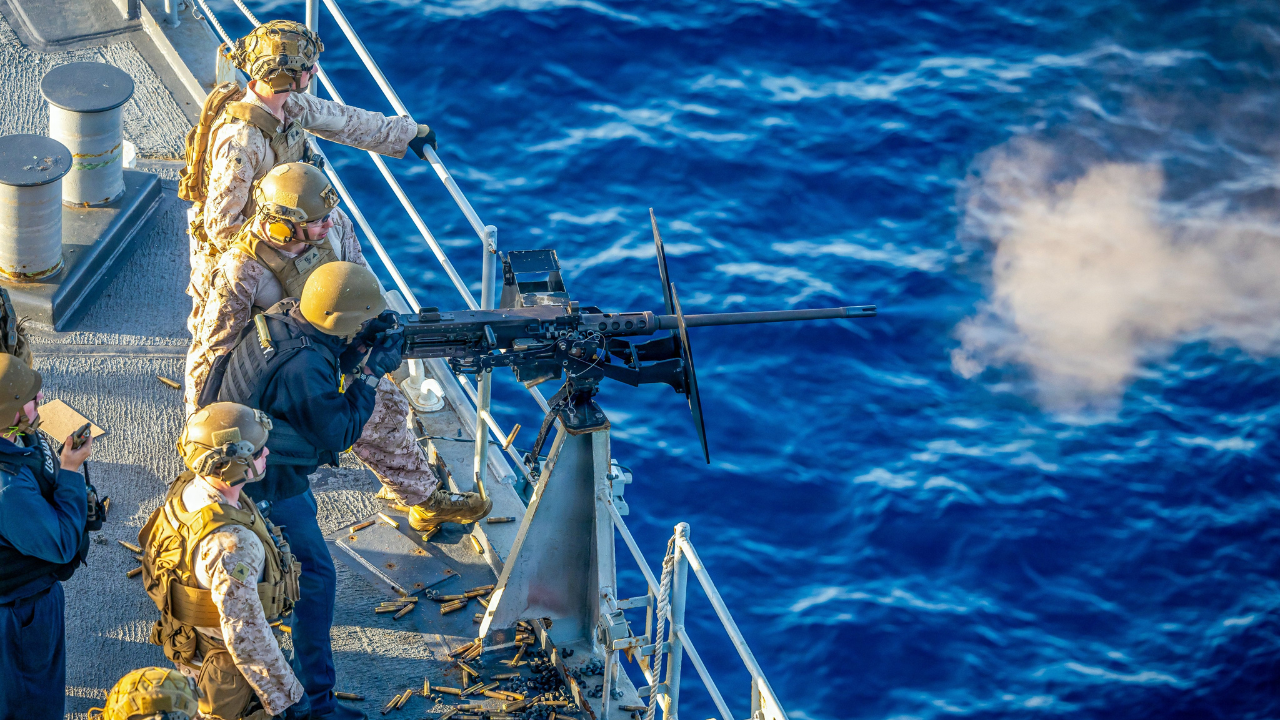
The Pentagon is planning to deploy nearly 3,000 troops from the 82nd Airborne Division to the Persian Gulf, according to two senior officials cited Tuesday by Spanish newspaper El País.
Meanwhile, Hezbollah warned it would confront any attempt at occupation following Israel’s announcement that its military will take control of southern Lebanon up to the Litani River, located about 30 kilometers from the border.
In recent hours, the Israel Defense Forces carried out airstrikes on Beirut, while Iran and Hezbollah responded with attacks on Israel, leaving at least six people with minor injuries in Tel Aviv.
The escalation comes as global markets react to renewed instability. The price of oil rose again above $100 per barrel after a brief decline the previous day, following an announcement by U.S. President Donald Trump of a five-day truce on attacks targeting Iran’s energy infrastructure.
Despite the announcement, Iranian authorities reported that two projectiles struck a gas pipeline in Khorramshahr and administrative buildings at a gas facility in Isfahan early Tuesday.

German president says trust in U.S. leadership is ‘lost’ amid global tensions

Trump claims talks with Iran as G7 meets to address global tensions

Pentagon to deploy 3,000 troops to Persian Gulf as Middle East tensions escalate
Tec de Monterrey honors one of its students for his contribution to nanotechnology in medicine

Defense Minister commends salvadoran soldier for Central American Cross Country victory

Extension of the state of emergency approved in southern Chile
-
 Sin categoría1 day ago
Tehran engulfed in toxic cloud after strikes on fuel facilities
-

 International5 days ago
US panel backs Trump-themed coin amid controversy
-
 Central America5 days ago
Guatemala narrows emergency measures to hardest-hit gang violence areas
-
 International1 day ago
IEA warns Middle East conflict could spark worst energy crisis in decades
-
 Central America1 day ago
Panama seizes over 1,200 drug packages in container bound for Lithuania
-
 International10 hours ago
Trump claims talks with Iran as G7 meets to address global tensions
-
 International5 days ago
Fed’s Waller warns of rising inflation risks amid Middle East conflict
-

 International1 day ago
Colombian Air Force Hercules plane crashes during takeoff with troops onboard
-
 International2 days ago
Netanyahu vows to target Iran’s leadership after missile strikes in southern Israel
-

 International2 days ago
Paris prosecutors alert U.S. over alleged deepfake strategy linked to Elon Musk
-
 International11 hours ago
Israel plans to seize security zone in southern Lebanon amid escalating conflict
-
 International10 hours ago
Pentagon to deploy 3,000 troops to Persian Gulf as Middle East tensions escalate
-
 International10 hours ago
German president says trust in U.S. leadership is ‘lost’ amid global tensions