
Sin categoría
Belarusian opposition journalist Igor Lednik dies in prison
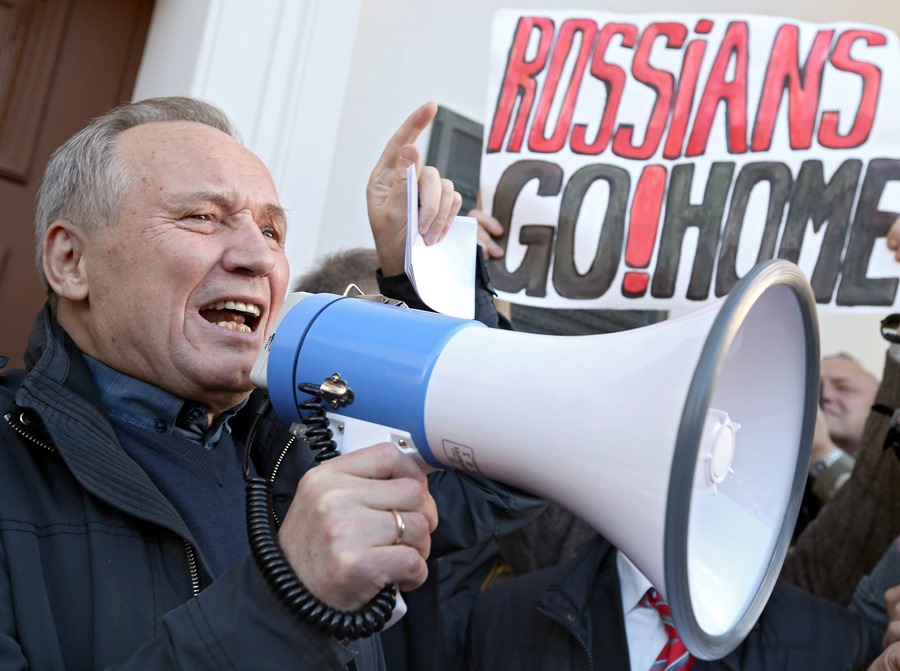
Belarusian journalist and political prisoner Igor Lednik died in prison in the Mogilev region, as reported today by the Social Democratic Party of the former Soviet republic.
Lednik, whose health had deteriorated since his arrest in April 2022 according to his lawyers, had been sentenced to three years in prison for slandering the country’s president, Alexander Lukashenko.
The 64-year-old opposition figure had undergone digestive system surgery while serving his sentence in Penitentiary Number 15 and had been suffering from heart problems.
Initially, he was sentenced to just fifteen days of house arrest, but later he was sentenced to three years in prison for an article published in 2020 in which he attacked the honor and dignity of the head of state.
Lednik, whose Facebook was declared extremist, advocated for the dissolution of the Russia-Belarus Union and accused Lukashenko of turning the country into a dictatorship.











According to the human rights organization Viasna, Lednik is the fifth Belarusian political prisoner to die in custody since May 2022.
Belarusian writer Svetlana Alexievich, Nobel Prize in Literature in 2015, warned this week in an interview about the danger faced by political prisoners in Belarus following the death of Russian opposition leader Alexei Navalny in an Arctic prison.
“We have no information about Maria Kolesnikova, Viktor Babariko. We know nothing about Nikolai Statkevich. And it seems that we could find out the worst at any moment,” Alexievich told the newspaper ‘Nasha Niva.’
The author of “Voices from Chernobyl” and “War’s Unwomanly Face” recalled that the number of political prisoners in Belarus exceeds 2,000, and all of its leaders are also behind bars.
According to Alexievich, “dictators learn from each other, and Navalny’s death opened an abyss of permissiveness” for authoritarian leaders worldwide.
“Now anything can be expected,” she opined.
Meanwhile, Lukashenko warned today in a meeting with the top brass of the Belarusian army that the opposition in exile, along with “its sponsors from foreign intelligence services,” is preparing an action plan to overthrow the government in Minsk.
“The first point of this plan (…) is to prepare a coup d’état or a violent seizure of power directly in the midst of an electoral campaign,” he said.
However, he clarified that the opposition themselves “consider this unlikely” as they “do not see real prerequisites similar to those of 2020 to destabilize the situation,” when the country was rocked by massive protests following the results of the presidential elections, deemed fraudulent by the opposition and the international community.
According to Lukashenko, the opposition will still try to “take advantage of the electoral campaign (of the upcoming parliamentary elections) as a trial and initial stage to prepare for a coup d’état during the upcoming presidential elections in 2025.”










Sin categoría
Energy chief says U.S. will restore Gulf oil shipments and refill strategic reserves
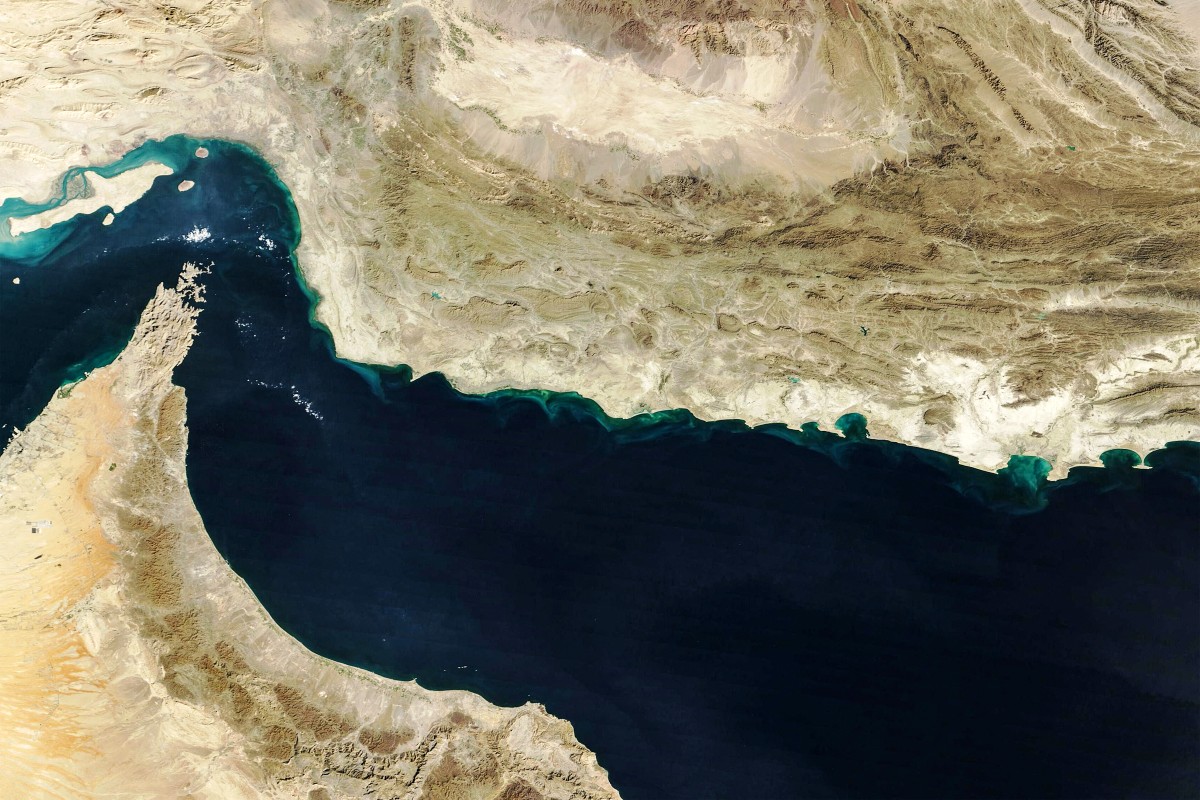
The United States is making progress in restoring oil shipments through the Strait of Hormuz, with approximately 7 million barrels of oil and fuel now passing through the critical maritime route each day, according to U.S. Energy Secretary Chris Wright.
Speaking at the Bloomberg Energy Security Executive Briefing in Houston on Friday, Wright said the United States is committed to fully reopening the waterway, regardless of whether Iran cooperates with those efforts.
The Strait of Hormuz, one of the world’s most important energy transit corridors, experienced severe disruptions at the onset of the conflict with Iran. According to Wright, nearly 20 million barrels of oil per day were initially affected when traffic through the strait was largely halted.
While some shipments were redirected to alternative ports outside the Persian Gulf, roughly 14 million barrels per day remained stranded, creating what Wright described as a major disruption to global energy flows.
“That was a significant interruption of supply,” he said, emphasizing that the United States intends to restore normal shipping operations independently if necessary.
Industry analysts noted that the recovery of approximately 7 million barrels per day has exceeded many market expectations. Dan Pickering, chief investment officer at Pickering Energy Partners, said the faster-than-expected return of supply has helped explain why oil prices have remained lower than some analysts had predicted.
Wright also reiterated his goal of rebuilding the U.S. Strategic Petroleum Reserve, which has been used in recent years to help cushion the impact of supply disruptions linked to geopolitical conflicts and market volatility.
In addition, the Energy Secretary dismissed the possibility of imposing restrictions on U.S. energy exports, arguing that maintaining open markets remains essential for both domestic energy security and global supply stability.
The comments underscore Washington’s determination to restore confidence in international energy markets and ensure the uninterrupted flow of oil through one of the world’s most strategically important shipping lanes.
Sin categoría
Trump renews criticism of Pope Leo XIV amid tensions over Iran
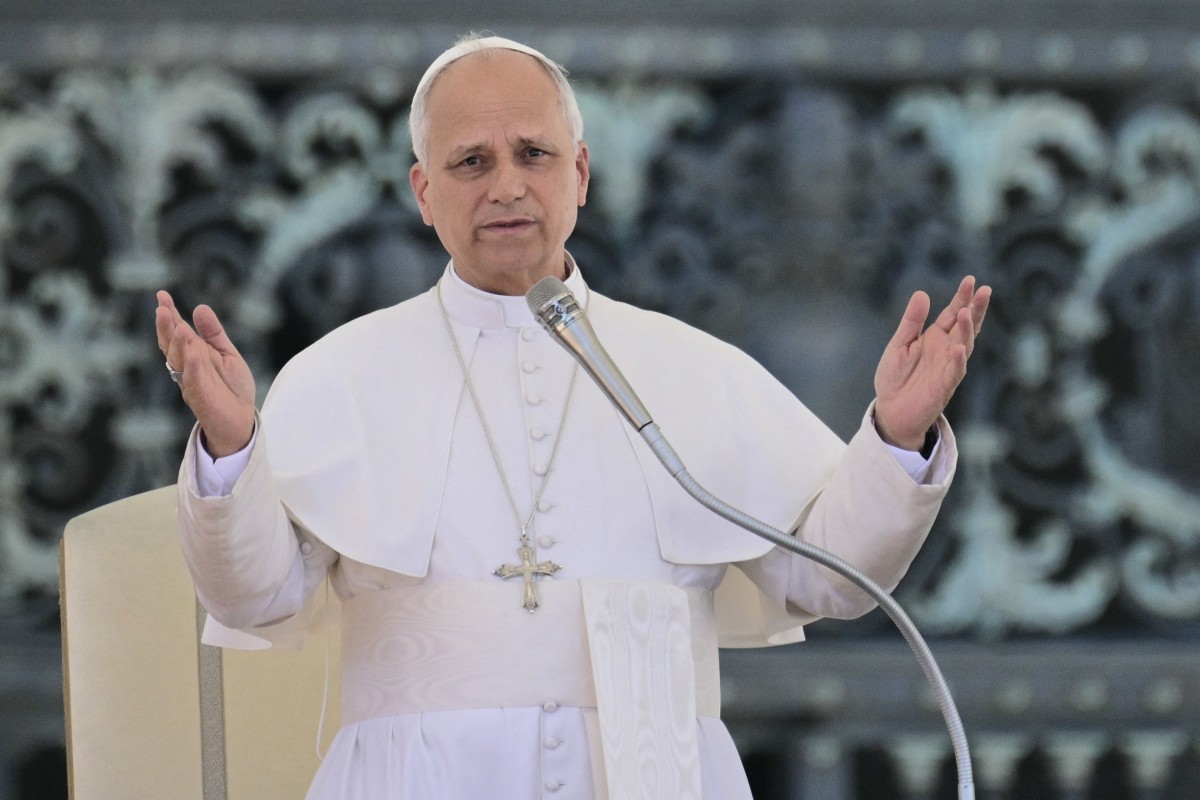
The President of the United States, Donald Trump, renewed his criticism of Pope Leo XIV on Tuesday night, urging that “someone tell him” that Iran has “killed at least 42,000 innocent protesters” and insisting that it is “unacceptable” for the country to possess nuclear weapons.
“Can someone please inform Pope Leo that Iran has killed at least 42,000 completely unarmed, innocent protesters over the past two months, and that it is absolutely unacceptable for Iran to have a nuclear bomb?” Trump wrote on his social media platform Truth Social.
The statement comes amid an escalating public dispute between Trump and the pontiff over the conflict in Iran and the broader Middle East. The US president concluded his message with the phrase “AMERICA IS BACK.”
Pope Leo XIV, who was born in the United States, has repeatedly spoken out—both directly and indirectly—against Washington’s stance toward Tehran, while calling for peace in the region.
On Monday, Trump openly criticized the pope, describing him as “weak” and “terrible on foreign policy.”
Speaking aboard a flight to Algeria, the first stop of his trip to Africa, the pontiff said he was “not afraid” of the Trump administration and would continue to raise his voice against the ongoing conflict.
Sin categoría
Tehran engulfed in toxic cloud after strikes on fuel facilities
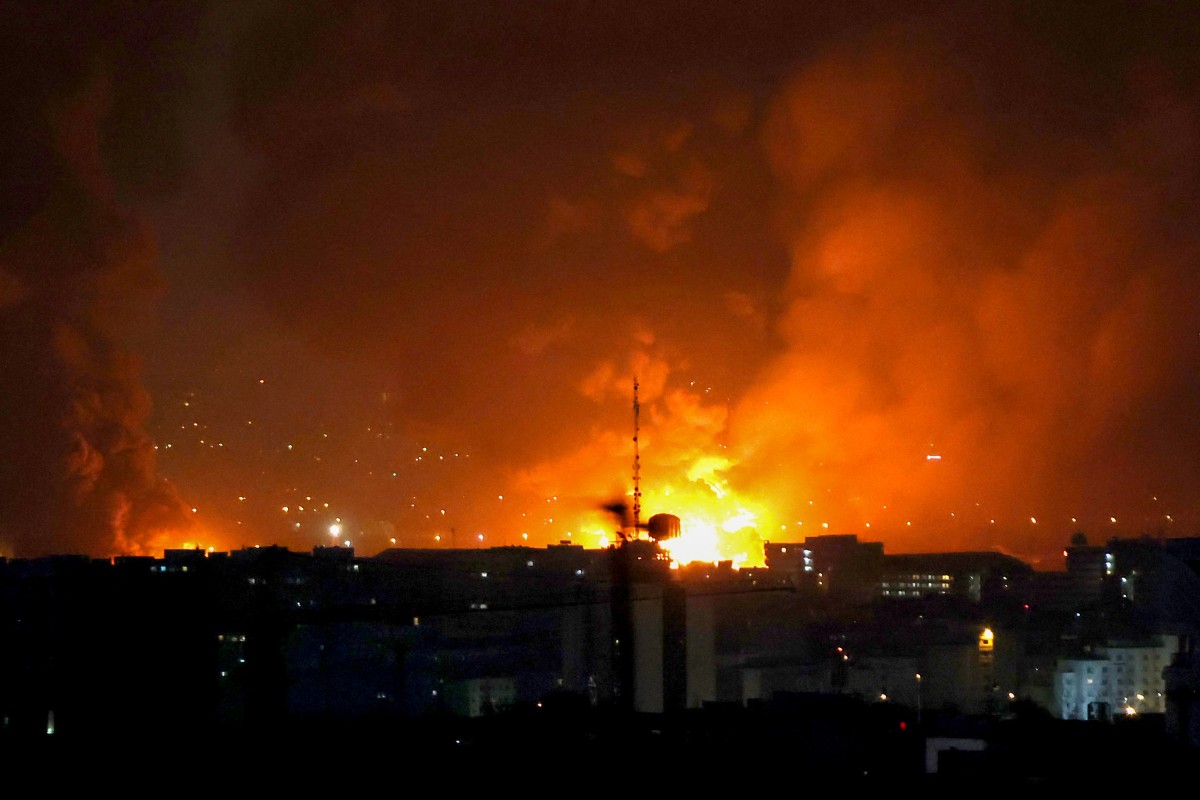
Tehran woke up under a sky that shifted from gray to black following strikes on fuel infrastructure, as the city has become engulfed in a toxic cloud that is turning daily life into a public health and environmental emergency.
Residents warn that what is falling from the sky is no longer just rain, but a mixture of oil and pollutants. Attacks on fuel depots have triggered prolonged fires, releasing thick plumes of smoke that continue to spread across the العاصمة.
For several days, facilities have remained ablaze, while a dark layer has settled over streets, homes, and even water reserves. Authorities have urged the population—more than nine million people—to remain indoors, especially vulnerable groups.
The extreme toxicity is linked to mazut, a dense petroleum byproduct with high sulfur content still used in Iran due to industrial limitations and sanctions. When burned, it releases hazardous particles that, when combined with moisture, result in contaminated rainfall.
The situation is worsened by Tehran’s geography. Surrounded by mountains, the city is affected by a temperature inversion phenomenon that traps pollutants near the ground, preventing their dispersion and creating a stagnant layer of toxic air over the population.
Residents have reported symptoms such as eye and skin irritation, headaches, and respiratory difficulties. Emergency agencies have also warned of potential chemical burns caused by acid rain.
Long-term concerns are mounting, as prolonged exposure to fine particles and heavy metals could lead to serious health conditions, including lung damage and cancer.
Contamination is also spreading to water sources and agricultural land, threatening the food supply in a country already facing water scarcity.
At a regional level, the environmental impact is expanding, with oil spills reported in the Persian Gulf, affecting marine ecosystems and fishing communities.

EU Faces Migration Crisis After 60,000 Migrants Arrive in Spain’s Ceuta Enclave

Chuck Schumer Unveils Proposal to Strengthen Oversight of the U.S. Presidency

Trump Administration Urges Latin America to Increase Defense Spending Against Organized Crime
Tec de Monterrey honors one of its students for his contribution to nanotechnology in medicine

Defense Minister commends salvadoran soldier for Central American Cross Country victory

Extension of the state of emergency approved in southern Chile
-
 International3 days ago
U.S. and Iran Maintain Ceasefire as Trump Expresses Optimism Over New Talks
-
 International3 days ago
Portuguese Authorities Seize 2.6 Tons of Cocaine Worth More Than $550 Million in Drug Bust
-
 International3 days ago
Police Investigate After Remains of Five Newborns Found in French Apartment
-
 International2 days ago
Five Bodies Found in Ecuador as Police Probe Suspected Gang Turf War
-

 International2 days ago
Georgia Teen Sentenced to Life Without Parole for Deadly School Shooting
-
International1 day ago
Chuck Schumer Unveils Proposal to Strengthen Oversight of the U.S. Presidency
-
 Central America2 days ago
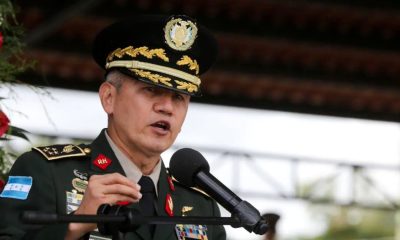
Prosecutors Accuse Ex-Defense Minister of Undermining Press Freedom in Honduras
-
 International1 hour ago
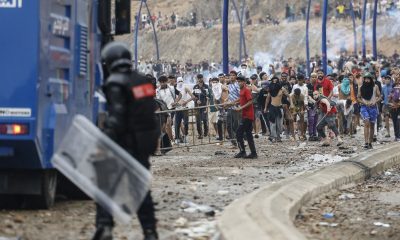
EU Faces Migration Crisis After 60,000 Migrants Arrive in Spain’s Ceuta Enclave
-
 Central America5 days ago
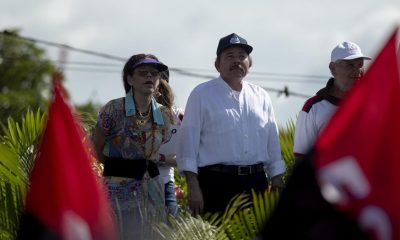
EU Urges Nicaragua to Hold Free and Transparent Elections Amid Proposed Electoral Reforms
-

 International4 days ago
Costa Rica Seeks to Expand Extradition Law to Target Organized Crime
-

 International4 days ago
China Accuses U.S. AI Firms of Using Chinese Models to Train Artificial Intelligence
-

 International4 days ago
Three Killed, Four Injured in Shooting Near Seattle’s Space Needle
-
 International1 day ago
FAO and WFP Seek $42 Million to Prepare Southern Africa for Unprecedented El Niño
-
 International1 day ago
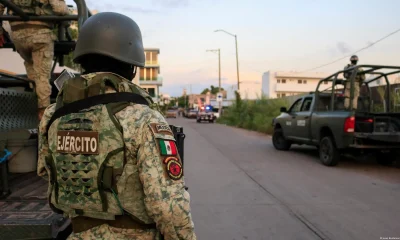
Trump Administration Urges Latin America to Increase Defense Spending Against Organized Crime