
International
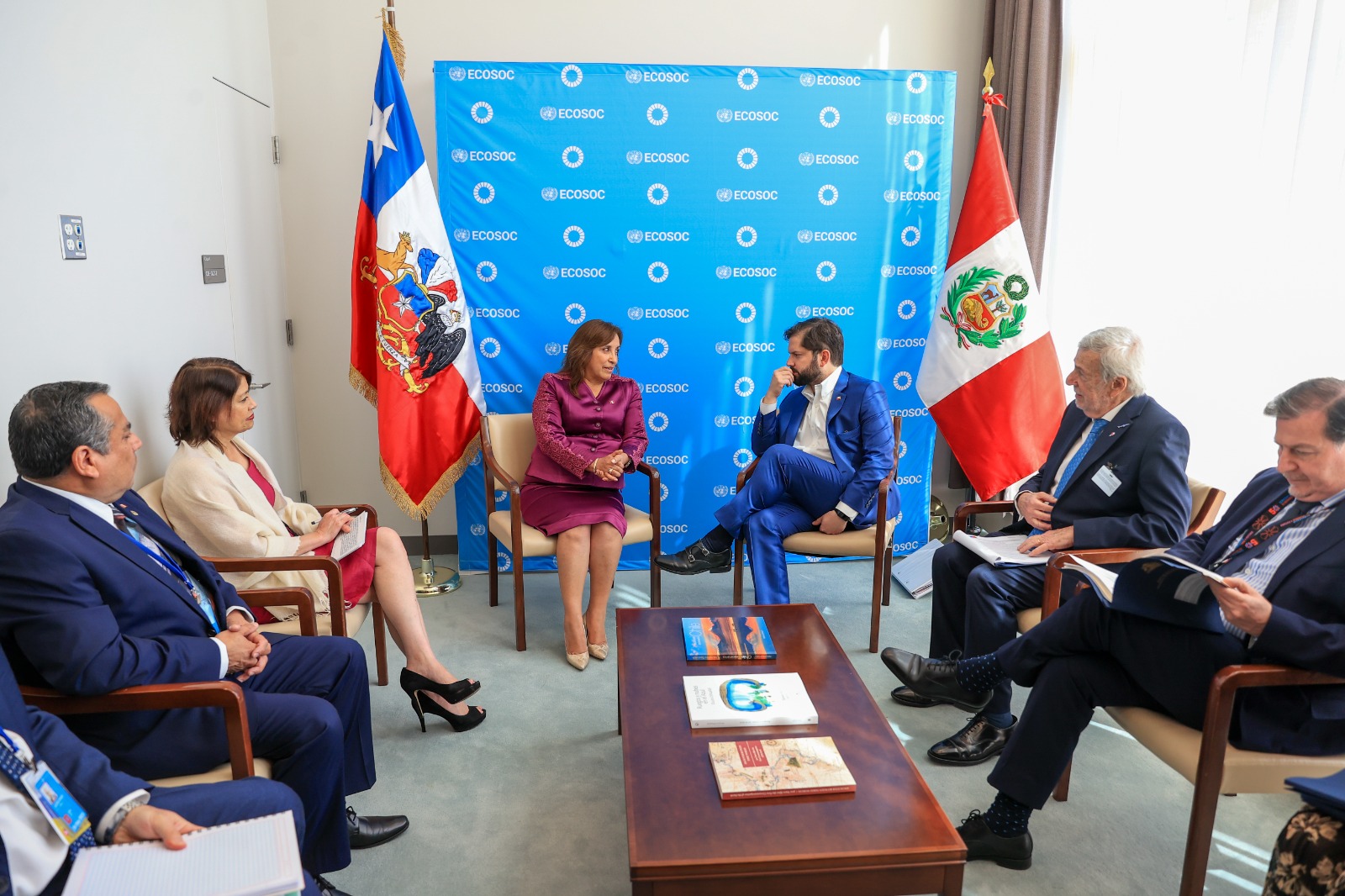
Pedro Castillo criticizes Chilean president for meeting with Boluarte
November 9 |
Pedro Castillo, the constitutional president of Peru who was dismissed by the Congress in December 2022, criticized the governor of Chile, Gabriel Boric, for having held a meeting with the appointed president Dina Boluarte.
Castillo, who has been in prison for 11 months accused of alleged rebellion, sent a letter to La Moneda, the seat of the Chilean executive branch, where he claims that Boric shook the “bloodstained hands” of Boluarte, in reference to a meeting between the two held in the United States at the end of last September.
“Dear President of Chile, Gabriel Boric, I invite you to reflect. You have committed a grave political and moral error by shaking the bloody hands of the usurper and responsible for the murder of dozens of my brothers,” Castillo said in the letter released Wednesday on social networks.
In the letter, Castillo pointed out to the Chilean head of state that “his commitment to human rights (HR) must be comprehensive”.









He mentioned that during Boluarte’s government 75 indigenous people have been killed, who were repressed by the military and police forces when they protested against the imposed regime.
“Those hands you are shaking are stained with the blood of my brothers. You are young, but you are making a severe political and moral mistake,” Castillo said.
No “worthy government should endorse deaths, racism, persecution or army tanks entering the public university,” he continued.
“I regret the infamy he does to my people by taking a smiling picture with the dictatorship, he does a disservice to the banners of Chilean progressivism,” Castillo added.






International
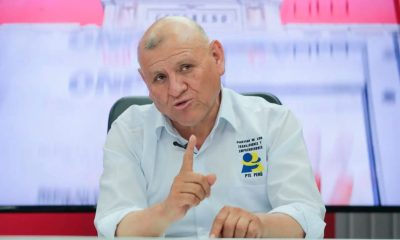
Peruvian presidential candidate Napoleón Becerra dies in campaign road accident
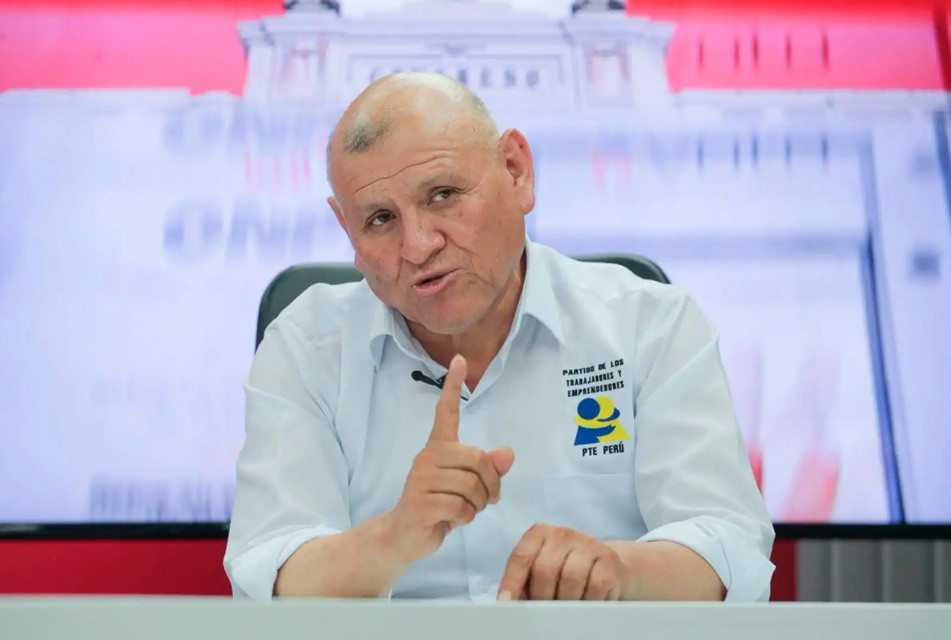
Presidential candidate Napoleón Becerra, representing the Partido de los Trabajadores y Emprendedores (PTE) in Peru, died in a traffic accident while traveling to a campaign event, local authorities confirmed Sunday.
Becerra, who also served as president of the centrist political party, ranked among the lowest in opinion polls in a crowded field of more than 30 candidates competing in the presidential election scheduled for April 12.
Recent surveys place Rafael López Aliaga at the top of voter preferences.
The accident occurred near the town of Ayacucho, in southern Peru, when the vehicle carrying the candidate overturned for reasons that remain under investigation.
“The candidate Becerra has died,” Balvin Huamani, mayor of the district of Pilpichaca, told RPP radio.
According to Huamani, he personally transported the 61-year-old candidate to a local health center, where doctors confirmed his death.
The Jurado Nacional de Elecciones (JNE) expressed condolences over Becerra’s passing and wished a speedy recovery to the three people who were traveling with him and were injured in the crash.
International
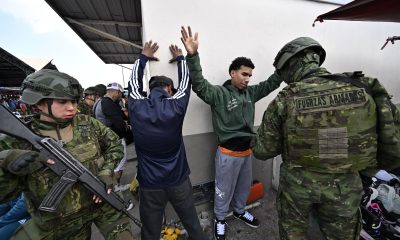
Noboa intensifies anti-cartel crackdown as violence persists in Ecuador
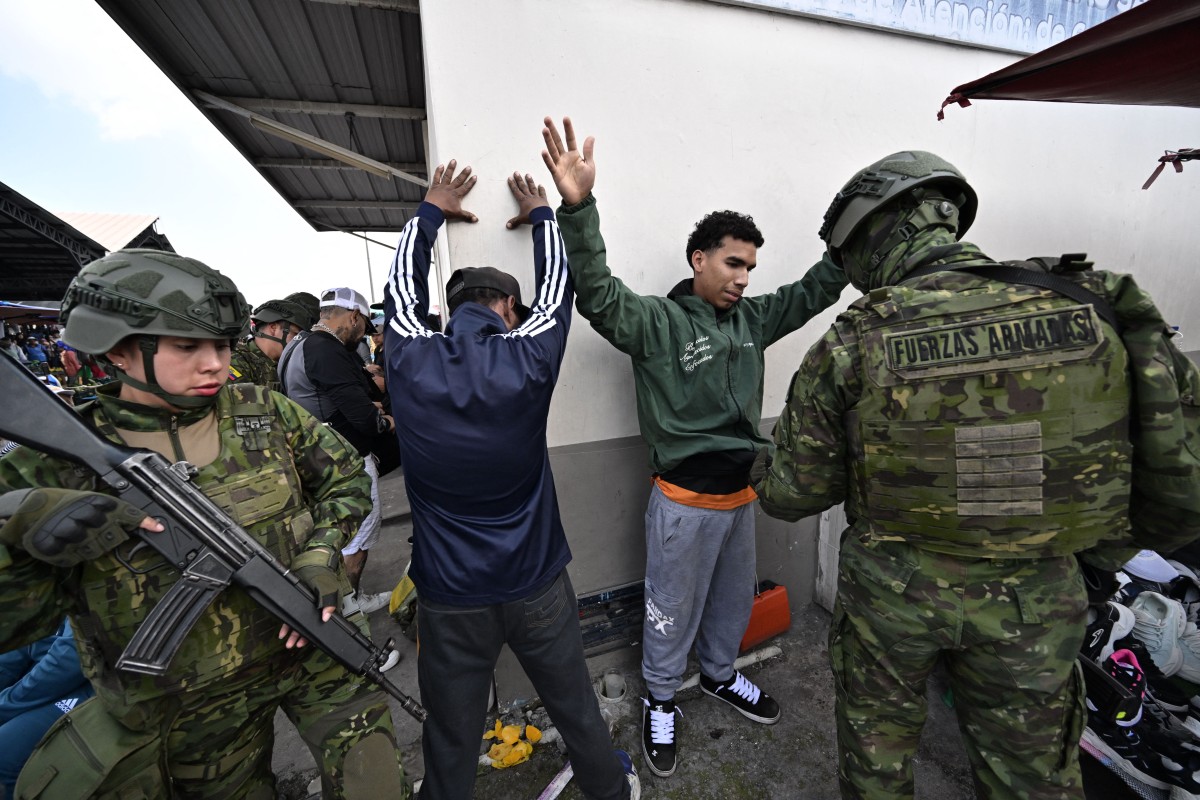
A close ally of Washington, Ecuadorian President Daniel Noboa has pursued a hardline security strategy against cocaine cartels for more than two years, yet homicide, disappearance and extortion rates remain high across the country.
Between Sunday night and the morning of March 31, Ecuador’s armed forces will launch a “very strong offensive” with “advisory support” from the United States, Interior Minister John Reimberg announced Tuesday.
The government has kept details of the operation confidential and has not confirmed whether U.S. troops will be deployed on Ecuadorian soil, as has occurred at times during Noboa’s administration.
As part of the security measures, residents in the coastal provinces of Guayas, Los Ríos, Santo Domingo de los Tsáchilas, and El Oro will be subject to a nightly curfew from 11:00 p.m. to 5:00 a.m. local time for the next two weeks.
“We are in a war,” Reimberg said, urging citizens to remain indoors. “Do not take risks. Stay home and allow the security forces and our allies to do the work that must be done.”
Although Ecuador does not produce cocaine, it has become a major departure point for drugs heading to the United States. Meanwhile, the violence associated with trafficking has increasingly affected the local population.
Bordering the world’s largest cocaine producers, Colombia and Peru, Ecuador has gone from being considered a relatively peaceful country to recording one of the highest homicide rates in Latin America—52 killings per 100,000 inhabitants—according to the **Observatory of Organized Crime.
International
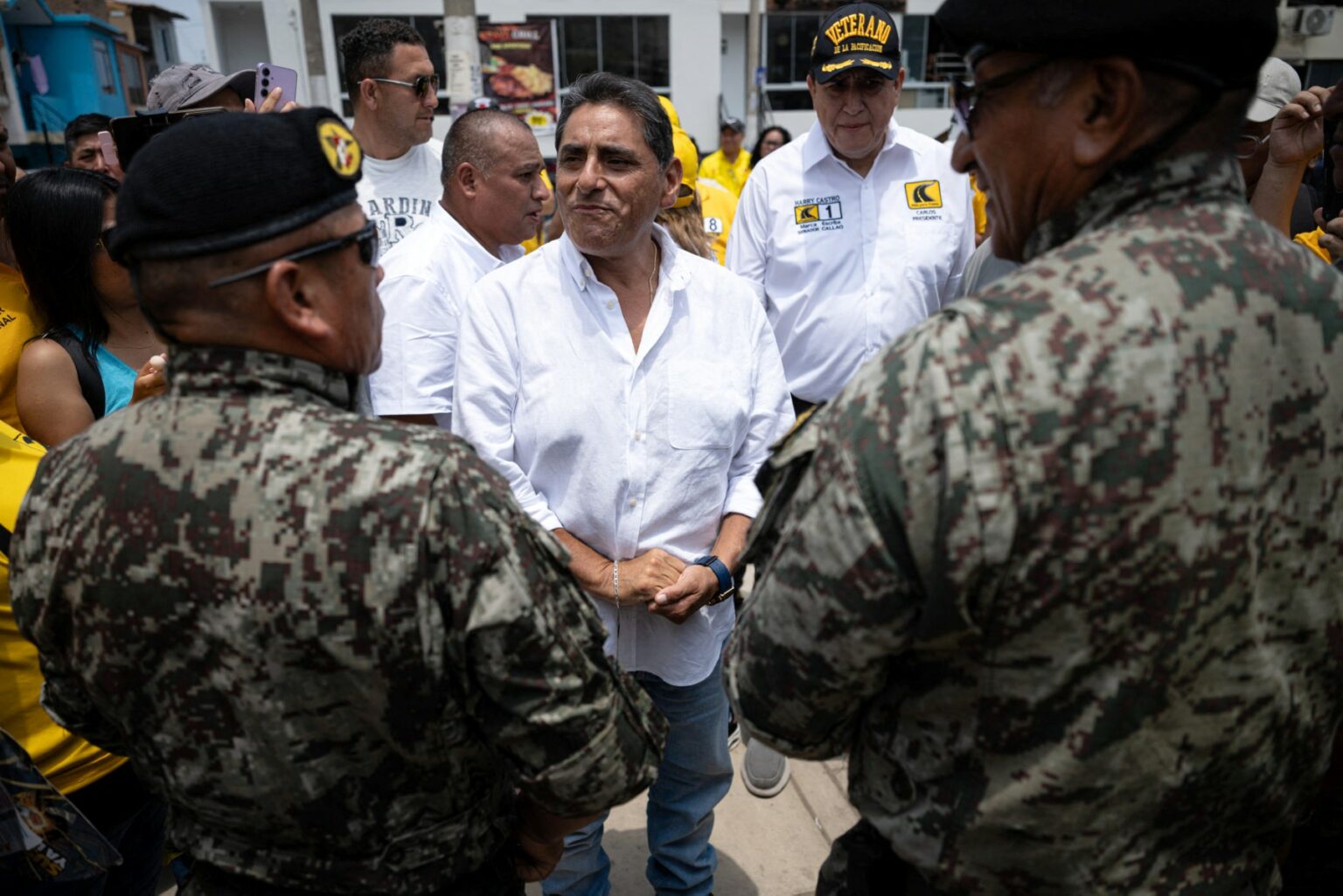
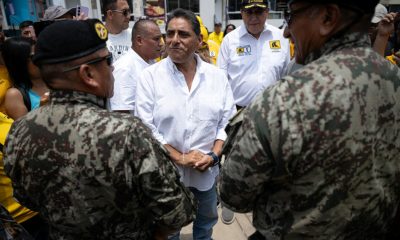
Peruvian presidential candidate proposes death penalty amid crime surge
Peru is facing an unprecedented surge in crime ahead of its presidential election scheduled for April 12, with violence fueled by extortion networks and a wave of contract killings linked to organized crime.
Police data show that 2,200 homicides tied to organized crime were recorded in 2025, while extortion complaints increased by 19%, underscoring the growing security crisis in the South American nation.
Amid this backdrop, presidential candidate Álvarez has proposed reinstating the death penalty if elected, arguing that extreme measures are needed to curb the violence.
To implement the proposal, Álvarez said Peru would withdraw from the American Convention on Human Rights—also known as the Pact of San José—which the country signed in 1978. The agreement prevents member states that have abolished capital punishment from reinstating it.
Currently, Peruvian law only allows the death penalty in cases of treason during wartime.
“We have to leave the Pact of San José and apply the death penalty in Peru because those miserable criminals don’t deserve to live,” Álvarez told AFP during a campaign stop at a market in Callao, the port city neighboring Lima.
“An iron fist against those criminals,” he added, proposing to declare hitmen as military targets.
During the campaign event, Álvarez walked through stalls selling vegetables, groceries, and fish, greeting vendors while musicians played cumbia music nearby.
The 62-year-old candidate, who spent more than four decades working in television as a comedian, is a newcomer to politics and is running for president under the País para Todos party.
Polls place him fifth in voter preference with nearly 4% support in a fragmented race featuring 36 candidates.
“I am an artist who has taken a step into politics to bring peace to my country,” Álvarez told reporters while surrounded by supporters.

Peruvian presidential candidate Napoleón Becerra dies in campaign road accident

Noboa intensifies anti-cartel crackdown as violence persists in Ecuador

Peruvian presidential candidate proposes death penalty amid crime surge
Tec de Monterrey honors one of its students for his contribution to nanotechnology in medicine

Defense Minister commends salvadoran soldier for Central American Cross Country victory

Extension of the state of emergency approved in southern Chile
-
 International3 days ago
U.S. Confirms Death of Six Crew Members in KC-135 Crash in Western Iraq
-
 International4 days ago
Trump Says Iran Is Welcome at 2026 World Cup but Warns of Security Concerns
-
 International5 days ago
Iran issues threat to Trump as conflict escalates over Strait of Hormuz
-
 International4 days ago
FBI Warns of Possible Iranian Drone Attack on U.S. West Coast
-

 International3 days ago
Ecuador Declares 60-Day National Emergency After Deadly Floods and Landslides
-

 International3 days ago
Mexican Navy Ships Deliver Third Shipment of Humanitarian Aid to Cuba
-
 International5 days ago
Driver detained after suspicious vehicle incident near the White House
-
 International3 days ago
Trump Pushes for Regime Change in Cuba as Havana Confirms Talks With Washington
-
 Sin categoría5 days ago
UN experts warn Nicaragua runs vast transnational network to monitor exiled dissidents
-
 International2 days ago
FBI: Man who attacked Michigan synagogue died from self-inflicted gunshot
-
 International2 days ago
Peruvian presidential candidate proposes death penalty amid crime surge
-
 International16 hours ago
Noboa intensifies anti-cartel crackdown as violence persists in Ecuador
-
 International16 hours ago
Peruvian presidential candidate Napoleón Becerra dies in campaign road accident
-
 Sin categoría4 days ago
FBI Most Wanted Fugitive Arrested in Mexico and Deported to U.S.