
International
Peruvian government confirms resignation of Foreign Minister Gervasi
November 7 |
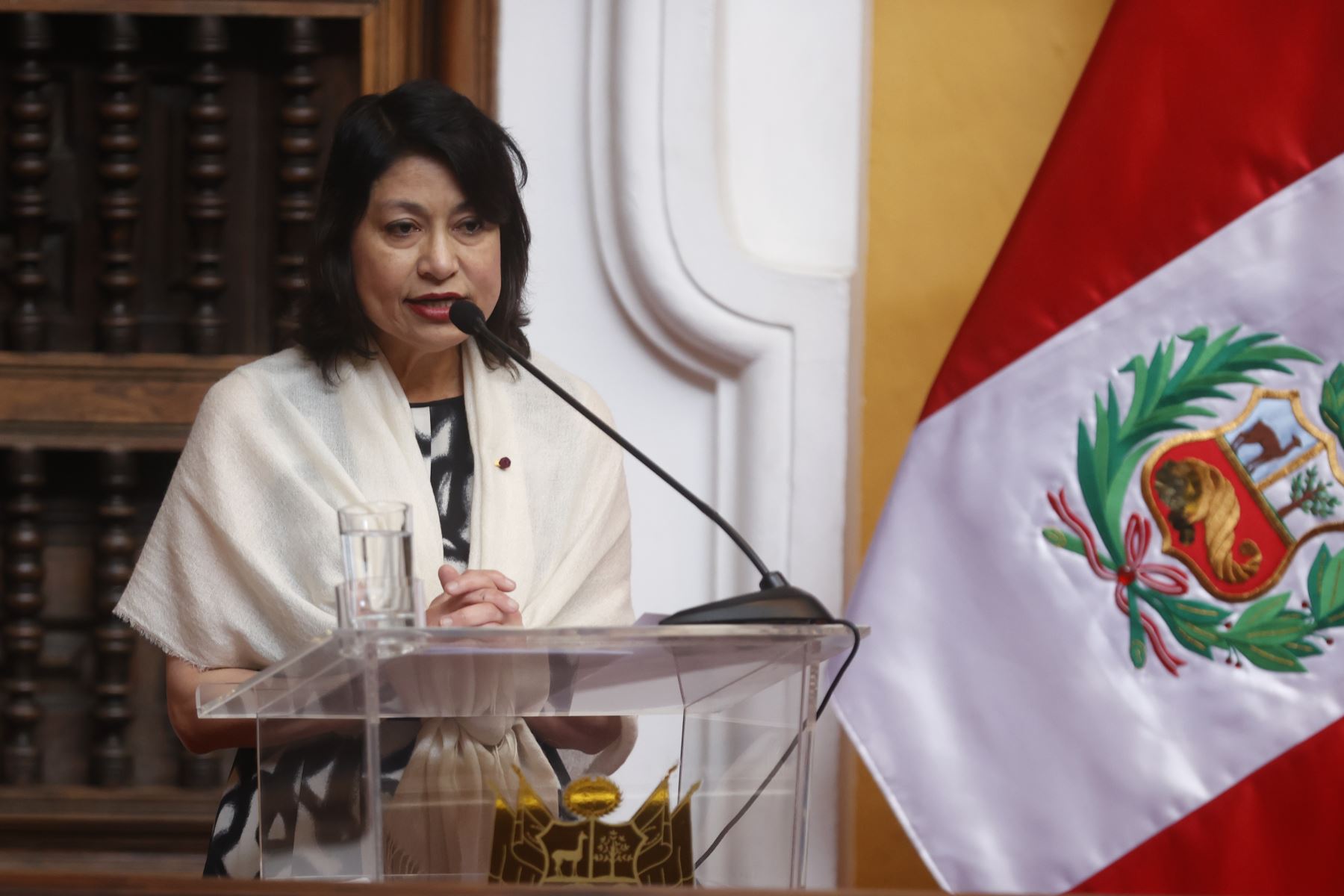
Peru’s Prime Minister, Alberto Otárola, confirmed on Monday the resignation of Foreign Minister Ana Cecilia Gervasi, after the failed meeting announced for last Friday between President Dina Boluarte and her U.S. counterpart, Joe Biden.
The also president of the Council of Ministers of the South American country, thanked Gervasi for his work at the head of the Foreign Ministry and announced that in the next hours the new Foreign Minister will be sworn in.
Gervasi’s resignation was announced after the Congressional Foreign Affairs Committee rejected his request to present a report on Dina Boluarte’s activities in the US and the attempted meeting with Joe Biden.
However, the head of this working group, Alejandro Aguinaga, confirmed to Peruvian media that Ana Cecilia Gervasi will have to give her explanations before the plenary of the legislative body.









Congressmen from different benches hold Gervasi responsible for the failed meeting and demanded her to appear before the Plenary of the Congress.
The now former Foreign Minister blamed the U.S. State Department for the failed meeting between Boluarte and Biden and specified that “the format of the meeting was later determined by the U.S. authorities”.
The alleged meeting between Boluarte and the US President was the argument used by several ministers, including the Prime Minister, to justify Congress to grant Boluarte permission to travel to the US and attend the Summit of Leaders of the Alliance for Economic Prosperity in the Americas (APEP).






International
Spain’s irregular migrant population rises to 840,000, study finds

The number of migrants living in Spain without legal residency status continues to rise and has reached 840,000 people, with 91% originating from the Americas, particularly Colombia, Peru and Honduras, according to a report by the Spanish think tank Funcas (Foundation of the Savings Banks).
An estimated 17.2% of the non-EU foreign population living in Spain is in an irregular administrative situation. The estimate is based on the gap between the number of foreign residents effectively living in Spain, according to the National Statistics Institute (INE), and those who hold a residence permit, benefit from international protection, or are in the process of obtaining it.
The data, as of January 1, 2025, point to a notable and sustained increase in irregular migration since 2017, when the estimated figure stood at around 107,000 people, representing 4.2% of the non-EU population residing in Spain.
By origin, migrants from the American continent stand out, totaling around 760,000 people, or 91% of all irregular migrants. Colombians account for nearly 290,000, followed by Peruvians with almost 110,000, and Hondurans with about 90,000. Migrants from Africa (50,000), Asia (15,000) and Europe (14,000) trail far behind.
The figures predate Spain’s latest immigration regulation reform, which came into force in May 2025 and introduces measures to ease access to legal status through residency ties. According to Funcas, the reform would, in principle, tend to reduce the number of migrants in an irregular situation.
International
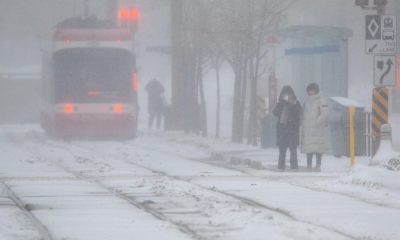
Historic snowstorm paralyzes Toronto after 60 centimeters of snow
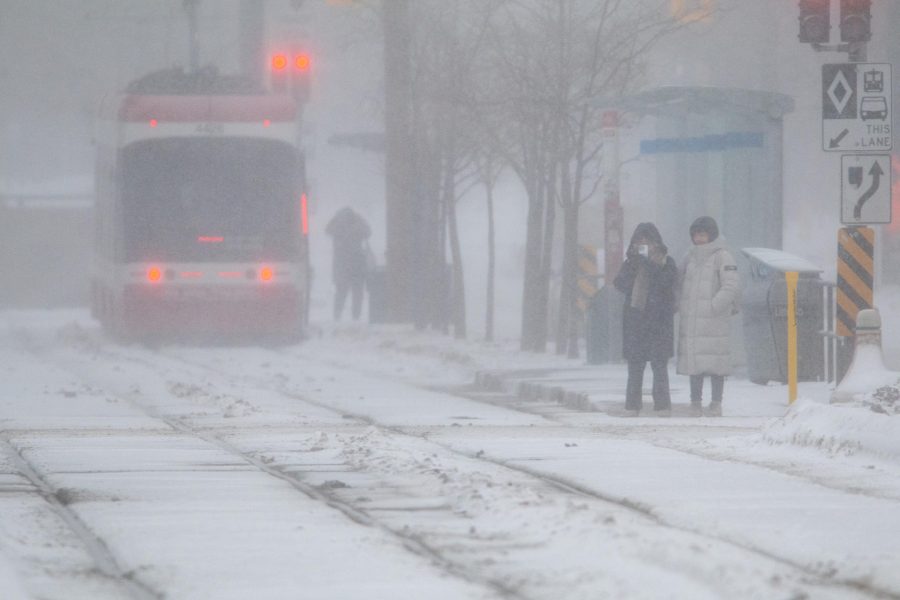
Toronto, Canada’s largest city and the fourth most populous in North America, was largely paralyzed on Monday after a historic snowstorm dumped up to 60 centimeters of snow and sent temperatures plunging to -15 degrees Celsius, authorities said.
Late Sunday, as the scale of the snowfall became clear, city officials declared a climate emergency, triggering extraordinary measures including parking bans on several major streets to facilitate snow removal operations.
Toronto’s public transit authority reported that while some buses remain immobilized, subway and streetcar services are operating with relative normality, though localized disruptions may occur.
A similar situation is affecting the city’s commuter rail network, which remains operational but is experiencing significant delays on its main routes due to the severe weather conditions.
International
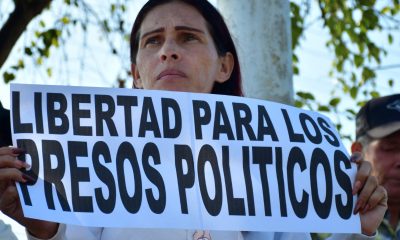
Venezuela frees at least 80 political prisoners, NGO says
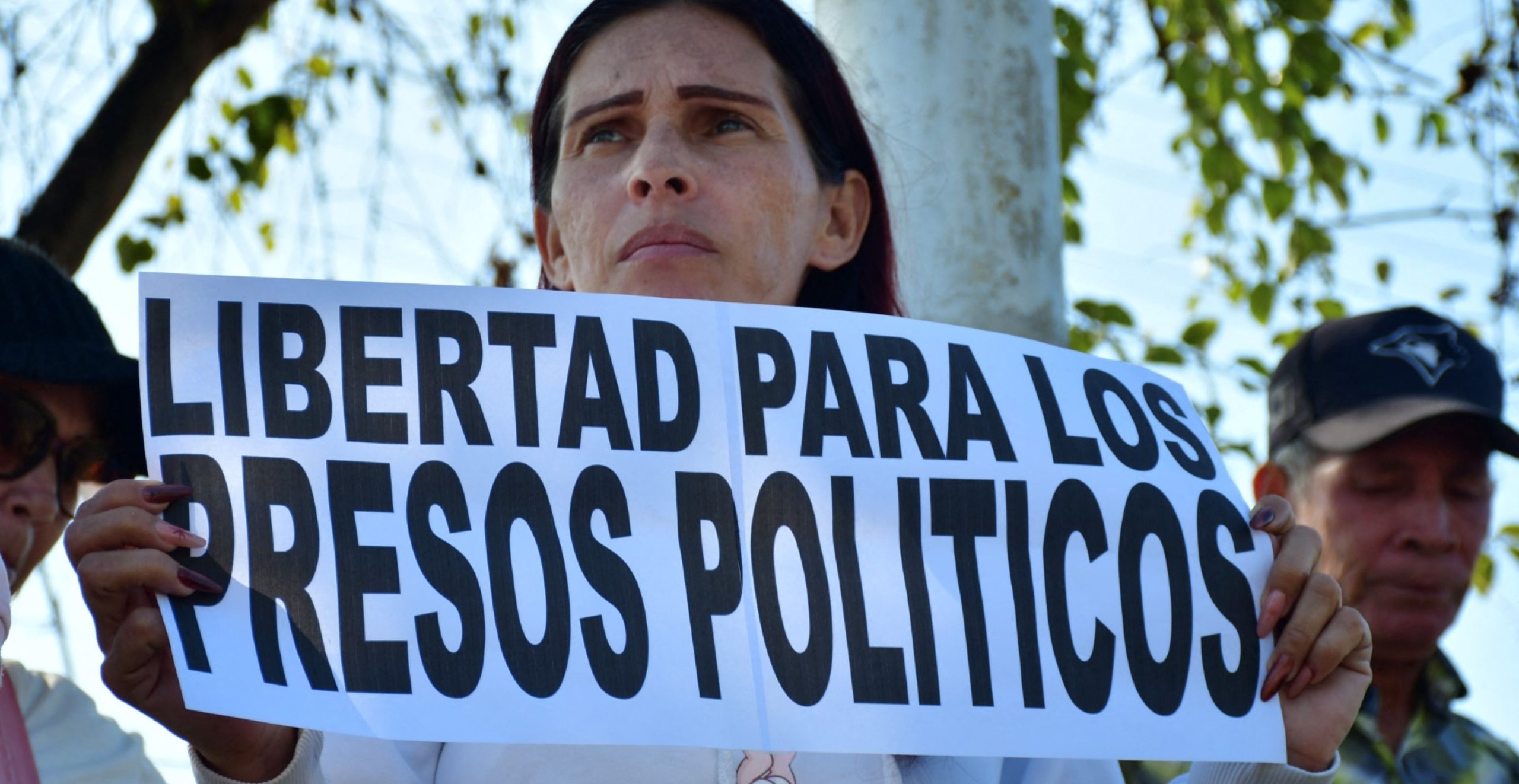
At least 80 political prisoners were released on Sunday across Venezuela, human rights group Foro Penal reported, as the broader process of detainee releases continues at a slow pace under the interim government.
Foro Penal’s director, Alfredo Romero, wrote on social media platform X that verified releases took place nationwide and that the figure could rise as more confirmations are completed.
Attorney Gonzalo Himiob, also from Foro Penal, said the excarcelations occurred during the early hours of the day and emphasized that the number is not yet final pending further verification.
The releases are part of a series of steps announced by Venezuela’s interim leader, Delcy Rodríguez, who took power after the capture of former President Nicolás Maduro in a U.S. military operation on Jan. 3, 2026. Rodríguez has pledged a significant number of liberations but has been criticized by opposition groups and rights organizations for the slow and nontransparent nature of the process.
So far, the Venezuelan government reports that 626 detainees have been freed since December, though independent counts by human rights groups suggest the number of actual political prisoner releases is lower and that many remain behind bars.
Families of those still detained have maintained vigils outside prisons, hopeful for further releases even as broader concerns about political imprisonment and due process persist.

Spain’s irregular migrant population rises to 840,000, study finds

Historic snowstorm paralyzes Toronto after 60 centimeters of snow

Venezuela frees at least 80 political prisoners, NGO says
Tec de Monterrey honors one of its students for his contribution to nanotechnology in medicine

Defense Minister commends salvadoran soldier for Central American Cross Country victory

Extension of the state of emergency approved in southern Chile
-
 Central America4 days ago
Guatemala’s president rules out negotiations with inmates after prison riots
-

 International3 days ago
Trump-Era Defense Plan Prioritizes Border Security and Scales Back Global Commitments
-
 Internacionales4 days ago
Major winter storm threatens “catastrophic” ice and snow across much of the U.S.
-
 International4 days ago
Guatemala considers sending high-risk gang members to military prisons
-

 International3 days ago
Bogotá and Quito Seek Dialogue After Tariffs and Power Cut Escalate Tensions
-
 International2 days ago
Delcy Rodríguez seeks political agreements after Maduro’s ouster
-

 International4 days ago
Rights group says over 5,000 killed in Iran protests, mostly civilians
-
 International2 days ago
Federal immigration agents kill man in Minneapolis, sparking protests and outrage
-
 International20 hours ago
Historic snowstorm paralyzes Toronto after 60 centimeters of snow
-

 Central America21 hours ago
Guatemala seizes over a ton of cocaine hidden in flour at Pacific port
-
 International20 hours ago
Spain’s irregular migrant population rises to 840,000, study finds
-
 International21 hours ago
Rights group says nearly 6,000 killed in Iran protest crackdown
-

 International21 hours ago
EU launches new probe into X over AI-generated fake nude images
-
 International21 hours ago
Venezuela frees at least 80 political prisoners, NGO says
-

 International21 hours ago
France debates ban on social media for children under 15
-
 International21 hours ago
Severe winter storm grips U.S., leaves multiple dead as extreme cold persists