
Central America
Electoral roll to be completed this month in Guatemala
July 25 |
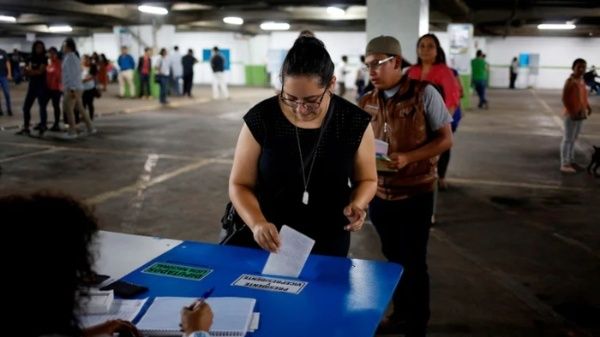
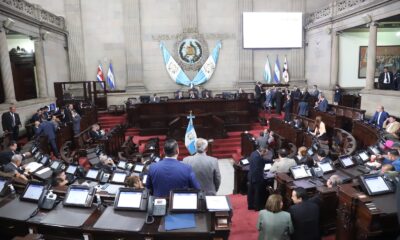
The Supreme Electoral Tribunal (TSE) of Guatemala announced on Tuesday that it expects to conclude by the end of July with the electoral roll for the second round of the presidential elections scheduled for August 20.
The head of the Department of Registration of Citizens and Elaboration of Electoral Rolls (DICEP), Alejandra Chiroy, said that to date 70 percent of the electoral roll has been processed.
In this sense, the official informed that the procedure has yet to be completed in the districts of Sacatepéquez, El Progreso, Guatemala and the Central District.
Likewise, Chiroy pointed out that the information provided by the National Registry of Persons (Renap) regarding the removal of deceased persons has been taken into account for the preparation of the electoral roll for the second round.









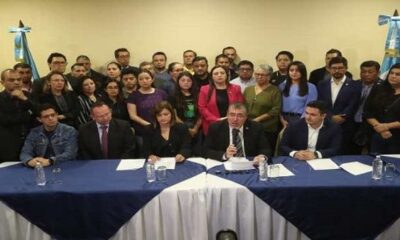
According to the TSE, this is a set of improvement actions to be implemented in the runoff, in which Sandra Torres, of the Unidad Nacional de la Esperanza (UNE), and Bernardo Arévalo, of Movimiento Semilla, will face each other.
At the same time, the entity informed that the Electoral Institute is preparing a report where all these measures must be included, as well as other actions for future electoral processes, based on the activities developed with the teams of trainers.
In the first round, the district of Guatemala reached the highest number of registered voters with more than 2.1 million citizens, followed by Huehuetenango with 702,953 and Alta Verapaz with 643,396.














































Central America
Analyst questions IACHR role over report on El Salvador emergency measures
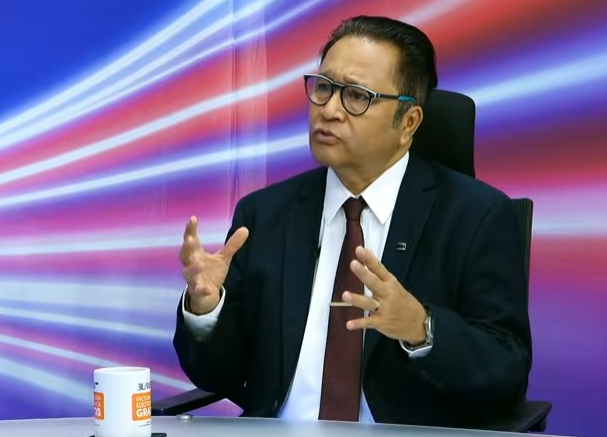
Political analyst Óscar Martínez Peñate on Tuesday called for a review of the role currently played by the Inter-American Commission on Human Rights (IACHR), arguing that it has undermined its credibility by hosting the presentation of a report critical of El Salvador.
Speaking during the interview program Panorama, Martínez questioned the commission’s decision to accept a report prepared by the Grupo Internacional de Expertas y Expertos para la Investigación de Violaciones de Derechos Humanos en El Salvador, which examines alleged human rights violations under the country’s state of emergency.
“We should examine what the current role of the Inter-American Commission on Human Rights is. How is it possible that they agree to host the presentation of a report whose premise is against a State, a government, a political system, and Salvadoran society?” Martínez said.
He added that by allowing the presentation of the report, the commission “automatically disqualifies itself.”
Martínez also questioned whether it is appropriate for the IACHR to serve as a “platform” for what he described as the defense of criminals, by treating the GIPES report as credible.
According to the analyst, the commission is acting in a way that contradicts its mandate by enabling narratives that, in his view, go against Salvadoran society.
Central America
El Salvador destroys $166 million worth of cocaine seized from Tanzanian vessel
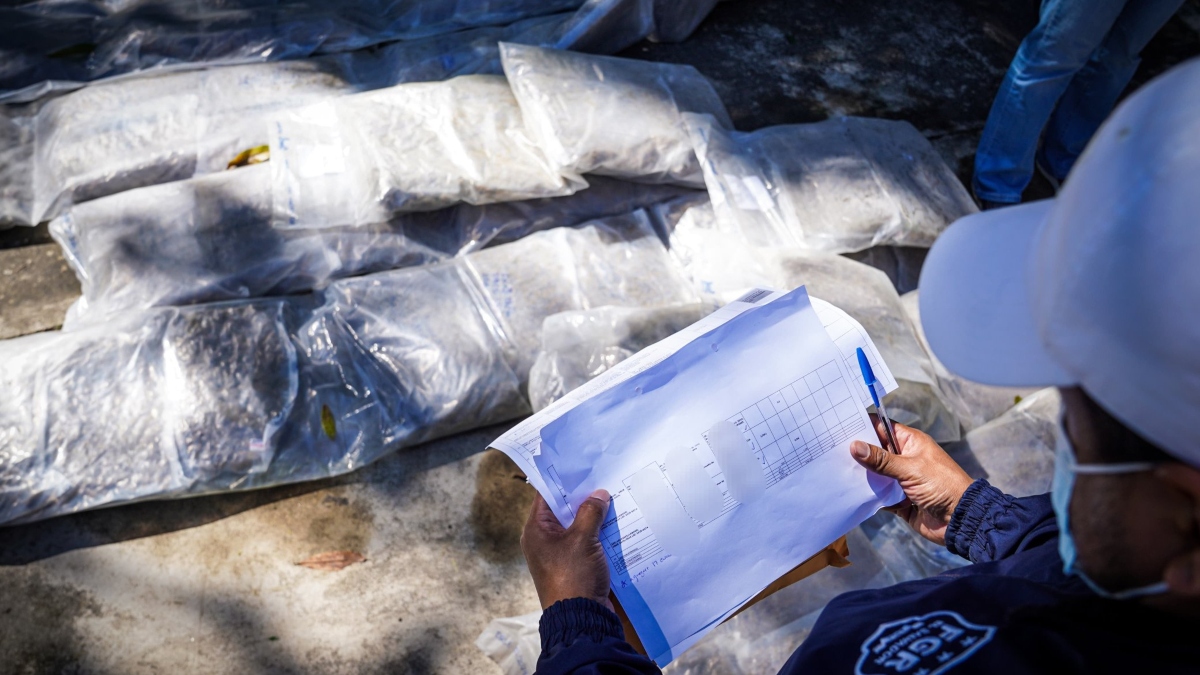
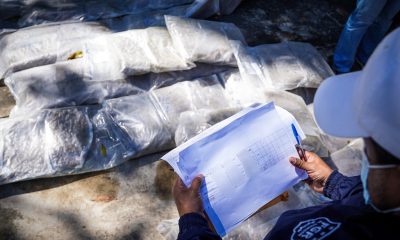
A total of 6,606 kilograms of cocaine, valued at more than $166.1 million, were destroyed on Tuesday in an operation led by the Fiscalía General de la República, in coordination with the Policía Nacional Civil, the Superintendencia de Regulación Sanitaria, and the Cuerpo de Bomberos de El Salvador.
The drugs had been seized on February 13 by the Naval Task Force Tridente of the Salvadoran Navy aboard a vessel flying the flag of Tanzania.
Authorities reported that the ship was intercepted approximately 380 nautical miles southwest of the Salvadoran coast. On board were 10 individuals of different nationalities: four Colombians, three Nicaraguans, two Panamanians, and one Ecuadorian.
The detainees were identified as Colombians Luis Enrique Rodelo Osorio, Antonio José Ángulo Narváez, Mario Alonso Pérez Hernández, and Miguel Antonio Galeano Ariaza; Nicaraguans José Martín Cerda Cea, Roberto Adolfo Díaz, and Francisco Javier García Duval; Panamanians Yareth Sanir Carr Garcés and Vicente Ramos; and Ecuadorian José Ramiro Valencia.
According to the Prosecutor’s Office, following the initial hearing, the Tribunal Primero Contra el Crimen Organizado de San Salvador ordered that the suspects remain in custody while the investigation continues, and authorized the destruction of the seized drugs.
International
Trump Says Iran Is Welcome at 2026 World Cup but Warns of Security Concerns
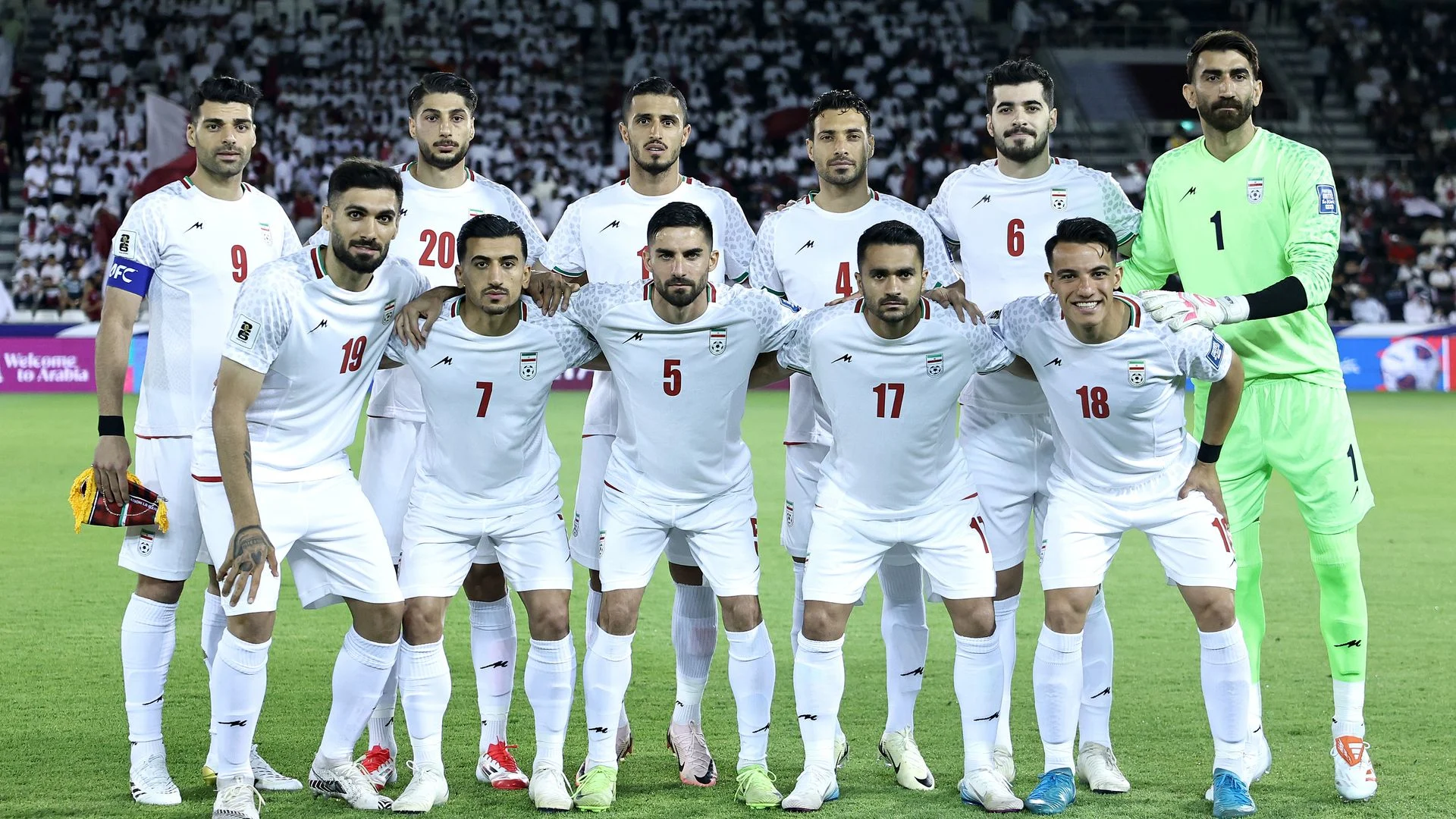
The President of the United States, Donald Trump, said Thursday that the national football team of Iran is “welcome” to participate in the 2026 World Cup, although he suggested it might be safer for the team not to take part in the tournament.
“The Iranian national soccer team is welcome at the World Cup, but I really don’t think it’s appropriate for them to be there, for their own safety,” Trump wrote on his social media platform Truth Social.
His comments came a day after Iran’s sports minister, Ahman Donyamali, said that there are currently no conditions for the country to participate in the tournament following the killing of Iran’s Supreme Leader, Ali Khamenei, during a military offensive launched on February 28 by Israel and the United States.
“After the corrupt government killed our leader, there are no conditions that allow us to take part in the World Cup,” the Iranian official said. He added that the country has faced two wars in the past eight or nine months, resulting in thousands of civilian deaths, making participation in the tournament unlikely.
On Tuesday, the president of FIFA, Gianni Infantino, met with Trump at the White House.
Following the meeting, Infantino said that Trump reiterated that Iran’s national team would be allowed to compete in the FIFA World Cup 2026.
“We discussed the current situation in Iran and the fact that the Iranian team has qualified to participate in the FIFA World Cup 2026. During the conversation, President Trump reiterated that the Iranian team is, of course, welcome to compete in the tournament in the United States,” Infantino wrote on Instagram.


Two killed in shooting at restaurant near Frankfurt Airport

U.S. counterterrorism chief resigns over opposition to war in Iran

Analyst questions IACHR role over report on El Salvador emergency measures
Tec de Monterrey honors one of its students for his contribution to nanotechnology in medicine

Defense Minister commends salvadoran soldier for Central American Cross Country victory

Extension of the state of emergency approved in southern Chile
-
 International5 days ago
U.S. Confirms Death of Six Crew Members in KC-135 Crash in Western Iraq
-

 International5 days ago
Mexican Navy Ships Deliver Third Shipment of Humanitarian Aid to Cuba
-

 International5 days ago
Ecuador Declares 60-Day National Emergency After Deadly Floods and Landslides
-
 International13 hours ago
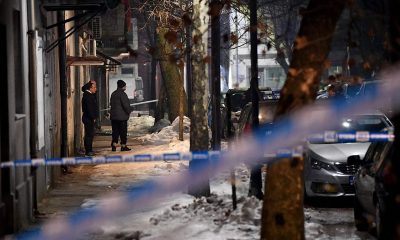
Two killed in shooting at restaurant near Frankfurt Airport
-
 International5 days ago
Trump Pushes for Regime Change in Cuba as Havana Confirms Talks With Washington
-
 International4 days ago
FBI: Man who attacked Michigan synagogue died from self-inflicted gunshot
-
 Central America13 hours ago
El Salvador destroys $166 million worth of cocaine seized from Tanzanian vessel
-
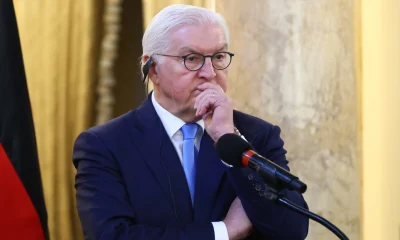
 International1 day ago
German president warns Iran war could spread and disrupt Strait of Hormuz
-
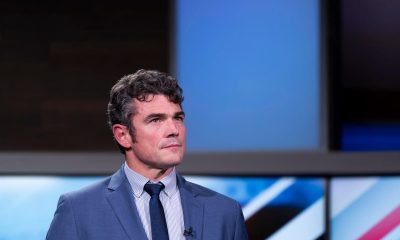 International13 hours ago
U.S. counterterrorism chief resigns over opposition to war in Iran
-
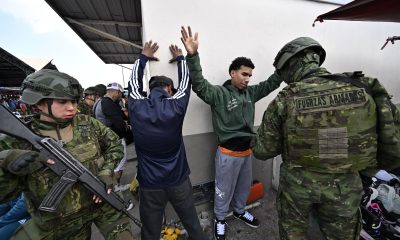
 International2 days ago
Noboa intensifies anti-cartel crackdown as violence persists in Ecuador
-
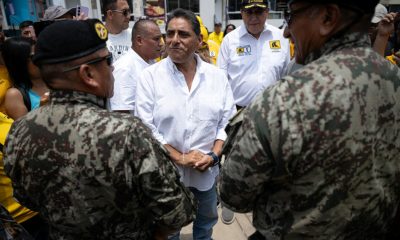
 International4 days ago
Peruvian presidential candidate proposes death penalty amid crime surge
-
 International1 day ago
Venezuela’s foreign minister accuses UN rights chief of “immoral bias”
-
 International1 day ago
Mexico security chief meets DEA director in Washington to boost anti-drug cooperation
-
 International2 days ago
Peruvian presidential candidate Napoleón Becerra dies in campaign road accident
-
 Central America13 hours ago
Analyst questions IACHR role over report on El Salvador emergency measures