
International
Peru braces for new rally in Lima despite state of emergency
January 16 | By AFP |
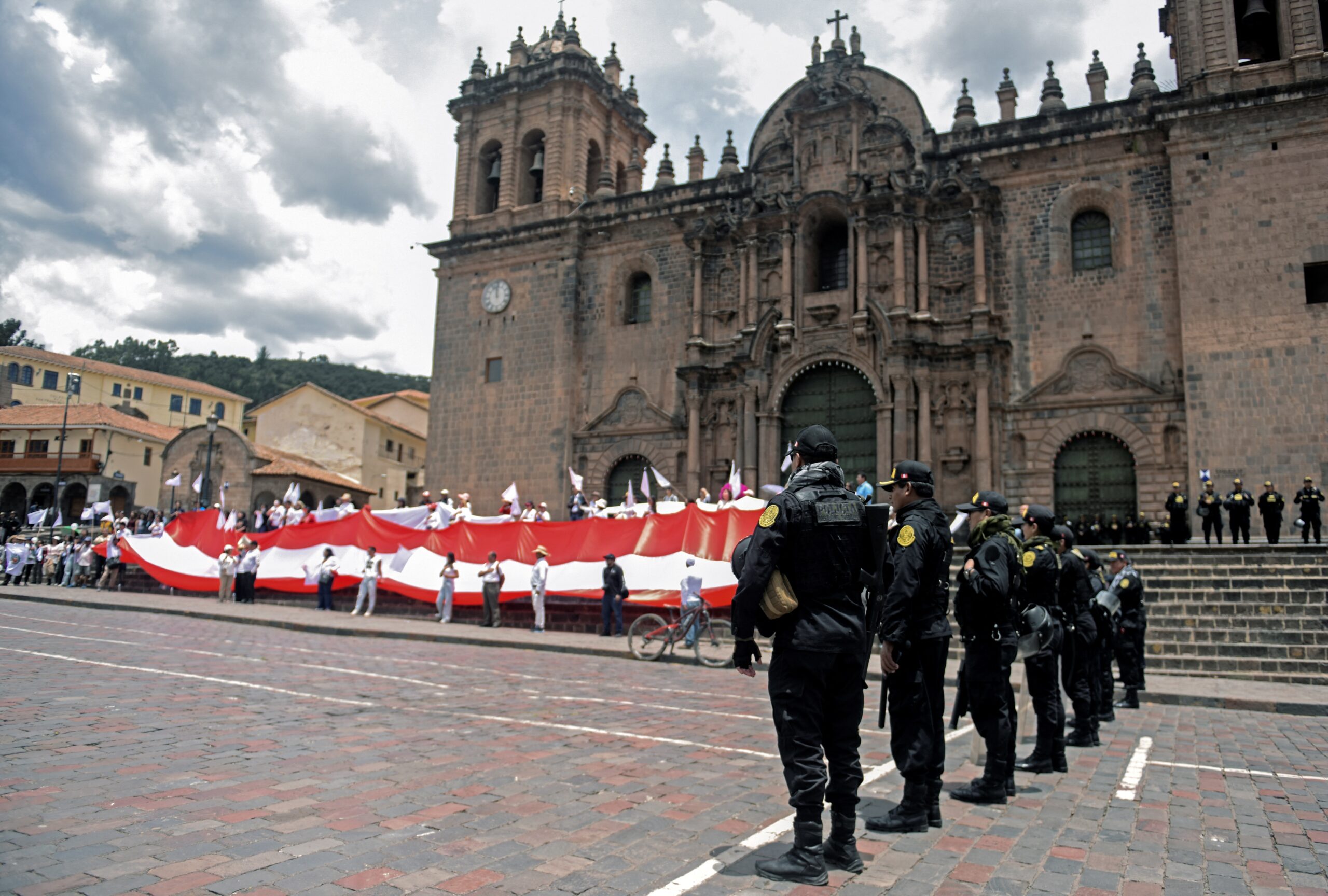
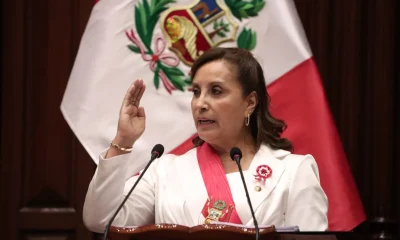
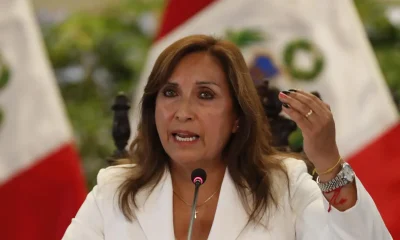
Lima was bracing for a new rally against President Dina Boluarte on Monday as thousands of demonstrators began mobilizing in Peru’s capital following weeks of deadly unrest.
Protesters from all over the country began heading to Lima over the weekend in a bid to maintain the pressure on authorities.
At least 42 people have died, according to Peru’s human rights ombudsman, in five weeks of clashes between protesters and security forces.
Supporters of ousted president Pedro Castillo — who was arrested and charged with rebellion amongst other offenses after trying last month to dissolve parliament and rule by decree — have set up burning roadblocks, attempted to storm airports and staged mass rallies.











They are demanding Boluarte’s resignation, the closure of Congress and fresh elections.
“We’ve decided to go to Lima,” Julio Vilca, a protest leader from the southern Ilave province, told AFP, with protesters set to defy a state of emergency in the capital.
On Sunday some 3,000 protesters in Andahuaylas in southeastern Peru began boarding trucks and buses bound for the demonstration in Lima, RPP radio reported.
The government extended by 30 days a state of emergency from midnight Saturday for Lima, Cusco, Callao and Puno, authorizing the military to back up police actions to restore public order.
The state of emergency also suspended constitutional rights such as freedom of movement and assembly, according to a decree published in the official gazette.
In protest epicenter Puno, the government declared a new night-time curfew for 10 days, from 8:00 pm to 4:00 am.
Dozens of demonstrators arrived in Lima’s Miraflores district late Saturday as part of a mobilization for what they called a “takeover of the city.”
Almost 100 stretches of road remained blockaded Sunday in 10 of Peru’s 25 regions — a record, according to a senior land transport official.
Castillo, a former rural school teacher and union leader, faced vehement opposition from Congress during his 18 months in office and is the subject of numerous criminal investigations into allegations of widespread graft.
His ouster sparked immediate nationwide protests, mainly among the rural poor, that petered out over the holiday period but resumed on January 4.
‘Terrible cruelties’
In the run-up to Monday’s demonstrations, attitudes among both protesters and government officials appeared to harden.
“We ask that Dina Boluarte resign as president and that Congress be shut down. We don’t want any more deaths,” Jasmin Reinoso, a 25-year-old nurse from Ayacucho, told AFP.
Prime Minister Alberto Otarola called for protesters to “radically change” their tactics and opt for dialogue.
“There is a small group organized and paid for by drug trafficking and illegal mining that wants to take power by force,” Otarola said on local television.
An Ipsos poll published Sunday said Boluarte had a 71 percent disapproval rating.
The unrest has been largely concentrated in the southern Andes, where Quechua and Aymara communities live.
The Inter-American Commission on Human Rights has said that in order to end the crisis, these groups need to be better integrated into Peruvian society.
Jose Muro, deputy minister of territorial governance, told TV Peru Sunday the government would create “spaces for dialogue” countrywide to discuss unanswered social demands.
Radical groups?
Peru has been politically unstable for years, with 60-year-old Boluarte the country’s sixth president in five years.
Castillo has been remanded in custody for 18 months, charged with rebellion and other crimes.
The authorities insist radical groups are behind the protests, including remnants of the Shining Path communist guerrilla group.
As proof, they have presented the capture this week of a former member of that organization, Rocio Leandro, whom the police accuse of having financed some of the unrest.























International
Lula Launches Re-Election Campaign Amid Rising Tensions With Trump
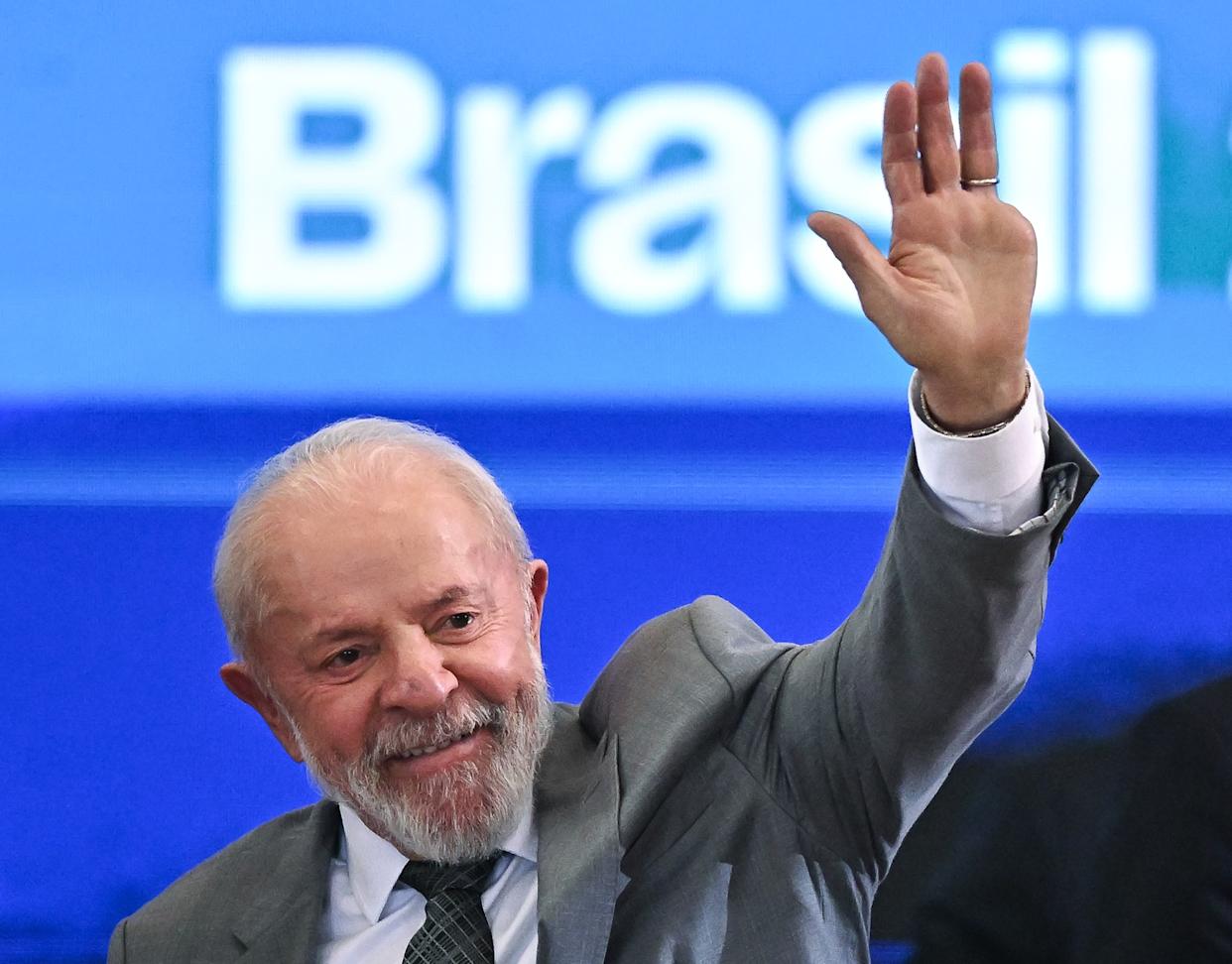
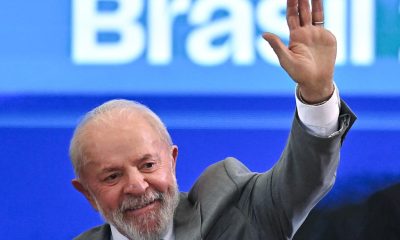
Brazilian President Luiz Inácio Lula da Silva is set to be officially nominated for re-election by his Workers’ Party (PT), marking the start of his campaign for a fourth presidential term.
The nomination takes place during the party’s national convention in São Paulo, Brazil’s economic hub, where around 3,000 supporters gathered to back the veteran leftist leader.
“Today I’m here because Lula’s policies changed my life and my family’s. Thanks to him, we finally own a home after eight generations without one,” said Cristiane Rosa Julho, a 51-year-old social worker attending the event dressed in the PT’s signature red.
Seeking the presidency for the seventh time in his political career, Lula is expected to face Senator Flávio Bolsonaro in next year’s election.
The 45-year-old senator is the son of former far-right President Jair Bolsonaro, who has been jailed over his alleged role in an attempted coup following his defeat to Lula in the 2022 election.
The party convention opened with videos highlighting Lula’s social initiatives and speeches by four women praising his leadership, while supporters waved PT flags and held signs reading “We Want Lula as President” and “Brazil Is Not for Sale.”
The campaign begins amid growing tensions with the United States and President Donald Trump, a close ally of the Bolsonaro family who has openly backed several conservative candidates across Latin America.
Last week, Lula warned against foreign interference, declaring, “In Brazil, we do not accept anyone sticking their nose where it doesn’t belong.”
In July, the United States imposed two rounds of tariffs on Brazilian products, accusing the country of unfair trade practices. The measures followed earlier restrictions introduced in 2025, encouraged by Jair Bolsonaro’s son Eduardo Bolsonaro, in response to legal proceedings against the former president.
Lula has vowed to wage what he called a “war of truth against lies” in response to Washington’s pressure and accused Flávio Bolsonaro of undermining Brazil’s interests by allegedly helping the United States damage the country’s economy. The senator has denied the accusations.
The Brazilian president also claims Washington is attempting to influence the country’s political landscape in an effort to prevent his re-election.
International
Truck bomb attack near police station in Colombia leaves 14 injured ahead of presidential inauguration
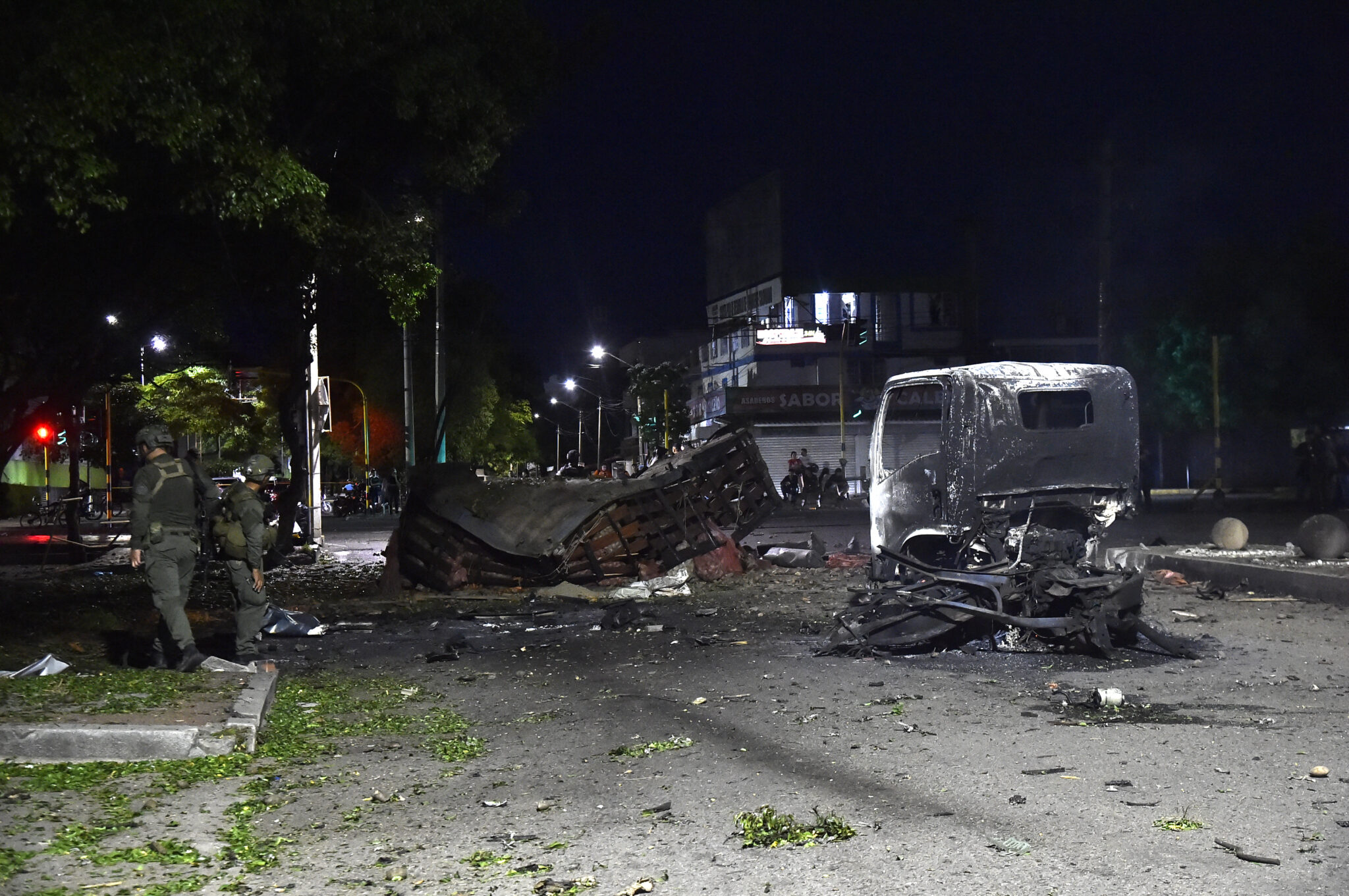
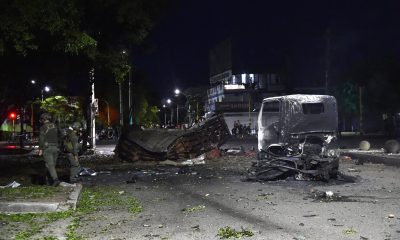
A truck loaded with explosives exploded on Saturday near a police station in the Colombian city of Cúcuta, close to the Venezuelan border, leaving 14 people injured in an attack that occurred six days before president-elect Abelardo de la Espriella’s inauguration.
The blast took place in the early hours of the morning and was allegedly carried out by members of the National Liberation Army (ELN), who detonated a vehicle packed with explosives. According to the latest report from the Colombian Army, the attack injured 11 police officers and three civilians.
The explosion involved around 15 explosive devices, and two of the wounded officers are in critical condition and “fighting for their lives,” said William Villamizar, governor of Norte de Santander, the region where the attack occurred.
The incident comes amid Colombia’s worst wave of violence in the past decade, with armed groups expanding their presence in several areas of the country.
“I strongly condemn the cowardly terrorist attack carried out in Cúcuta against our National Police. Terrorism will not intimidate Colombia or break the determination of Colombians to live in peace and security,” De la Espriella said in a post on X.
The conservative lawyer, who has been described as a far-right figure, will take office on August 7, replacing Gustavo Petro, Colombia’s first left-wing president. The inauguration ceremony will be held in Cali, the country’s third-largest city and a frequent target of attacks by armed groups.
The United Nations condemned what it described as an “indiscriminate attack” that caused not only injuries but also “fear and distress among the population.”
De la Espriella has repeatedly warned about an alleged plot against his life. Meanwhile, President Gustavo Petro, who is currently visiting Cuba, has not commented on the attack. During his visit, Petro met with Cuban President Miguel Díaz-Canel to discuss what Havana describes as the United States’ “policy of suffocation” toward the island.
International
EU Faces Migration Crisis After 60,000 Migrants Arrive in Spain’s Ceuta Enclave
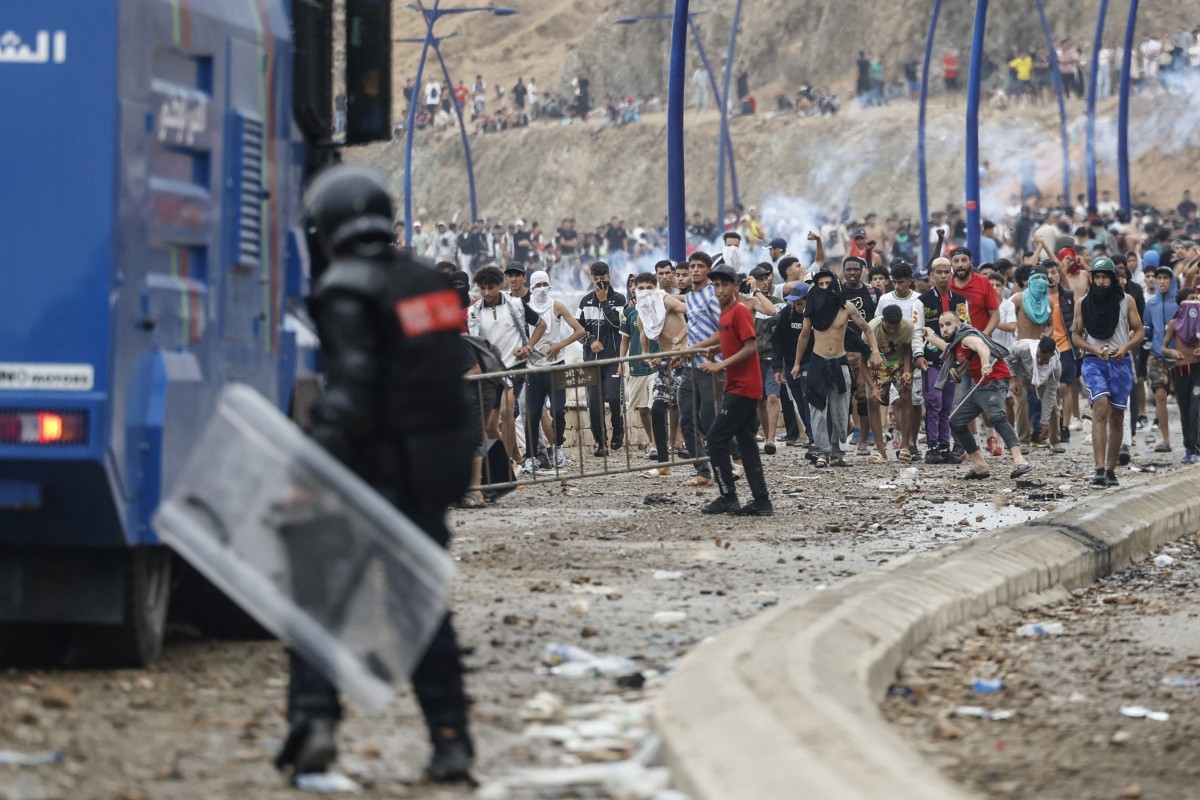
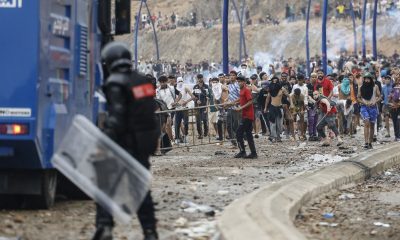
The arrival of around 60,000 migrants from Morocco to Spain’s Ceuta enclave triggered a major European Union crisis on Friday, after Madrid described the situation as an “attack” on its territorial integrity.
At least 34 people died while attempting to reach the Spanish territory, according to local authorities.
Hundreds of migrants had begun arriving in Ceuta earlier in the week, either by swimming across the border or climbing security fences. Most of those who entered were young men and teenagers.
However, the situation escalated dramatically early Thursday morning, when the number of arrivals surged within a few hours, reaching nearly 60,000 people. According to the Spanish government, the vast majority of them — around 48,000 migrants — had returned to Morocco by Friday evening.
The episode represents one of the most serious migration crises faced by the autonomous city of Ceuta, which has a population of around 84,000 residents, in recent years.
Several European countries responded strongly to the crisis, with Italy announcing the temporary suspension of the Schengen free movement agreement with Spain, a measure supported by Finland and Denmark.
“The temporary suspension of Schengen with Spain is a necessary decision to protect the security of our citizens and defend Europe’s borders,” Italian Foreign Minister Antonio Tajani said in a post on X.
Italy’s Interior Ministry confirmed that the country had tightened controls on maritime and air entry points from Spain, but clarified that the measure would not affect Spanish or European citizens traveling to Italy.
The additional checks will specifically target non-European citizens arriving from Spain, according to the ministry.
The measure will remain in effect for one month starting Saturday, authorities said.
Spain’s Foreign Minister José Manuel Albares responded to the Italian announcement through a statement on X, as European governments continued discussions over the consequences of the migration crisis.


Lula Launches Re-Election Campaign Amid Rising Tensions With Trump

Truck bomb attack near police station in Colombia leaves 14 injured ahead of presidential inauguration

EU Faces Migration Crisis After 60,000 Migrants Arrive in Spain’s Ceuta Enclave
Tec de Monterrey honors one of its students for his contribution to nanotechnology in medicine

Defense Minister commends salvadoran soldier for Central American Cross Country victory

Extension of the state of emergency approved in southern Chile
-
 International3 days ago
EU Faces Migration Crisis After 60,000 Migrants Arrive in Spain’s Ceuta Enclave
-
 International4 days ago
Chuck Schumer Unveils Proposal to Strengthen Oversight of the U.S. Presidency
-
 International4 days ago
FAO and WFP Seek $42 Million to Prepare Southern Africa for Unprecedented El Niño
-
 International4 days ago
Trump Administration Urges Latin America to Increase Defense Spending Against Organized Crime
-
 International1 day ago
Truck bomb attack near police station in Colombia leaves 14 injured ahead of presidential inauguration
-
 International5 hours ago
Lula Launches Re-Election Campaign Amid Rising Tensions With Trump