
International
Joy and worry for Venezuelans as US shuts land border
AFP | Paula Ramon
Jose was reunited with his wife and four-year-old child in the United States minutes after Washington shut its southern border to Venezuelans. But his happiness was short-lived.
His adult son, currently battling through the treacherous Darien Gap jungle that straddles Colombia and Panama, will likely be turned away from the United States — if he even makes it that far.
“Last night I was happier than a child at Christmas,” he told AFP by telephone on Thursday.
“But when I saw the news I immediately called my son and asked him not to continue his journey.”









AFP has changed the names of migrants interviewed for this story because of their vulnerable status, or the risk of retribution from human traffickers.
Humanitarian program
The Department of Homeland Security on Wednesday announced that Venezuelans entering the United States by land will be returned to Mexico, in line with almost all other migrants without visas coming over the border.
Until now they have been granted exceptions because of Washington’s distrust of the hard-left regime in Caracas, which it says punishes political opponents.
Instead, the United States will allow 24,000 Venezuelans to apply for entry under a humanitarian program, similar to a scheme that has welcomed tens of thousands of Ukrainians fleeing the Russian invasion of their country.
The program — launched a month ahead of elections — is a bid by President Joe Biden’s administration to chart a path between Democratic demands for helping desperate migrants and Republican calls to stem what they paint as a “tide” of illegal migration.
In the year to September, border authorities encountered more than 155,000 Venezuelans, more than triple the previous year.
Most, like Jose, arrive in Texas.
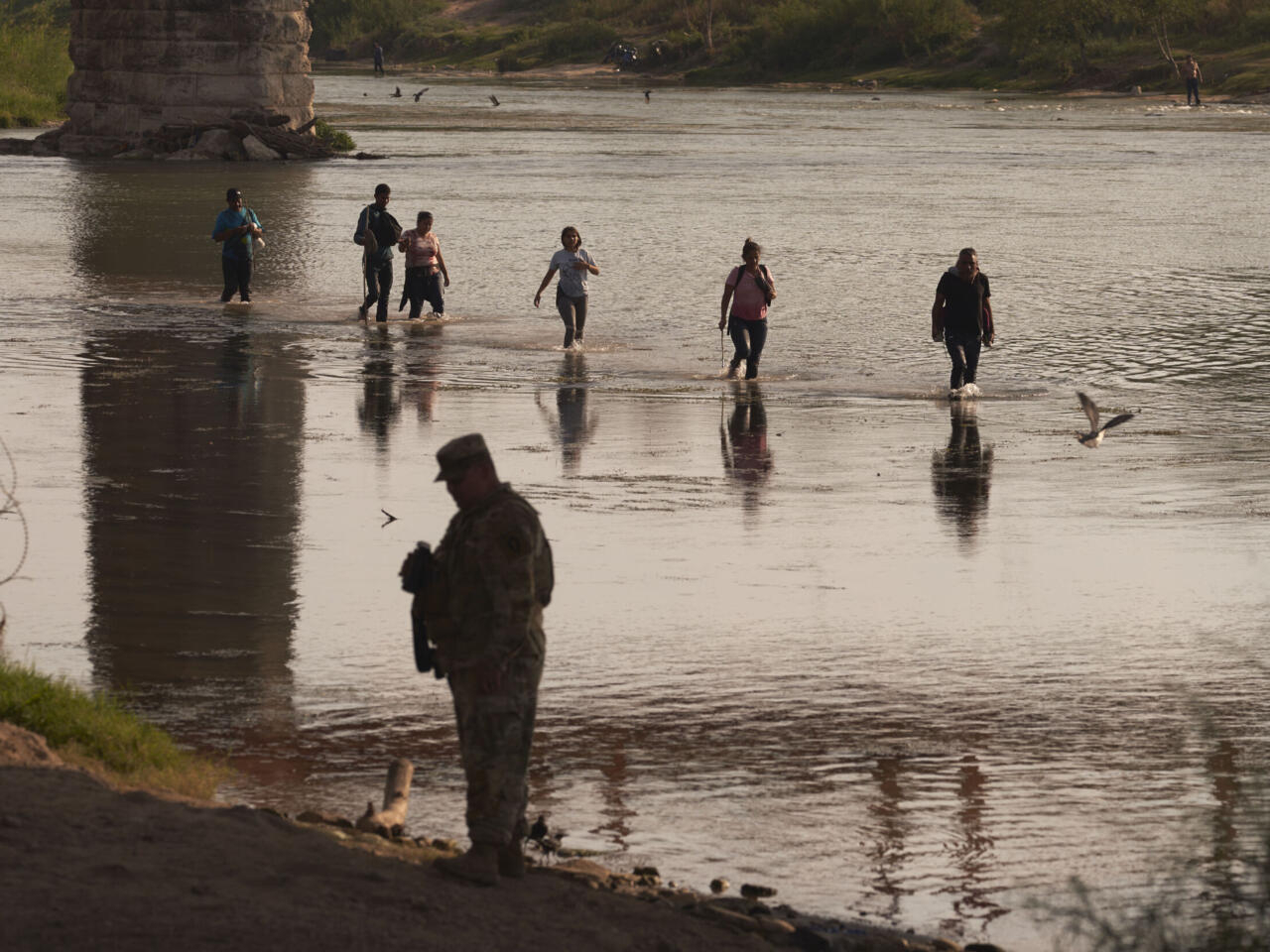
He set foot on US soil on Sunday after wading across the chest-deep waters of the Rio Grande river near Eagle Pass.
“It was nothing compared to what I had to do to get here,” he said as he stood in the baking Texas sun, his clothes wet and his shoes muddy.
In his backpack were the few clothes he still owned.
“The others I left on the road.”
Crisis
Millions of Venezuelans have left the country in recent years, fleeing a political and economic crisis under authoritarian President Nicolas Maduro.
Many have traveled to nearby Latin American countries but an increasing number are heading for the United States — despite the distance and the danger.
Videos on TikTok — a main source of news for Venezuelans — show columns of people with backpacks making their way through dense vegetation.
Stories of rapes, robberies, murders and bribery are common among those who make it.
Jose’s seven-country journey took him a month.
After reuniting with his wife and young child, he thought things were finally coming together, with his 22-year-old son setting off from Caracas to join him.
Then the US government changed the rules.
“I am very sad, and so is he, because we were all going to be together finally,” he says.
“It would give me a lot of pain if he makes such a big effort and they send him back to Mexico, where the people are very good but the immigration agents and the police mistreat us a lot.”
Jose says his time in Mexico was the hardest part of the trip.
“In the jungle they put a bracelet on you to distinguish those who pay from those who don’t. Those who don’t pay are mistreated.
“In Mexico, the coyote tells you it’s $500, but if you tell him ‘I have $200,’ he accepts it.
“But a Mexican cop will tell you it’s $500 and if you don’t give it to him, he’ll beat you or rob you.”
Maria, who also arrived in Eagle Pass on Sunday, was reunited with her boyfriend in Georgia on Wednesday.
“I was lucky, but the Mexican agents took my friends and beat them. They detained them for two weeks, and released them somewhere else. Now they won’t be able to get into the US,” she says.
Maria’s boyfriend is overjoyed that she made it to the United States, where he hopes she will be able to get treatment for a chronic illness.
But he frets over what will happen now to his three sisters, who are somewhere deep in the Darien Gap.
“I do nothing but think, I’m happy because Maria is finally here, but I don’t know what I’m going to do,” he said.







International
Claudia Sheinbaum: Operation Against ‘El Mencho’ Was Based on Pending Arrest Warrants
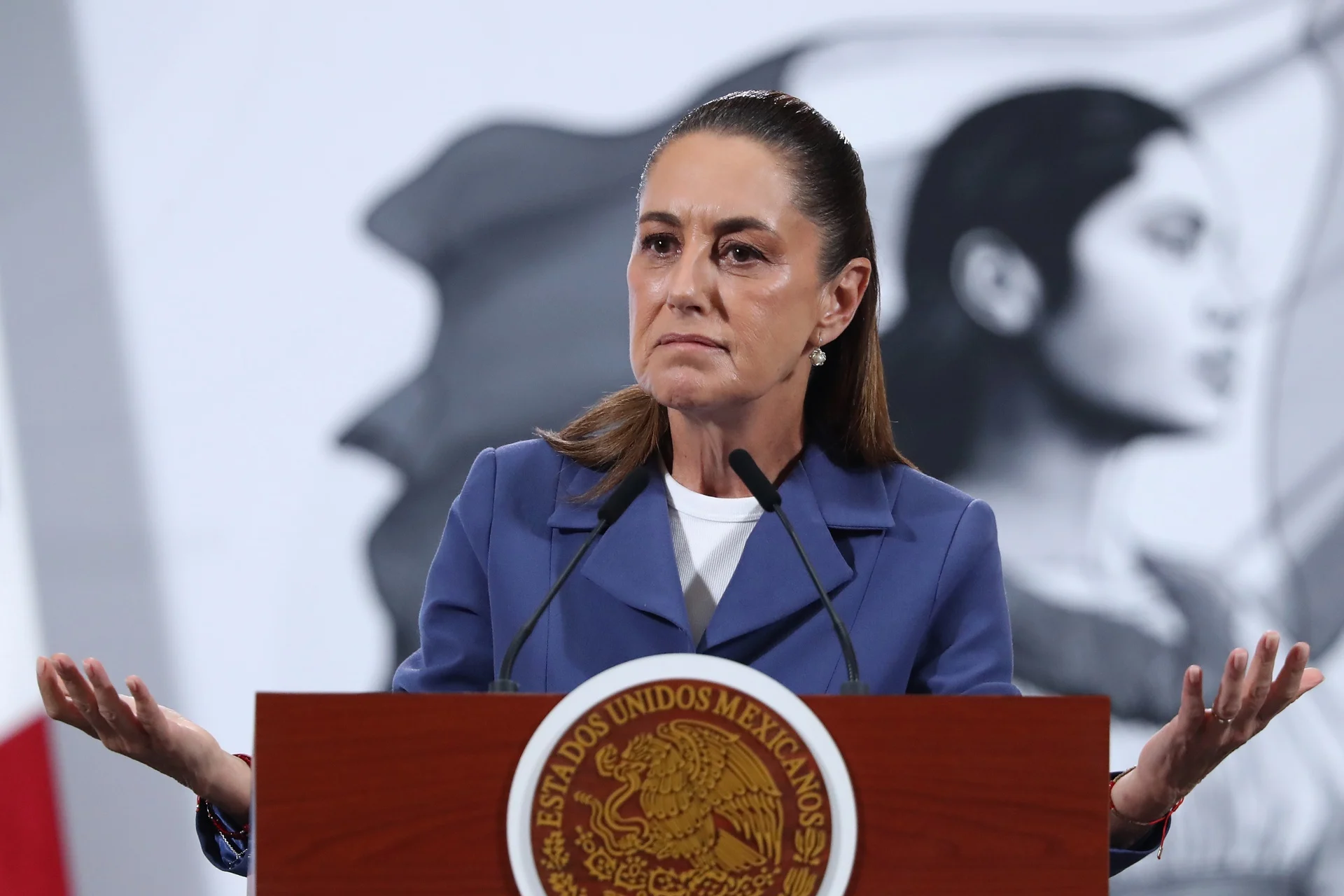
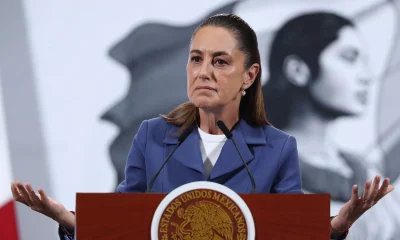
Mexico’s President Claudia Sheinbaum on Wednesday rejected claims that the military operation that resulted in the death of Nemesio Oseguera Cervantes, known as “El Mencho,” leader of the Jalisco New Generation Cartel (CJNG), was carried out under pressure from the United States government.
Sheinbaum explained that the deployment of federal forces was aimed at executing outstanding arrest warrants against Oseguera Cervantes, who was considered one of the most wanted criminals in both Mexico and the United States.
“That was not the objective (to ease pressure from the United States). It is very important, and I want to repeat it. This individual had an arrest warrant, or several,” Sheinbaum said, referring to the operation conducted on February 22.
According to the president, the initial goal was to capture Oseguera Cervantes, but military forces responded after coming under attack during the intervention.
“The operation was to detain him. The problem is that they were attacked — the Secretariat of National Defense — and they responded at that moment,” she said.
The president insisted that the action was not carried out in response to external demands, although she acknowledged intelligence cooperation with the United States.
“It was not done in any way because of pressure from the United States, not at all. Of course, there was intelligence information from the United States that was used specifically,” she concluded.
International
Spain Denies Any Agreement to Cooperate with U.S. Military in Iran Operations
International
White House Says Spain Agrees to Cooperate with U.S. Military After Trump Threatens Trade Embargo
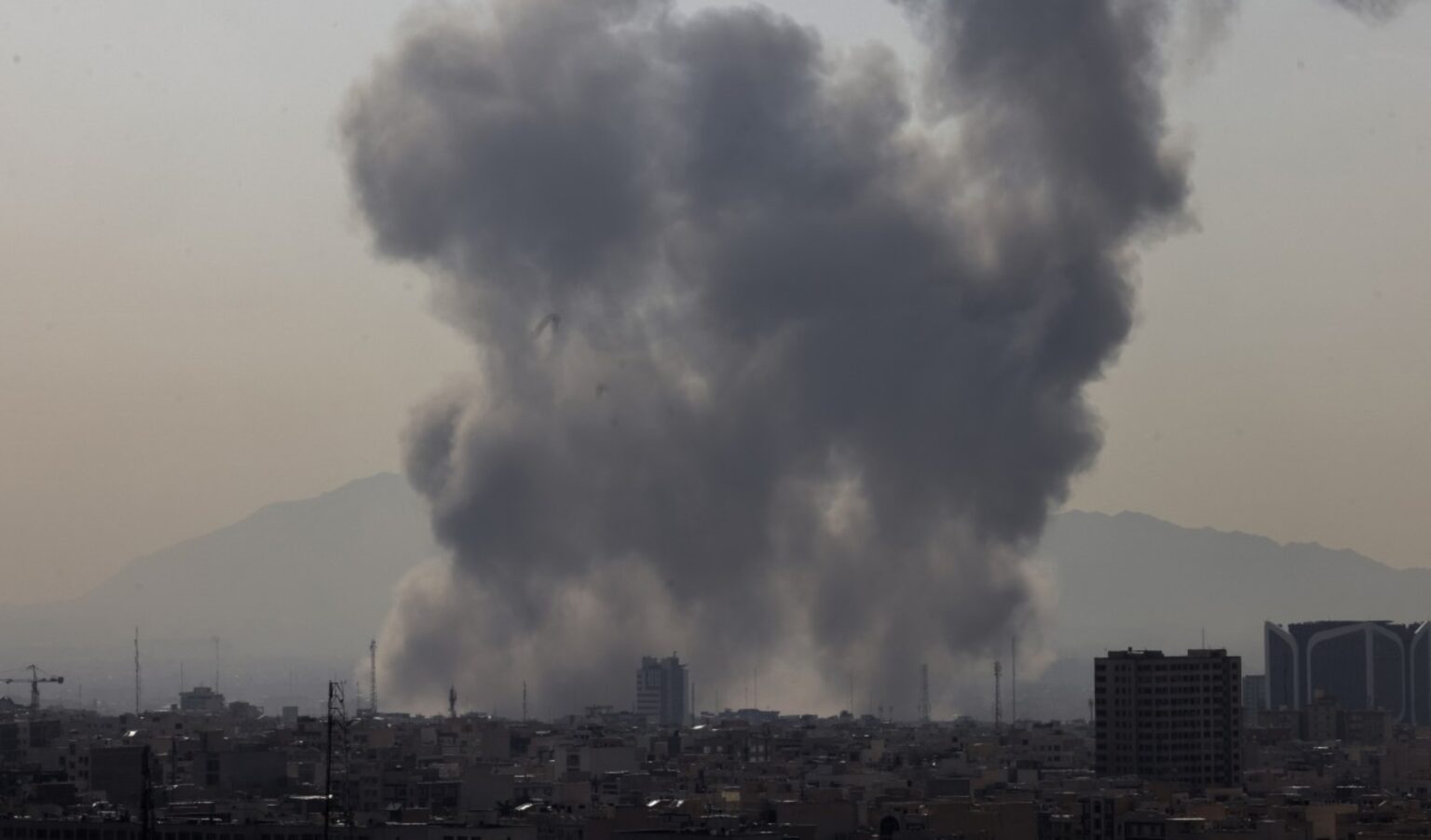
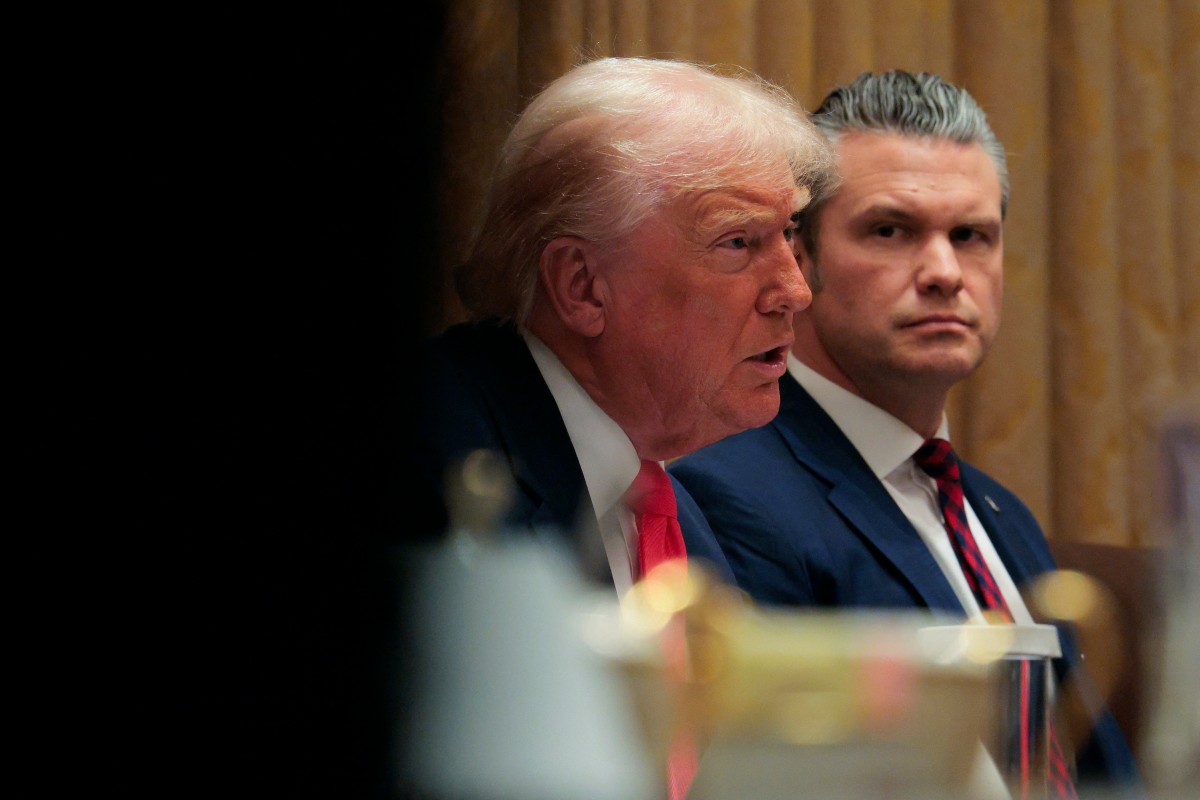
White House Press Secretary Karoline Leavitt said Wednesday that Spain has agreed “in recent hours” to cooperate with the U.S. military, following President Donald Trump’s threat to impose a trade embargo on Madrid.
Trump had warned of potential commercial measures after Spain reportedly refused to allow the Pentagon to use facilities at Spanish military bases for operations related to Iran.
“With respect to Spain, I think you heard the president’s message yesterday loud and clear, and I understand that in recent hours they have agreed to cooperate with the United States military,” Leavitt said during a press briefing.
She added that the U.S. military is currently coordinating with its counterparts in Spain. However, the president expects broader support.
“The president expects that all of Europe, all of our European allies, of course, will cooperate in this important mission — not only for the United States, but also for Europe,” Leavitt said.
Her remarks came in response to questions about Spain’s position and its role as a U.S. ally amid rising tensions surrounding operations involving Iran.

Claudia Sheinbaum: Operation Against ‘El Mencho’ Was Based on Pending Arrest Warrants

Nicaragua Held Responsible for Harassment of Opposition Prosecutor and His Family

Spain Denies Any Agreement to Cooperate with U.S. Military in Iran Operations
Tec de Monterrey honors one of its students for his contribution to nanotechnology in medicine

Defense Minister commends salvadoran soldier for Central American Cross Country victory

Extension of the state of emergency approved in southern Chile
-
 International4 days ago
Iran Reports 201 Dead, 747 Injured After U.S. and Israeli Strikes
-
 International2 days ago
Brazil’s Supreme Court Rejects Bolsonaro’s Bid for House Arrest
-

 International4 days ago
Pope Leo XIV Urges End to ‘Spiral of Violence’ in Middle East
-

 International4 days ago
Security Council to Hold Emergency Meeting on Middle East Crisis
-
 Sin categoría4 days ago
Trump: ‘We Think It’s True’ Amid Claims Iran’s Supreme Leader Was Killed
-
 International2 days ago
Anti-ICE Billboard Campaign Targets Immigration Spending in 31 U.S. Cities
-
 International1 day ago
Spain’s Prime Minister to Address Nation Amid Trump’s Trade Threats
-
 International2 days ago
Trump Warns of ‘Major Wave’ of Attacks as Iran Conflict Escalates
-
 International2 days ago
Mexico Calls for Immediate Probe After National Dies in ICE Custody
-
 International2 days ago
Bolivia Orders Three Investigations Into Deadly Military Plane Crash
-
 International1 day ago
New York Announces First 2,000 Seats in Universal 2-K Program
-

 Central America2 days ago
Panama Canal Monitoring Trade as Middle East Conflict Disrupts Shipping
-
International9 hours ago
White House Says Spain Agrees to Cooperate with U.S. Military After Trump Threatens Trade Embargo
-
International9 hours ago
Spain Denies Any Agreement to Cooperate with U.S. Military in Iran Operations
-
 Central America1 day ago
Guatemala’s Attorney General Fails in Bid for Top Court Seat Amid Corruption Allegations
-

 International1 day ago
Warner Bros. Developing First ‘Game of Thrones’ Movie With ‘Andor’ Writer
-
 Central America9 hours ago
Nicaragua Held Responsible for Harassment of Opposition Prosecutor and His Family
-
 International9 hours ago
Claudia Sheinbaum: Operation Against ‘El Mencho’ Was Based on Pending Arrest Warrants