
International
Argentine ministry links four deaths to Legionnaires’ disease
AFP
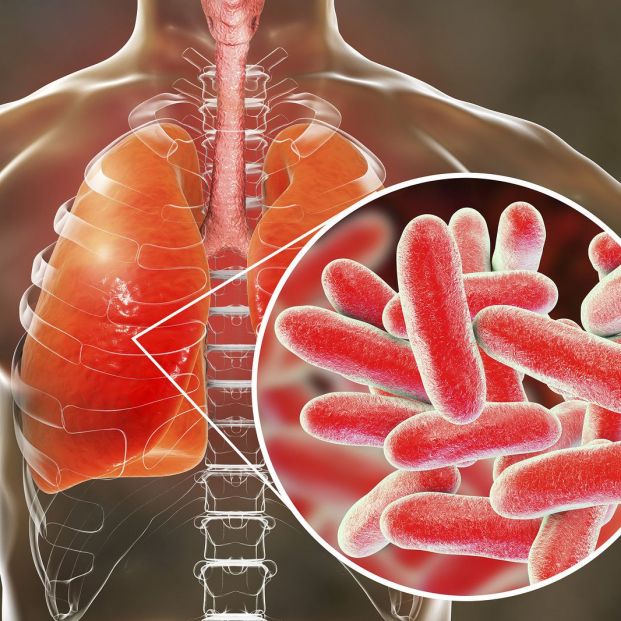
Argentine health officials said Saturday that four people in a clinic in northwestern Tucuman province had died of Legionnaires’ disease, a relatively rare bacterial infection of the lungs.
Health Minister Carla Vizzotti told reporters that Legionnaires’ had been identified as the underlying cause of double pneumonia in the four, who had suffered high fevers, body aches and trouble breathing.
The deaths, all since Monday, occurred in a single clinic in the city of San Miguel de Tucuman.
The latest, on Saturday morning, was that of a 48-year-old man with underlying health problems. A 70-year-old woman who had undergone surgery in the clinic was also a victim.









Seven other symptomatic cases have been identified, all from the same establishment and nearly all involving clinic personnel, provincial officials said.
Of those seven, “four remain hospitalized, three of them under respiratory assistance, and three are under home surveillance, with less complicated clinical symptoms,” said provincial health minister Luis Medina Ruiz on Saturday.
The disease, which first appeared at a 1976 meeting of the American Legion veterans group in the US city of Philadelphia, has been linked to contaminated water or unclean air-conditioning systems.
When the outbreak in Tucuman was first detected, doctors tested the afflicted for Covid-19, flu and the hantavirus, but ruled all of them out.
Samples were then sent to the prestigious Malbran Institute in Buenos Aires. Tests there pointed to Legionnaires’.
On Wednesday, Medina Ruiz had said that “toxic and environmental causes” could not be ruled out. He noted that the clinic’s climate-control systems were being checked.
Vizzotti said authorities are working to ensure the clinic is safe for patients and staff.
Hector Sale, president of the Tucuman provincial medical college, earlier this week described the bacterial infection as “aggressive.”
But he added that it is not normally transmitted person-to-person, and that no close contact of any of the 11 infected people showed symptoms.






International
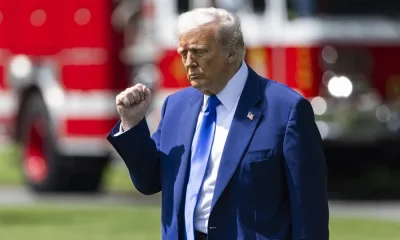
Iran issues threat to Trump as conflict escalates over Strait of Hormuz
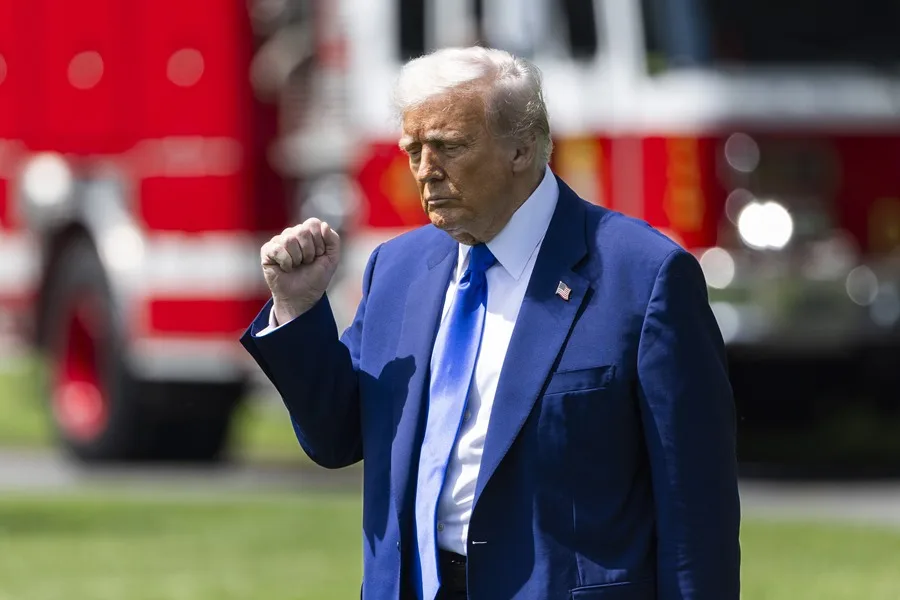
The head of Iran’s Supreme National Security Council, Ali Larijani, threatened U.S. President Donald Trump on Tuesday, warning him to “beware of being eliminated.”
The Republican president had warned on Monday that he would strike Iran “very hard” if the Islamic Republic blocked oil shipments through the Strait of Hormuz, which has effectively been closed since the war began eleven days ago.
“Iran is not afraid of your empty threats. Others more powerful than you tried to destroy the Iranian nation and failed. Beware that you are not eliminated,” Larijani wrote on X.
Earlier, Iran’s Revolutionary Guards — the ideological military force of the Islamic Republic — also said their forces would move to block oil exports from the Gulf.
Meanwhile, Israeli Prime Minister Benjamin Netanyahu said Israel’s military offensive against Iran is far from over.
“Our aspiration is that the Iranian people free themselves from the yoke of tyranny; ultimately, that depends on them. But there is no doubt that with the measures taken so far we are breaking their bones, and we are not finished yet,” Netanyahu said in a statement.
International
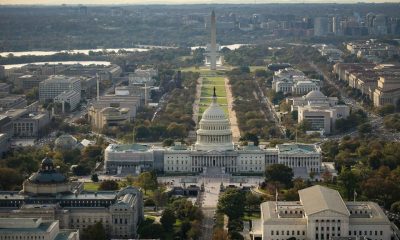
Driver detained after suspicious vehicle incident near the White House

The driver was detained and no injuries were reported after an incident that occurred before dawn in Lafayette Square, just north of the White House.
The U.S. Secret Service, which is responsible for presidential security, said in a statement that it was “investigating a suspicious vehicle.” The driver of the car was taken into custody and is currently being questioned.
Washington remains under heightened security measures amid the ongoing conflict involving the United States and Israel against Iran.
Police closed several major streets around the White House. However, by about 8:30 a.m. local time (12:30 GMT), government employees and staff from nearby institutions were allowed to pass through the area with proper identification, according to an AFP journalist at the scene.
Dozens of emergency vehicles with flashing lights responded to the location, while tourists and residents waited for authorities to reopen the streets.
International
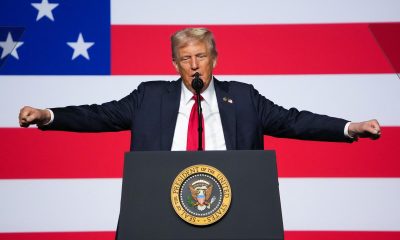
Trump Raises Possibility of “Friendly Takeover” of Cuba Amid Deepening Crisis
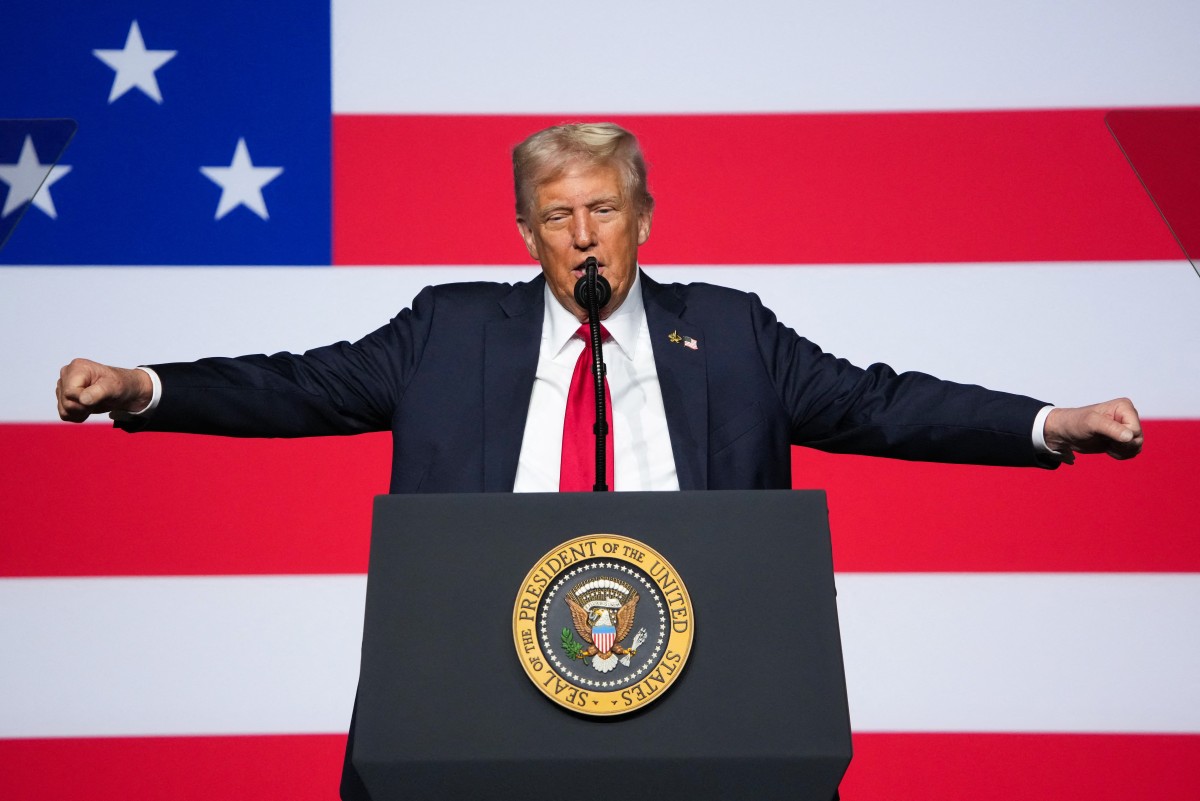
The President of the United States, Donald Trump, reiterated Monday the possibility that Washington could pursue a “friendly takeover” of Cuba, amid the severe crisis facing the island following the oil blockade promoted by the U.S. government.
Speaking at a press conference in Miami, the president said that U.S. Secretary of State Marco Rubio is currently “negotiating” with representatives of the Cuban government, although authorities in Havana have repeatedly denied that such talks are taking place.
Trump suggested that Washington could play a more direct role in the island’s future.
“It may be a friendly takeover. It may not be a friendly takeover. It wouldn’t matter because they’re really down to, as they say, fumes. They have no energy, they have no money. They are in deep trouble on a humanitarian basis, and we really don’t want to see that,” the U.S. president said.
The president also argued that the Cuban government had long depended heavily on support from Venezuela, particularly oil supplies.
According to Trump, that support has been drastically reduced following measures adopted by Washington.
“They were living off Venezuela. Venezuela doesn’t send them energy, fuel, oil, money, or anything anymore. They couldn’t survive without Venezuela, they couldn’t have made it, and we cut everything off,” Trump said.

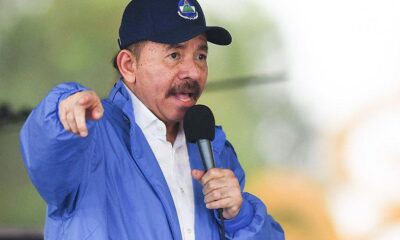
UN experts warn Nicaragua runs vast transnational network to monitor exiled dissidents

Iran issues threat to Trump as conflict escalates over Strait of Hormuz

Driver detained after suspicious vehicle incident near the White House
Tec de Monterrey honors one of its students for his contribution to nanotechnology in medicine

Defense Minister commends salvadoran soldier for Central American Cross Country victory

Extension of the state of emergency approved in southern Chile
-
 International5 days ago
Trump announces 17-nation alliance in the Americas to “destroy” drug cartels
-
International4 days ago
Mexico, Brazil and Colombia left out of Trump’s “Shield of the Americas” summit
-
 International2 days ago
Trump Raises Possibility of “Friendly Takeover” of Cuba Amid Deepening Crisis
-

 Central America2 days ago
Guatemala Remains in “Restricted” Press Freedom Category, Chapultepec Index Warns
-
 International18 hours ago
Iran issues threat to Trump as conflict escalates over Strait of Hormuz
-
 International18 hours ago
Driver detained after suspicious vehicle incident near the White House
-
 Central America2 days ago
UN Report Warns of Nicaragua’s “Transnational” Surveillance Network Targeting Dissidents
-
 Sin categoría17 hours ago
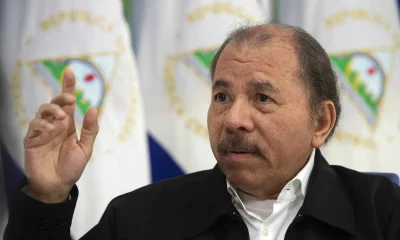
UN experts warn Nicaragua runs vast transnational network to monitor exiled dissidents
-
 Central America2 days ago
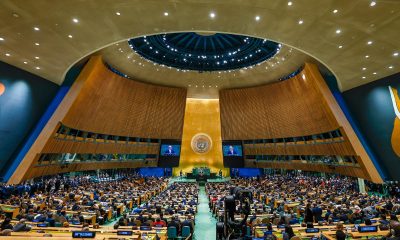
UN Rapporteur Warns of “Deep Crisis” in Guatemala’s Judicial System