
International
Workers strike at world’s largest copper producer, Chile’s Codelco
AFP
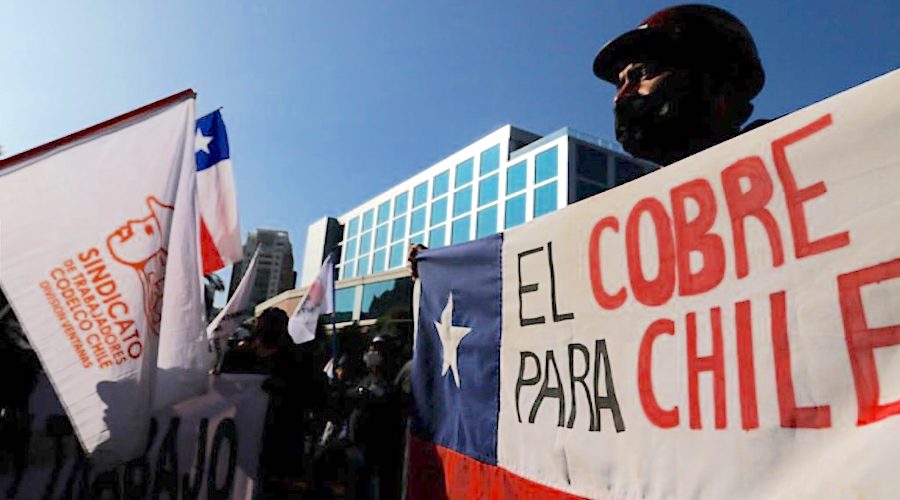
Workers at Chile’s state mining company Codelco, the largest producer of copper in the world, went on an “indefinite” strike on Wednesday, unions said, protesting the closure of a foundry in one of the country’s most polluted regions.
Codelco announced last week that it would close the Ventanas foundry in the towns of Quintero and Puchuncavi.
The Copper Workers Federation (FTC) released a statement saying there was “full support for this paralyzation in solidarity with the workers at the Ventanas division” from Codelco’s other divisions.
FTC president Amador Pantoja told a local television station the strike will cost Codelco $20 million a day.









The FTC represents around 14,000 Codelco workers and another 40,000 external contractors, Pantoja added.
Unions described the closure of the Ventanas foundry, located around 140 kilometers west of Santiago, as “arbitrary” and are demanding the government invests $54 million to bring the plant up to the highest environmental standards.
The entrance to Ventanas was blocked by burning roadblocks and dozens of workers waving Chilean flags on Wednesday.
“No to closure, yes to investment,” read one banner.
Codelco’s decision comes after an incident on June 9 when 115 people, mostly school children, suffered sulphur dioxide poisoning released by heavy industry, provoking the closure of schools in the area.
It was the second such incident in a matter of just three days.
Sulphur dioxide is a classic air pollutant usually linked to the burning of fossil fuels.
Greenpeace described the area around the Ventanas plant as “Chile’s Chernobyl” following a serious incident in 2018 when around 600 people in Quintero and Puchuncavi received medical treatment for symptoms such as vomiting blood, headaches, dizziness, paralysis of their extremities and strange red marks on children’s skin.
Last week, President Gabriel Boric hit out at Chile’s record on polluting the environment.
“We don’t want any more areas of (environmental) sacrifice,” he said.
“There are now hundreds of thousands of people who live in our country exposed to severe degradation of the environment that we have provoked or allowed and, as a Chilean, that makes me feel ashamed.”
Pollution accumulated in the area of Quintero and Puchuncavi, home to around 50,000 people, after the government decided in 1958 to convert it into an industrial center that now hosts four coal-fired power stations and oil and copper refineries.






International
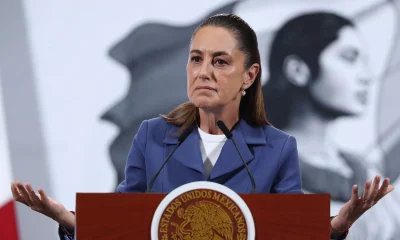
Claudia Sheinbaum: Operation Against ‘El Mencho’ Was Based on Pending Arrest Warrants
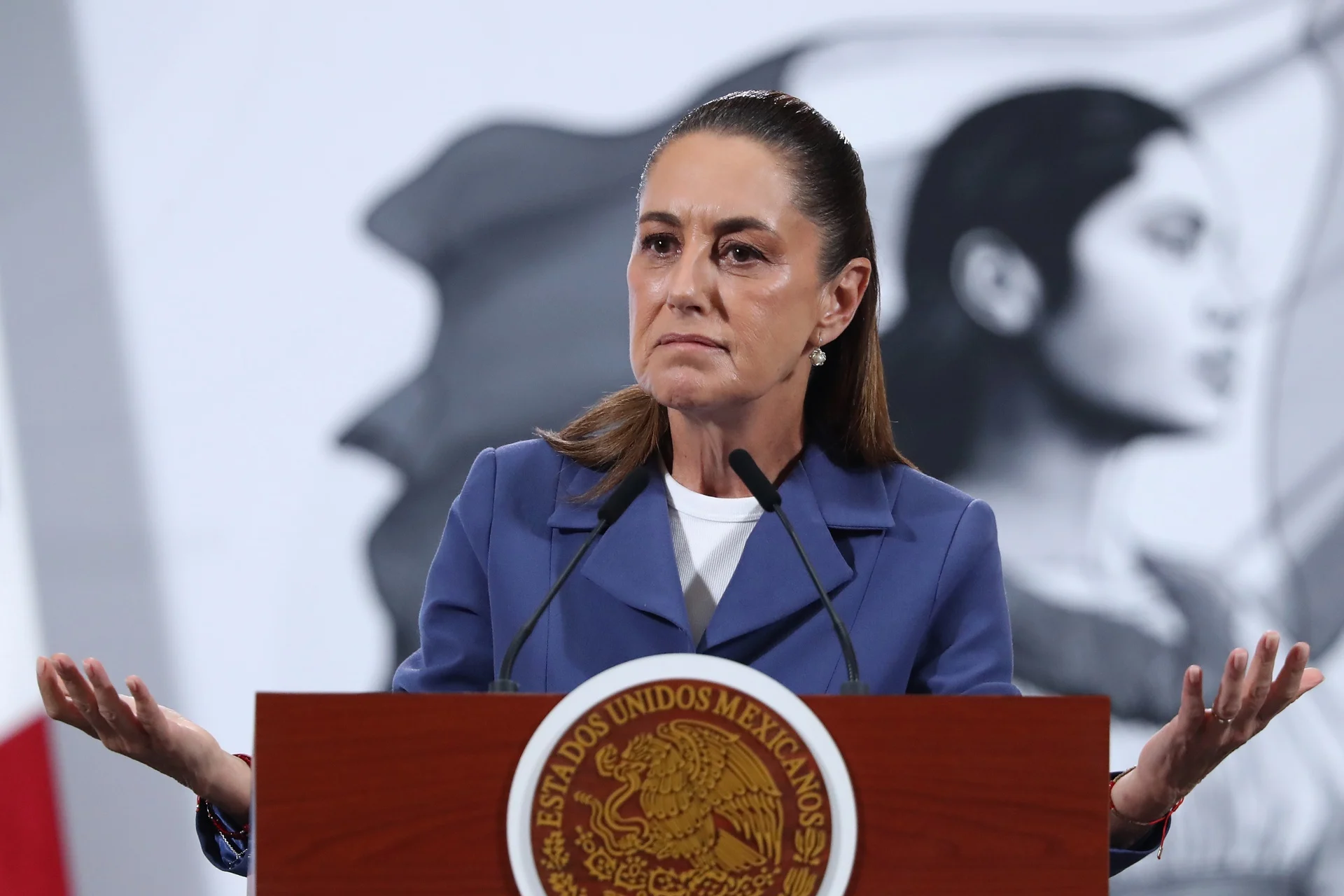
Mexico’s President Claudia Sheinbaum on Wednesday rejected claims that the military operation that resulted in the death of Nemesio Oseguera Cervantes, known as “El Mencho,” leader of the Jalisco New Generation Cartel (CJNG), was carried out under pressure from the United States government.
Sheinbaum explained that the deployment of federal forces was aimed at executing outstanding arrest warrants against Oseguera Cervantes, who was considered one of the most wanted criminals in both Mexico and the United States.
“That was not the objective (to ease pressure from the United States). It is very important, and I want to repeat it. This individual had an arrest warrant, or several,” Sheinbaum said, referring to the operation conducted on February 22.
According to the president, the initial goal was to capture Oseguera Cervantes, but military forces responded after coming under attack during the intervention.
“The operation was to detain him. The problem is that they were attacked — the Secretariat of National Defense — and they responded at that moment,” she said.
The president insisted that the action was not carried out in response to external demands, although she acknowledged intelligence cooperation with the United States.
“It was not done in any way because of pressure from the United States, not at all. Of course, there was intelligence information from the United States that was used specifically,” she concluded.
International
Spain Denies Any Agreement to Cooperate with U.S. Military in Iran Operations
International
White House Says Spain Agrees to Cooperate with U.S. Military After Trump Threatens Trade Embargo
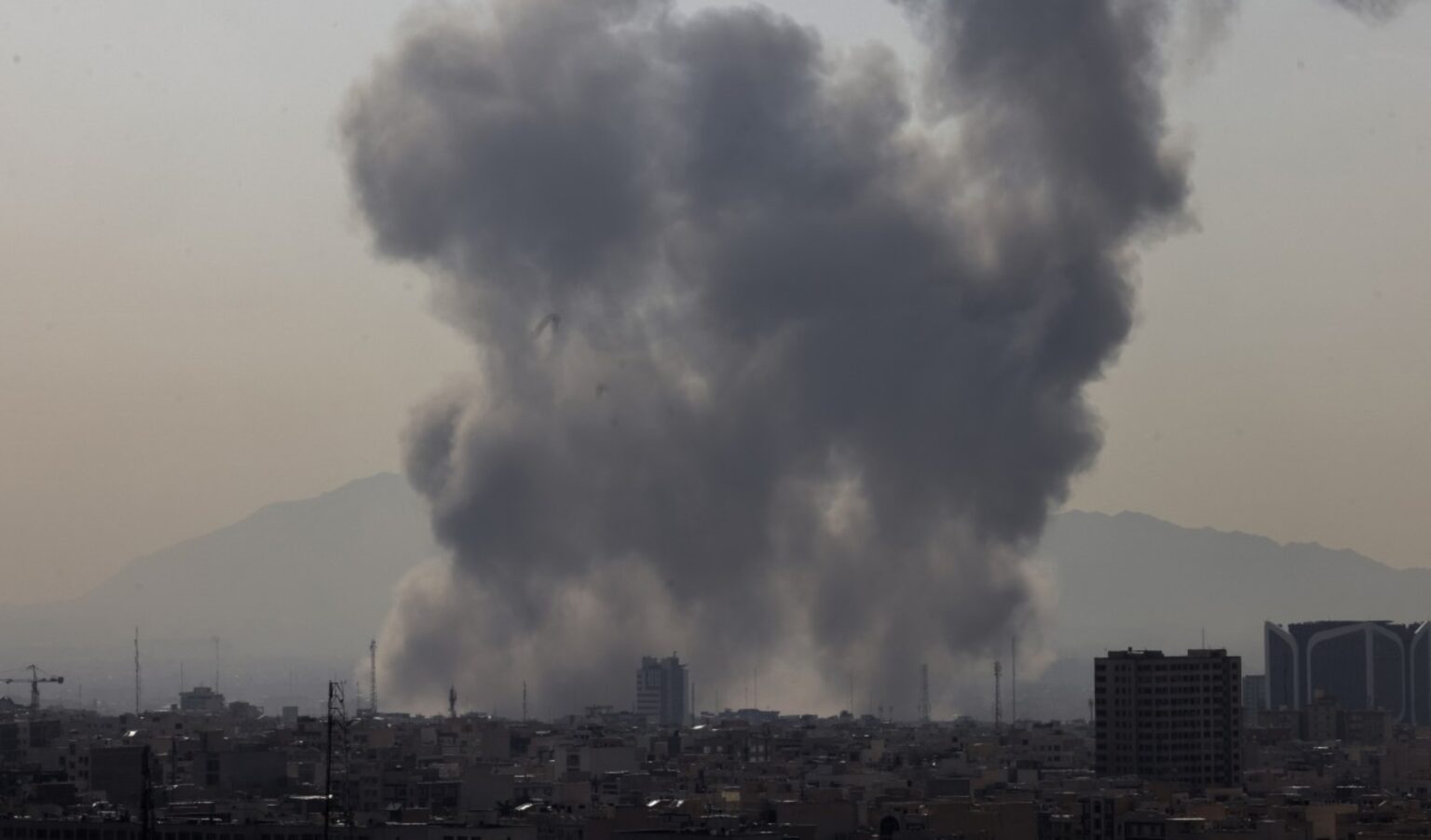
White House Press Secretary Karoline Leavitt said Wednesday that Spain has agreed “in recent hours” to cooperate with the U.S. military, following President Donald Trump’s threat to impose a trade embargo on Madrid.
Trump had warned of potential commercial measures after Spain reportedly refused to allow the Pentagon to use facilities at Spanish military bases for operations related to Iran.
“With respect to Spain, I think you heard the president’s message yesterday loud and clear, and I understand that in recent hours they have agreed to cooperate with the United States military,” Leavitt said during a press briefing.
She added that the U.S. military is currently coordinating with its counterparts in Spain. However, the president expects broader support.
“The president expects that all of Europe, all of our European allies, of course, will cooperate in this important mission — not only for the United States, but also for Europe,” Leavitt said.
Her remarks came in response to questions about Spain’s position and its role as a U.S. ally amid rising tensions surrounding operations involving Iran.

Claudia Sheinbaum: Operation Against ‘El Mencho’ Was Based on Pending Arrest Warrants

Nicaragua Held Responsible for Harassment of Opposition Prosecutor and His Family

Spain Denies Any Agreement to Cooperate with U.S. Military in Iran Operations
Tec de Monterrey honors one of its students for his contribution to nanotechnology in medicine

Defense Minister commends salvadoran soldier for Central American Cross Country victory

Extension of the state of emergency approved in southern Chile
-
 International4 days ago
Iran Reports 201 Dead, 747 Injured After U.S. and Israeli Strikes
-
 International3 days ago
Brazil’s Supreme Court Rejects Bolsonaro’s Bid for House Arrest
-
 International3 days ago
Anti-ICE Billboard Campaign Targets Immigration Spending in 31 U.S. Cities
-

 International4 days ago
Pope Leo XIV Urges End to ‘Spiral of Violence’ in Middle East
-

 Sin categoría5 days ago
Trump: ‘We Think It’s True’ Amid Claims Iran’s Supreme Leader Was Killed
-
 International2 days ago
Spain’s Prime Minister to Address Nation Amid Trump’s Trade Threats
-
 International5 days ago
Security Council to Hold Emergency Meeting on Middle East Crisis
-
 International3 days ago
Trump Warns of ‘Major Wave’ of Attacks as Iran Conflict Escalates
-
 International3 days ago
Mexico Calls for Immediate Probe After National Dies in ICE Custody
-
International19 hours ago
White House Says Spain Agrees to Cooperate with U.S. Military After Trump Threatens Trade Embargo
-
International19 hours ago
Spain Denies Any Agreement to Cooperate with U.S. Military in Iran Operations
-
 International2 days ago
New York Announces First 2,000 Seats in Universal 2-K Program
-
 Central America3 days ago
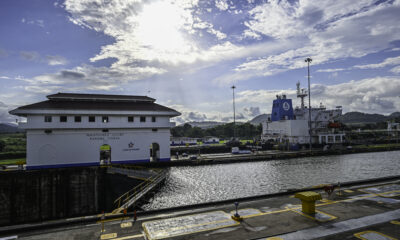
Panama Canal Monitoring Trade as Middle East Conflict Disrupts Shipping
-
 Central America19 hours ago
Nicaragua Held Responsible for Harassment of Opposition Prosecutor and His Family
-
 International3 days ago
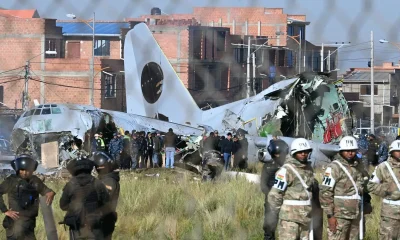
Bolivia Orders Three Investigations Into Deadly Military Plane Crash
-

 International2 days ago
Warner Bros. Developing First ‘Game of Thrones’ Movie With ‘Andor’ Writer
-
 Central America2 days ago
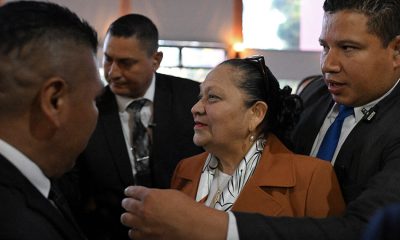
Guatemala’s Attorney General Fails in Bid for Top Court Seat Amid Corruption Allegations
-
 International18 hours ago
Claudia Sheinbaum: Operation Against ‘El Mencho’ Was Based on Pending Arrest Warrants