
International
Peru to buy illegal coca crops to battle drug trafficking
AFP
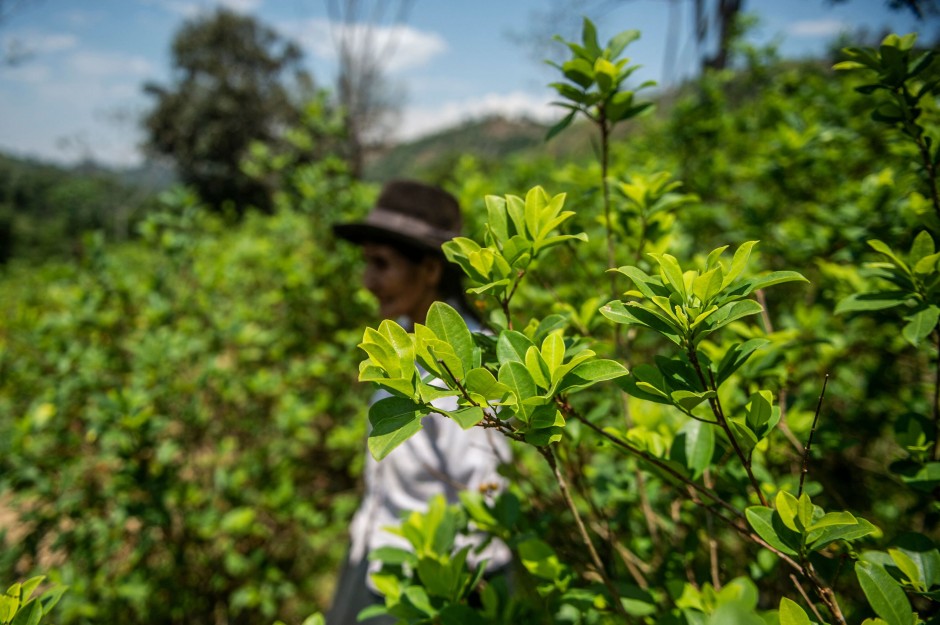
Peru’s government has announced a plan to buy the nation’s entire supply of illegal coca leaf — the primary ingredient in cocaine — for at least a year, as part of its battle against drug trafficking.
The South American country is one of the world’s three largest producers of cocaine, alongside neighbors Colombia and Bolivia, according to the United Nations.
Peru currently produces an estimated 160,000 tons of coca leaf a year with 62,000 hectares of land dedicated to the crop.
But the vast majority of that, some 95 percent, is produced illegally and sold to drug-traffickers who turn it into about 400 tons of cocaine a year.











All legally grown coca must be sold to the state coca company ENACO but that amounts to only 2,500 tons a year.
Legal coca leaf producers are on a register that includes 95,000 growers. However, the government wants to create a new register for the other 400,000 unregistered producers.
“It is imperative, for at least a year, to buy coca leaf from existing registered producers and from those that will make up the newly created register,” Cabinet Chief Anibal Torres said on Wednesday when presenting the initiative.
The plan would also see the demilitarization of Peru’s main coca leaf growing valley, known by the acronym VRAEM.
Soldiers have been stationed in the south-central area since 2006, due to the continued presence of the Shining Path Maoist guerrilla movement, which is allied with drug trafficking groups.
Government opponents have criticized the new plan, saying it will increase drug trafficking.
“The message from the government is that it is legalizing coca leaf and it will buy illegal coca leaf. The message is grow coca, and that’s very dangerous because we are talking about a primary material used in drug trafficking,” former interior minister Ruben Vargas told AFP.
The coca leaf bought by ENACO is used to make sweets, herbal infusions, flour and for chewing like gum, which is an Andean tradition to help combat fatigue.
“By promoting the growing of coca leaf peasants will obviously have two markets: the state and drug traffickers,” added Vargas.
“It will cause immeasurable damage not just to the environment but also the governability of the country.”
Peru created the register of coca leaf producers in 1978 as part of a state policy to combat drug trafficking that also included the destruction of illegal crops.
Earlier this month, authorities began a weeks-long process of incinerating the 16.3 tons of illegal drugs already seized this year.










International
Venezuela Earthquake Death Toll Rises to 4,490 as Rescue Efforts Continue
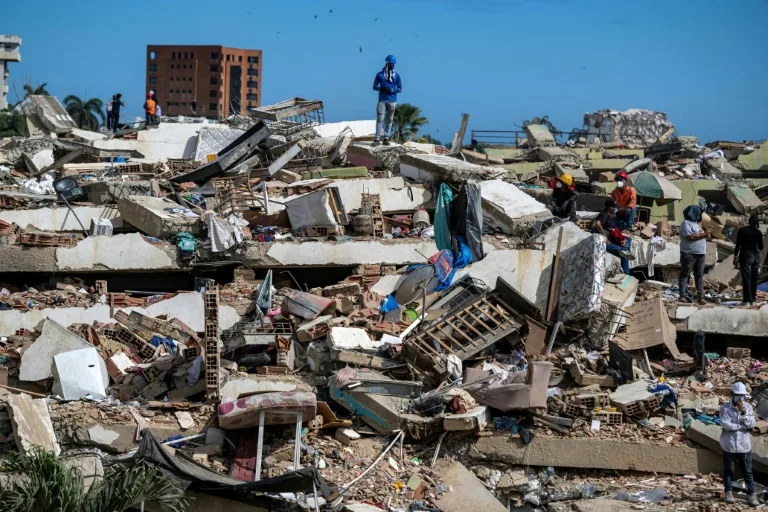
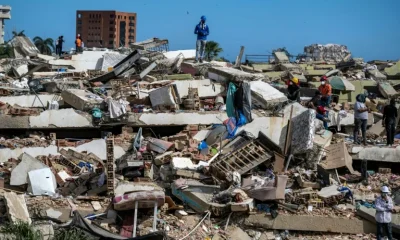
The death toll from the powerful earthquakes that struck Venezuela on June 24 has risen to 4,490, according to the latest official figures released by the government on social media.
Authorities reported that 16,740 people have been injured, while more than 19,500 residents remain in temporary shelters after the twin earthquakes devastated Caracas and the neighboring state of La Guaira.
Rescue teams from Venezuela and several foreign countries continue searching through collapsed buildings in an effort to recover victims who remain trapped beneath the rubble.
Government officials said the earthquakes damaged more than 850 buildings, with 190 structures completely collapsing.
Thousands of families who lost their homes are currently staying with relatives or friends, while more than 19,500 displaced people are living in overcrowded emergency camps set up in parks, stadiums, and public squares across La Guaira and Caracas.
International
Tensions Escalate in Middle East as U.S. Bombs Iran After Maritime Attacks
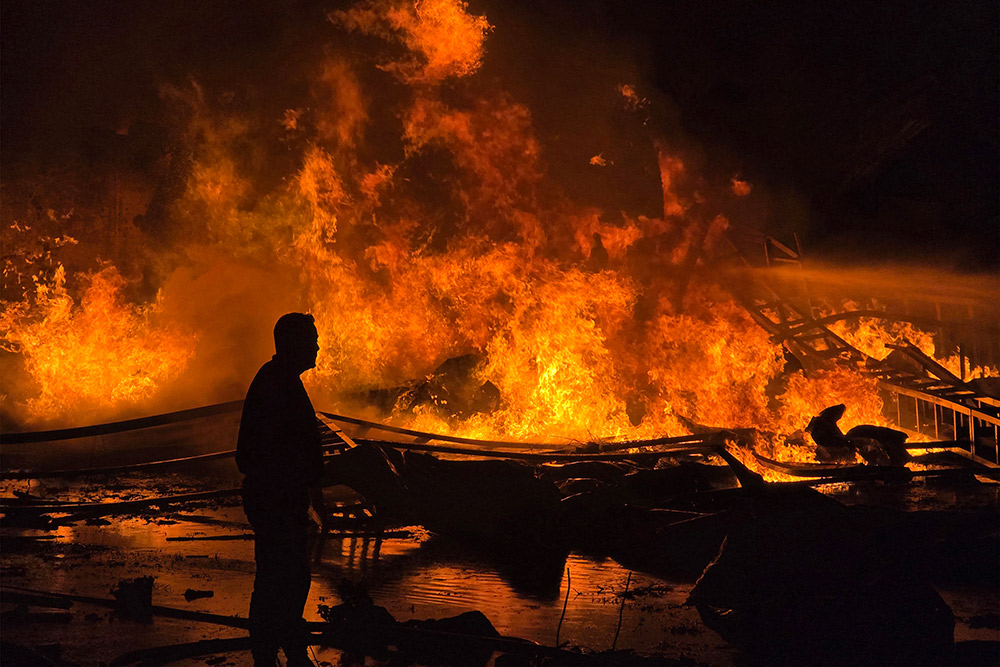
The United States launched new strikes against Iran on Wednesday, following President Donald Trump’s warning that Washington would “hit hard” against the Islamic Republic. While Trump ordered the retaliation after attacks on vessels in the Strait of Hormuz, he also said he hoped the latest wave of bombings would end soon and left the door open for renewed negotiations.
U.S. forces “have begun carrying out additional strikes against Iran to further reduce its ability to threaten freedom of navigation in the Strait of Hormuz,” the United States Central Command said in a post on X.
Washington blamed Iran for what it described as “recent unjustified aggression against commercial shipping.”
Iran’s state news agency IRNA reported that explosions were heard in the port cities of Bandar Abbas, Konarak, and Chabahar.
“This is in retaliation for yesterday’s bombing of ships by Iran. If it happens again, it will be much worse,” Trump wrote on social media alongside an image showing what appeared to be a bombing at an Iranian location.
Before ordering the strikes, the U.S. president said that the ceasefire with Iran had ended. Mediators Pakistan and Qatar called for de-escalation, while the United Nations also urged both sides to reduce tensions.
The Strait of Hormuz remains a critical flashpoint in the Middle East conflict, which began in late February after U.S. and Israeli strikes that killed Iran’s Supreme Leader Ali Khamenei.
Iran-linked attacks on at least three vessels in recent days triggered a U.S. offensive against Iranian targets on Tuesday. Tehran responded by launching attacks against Gulf countries that are allies of Washington.
International
Deadly Drug Trade Rivalry Suspected After Eight Bodies Discovered in Southern Mexico
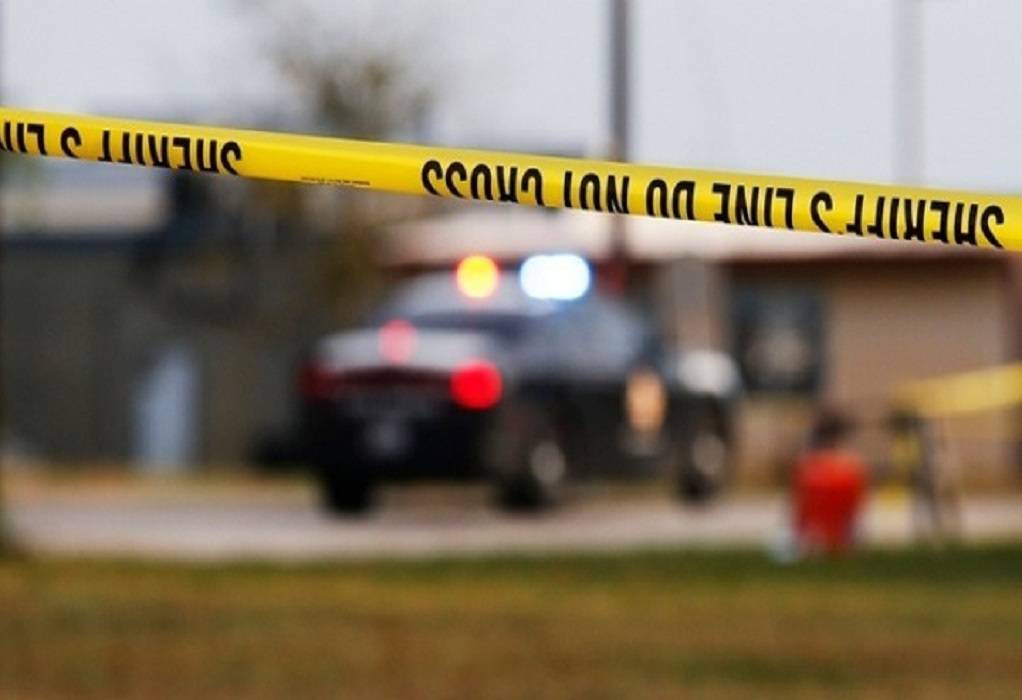
Eight bodies were found Wednesday along a highway in the southern Mexican state of Chiapas, near the border with Guatemala, in an incident authorities believe may be linked to a dispute over local drug sales.
The victims — six men and two women — were found abandoned on a road in a mountainous area of the municipality of El Bosque, according to the state prosecutor’s office in a statement published on Facebook.
Initial investigations indicate that the killings may be connected to “a dispute over retail drug sales between local criminal groups operating in the region,” the prosecutor’s office said.
Local media reports that several criminal incidents have increased in the area since the beginning of the year.
The road where the bodies were discovered is located in a mountainous region largely inhabited by Indigenous communities. Authorities have not released further details about the victims or possible suspects as the investigation continues.

Venezuela Earthquake Death Toll Rises to 4,490 as Rescue Efforts Continue

Panama launches anti-drone measures as prison security crisis deepens

Tensions Escalate in Middle East as U.S. Bombs Iran After Maritime Attacks
Tec de Monterrey honors one of its students for his contribution to nanotechnology in medicine

Defense Minister commends salvadoran soldier for Central American Cross Country victory

Extension of the state of emergency approved in southern Chile
-
 International5 days ago
Wildfires Burn Nearly 7,800 Hectares in France as Extreme Heat Fuels Fire Risk
-
 Central America2 days ago
Panama launches anti-drone measures as prison security crisis deepens
-
 International5 days ago
UN Appeals for $296 Million in Emergency Aid Following Venezuela Earthquakes
-

 International4 days ago
Deadly Drug Trade Rivalry Suspected After Eight Bodies Discovered in Southern Mexico
-
 International5 days ago
USAR El Salvador Helps Rescue Dogs Trapped for 12 Days Beneath Earthquake Rubble
-
 Central America4 days ago
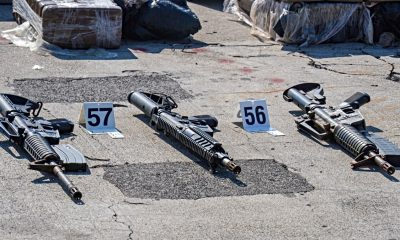
Regional Naval Operations Strike Drug Cartels, Disrupting Cocaine and Weapons Trafficking Routes
-
 International5 days ago
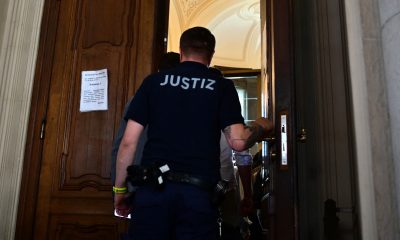
German Doctor Sentenced to Life for Murdering 15 Patients in Serial Killing Case
-
 International4 days ago
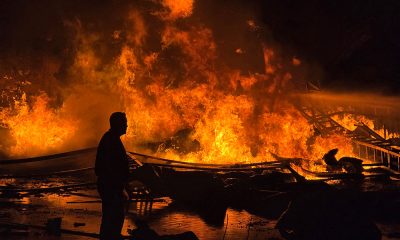
Tensions Escalate in Middle East as U.S. Bombs Iran After Maritime Attacks
-
 International11 hours ago
Venezuela Earthquake Death Toll Rises to 4,490 as Rescue Efforts Continue