
Sin categoría
Valieva fourth in Olympic skating as doping scandal takes toll

AFP
Kamila Valieva finished fourth in the Olympic women’s figure skating final on Thursday after her error-strewn performance handed Russian teammate Anna Shcherbakova gold, as a doping scandal took its toll on the 15-year-old.
Shcherbakova scored 255.95 to seal the title, while Valieva, who was allowed to compete despite testing positive for a banned substance before the Games, fell several times to slip out of the medal positions in Beijing.
Another Russian, Alexandra Trusova, took silver, and Japan’s Kaori Sakamoto won bronze.
It was a major upset for Valieva, who looked completely broken at the end of her programme.











She had been the clear favourite going into the Games, but a week in it emerged she had tested positive in December for trimetazidine, banned for athletes because it can increase blood flow efficiency and help endurance.
The Court of Arbitration for Sport (CAS) on Monday ruled that she could carry on competing in the Chinese capital.
Dressed in black and red, Valieva looked focused as she powered onto the ice, cheered on by the crowd, as well as a large contingent of her teammates in the athletes’ stand.
But she failed to land multiple jumps she had completed with ease the week before when she performed the same “Bolero” programme in the team event.
Earlier, Shcherbakova’s clean, elegant skate had pushed her ahead of Sakamoto and Trusova, who included five quad jumps in her routine, though not all were landed safely.
The International Olympic Committee (IOC) had said if Valieva placed in the top three, no medals would be awarded until “due process” has been followed to decide if she had infringed the World Anti-Doping Code.
But given the results, the ceremony went ahead.










Sin categoría
Energy chief says U.S. will restore Gulf oil shipments and refill strategic reserves
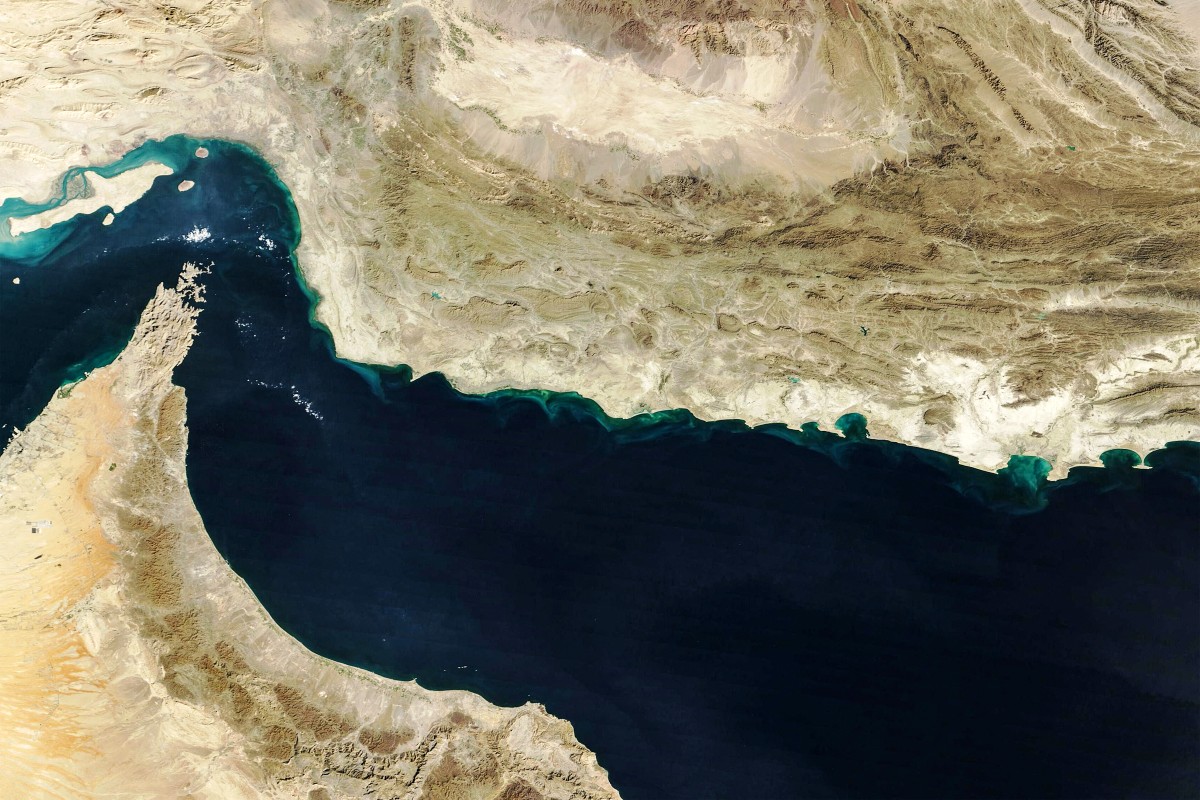
The United States is making progress in restoring oil shipments through the Strait of Hormuz, with approximately 7 million barrels of oil and fuel now passing through the critical maritime route each day, according to U.S. Energy Secretary Chris Wright.
Speaking at the Bloomberg Energy Security Executive Briefing in Houston on Friday, Wright said the United States is committed to fully reopening the waterway, regardless of whether Iran cooperates with those efforts.
The Strait of Hormuz, one of the world’s most important energy transit corridors, experienced severe disruptions at the onset of the conflict with Iran. According to Wright, nearly 20 million barrels of oil per day were initially affected when traffic through the strait was largely halted.
While some shipments were redirected to alternative ports outside the Persian Gulf, roughly 14 million barrels per day remained stranded, creating what Wright described as a major disruption to global energy flows.
“That was a significant interruption of supply,” he said, emphasizing that the United States intends to restore normal shipping operations independently if necessary.
Industry analysts noted that the recovery of approximately 7 million barrels per day has exceeded many market expectations. Dan Pickering, chief investment officer at Pickering Energy Partners, said the faster-than-expected return of supply has helped explain why oil prices have remained lower than some analysts had predicted.
Wright also reiterated his goal of rebuilding the U.S. Strategic Petroleum Reserve, which has been used in recent years to help cushion the impact of supply disruptions linked to geopolitical conflicts and market volatility.
In addition, the Energy Secretary dismissed the possibility of imposing restrictions on U.S. energy exports, arguing that maintaining open markets remains essential for both domestic energy security and global supply stability.
The comments underscore Washington’s determination to restore confidence in international energy markets and ensure the uninterrupted flow of oil through one of the world’s most strategically important shipping lanes.
Sin categoría
Trump renews criticism of Pope Leo XIV amid tensions over Iran
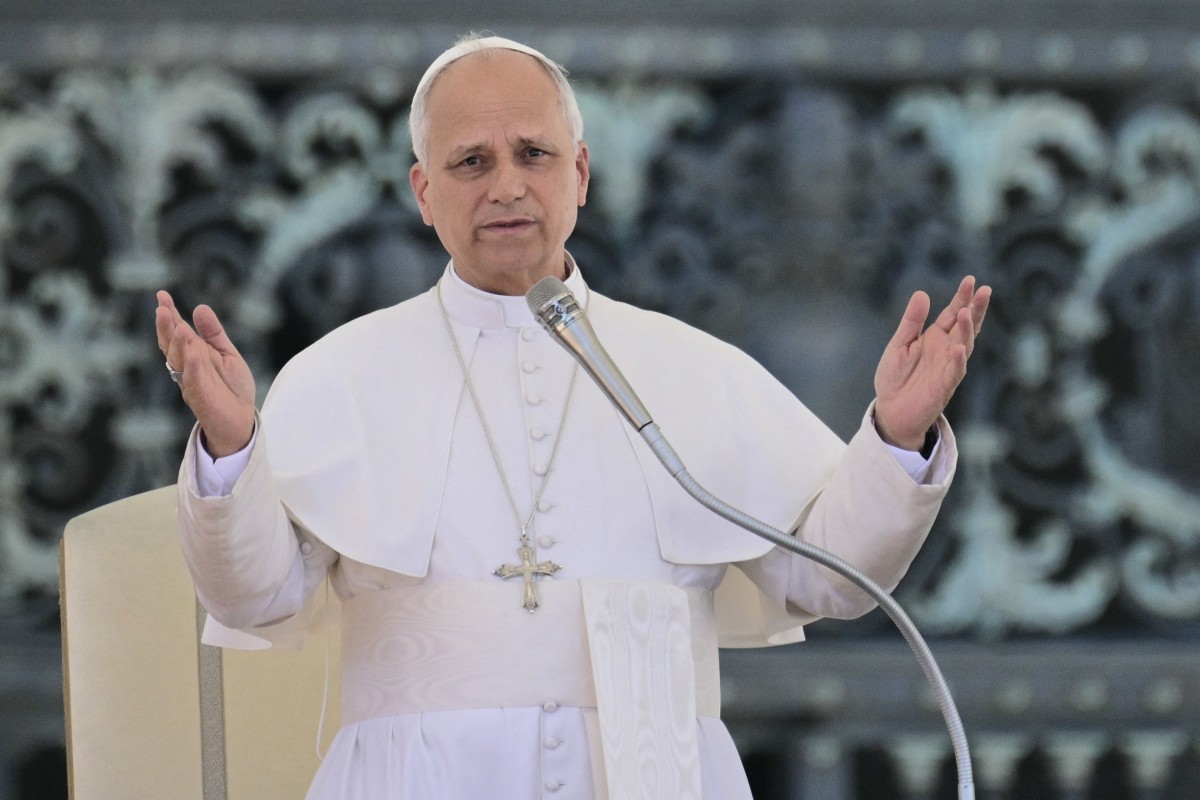
The President of the United States, Donald Trump, renewed his criticism of Pope Leo XIV on Tuesday night, urging that “someone tell him” that Iran has “killed at least 42,000 innocent protesters” and insisting that it is “unacceptable” for the country to possess nuclear weapons.
“Can someone please inform Pope Leo that Iran has killed at least 42,000 completely unarmed, innocent protesters over the past two months, and that it is absolutely unacceptable for Iran to have a nuclear bomb?” Trump wrote on his social media platform Truth Social.
The statement comes amid an escalating public dispute between Trump and the pontiff over the conflict in Iran and the broader Middle East. The US president concluded his message with the phrase “AMERICA IS BACK.”
Pope Leo XIV, who was born in the United States, has repeatedly spoken out—both directly and indirectly—against Washington’s stance toward Tehran, while calling for peace in the region.
On Monday, Trump openly criticized the pope, describing him as “weak” and “terrible on foreign policy.”
Speaking aboard a flight to Algeria, the first stop of his trip to Africa, the pontiff said he was “not afraid” of the Trump administration and would continue to raise his voice against the ongoing conflict.
Sin categoría
Tehran engulfed in toxic cloud after strikes on fuel facilities
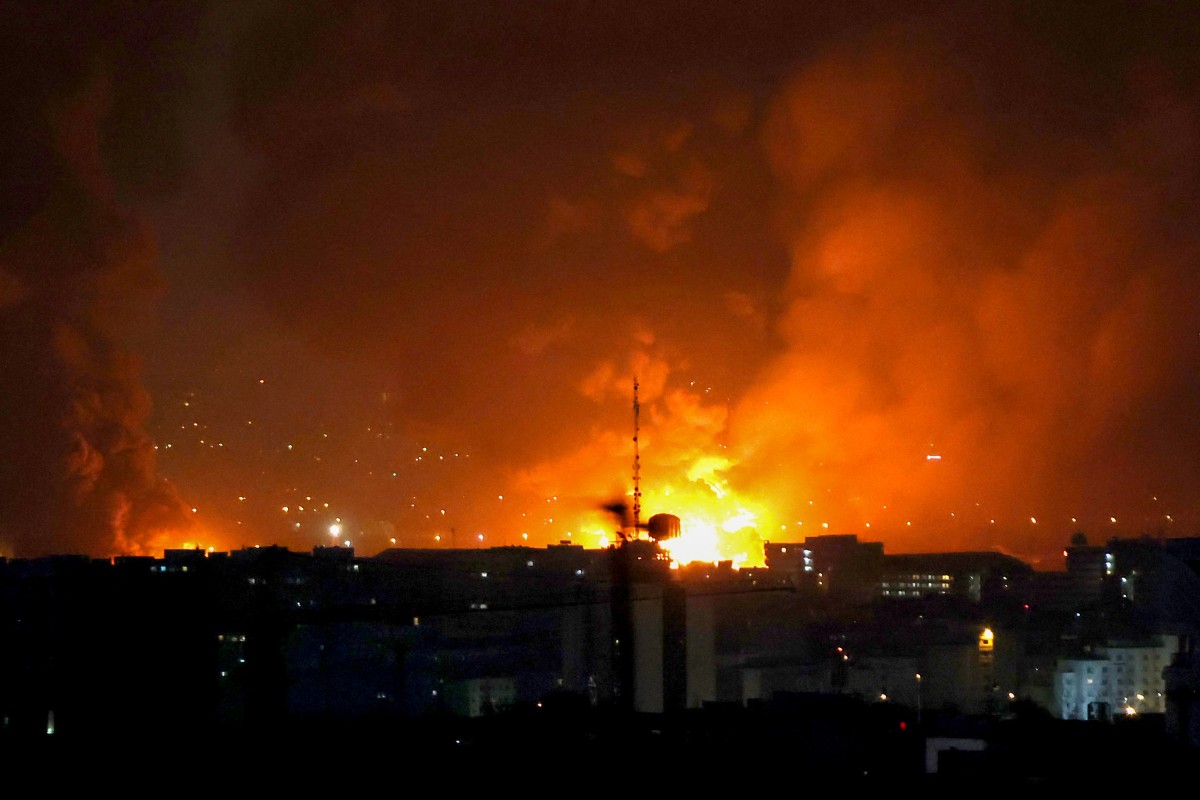
Tehran woke up under a sky that shifted from gray to black following strikes on fuel infrastructure, as the city has become engulfed in a toxic cloud that is turning daily life into a public health and environmental emergency.
Residents warn that what is falling from the sky is no longer just rain, but a mixture of oil and pollutants. Attacks on fuel depots have triggered prolonged fires, releasing thick plumes of smoke that continue to spread across the العاصمة.
For several days, facilities have remained ablaze, while a dark layer has settled over streets, homes, and even water reserves. Authorities have urged the population—more than nine million people—to remain indoors, especially vulnerable groups.
The extreme toxicity is linked to mazut, a dense petroleum byproduct with high sulfur content still used in Iran due to industrial limitations and sanctions. When burned, it releases hazardous particles that, when combined with moisture, result in contaminated rainfall.
The situation is worsened by Tehran’s geography. Surrounded by mountains, the city is affected by a temperature inversion phenomenon that traps pollutants near the ground, preventing their dispersion and creating a stagnant layer of toxic air over the population.
Residents have reported symptoms such as eye and skin irritation, headaches, and respiratory difficulties. Emergency agencies have also warned of potential chemical burns caused by acid rain.
Long-term concerns are mounting, as prolonged exposure to fine particles and heavy metals could lead to serious health conditions, including lung damage and cancer.
Contamination is also spreading to water sources and agricultural land, threatening the food supply in a country already facing water scarcity.
At a regional level, the environmental impact is expanding, with oil spills reported in the Persian Gulf, affecting marine ecosystems and fishing communities.

Three U.S. Executions Set for Same Day as Trump Pushes to Expand Death Penalty

Colombia Earthquake Death Toll Reaches 265 as Rescue Teams Race Against Time

German Authorities Investigate More Than 100 New Cases Against Convicted Nurse
Tec de Monterrey honors one of its students for his contribution to nanotechnology in medicine

Defense Minister commends salvadoran soldier for Central American Cross Country victory

Extension of the state of emergency approved in southern Chile
-
 International4 days ago
Colombia Earthquake Leaves at Least 22 Dead as Rescue Efforts Continue
-
 International5 days ago
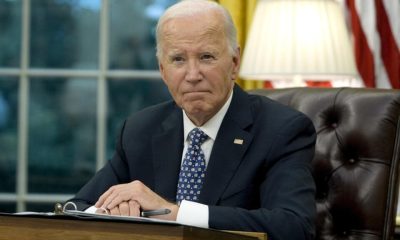
Joe Biden’s Prostate Cancer Has Spread to His Bones, Son Hunter Reveals
-
 International3 days ago
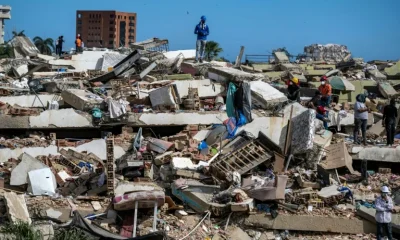
Venezuela Raises Earthquake Death Toll to 6,301
-

 International4 days ago
Record 230 Migrants Cross English Channel to UK in Single Boat
-

 International3 days ago
CEAPI Backs Colombia’s New Government and Calls for Greater Public-Private Cooperation
-
 International3 days ago
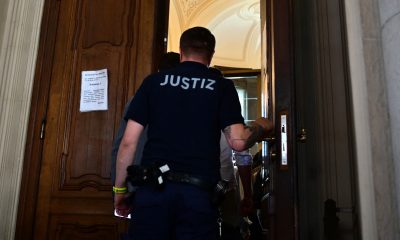
German Authorities Investigate More Than 100 New Cases Against Convicted Nurse
-
 International14 hours ago
Three U.S. Executions Set for Same Day as Trump Pushes to Expand Death Penalty
-
International14 hours ago
Colombia Earthquake Death Toll Reaches 265 as Rescue Teams Race Against Time