
International
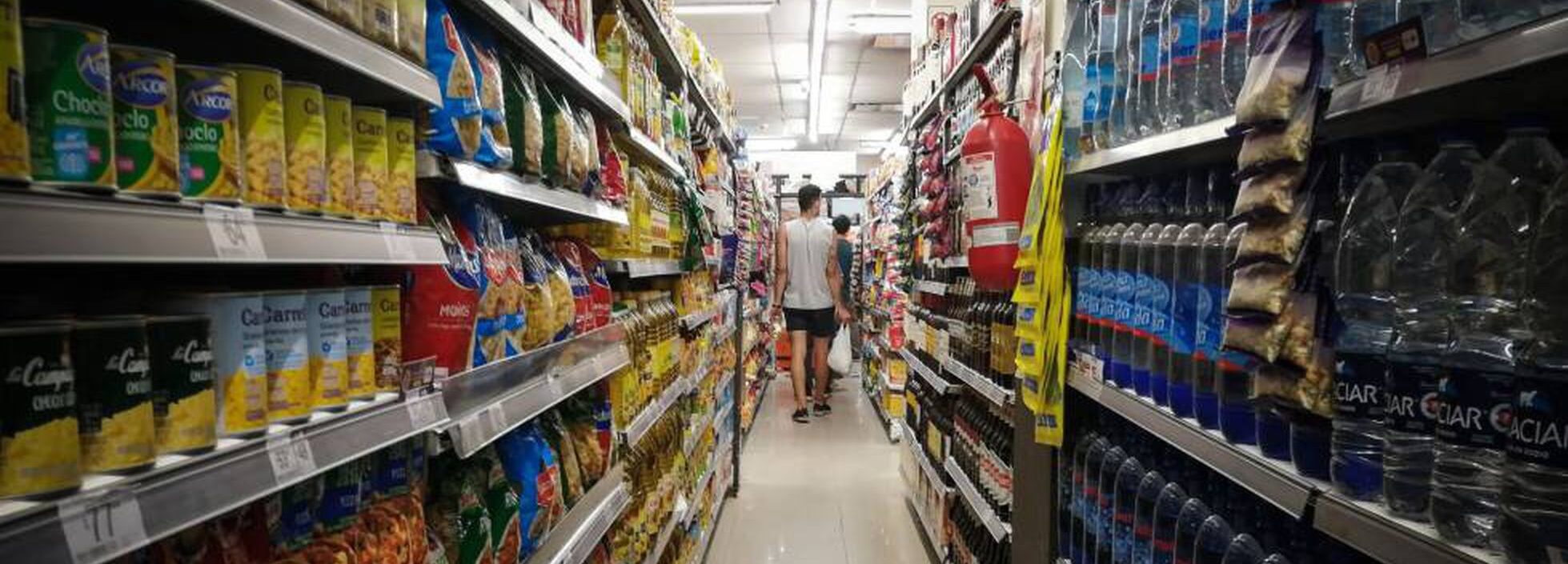
Rising Argentine inflation ends 2021 over 50%
AFP
Argentine inflation continued to rise in 2021, ending the year at more than 50 percent, the state statistics institute said on Thursday,
It was grim news for the South American country, given cumulative inflation in 2020 — a year when the economy was almost paralyzed by the Covid-19 pandemic — was just 36 percent.
The largest price increases in 2021 were in hotels and restaurants (65.4 percent), transport (57.6) and food (50.3).
“During 2021, the government tried to anchor inflation and to do so basically used the regulation of the price of utility rates and the exchange rate,” Hernan Fletcher of the Argentine Center of Economic Policy, told AFP.









“Although it certainly was not a success, without this, inflation would have been higher.”
Since 2019, Argentina has imposed ever stricter currency exchange controls, meaning citizens can only withdraw $200 a month at the official rate.
For 2022, the government predicted in its budget — which was rejected by the opposition-dominated parliament — an inflation of 33 percent.
Opposition figures derided the budget as unrealistic.
According to a Central Bank survey, inflation in 2022 will be 55 percent.
The news comes with the government embroiled in a tricky renegotiation with the International Monetary Fund (IMF) over the repayment structure of a $44 billion loan agreed in 2018.
Argentina is due to pay back $19 billion to the IMF this year, another $20 billion in 2023 and $4 billion the following year.
Yet analysts estimate that the country has just $4 billion in international reserves.
“A deal with the IMF could improve the economy in terms of expectations, but in terms of inflation I don’t see 2022 being very different to 2021,” said economist Pablo Tigani.






International
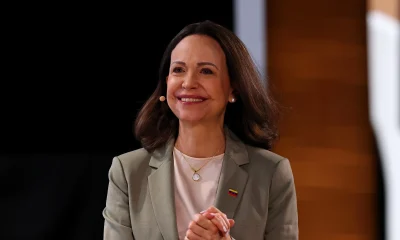
Macron meets Machado, stresses need for democratic transition in Venezuela
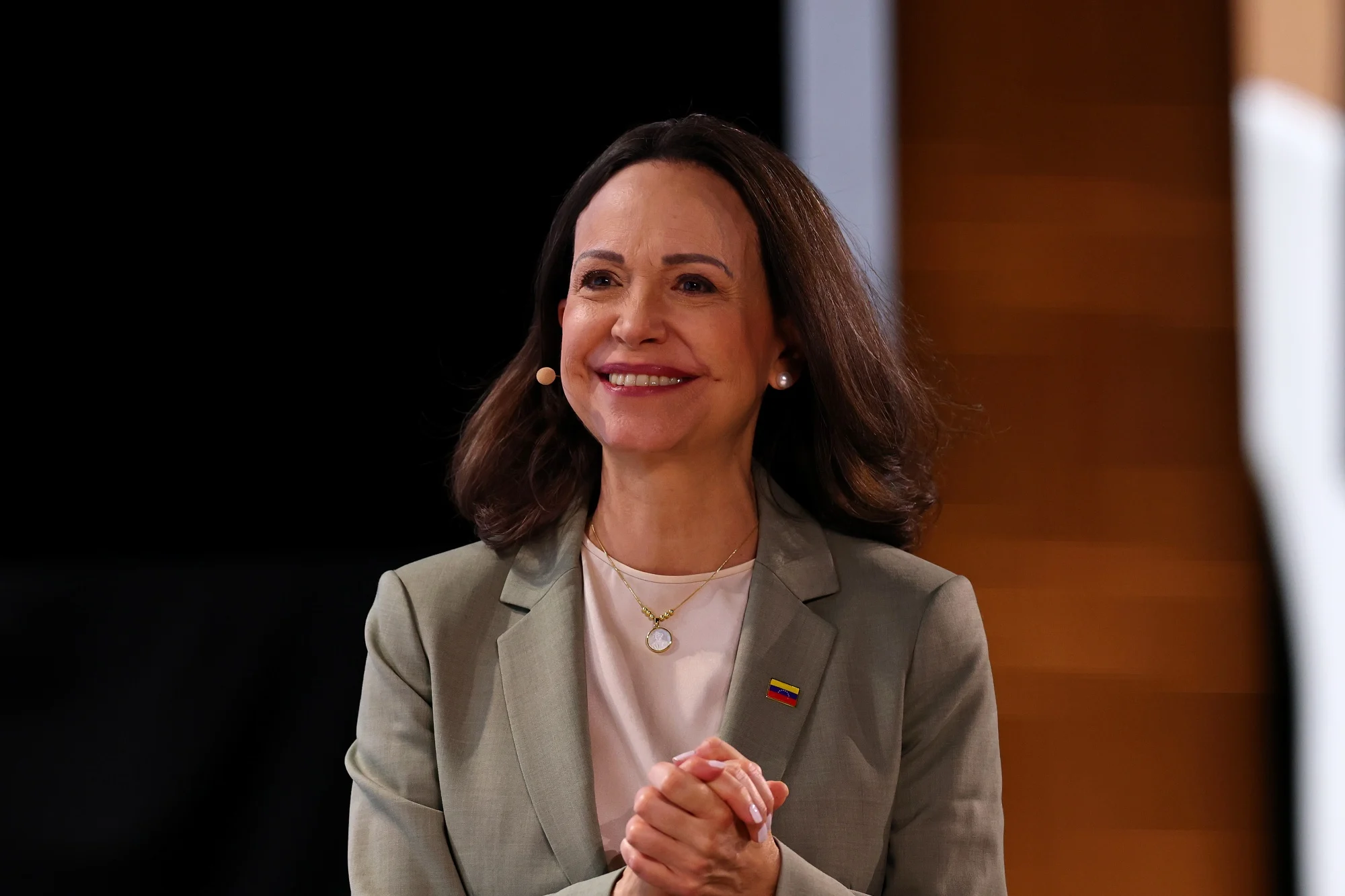
Emmanuel Macron met on Monday at the Élysée Palace with Venezuelan opposition leader María Corina Machado, where they discussed the importance of advancing a democratic transition in Venezuela.
In a message shared on social media, Macron highlighted Machado’s commitment to freedom and stressed the need to achieve a transition that is peaceful and respects the will of the Venezuelan people.
“I received María Corina Machado, Nobel Peace Prize laureate. Together, we discussed her commitment to freedom and the importance of achieving a democratic, peaceful transition in Venezuela that respects the will of its people,” he wrote.
For her part, Machado expressed her “deep gratitude” to Macron and to France for their support of democracy and freedom in Venezuela.
“We have gone through a long and painful journey, and we are now very close to freedom. Venezuela will become a nation of free and equal men and women—prosperous, safe, and united,” she said.
International
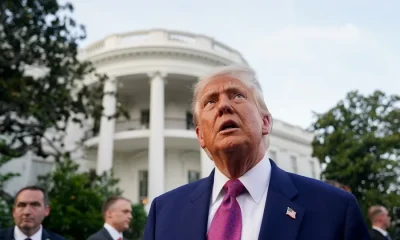
Trump says Iran seeks new talks after failed negotiations in Pakistan
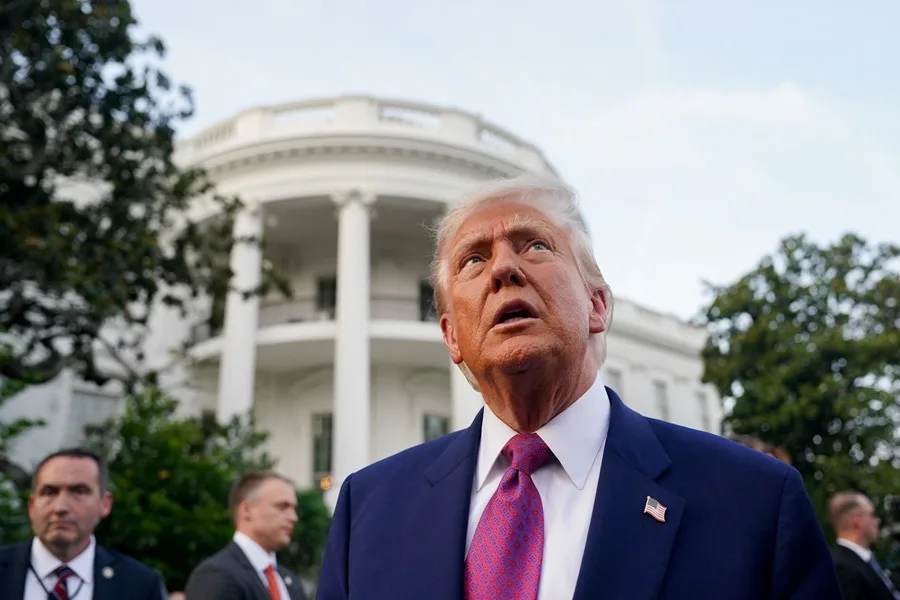
Donald Trump said on Monday that Iran has reached out to United States to resume negotiations, following the collapse of recent talks held in Islamabad.
“We’ve been contacted by the other side,” Trump told reporters, adding that Iran is eager to reach a deal “at all costs.” Speaking from the Oval Office, he reiterated that his main objective is to prevent the Islamic Republic from acquiring nuclear weapons and warned that he will not allow Iran to “blackmail” the international community.
After negotiations between Washington and Tehran ended without agreement on Sunday, Trump announced that the U.S. would move to block the Strait of Hormuz, a critical route for global oil trade.
The waterway had already been disrupted by Iran in response to a U.S. and Israeli offensive launched on February 28, causing significant shocks to the global economy.
In a post on Truth Social, Trump further warned that any Iranian vessel attempting to bypass the U.S. naval blockade in the strait would be “eliminated immediately.”
The renewed tensions have pushed oil prices higher, while global stock markets have reacted negatively to the lack of an agreement in Islamabad.
International
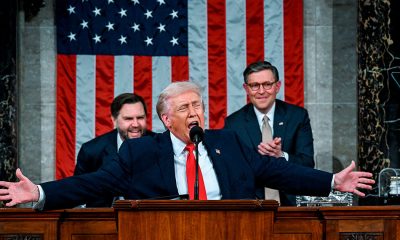
Trump orders U.S. control of Strait of Hormuz after failed Iran talks
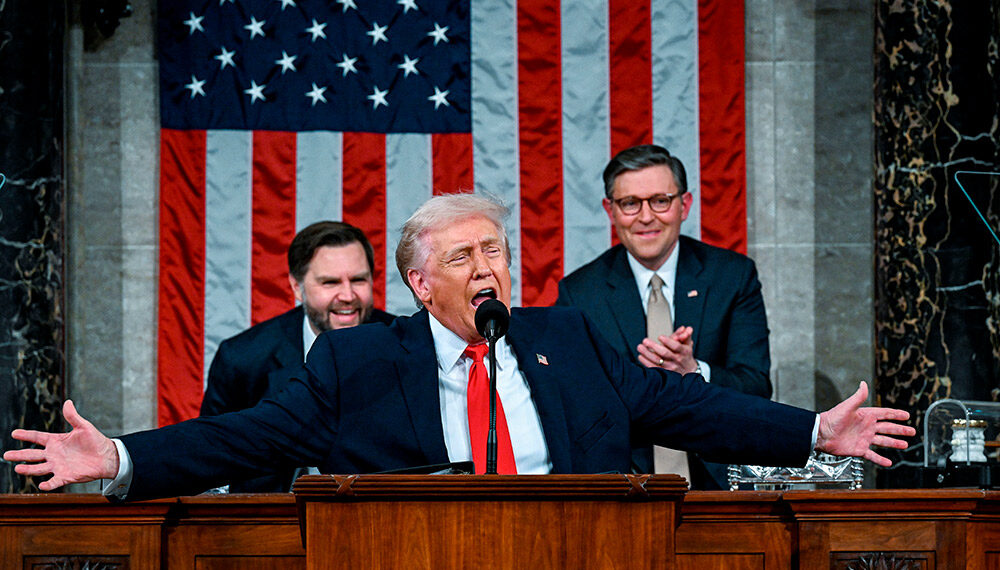
U.S. President Donald Trump announced on Sunday that the United States will take control of the Strait of Hormuz“effective immediately,” following the collapse of negotiations with Iran held in Islamabad.
In a post on Truth Social, Trump said he had ordered the U.S. Navy to block vessels attempting to enter or exit the strategic waterway, a key route for global energy trade.
“The meeting went well, agreement was reached on most points, but the only really important one — nuclear weapons — was not approved,” Trump said, referring to the talks with Iranian representatives.
The president also stated that he had instructed authorities to intercept ships in international waters that had paid tolls to Iran to transit the strait, calling such payments “illegal.” He further accused Tehran of hindering an agreement by deploying mines in the area, describing the move as “international extortion.”
Trump added that the United States will undertake efforts to clear mines from the strait and expressed confidence that a future agreement ensuring free navigation could eventually be reached.
The announcement came after Vice President JD Vance and special envoys Steve Witkoff and Jared Kushner briefed the president on the outcome of the negotiations, considered the highest-level contacts between the two countries since the 1979 Islamic Revolution.
While Trump acknowledged that enough progress had been made to maintain a temporary truce, he criticized Iran for remaining unwilling to abandon its nuclear ambitions, calling its position “very inflexible” on the central issue.

Macron meets Machado, stresses need for democratic transition in Venezuela

Trump says Iran seeks new talks after failed negotiations in Pakistan

Arévalo calls for ‘rescue’ of Guatemala’s Prosecutor’s Office amid leadership change
Tec de Monterrey honors one of its students for his contribution to nanotechnology in medicine

Defense Minister commends salvadoran soldier for Central American Cross Country victory

Extension of the state of emergency approved in southern Chile
-
 International3 days ago
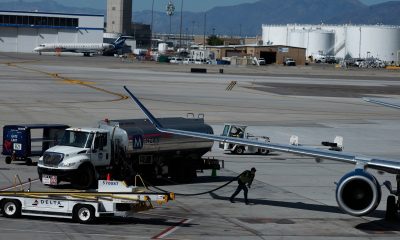
Europe Faces Jet Fuel Shortage Risk Amid Hormuz Disruption
-

 International3 days ago
Child Found Malnourished in Van in France; Father Admits Confinement
-
 Central America5 days ago
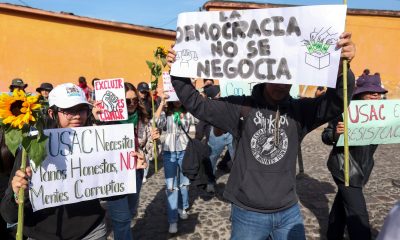
Gunfire and protests mark controversial rector reelection at Guatemala’s USAC
-
 International4 days ago
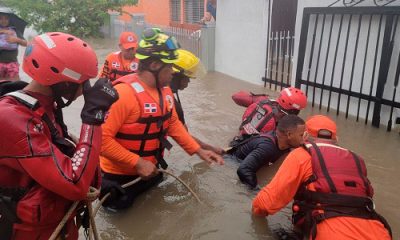
Flooding in Dominican Republic leaves child dead and thousands affected
-
 International4 days ago
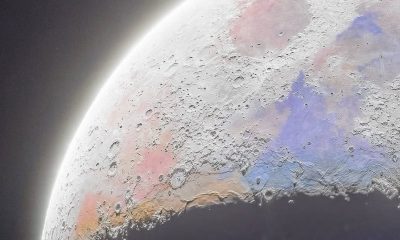
Artemis II crew prepares for Earth return and splashdown recovery
-

 Central America2 days ago
Panama and Costa Rica strengthen border alliance to combat organized crime
-

 Sports2 days ago
Ancelotti leaves door open for Neymar’s return to Brazil’s 2026 World Cup squad
-
 International5 days ago
Bill Gates to testify before Congress over Epstein connections
-
 International1 day ago
Trump orders U.S. control of Strait of Hormuz after failed Iran talks
-

 Central America5 days ago
Seven arrested in Guatemala over disappearance of six near Mexico border
-
 International2 hours ago
Trump says Iran seeks new talks after failed negotiations in Pakistan
-
 International2 hours ago
Macron meets Machado, stresses need for democratic transition in Venezuela
-
 Central America2 hours ago
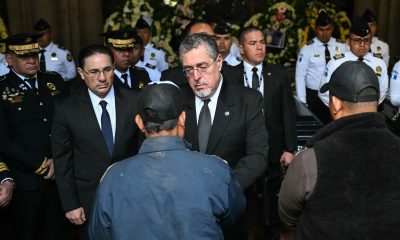
Arévalo calls for ‘rescue’ of Guatemala’s Prosecutor’s Office amid leadership change