
International
A year on from Argentine abortion law, change is slow
AFP
A year ago Argentina joined the limited ranks of Latin American countries to have legalized abortion, but while that gave hope to millions of women, changing mentalities, practices and infrastructure has proved more difficult.
“In small villages, you go for an ultrasound in the morning and in the afternoon the baker congratulates you on your pregnancy,” Monik Rodriguez, 33, told AFP.
Rodriguez, who has three children, runs a service accompanying women who want to have an abortion in Salta, a conservative Catholic province in the South American country.
Away from the big city of Buenos Aires, where women erupted in celebration when the law was approved, many in more remote and conservative areas of Argentina face the same stigma as before.











“There are still things that need to come out of hiding,” said Rodriguez, who can take up to 125 telephone calls a month as part of the project launched by the Women’s Strength civil association.
“The most important thing is to listen. It’s about trying to overcome the hurdles, accompanying them through the health system so they don’t get lost in the bureaucratic labyrinth.”
Rodriguez takes calls from all sorts: teenagers and first-time mothers to women with large families and even those that are pre-menopausal.
“On this line, abortion is not recommended but neither is motherhood romanticized,” said Rodriguez, who underwent a secret abortion a decade ago when already mother to one child.
“I was late and had an abortion. It went badly and I had to go to hospital. The tests showed I hadn’t been pregnant.
“It was the secrecy that created worry. Along with misinformation, that is what puts us at risk.”
The government estimates that 3,000 women died between 1983 and 2020 in clandestine abortions, of which there were up to 500,000 a year.
– Anti-abortion pressure –
For a century, abortion was only legal in cases of rape or if the mother’s life was at risk.
Legalization has not led to a sudden spate of abortions, particularly in places like Salta.
Miranda Ruiz, 33, is the only doctor in Tartagal — a small town of 75,000 people in Salta — not to exercise her legal right to be a conscientious objector to carrying out abortions.
Anti-abortion groups in the town are influential.
In September, Ruiz was briefly detained following an accusation by the aunt of a 21-year-old patient that she had performed an abortion beyond the authorized limit of 14 weeks.
Feminist groups are demanding that her case be dismissed.
“It is a way of bringing the other doctors to heel,” said Sofia Fernandez, a member of the National Campaign for the Right to Abortion — a collective of 300 feminist organizations that have been fighting for 15 years for change.
They say there are still 1,500 people facing criminal cases over abortions.
The complaint against Ruiz was the only one made in 2021, although there have been 36 court filings against the law, mostly claiming it is unconstitutional.
“Of those, 24 have already been dismissed,” said Valeria Isla, the director of sexual and reproductive health at the health ministry.
– ‘Huge inequality’ –
“There is a huge inequality in access to the practice depending on location,” said Isla.
During the course of 2021, the number of specialist medical teams carrying out abortions rose from 943 to 1,243 despite the pandemic complicating matters.
Distribution of the drug misoprostol, which chemically provokes abortions, rose from 9,000 in 2019 to more than 43,000 in 2021.
“But there is a lot of demand and we’re not able to increase (the number of) these (teams) at the necessary rate. It’s a structural stumbling block,” added Isla.
There were more than 32,000 abortions conducted in public hospitals and clinics in 2021, said Isla, whose big goal for 2022 is to train medical teams specialized in abortions, to make their services more widely available and to inform women of their rights and the tools at their disposal.
That would help Rodriguez avoid taking calls from desperate young teenagers like one “locked in a bathroom crying … she had just dropped a home pregnancy test down the toilet and couldn’t afford to buy another one.”










International
Latin Music Stars Unite in Miami to Raise Aid for Victims of Venezuela’s Devastating Earthquake
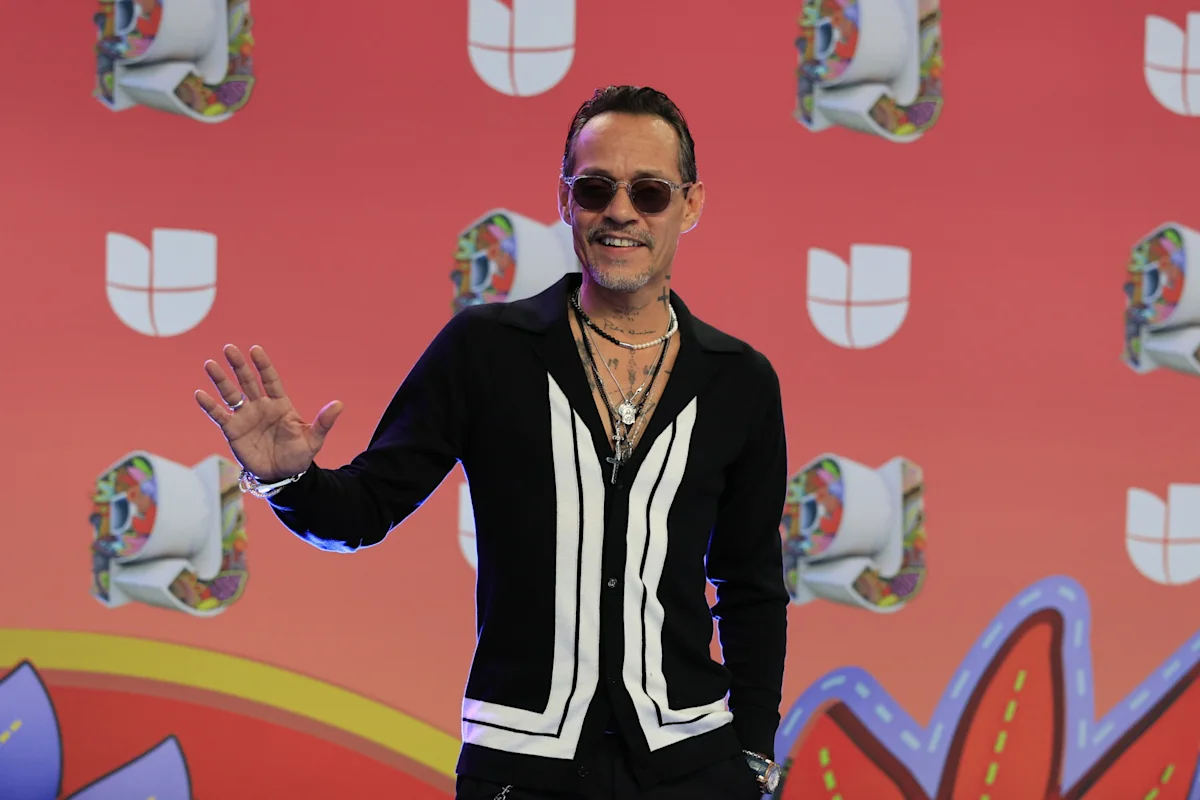
Latin music stars including Marc Anthony, Ricardo Montaner and Feid will take part in a benefit concert in Miami on August 16 to raise funds and support victims of the devastating double earthquake that struck Venezuela.
The disaster has left 4,734 people dead and 16,740 injured, according to the latest official figures.
The lineup will also feature artists such as Jay Wheeler, Elena Rose, Silvestre Dangond, Gente de Zona, Mau y Ricky, Olga Tañón, Lasso, San Luis, Piso 21, Alleh, Zhamira Zambrano and Enrique Santos, with organizers expecting additional performers to join the event in the coming weeks.
Athletes, actors, entertainment figures, media personalities and leaders from the Hispanic community are also expected to participate in the initiative.
Organized by the United for Venezuela coalition, the concert will take place at the Kaseya Center in Miami starting at 6:00 p.m. local time (10:00 p.m. GMT) and will be broadcast simultaneously through multiple platforms.
According to organizers, viewers will be able to contribute through donation platforms and QR codes available during the event.
The concert will also feature reports on rescue efforts, the work of humanitarian organizations on the ground, and testimonies from people affected by the disaster to highlight the scale of the tragedy.
Venezuela was hit on June 24 by a powerful double earthquake measuring 7.2 and 7.5 in magnitude, with the strongest impacts reported in areas including Caracas and La Guaira.
The event aims to bring together the international community and mobilize resources to assist families affected by the earthquake and support ongoing recovery efforts.
International
Trump Administration Seeks Global Action Against “Resurgent” Left-Wing Terrorism
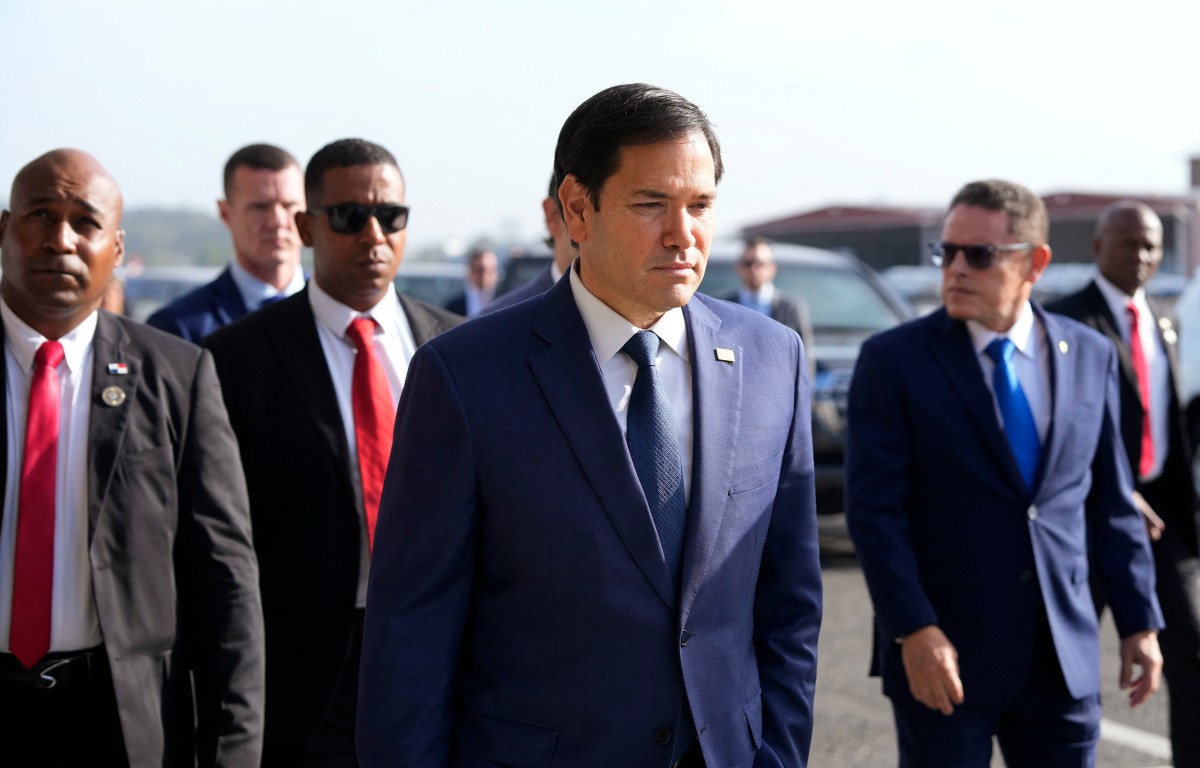
U.S. Secretary of State Marco Rubio will host a ministerial meeting in Washington on Thursday to discuss what the Donald Trump administration describes as a growing threat from left-wing terrorism around the world.
According to a statement from the State Department, the meeting aims to promote “stronger joint action” among international partners to address what Washington considers security gaps that terrorist groups continue to exploit.
The U.S. government has not yet disclosed which countries will participate in the meeting or which foreign ministers are expected to attend.
The Trump administration claims that “far-left terrorism is resurging”, pointing to violent attacks linked to extremist movements in the Americas, Europe, Asia, and other regions.
U.S. officials argue that the threat has been “underestimated” by the international community for years as part of broader counterterrorism strategies.
As part of its efforts, the Trump administration has designated several left-wing extremist groups as terrorist organizations, including Antifa Ost, the Informal Anarchist Federation/International Revolutionary Front (FAI/FRI), Armed Proletarian Justice, and Revolutionary Class Self-Defense.
The United States has also announced rewards of up to $10 million for information that helps disrupt the financial networks supporting those organizations.
The meeting comes as the Trump administration seeks greater international cooperation on counterterrorism policies and increased coordination among governments to address what it considers emerging extremist threats.
International
President Noboa Declares New Security Strategy as Ecuador Faces Record Violence Levels
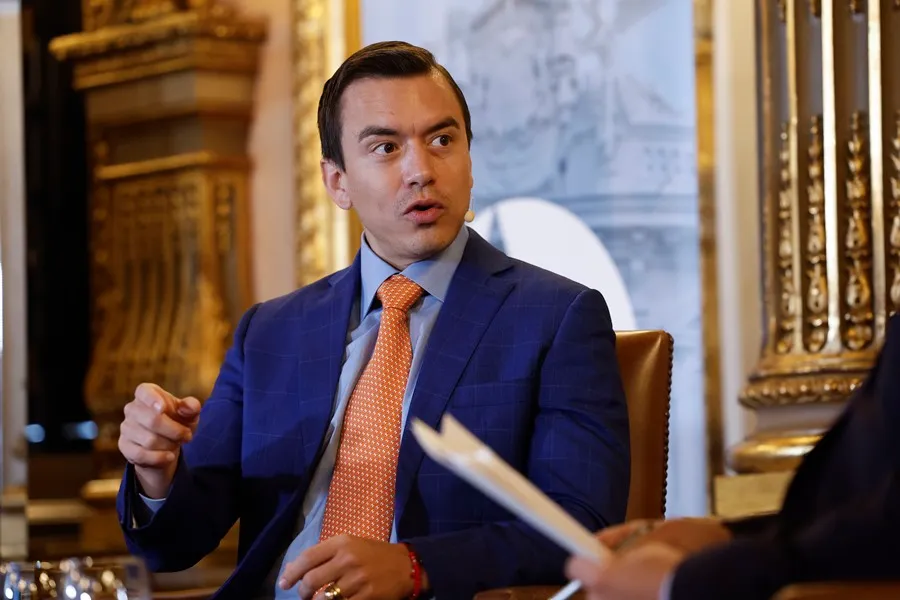
Ecuadorian President Daniel Noboa on Tuesday declared the National Comprehensive Security Plan 2025-2029 as a nationwide public policy, a strategy aimed at guiding state actions on security matters over the next four years.
The measure was formalized through an executive decree that activates the plan approved on March 9 by the Public and State Security Council (Cosepe) and replaces the National Comprehensive Security Plan 2019-2030, which had been designated as public policy in 2021.
Under the new decree, implementation of the strategy will be led by the ministries of Interior, Defense, and Foreign Affairs and Human Mobility, along with the National Intelligence Center and the National Secretariat for Risk Management. These institutions will be responsible for coordinating actions according to their respective areas of responsibility.
According to the official document, the new plan adopts a multidimensional and comprehensive security approach, with a long-term vision focused on national interests and on strengthening the State’s ability to respond to current threats.
The Ecuadorian government said the strategy seeks to improve coordination among public institutions within the framework of the “internal armed conflict” declared by Noboa in 2024 as part of the fight against criminal organizations operating across the country.
The plan also includes measures to strengthen international cooperation against transnational organized crime, which authorities identify as one of Ecuador’s main security challenges due to its links to drug trafficking and illegal mining.
The government described the document as a roadmap for prevention, protection, response and recovery actions in the face of national security risks, promoting coordinated efforts among state institutions.
Ecuador has remained under an internal armed conflict declaration since 2024, when Noboa intensified operations against criminal gangs that his administration has labeled terrorist organizations. Despite the increased security measures, the country recorded around 9,300 homicides in 2025, the highest figure in its history, according to data from the Ministry of Interior.
The new security plan comes as Ecuador seeks to strengthen its institutional response to escalating violence and the growing influence of organized crime networks.

Latin Music Stars Unite in Miami to Raise Aid for Victims of Venezuela’s Devastating Earthquake

Trump Administration Seeks Global Action Against “Resurgent” Left-Wing Terrorism

President Noboa Declares New Security Strategy as Ecuador Faces Record Violence Levels
Tec de Monterrey honors one of its students for his contribution to nanotechnology in medicine

Defense Minister commends salvadoran soldier for Central American Cross Country victory

Extension of the state of emergency approved in southern Chile
-
 International2 days ago
ICE reverses course and moves forward with New Jersey migrant detention facility project
-
 International2 days ago
Judge rules Trump’s IRS lawsuit was a “bad faith” attempt to manipulate the judicial process
-
 International2 days ago
Marco Rubio launches U.S. campaign to “dismantle” the International Criminal Court
-

 International1 day ago
France Holds Largest Bastille Day Military Parade as Europe Highlights Strategic Defense
-
 International1 day ago
President Noboa Declares New Security Strategy as Ecuador Faces Record Violence Levels
-
 International3 days ago
Venezuela Earthquake Death Toll Rises to 4,490 as Rescue Efforts Continue
-
 International1 day ago
Foreign Medical Teams Race to Prevent Health Crisis in Venezuela Earthquake Camps
-
 International11 hours ago
Latin Music Stars Unite in Miami to Raise Aid for Victims of Venezuela’s Devastating Earthquake
-
 International11 hours ago
Trump Administration Seeks Global Action Against “Resurgent” Left-Wing Terrorism