
International
Pope urges governments to stop sending migrants back to Libya
AFP
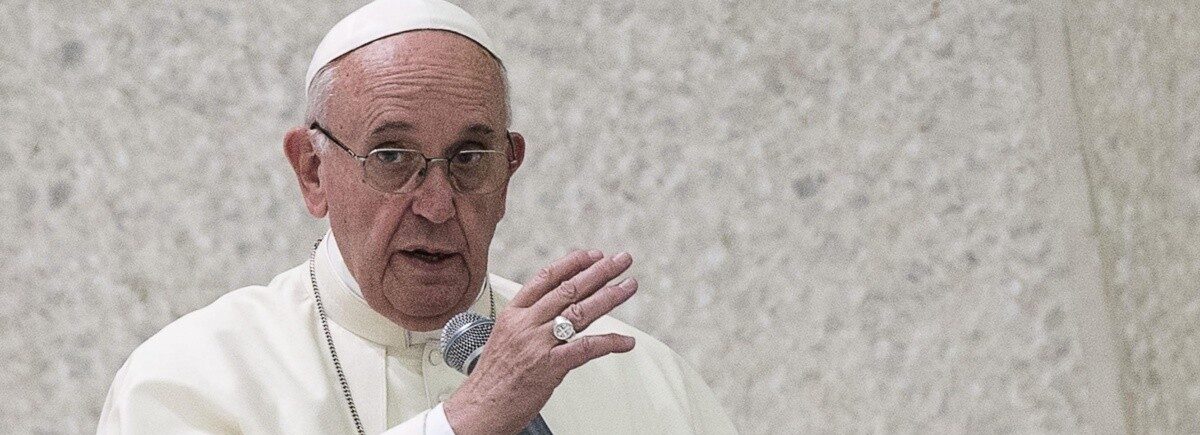
Pope Francis on Sunday urged governments to stop returning migrants to countries like Libya where they are sent to detention centres rife with abuse, and prioritise saving lives of those crossing the Mediterranean.
The pontiff’s message comes as Italy sees an increase in migrant arrivals from Libya, and the debate within a divided EU shifts to migrants entering the bloc’s eastern borders with Belarus.
“I express my closeness to the thousands of migrants, refugees and also others in need of protection in Libya,” Francis said in a heartfelt message following his Sunday Angelus prayer on Saint Peter’s Square in the Vatican.
“I don’t forget you ever. I hear your cry and pray for you,” he said.









“So many of these men, women and children are subject to an inhumane violence,” the pope said. “Yet again I exhort the international community to keep their promises and find common, concrete and lasting solutions, to manage the migrant flows in Libya and all the Mediterranean.”
Governments must stop returning migrants to “non-secure countries” like Libya, the 84-year-old pontiff said.
He urged them to prioritise saving lives in the Mediterranean, offer safe disembarkations at ports and guarantee migrants “alternatives to detention” and access to asylum.
– Arrivals increase –
Italy and the European Union have for years financed, trained and equipped the Libyan coastguard to intercept migrants heading for Europe on makeshift boats.
Those intercepted at sea and returned to Libya are placed in detention centres in deplorable conditions.
Italian Prime Minister Mario Draghi told Parliament Wednesday that arrivals to Italy from the Mediterranean had doubled thus far this year to 50,500 versus 26,000 in the same year-ago period.
About 1,106 people died this year attempting the crossing, he said.
On Sunday, migrant rescue hotline Alarm Phone said two inflatable boats in the Mediterranean carrying 60 and 68 people, respectively, needed urgent intervention.
Doctors Without Borders, meanwhile, said its Geo Barents charity vessel had rescued another 95 people Saturday night, bringing the total of rescued migrants onboard to 296.
The Aita Mari rescue vessel operated by Spanish search and rescue agency Salvamento Maritimo and carrying more than 100 migrants is also seeking a safe port to disembark, Italian news agency AGI reported Sunday.
On Saturday, the 406 migrants rescued in various operations by German rescue charity Sea-Watch began disembarking after Italy allowed it to dock at the Sicilian port of Pozzallo.
A two-day summit of EU leaders that ended Friday revealed continued rifts between countries on migrant issues. A number of EU member states, including Poland and Lithuania, called for the bloc to finance barriers to stem the thousands of migrants seeking access to Europe via Belarus.






Central America
Bukele Tops Latin America’s Presidential Approval Ranking in June, Survey Finds
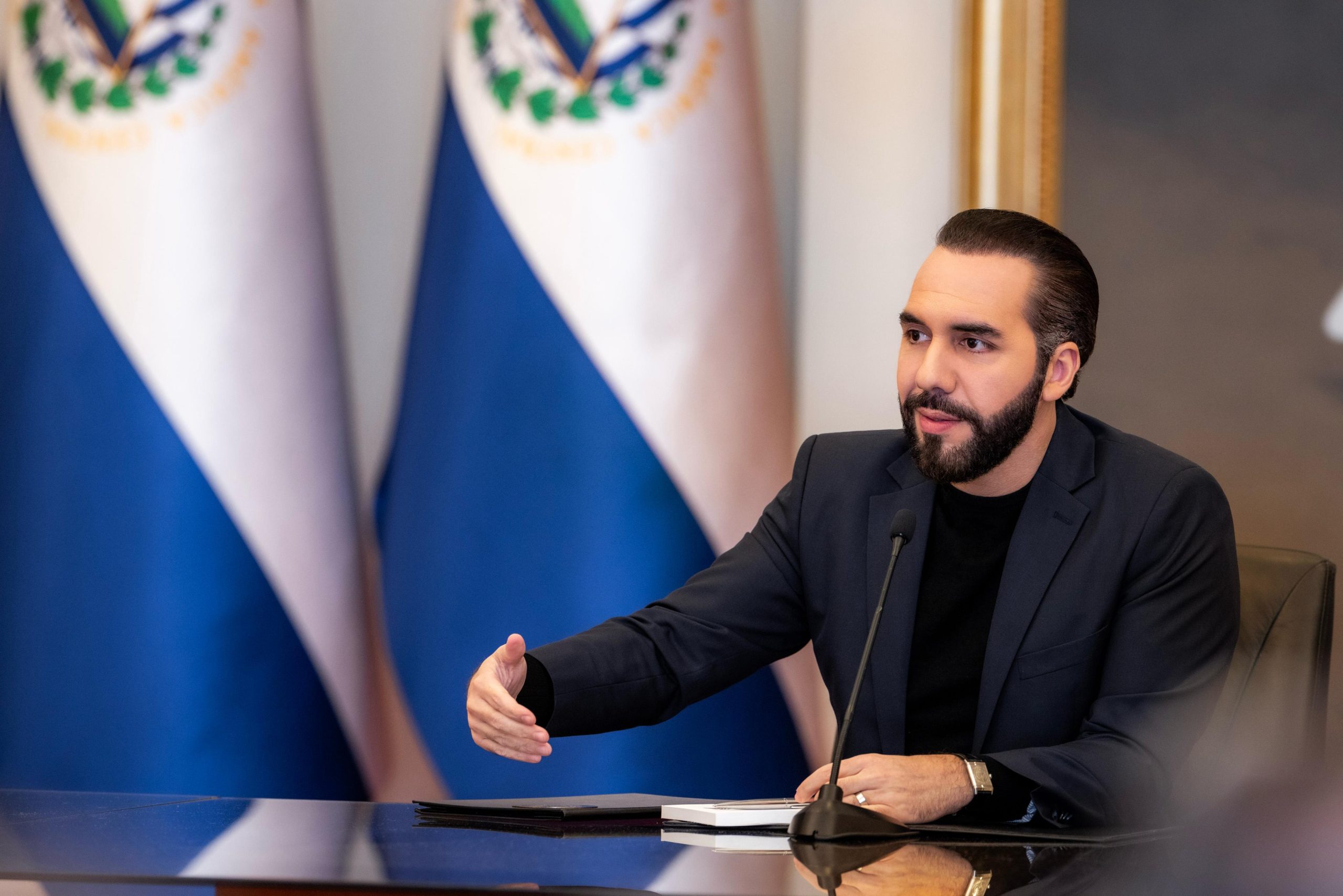
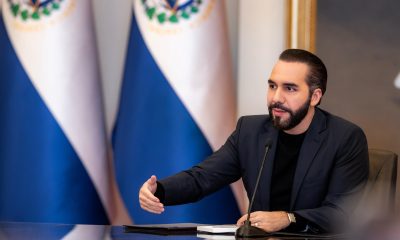
President Nayib Bukele of El Salvador, President Claudia Sheinbaum of Mexico, and President Laura Fernández of Costa Rica are the three highest-rated leaders in Latin America, according to the latest June 2026 presidential approval survey conducted by CB Global Data. The study places Peru’s interim president, José María Balcázar, at the bottom of the regional ranking.
Bukele leads the list with a 69.1% approval rating and a 27.6% disapproval rate, improving on the 67.5% positive image recorded in May. The Salvadoran president has maintained a state of emergency since March 2022 as the cornerstone of his anti-gang security strategy, a policy that continues to shape public perceptions of his administration.
Sheinbaum, Mexico’s first female president, ranks second with a 65.5% approval rating and 31% disapproval. Although she remains among the region’s most popular leaders, her support declined from the 67.8% approval registered in May.
Completing the top three is Costa Rican President Laura Fernández, who recently assumed office and now records a 56.1% favorable rating against 37.1% negative opinion. Her approval has risen significantly from the 52.7% reported a month earlier.
At the opposite end of the ranking is Peru’s interim president, José María Balcázar, who received only 18.2% positive approval while 71.7% of respondents expressed a negative view of his administration. Despite remaining last in the survey, he showed a slight improvement compared to previous measurements.
Second from the bottom is Venezuela’s acting president, Delcy Rodríguez, with a 29.5% approval rating and 64.8% disapproval. Nevertheless, she registered the largest increase in positive perception among all leaders surveyed, gaining more than five percentage points compared with the previous month.
Guatemalan President Bernardo Arévalo rounds out the group of lowest-rated leaders, posting a 33.1% approval rating against 63% disapproval. His support level declined from 36.9% in May.
Just outside the top three is President Luis Abinader of the Dominican Republic, who achieved a 54.8% approval rating and 42.2% disapproval, despite a decline from the 60.2% support recorded a month earlier.
Paraguayan President Santiago Peña follows with a 48.3% favorable rating and 48.2% disapproval, improving slightly compared with May. Meanwhile, Brazilian President Luiz Inácio Lula da Silva ranks sixth with a 47.6% approval rating and 48.1% disapproval, down from 49.5% the previous month. Lula is expected to seek another term in Brazil’s presidential election scheduled for October 2026.
Bolivian President Rodrigo Paz fell to seventh place after experiencing the largest decline in the survey. His approval rating dropped to 46.4%, while disapproval climbed to 52.3%, representing a loss of more than nine percentage points compared with May.
The CB Global Data survey, conducted across 18 Latin American countries, reflects shifting public sentiment toward regional leaders and highlights the growing influence of Central American presidents among the continent’s most highly rated governments.
International
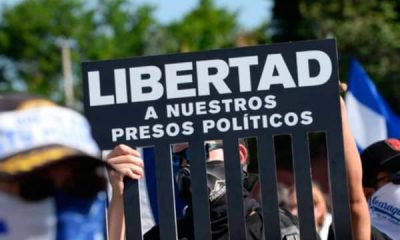
NGO Reports Release of 54 Political Prisoner Soldiers in Venezuela
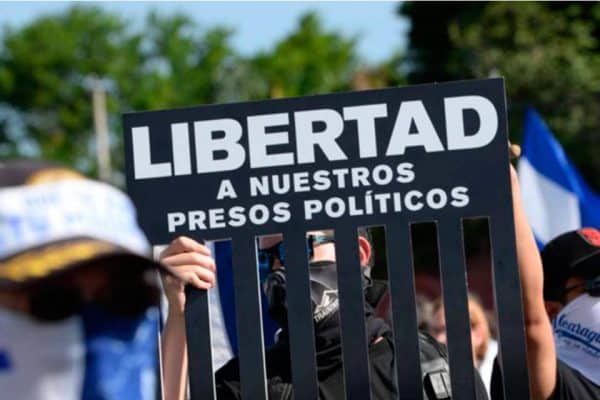
A Venezuelan human rights organization reported on Tuesday that 54 military personnel detained for political reasons have been released, describing the measure as a positive step while stressing that hundreds of service members remain behind bars.
According to the Coalition for Human Rights and Democracy, 51 of the released detainees had been held at Ramo Verde prison in Miranda state, while three women were imprisoned at the National Institute for Female Orientation (INOF), also located in the same region. The organization said the releases should mark the beginning of a broader process aimed at freeing all military personnel imprisoned for political reasons in Venezuela.
Among those released is First Lieutenant Reinaldo Enrique Finol, who was arrested in 2020 in connection with the so-called “American Spy” case. The investigation also involved former U.S. Marine Matthew John Heath, whom Venezuelan authorities accused of conducting espionage activities at oil facilities in the state of Falcón. Heath was released in 2022 following a visit to Caracas by Roger Carstens, then the United States Special Presidential Envoy for Hostage Affairs.
In a message posted on social media, the Coalition called for the release of all political prisoners in the country, with particular attention to women who have been separated from their children and families. The organization described the liberation of the 54 military detainees as an important humanitarian development.
Ana Leonor Acosta, director of the Coalition, said there is still no official confirmation regarding the legal status of the released individuals. She explained that it remains unclear whether they were granted full freedom or released under precautionary measures, although the organization believes each case was reviewed individually before the detainees were freed.
The Coalition estimates that 213 military personnel remain imprisoned for political reasons in Venezuela. At the same time, relatives of political prisoners have continued demonstrations outside the U.S. Embassy in Caracas, urging Washington to support efforts aimed at securing the release of those who remain incarcerated.
Family members and human rights advocates argue that hundreds of political prisoners are still being held despite government announcements made earlier this year regarding the release of a significant number of detainees. Concerns have also been raised over the lack of information surrounding recent transfers of prisoners from the Bolivarian Intelligence Service (SEBIN) headquarters, commonly known as El Helicoide.
The developments come amid continued international scrutiny of Venezuela’s human rights record. In May, U.S. President Donald Trump stated that his administration would work toward securing the release of all individuals imprisoned for political reasons in the South American nation.
International
ICE to prioritize security over immigration enforcement during 2026 World Cup, says official
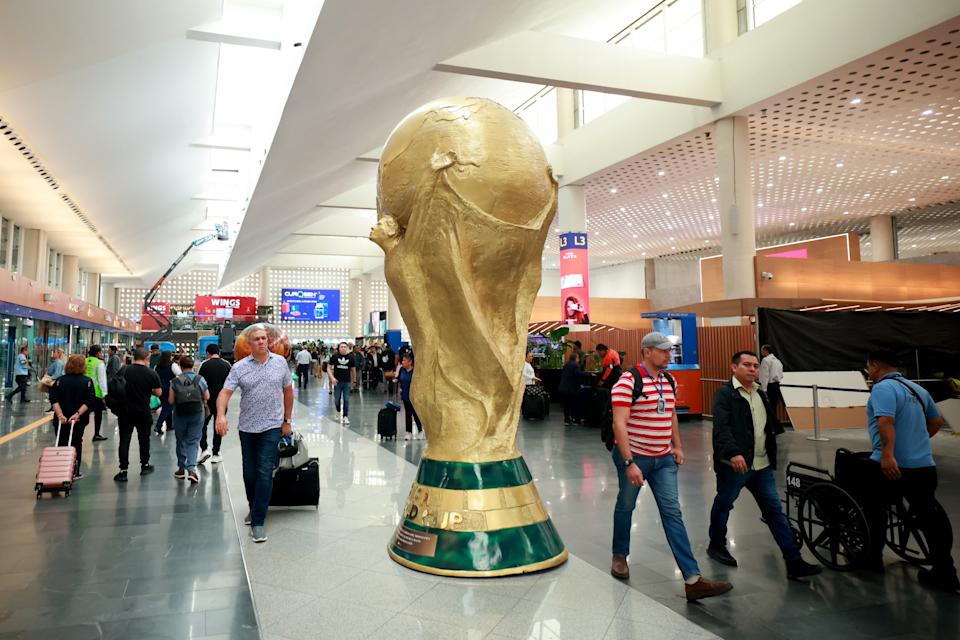
U.S. Immigration and Customs Enforcement (ICE) will prioritize event security and the protection of attendees over immigration enforcement during the 2026 World Cup, according to its director, Tom Homan.
The tournament will be jointly hosted by the United States, Mexico, and Canada from June 11 to July 19, 2026, and is expected to draw millions of visitors across the three countries.
Speaking in an interview with ABC, Homan said the agency’s main responsibility during the competition will be to prevent any security threats that could disrupt one of the world’s largest sporting events.
“We have a national security responsibility that we are going to carry out,” Homan stated, emphasizing that ICE operations during the tournament will focus on intelligence, prevention, and the protection of critical infrastructure rather than immigration enforcement actions targeting undocumented individuals.
He added that the agency’s priority will be safeguarding players, teams, fans, and stadiums throughout the event.
However, Homan clarified that immigration status could still be taken into account in cases where national security concerns arise. “If we find a national security issue and it involves an illegal alien, of course we will take action,” he said.
The comments came in response to questions about concerns from international visitors regarding possible immigration enforcement activity during the tournament.
Homan reiterated that ICE’s operational focus will remain strictly on security-related matters. Known as the “border czar” within the U.S. administration, he said the agency will concentrate on preventing risks and ensuring the safety of all participants and spectators.
The 2026 World Cup will be the first edition of the tournament to feature 48 national teams, significantly increasing travel and logistical demands across the host nations. As a result, authorities are coordinating extensive security preparations involving federal, state, and international agencies.
Officials have described the tournament as one of the most complex security and organizational challenges ever undertaken in North America, with preparations already underway to ensure its safe and orderly execution.

Bukele Tops Latin America’s Presidential Approval Ranking in June, Survey Finds

NGO Reports Release of 54 Political Prisoner Soldiers in Venezuela

Civil Protection Reports Dozens of Weather-Related Incidents Following Weekend Storms
Tec de Monterrey honors one of its students for his contribution to nanotechnology in medicine

Defense Minister commends salvadoran soldier for Central American Cross Country victory

Extension of the state of emergency approved in southern Chile
-
 International4 days ago
Two Police Officers Shot During Road Clearance Operation in Eastern Bolivia
-

 International3 days ago
ICE to prioritize security over immigration enforcement during 2026 World Cup, says official
-
 Central America13 hours ago
Bukele Tops Latin America’s Presidential Approval Ranking in June, Survey Finds
-
 Central America1 day ago
Civil Protection Urges Immediate Evacuations as Tropical Storm Cristina Brings Flooding Risks
-
 Central America1 day ago
Civil Protection Reports Dozens of Weather-Related Incidents Following Weekend Storms
-
 International13 hours ago
NGO Reports Release of 54 Political Prisoner Soldiers in Venezuela