
Central America
The endless wait for word on loved ones arrested in Nicaragua

Every day, family members of the 21 opposition figures rounded up in Nicaragua in the past month visit the prison where they think their loved ones are held. Every day they leave disappointed, with no contact and no news.
“Some have been (held) for 31 days and no one” has been allowed to see them, “not even the lawyers,” said Martha Urcuyo, wife of detainee Pedro Chamorro.
“We hope that they are here,” she told AFP on one of her regular, but fruitless, visits to El Chipote prison southwest of Managua with other spouses, parents and children of the 21 seized in house raids and nighttime arrests which began on June 2.
Chamorro, a journalist, former opposition lawmaker and son of ex-president Violeta Barrios de Chamorro, was arrested on June 25 on charges of “inciting foreign interference” and “applauding” sanctions against Nicaragua.
His was the most recent arrest in the raids that have netted five presidential candidates including his sister Cristiana Chamorro — a favorite to beat Ortega in the November poll. She is under house arrest.












The siblings’ mother had beaten Ortega in 1990, ending an 11-year spell for the ex-guerilla at Nicaragua’s helm. He returned in 2007 and has twice won re-election since then.
Ortega accuses the detainees, who include critics, politicians, businessmen and former comrades, of being “criminals” seeking to overthrow him with US backing.
Under threat, several other Ortega opponents have fled the country ahead of the election in which he is widely expected to seek a fourth consecutive term, though he has not said so.
Most of the detainees face charges under a new law initiated by Ortega’s government and approved by parliament in December to defend Nicaragua’s “sovereignty.”
The law has been widely criticized as a means of freezing out challengers and silencing opponents.
– “We know nothing’ –
The international community has condemned Ortega’s crackdown and called for the release of the detainees.
But neither the outcry nor fresh US sanctions against Ortega allies have stopped the parade of detainees to El Chipote pre-trial prison — where rights groups have reported numerous instances of beatings and mistreatment in recent years.
It has been torture for loved ones as well.
“We always bring food, and then go back home with it,” Urcuyo said as she approached the jail bearing a recyclable plastic shopping bag with goodies for her husband, squaring her shoulders as she walked past a line of police in riot gear.
“We come three times a day and the only thing they (the guards) take from us is water,” she added.
Arlen Tinoco, the daughter of detained former foreign minister Victor Tinoco, said “we know nothing” about the fate of the prisoners.
“They have not informed us, they have not said anything. They have not allowed them (the prisoners) to see lawyers, we have zero information.”
A firebrand Marxist in his younger days, Ortega and his Sandinistas toppled a corrupt autocratic regime to popular applause and seized control of the country in 1979.
But opponents have increasingly denounced a descent into dictatorship, nepotism and corruption under Ortega, who leads the ruling Sandinista National Liberation Front (FSLN).
His vice president is also his wife, Rosario Murillo.
Last week, UN rights chief Michelle Bachelet urged the UN’s Human Rights Council to hold the Ortega government to account for “serious violations committed since April 2018,” including the recent arrests.
Rallies demanding the resignation of Ortega and Murillo broke out that year, but a violent clampdown claimed 328 lives, according to rights bodies, while hundreds were imprisoned and some 100,000 Nicaraguans fled into exile.










Central America
Guatemala Declares Highest Alert in Areas Affected by Fuego Volcano Eruption
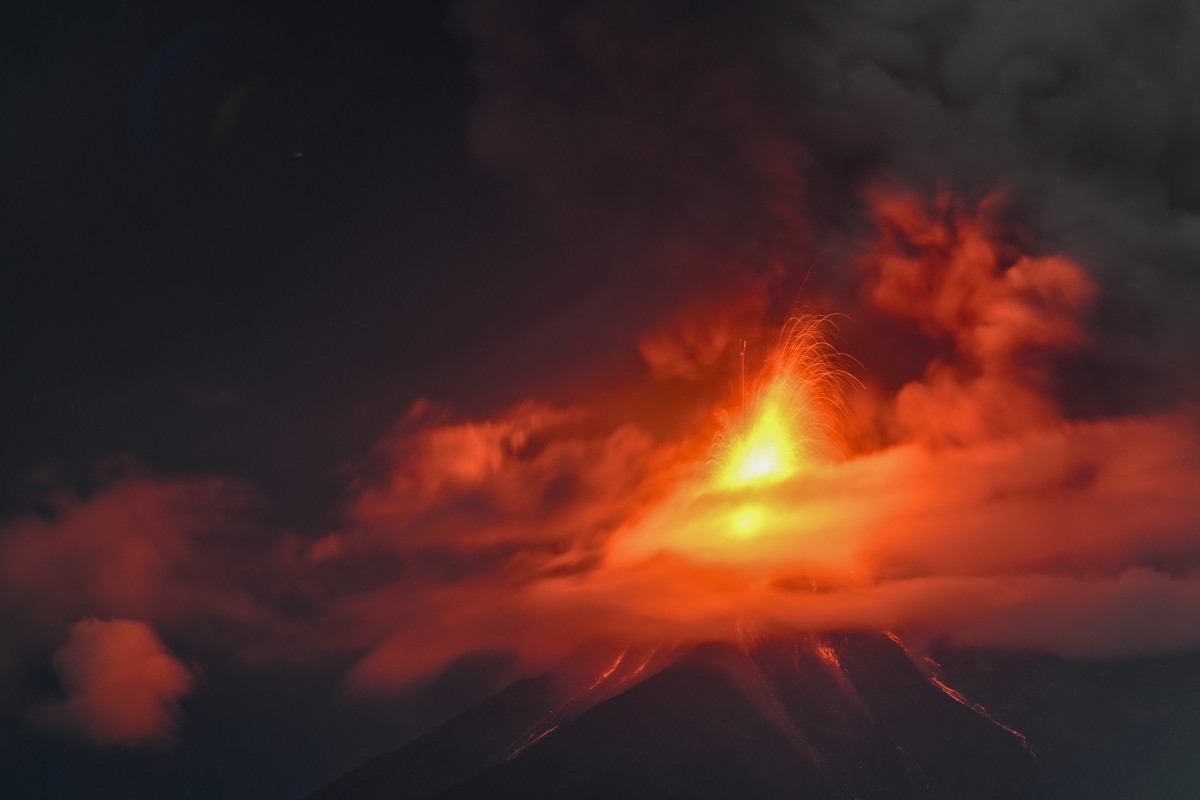
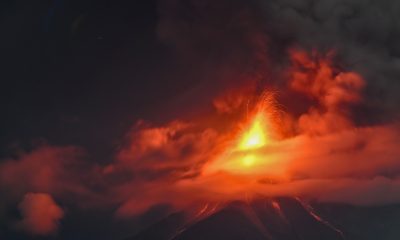
Guatemalan authorities declared a red alert, the highest level of danger, on Tuesday in areas affected by the eruption of the Fuego Volcano, located about 35 kilometers from the country’s capital.
The most active volcano in Central America entered an eruptive phase on Monday morning, and its activity intensified overnight with lava emissions and large columns of gas and ash.
No fatalities have been reported, but the volcanic activity forced the evacuation of around 500 people as a precautionary measure.
The National Coordination for Disaster Reduction (Conred) declared a state of emergency in the departments of Sacatepéquez, Chimaltenango and Escuintla, the agency announced through its official X account.
The affected regions are home to approximately 1.6 million people. However, ashfall has so far impacted only about five municipalities.
Despite the increase in the alert level, authorities reopened a road leading to the city of Antigua, the country’s main tourist destination, after evaluating safety conditions in the area.
The Fuego Volcano is one of Guatemala’s most active geological formations and has a history of frequent eruptions, requiring continuous monitoring by national emergency agencies.
Central America
U.S. Defense Secretary to Close Multinational Military Exercises in Panama to Protect Canal
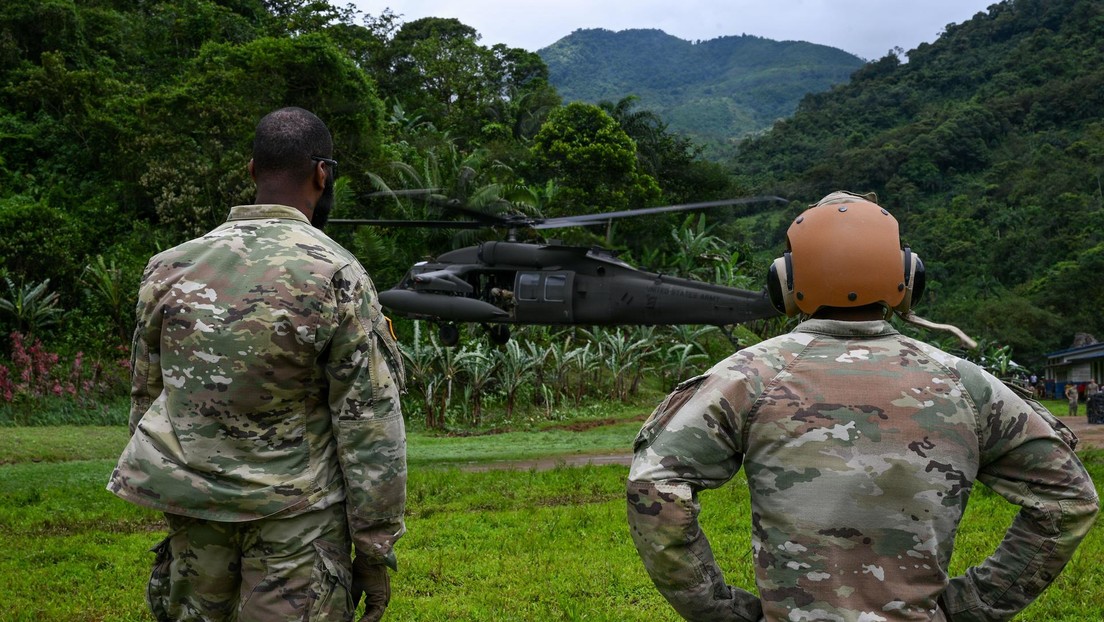
U.S. Secretary of Defense Pete Hegseth will travel to Panama next week to close multinational military exercises involving more than 20 countries aimed at strengthening security measures for the Panama Canal against potential threats, a Panamanian government official announced Monday.
This will mark Hegseth’s second visit to Panama. The U.S. defense chief is expected to arrive on August 13 for the closing ceremony of the military drills, which began this week and have been conducted in the Central American country for more than two decades to support the protection of the interoceanic waterway, according to Panama’s Security Minister Frank Ábrego.
The exercises include participation from the United States, Argentina, Brazil, Chile, Colombia, Mexico, the Netherlands, Peru and the United Kingdom, among other nations.
“The canal is a strategic infrastructure that connects markets and supports global supply chains. Its security and uninterrupted operation are of fundamental importance for Panama, the United States and the international community,” said U.S. Ambassador to Panama Kevin Marino Cabrera.
The drills include maritime training operations, exercises in jungle areas surrounding the canal, as well as virtual simulations focused on cybersecurity and strategic planning.
The Panama Canal, one of the world’s most important trade routes, handles approximately 5% of global maritime commerce, making its security a priority for international trade and logistics networks.
Ábrego emphasized that preparedness and international coordination are essential to maintaining stability.
“The best way to preserve peace and guarantee the continuity of global trade is to be prepared to respond in a coordinated and effective manner to any threat,” the Panamanian official said.
Central America
Prosecutors Accuse Ex-Defense Minister of Undermining Press Freedom in Honduras
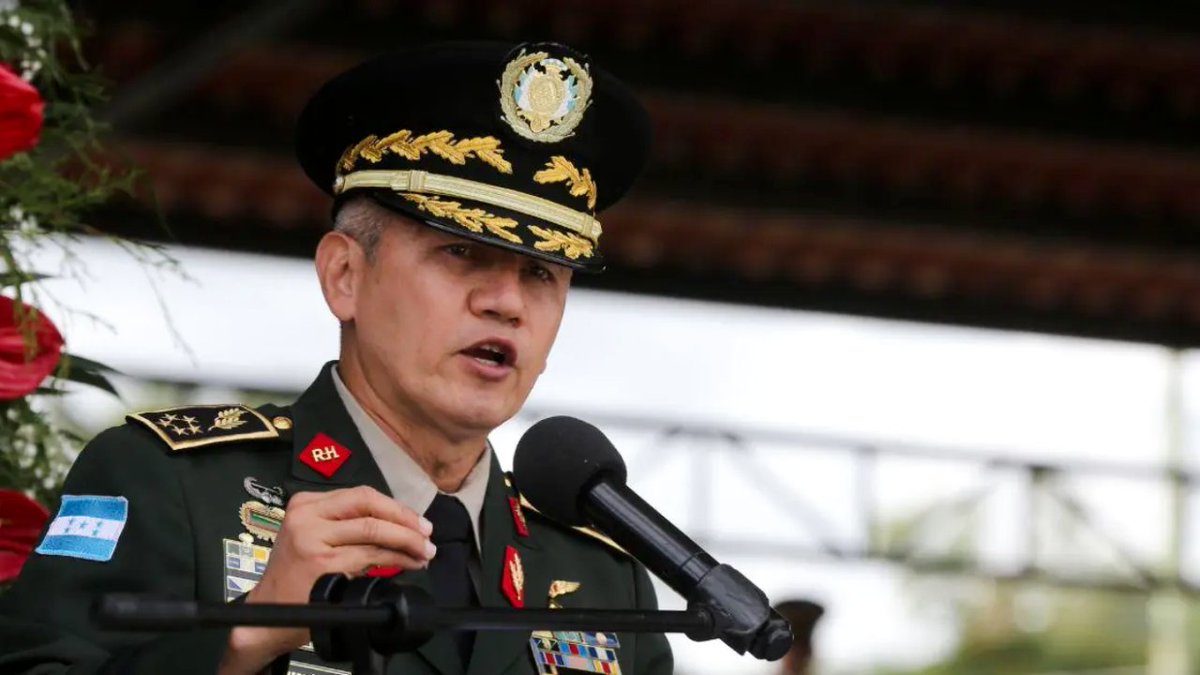
Honduras’ Public Prosecutor’s Office on Wednesday filed criminal charges against retired General Roosevelt Hernández, the country’s former defense minister and former chief of the Joint Chiefs of Staff, over his alleged role in actions that prosecutors say undermined press freedom and freedom of expression.
Prosecutors said the case was brought by the Special Prosecutor’s Office for the Protection of Journalists, Social Communicators, Human Rights Defenders and Justice Officials following an investigation into content published between 2025 and 2026 on a digital media platform operated by the Honduran Armed Forces.
According to the investigation, the publications were reported by journalists and the Honduran Journalists Association (CPH), which described them as part of an alleged campaign to discredit members of the press and media organizations.
The case dates back to May 2025, when the CPH filed complaints with national and international organizations after the Armed Forces referred to three journalists as “hitmen” in an article published by FF.AA. Digital. The association argued that the publication endangered the journalists’ safety and constituted an attack on press freedom.
The journalists identified in the publication as “hitmen of the truth” were Rodrigo Wong Arévalo, director of the television news program Abriendo Brecha; Dagoberto Rodríguez, director of Radio Cadena Voces; and Juan Carlos Sierra, president of the Honduran Journalists Association. The article also included photographs of the three journalists and the CPH’s logo.
The Public Prosecutor’s Office said the case file includes formal complaints, pretrial investigative proceedings, a specialized forensic analysis of audiovisual and digital material, and witness testimony gathered during the investigation to determine whether the publications violated freedom of expression and the exercise of journalism.
Authorities emphasized that freedom of the press and freedom of expression are protected under the Honduran Constitution as well as international treaties ratified by the country.

Abelardo de la Espriella sworn in as Colombia’s president for 2026-2030

Appeals Court blocks Trump’s White House ballroom project without congressional approval

Rubio warns Cuba U.S. pressure campaign will continue through Trump’s term
Tec de Monterrey honors one of its students for his contribution to nanotechnology in medicine

Defense Minister commends salvadoran soldier for Central American Cross Country victory

Extension of the state of emergency approved in southern Chile
-
 International4 days ago
Iran Rejects Negotiations With U.S. as Strait of Hormuz Remains Blocked Amid New Attack
-
 International4 days ago
Lula Launches Re-Election Campaign Amid Rising Tensions With Trump
-
 International2 days ago
Mexican TikTok Influencer Shot Dead While Livestreaming in Sinaloa
-
 Central America2 days ago
Guatemala Declares Highest Alert in Areas Affected by Fuego Volcano Eruption
-
 International1 day ago
Afghan man sentenced to life in prison for deadly Munich vehicle attack
-
 International5 hours ago
Appeals Court blocks Trump’s White House ballroom project without congressional approval
-
 Central America4 days ago
U.S. Defense Secretary to Close Multinational Military Exercises in Panama to Protect Canal
-
 International5 hours ago
Rubio warns Cuba U.S. pressure campaign will continue through Trump’s term
-
 International1 hour ago
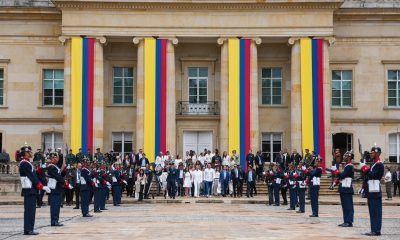
Abelardo de la Espriella sworn in as Colombia’s president for 2026-2030