
International
Guinea to put 60 people on trial for unrest

AFP/Editor
Some 60 people, including opposition figures detained for months, will stand trial in Guinea over deadly protests surrounding last year’s presidential election, according to the government.
Alpha Conde’s bid for a third term in office was met with months of demonstrations by political opposition and civil society groups, which security forces countered with sometimes brutal force, and dozens of people died after the protests began in October 2019.
In March 2020, at the same time as legislative elections, Guinea held a referendum to change the constitution and allow the president to serve more than two terms.
Despite mass opposition and claims of an “electoral coup d’Etat”, Conde, 83, was re-elected in the first round in October 2020.









The United States, the European Union and France questioned the credibility of the vote.
Hundreds of people were arrested both before and after the ballot, human rights groups said.
Government spokesman Tibou Kamara said Friday night in a statement that 57 of those arrested would face court.
The list includes eight people charged with killing three gendarmes and a soldier in an attack on a mineral ore goods train near Conakry just days after the presidential vote.
The spokesman also named for trial Ibrahima Cherif Bah and Ousmane Gaoual Diallo of the main opposition democratic union party UFDG whose leader claimed victory in the presidential election.
Both men were arrested after the ballot and charged, according to their lawyers, with making, possessing and using weapons and undermining the nation.
The spokesman added that 40 people had been set free after proceedings against them were dismissed.






International
US panel backs Trump-themed coin amid controversy
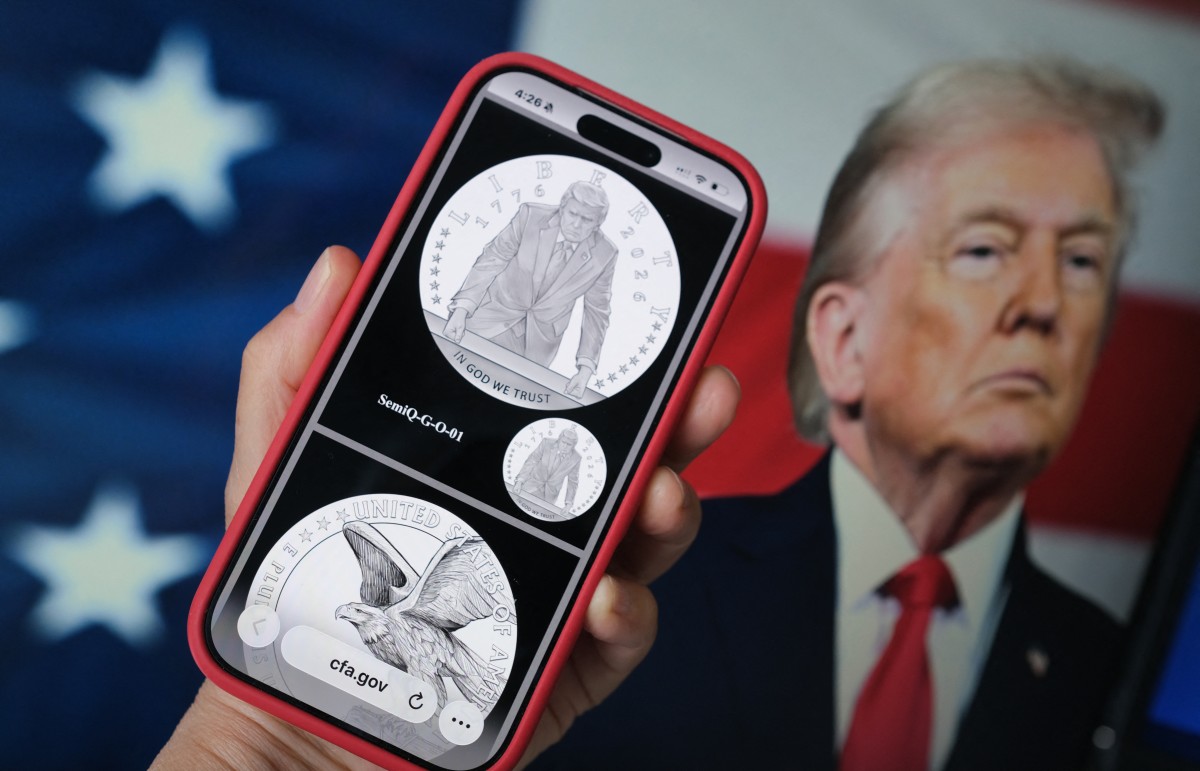
The United States Department of the Treasury confirmed to AFP that the Commission of Fine Arts approved the design of a new collectible coin featuring Donald Trump, with members of the commission appointed by the current administration.
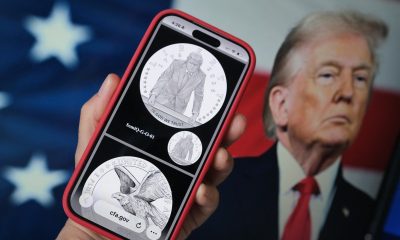
According to the proposal, the coin will feature an image of Trump standing with clenched fists over a desk on the obverse, while the reverse will display an eagle, a traditional symbol of the United States.
The sale price of the collectible has not yet been disclosed, although the United States Mint typically offers similar items for more than $1,000.
“There is no more iconic portrait for the front of these coins than that of our president Donald Trump,” U.S. Treasurer Brandon Beach said in a statement sent to AFP. He added that two additional coins — a $1 piece and a one-ounce gold coin — are also under consideration.
However, the Citizens Coinage Advisory Committee (CCAC), another body responsible for reviewing new coin proposals, declined to discuss the Trump design in late February.
“Only nations governed by kings or dictators place the image of a sitting leader on their currency,” said Donald Scarinciat the time. “No country in the world has minted coins featuring a democratically elected leader during their term in office,” he added.
When contacted by AFP, the Treasury Department did not immediately respond to requests for further comment.
International
Fed’s Waller warns of rising inflation risks amid Middle East conflict
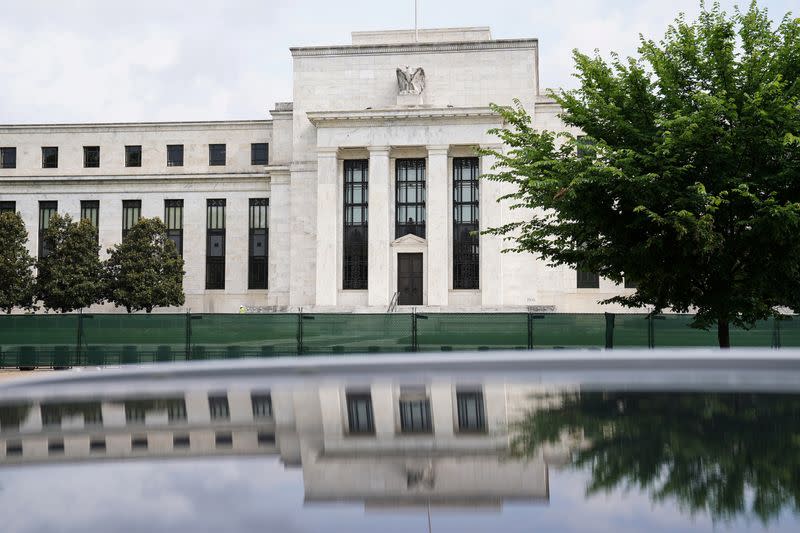
Christopher Waller, a governor at the Federal Reserve, said Friday that he is increasingly concerned about the inflationary impact of the ongoing conflict involving United States and Israel against Iran, particularly due to the prolonged closure of the Strait of Hormuz.
Waller, who had supported interest rate cuts over the past year amid concerns about the labor market, said he has shifted his stance in recent weeks due to rising inflation risks.
“Since the Strait of Hormuz was closed, it suggests this conflict could be much more prolonged and that oil prices will remain elevated for longer,” Waller said in an interview with CNBC.
“Therefore, this indicates that inflation is a greater concern than I had previously assessed,” he added.
Waller also backed the Federal Reserve’s decision earlier this week to keep interest rates unchanged, signaling a more cautious approach as global geopolitical tensions continue to affect economic outlooks.
International
Brazil offers to mediate Colombia-Ecuador tensions, calls for restraint
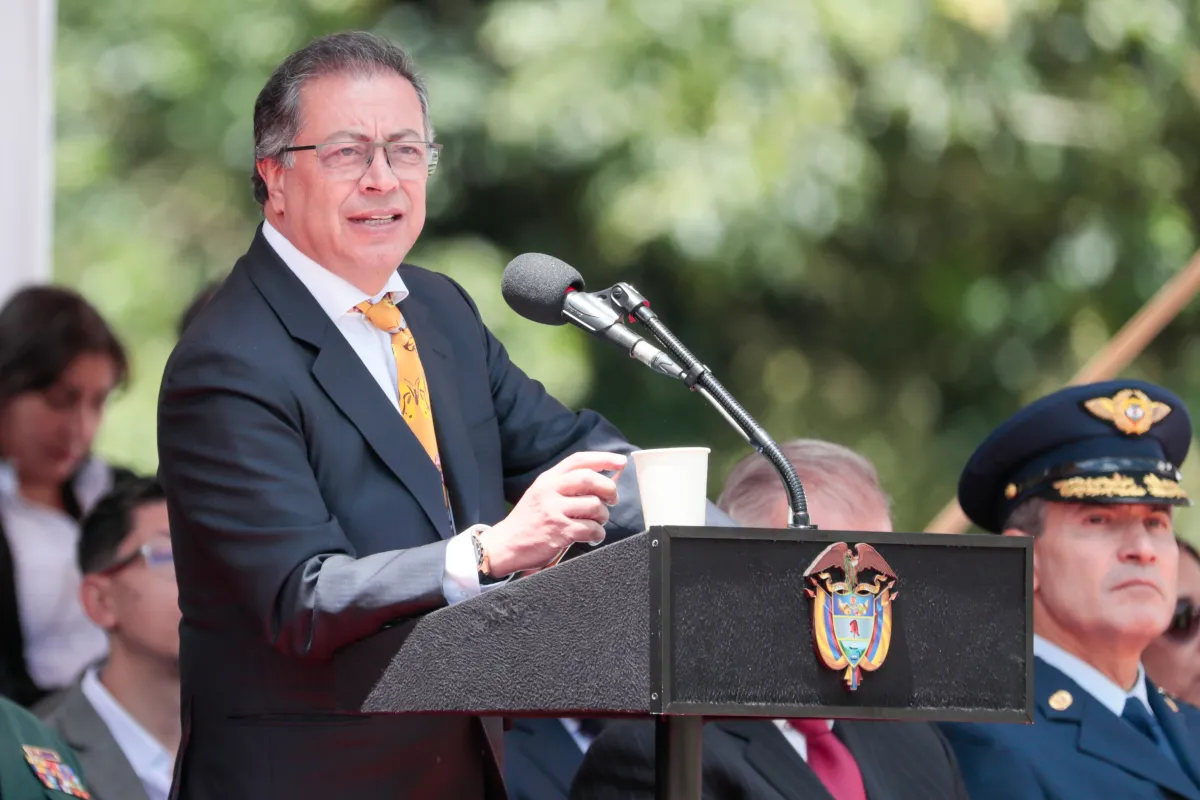
The government of Brazil has offered to mediate in the ongoing tensions between Colombia and Ecuador, while calling on both nations to exercise restraint.
In a statement released Wednesday, Brazil’s Ministry of Foreign Affairs urged the parties involved to act with moderation and seek a peaceful resolution to the dispute.
“Brazil encourages all sides to act with moderation in order to find a peaceful solution to the controversy. It stands ready to support dialogue efforts aimed at preserving peace and security in the region,” the statement said.
Brazil also expressed “serious concern” over reports of deaths in the border area between Colombia and Ecuador, noting that the circumstances surrounding the incidents have not yet been clarified.
The diplomatic move comes amid rising tensions between the neighboring countries, increasing regional concern over stability and security along their shared border.

Guatemala narrows emergency measures to hardest-hit gang violence areas

US panel backs Trump-themed coin amid controversy

Fed’s Waller warns of rising inflation risks amid Middle East conflict
Tec de Monterrey honors one of its students for his contribution to nanotechnology in medicine

Defense Minister commends salvadoran soldier for Central American Cross Country victory

Extension of the state of emergency approved in southern Chile
-

 International4 days ago
Two killed in shooting at restaurant near Frankfurt Airport
-
 International5 days ago
German president warns Iran war could spread and disrupt Strait of Hormuz
-
 Central America4 days ago
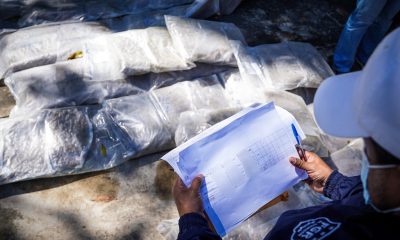
El Salvador destroys $166 million worth of cocaine seized from Tanzanian vessel
-
 International4 days ago
U.S. counterterrorism chief resigns over opposition to war in Iran
-
 Central America3 days ago
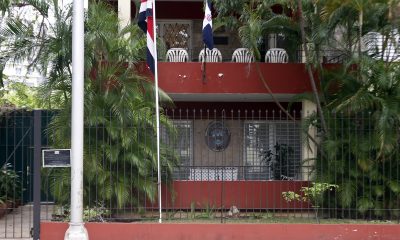
Costa Rica closes embassy in Cuba, citing human rights concerns
-
 International5 days ago
Mexico security chief meets DEA director in Washington to boost anti-drug cooperation
-
 International5 days ago
Venezuela’s foreign minister accuses UN rights chief of “immoral bias”
-
 Central America4 days ago
Analyst questions IACHR role over report on El Salvador emergency measures
-
 Central America1 day ago
Guatemala narrows emergency measures to hardest-hit gang violence areas
-
 International2 days ago
Brazil offers to mediate Colombia-Ecuador tensions, calls for restraint
-

 International2 days ago
Meningitis outbreak in England rises to 27 cases with two deaths reported
-
 International3 days ago
Hiroshima survivor who embraced Obama dies at 88
-

 International2 days ago
EU lawmakers move to ban AI tools that generate non-consensual nude images
-
 International2 days ago
U.S. lowers travel advisory for much of Venezuela but keeps high-risk zones under warning
-
 International1 day ago
US panel backs Trump-themed coin amid controversy
-
 International3 days ago
Colombia seeks ‘total suffocation’ of armed groups with regional support
-
 Central America3 days ago
Costa Rica closes Cuba embassy as president escalates rhetoric
-
 International1 day ago
Fed’s Waller warns of rising inflation risks amid Middle East conflict