
Central America
Salvadoran government helps local businesses with financial support to meet their payroll obligations
Juan Pablo Durán, president of Bandesal (Development Bank of El Salvador), said that as of yesterday, the $600 million of the Trust for the Economic Recovery of Enterprises (Firempresa) had been disbursed. These funds will be disbursed through the Banco Hipotecario and the Banco de Fomento Agropecuario, he said.
“The first disbursements will be given on Monday [yesterday], that is for sure. Banks are already aware that on that day, they will provide the first funds for the subsidy program,” explained the official in a TV interview.
President Bukele’s government informed that the first part of the financial support will be of $140 million. These funds will be destined to help companies cover 50% of their payroll. Last week, the President explained that the financial aid would be given in two disbursements. Both will be of $70 million. One, effective this month and the other in November.















Central America
Guatemala seizes over a ton of cocaine hidden in flour at Pacific port
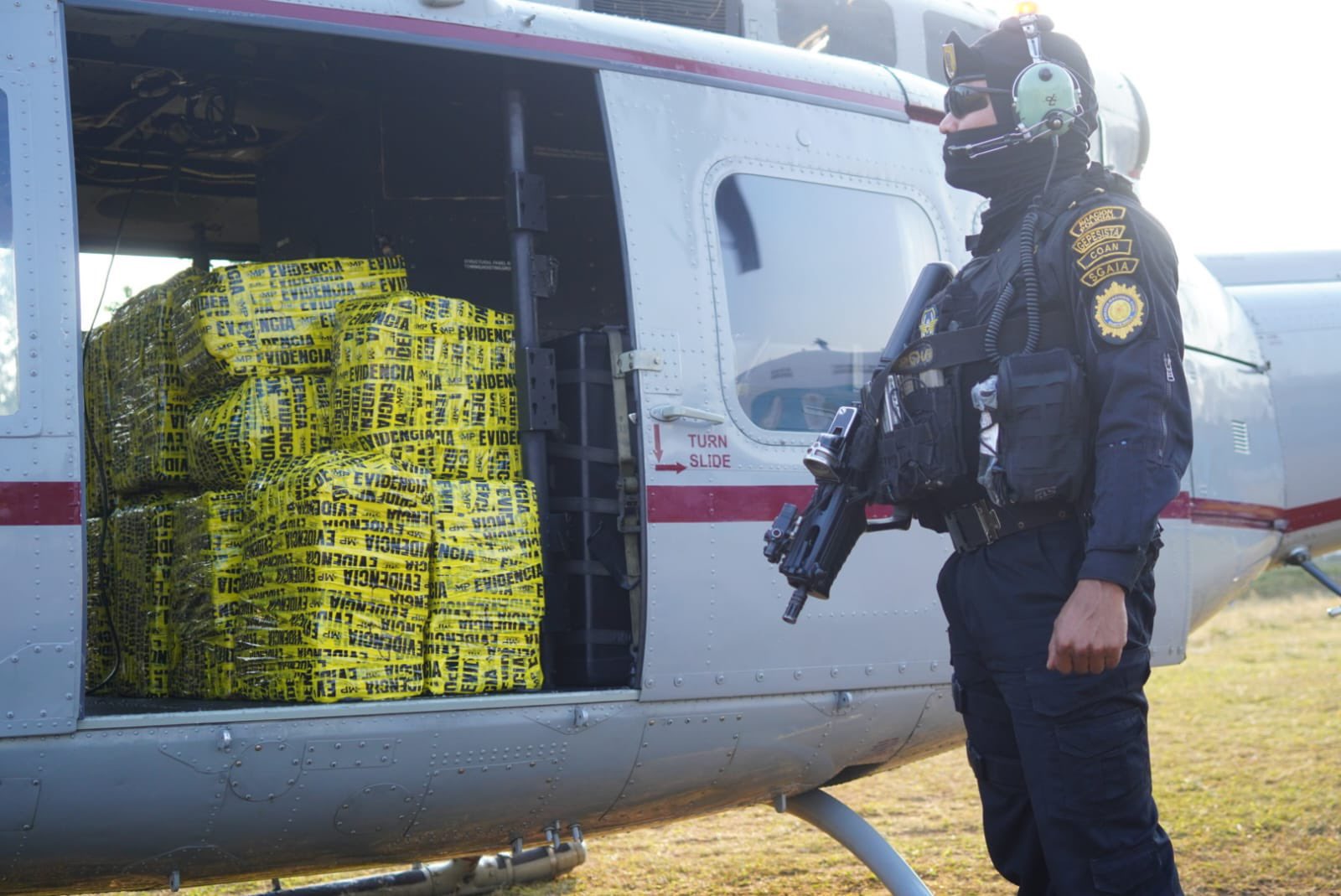
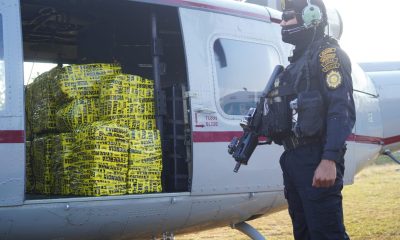
Guatemalan security forces seized more than one metric ton of cocaine on Sunday after discovering the drug hidden inside containers filled with flour at a Pacific port, police said.
The cocaine was found inside two shipping containers at Puerto Quetzal, located about 85 kilometers south of Guatemala City in the southern department of Escuintla, according to a police statement.
Authorities reported that 1,039 rectangular packages of cocaine were concealed inside bags of flour, with a total weight of 1,240 kilograms. No arrests were reported in connection with the operation.
Police said the shipment’s country of origin was not disclosed, and the seized drugs were airlifted to secure storage facilities in the capital for safekeeping.
International drug cartels frequently use Central America as a transit route for cocaine shipments bound for the United States, the world’s largest consumer of the drug.
Central America
Guatemala’s president rules out negotiations with inmates after prison riots
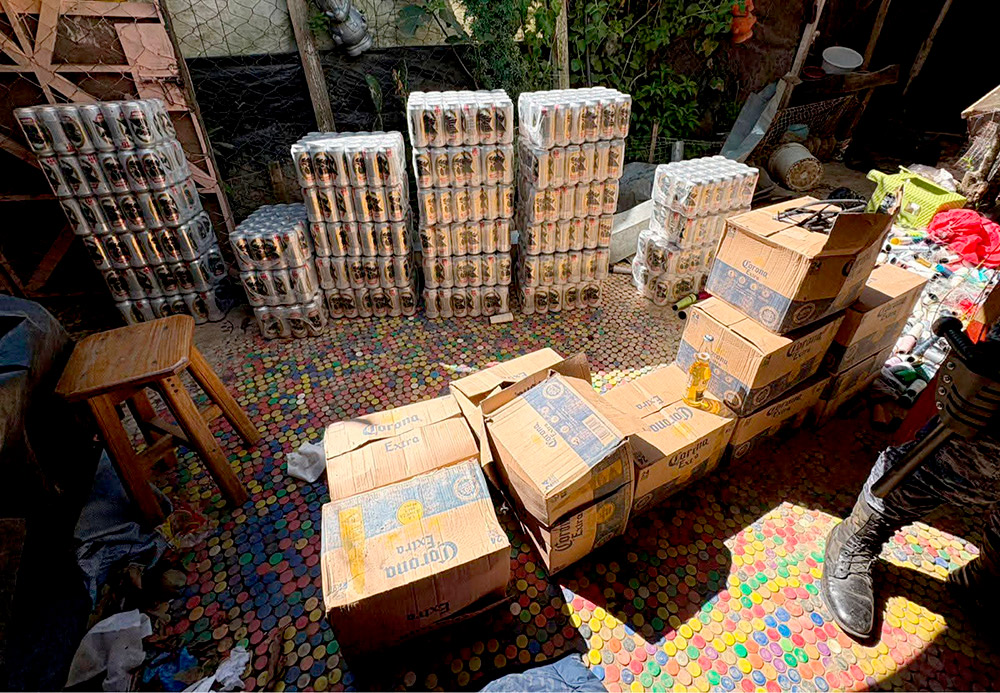
Guatemalan President Bernardo Arévalo stressed that his administration will not negotiate with inmates nor restore concessions granted under previous governments, insisting that the Executive’s priority is to maintain control of the prison system and restore order in detention centers.
Arévalo said one of the key measures implemented by authorities was the blocking of mobile phone signals inside prisons, an action he described as decisive in regaining control of the Renovación 1 penitentiary.
The riots reported at Renovación 1, Fraijanes 2, and the Preventive Detention Center for Men in Zone 18 of Guatemala City were aimed at pressuring the state to recover privileges that had been recently revoked, Arévalo said during a press conference held Wednesday at the National Palace of Culture.
The president explained that inmates were seeking to reinstate special detention conditions, including air conditioning, king-size beds, and internet access, benefits that he said were eliminated by the current administration.
“They attempted to extort the state in order to return to that system of privileges, but they failed,” Arévalo emphasized.
Central America
Mazatenango Carnival cancelled amid State of Siege in Guatemala
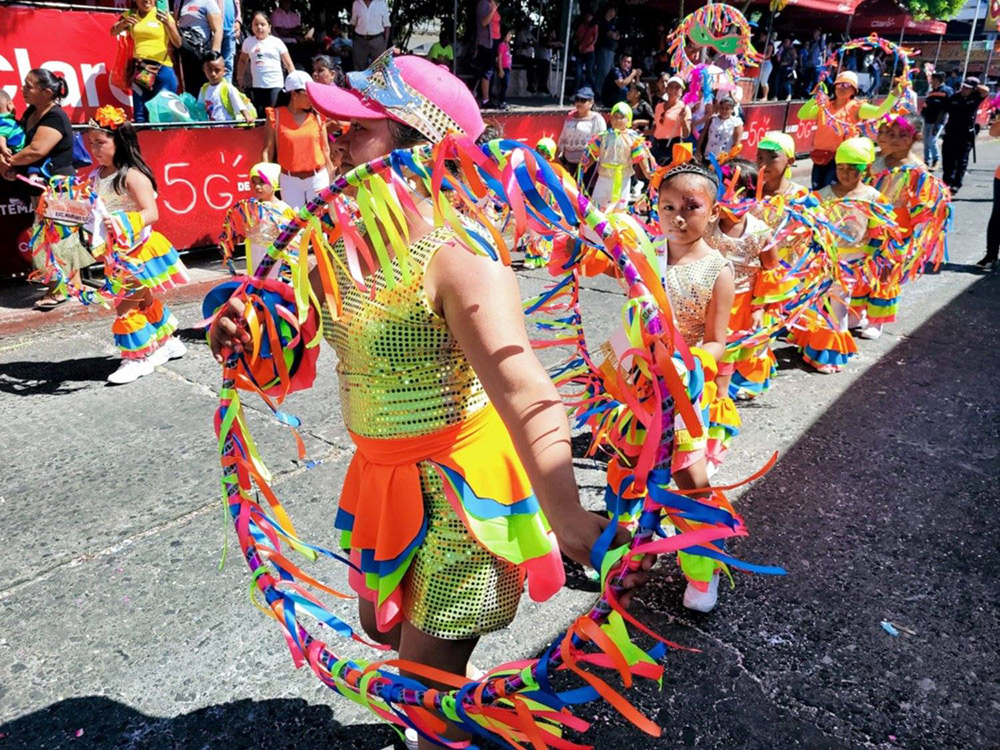
The municipal government of Mazatenango, in the department of Suchitepéquez, Guatemala, has cancelled the city’s traditional Carnival as a security measure aimed at protecting visitors and residents.
The decision was announced on Tuesday through the municipality’s official Facebook page and comes as a preventive action amid the state of siege declared by the national government last Sunday.
The Mazatenango Carnival, one of the country’s most emblematic festivities, boasts more than 140 years of traditionand typically draws large crowds from across Guatemala and neighboring regions. Its program usually includes parades of floats, the traditional “Rabbit Race,” street dancing and live music, concerts, and cultural events in the Central Plaza.
According to the official statement, the cancellation responds to the current security context and the restrictions associated with the state of siege, prioritizing public safety.
Municipal authorities clarified that the scheduled concert by La Arrolladora Banda El Limón will still take place separately and will be the sole responsibility of the private production company, independent of the cancelled carnival activities.

Spain’s irregular migrant population rises to 840,000, study finds

Historic snowstorm paralyzes Toronto after 60 centimeters of snow

Venezuela frees at least 80 political prisoners, NGO says
Tec de Monterrey honors one of its students for his contribution to nanotechnology in medicine

Defense Minister commends salvadoran soldier for Central American Cross Country victory

Extension of the state of emergency approved in southern Chile
-
 Central America4 days ago
Guatemala’s president rules out negotiations with inmates after prison riots
-
 Internacionales4 days ago
Major winter storm threatens “catastrophic” ice and snow across much of the U.S.
-
 International3 days ago
Trump-Era Defense Plan Prioritizes Border Security and Scales Back Global Commitments
-
 Central America24 hours ago
Guatemala seizes over a ton of cocaine hidden in flour at Pacific port
-
 International3 days ago
Bogotá and Quito Seek Dialogue After Tariffs and Power Cut Escalate Tensions
-
 International4 days ago
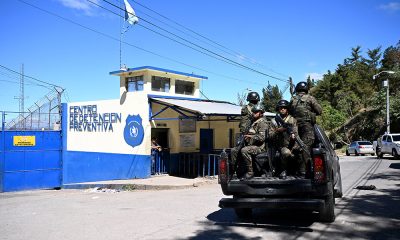
Guatemala considers sending high-risk gang members to military prisons
-
 International2 days ago
Delcy Rodríguez seeks political agreements after Maduro’s ouster
-
 International2 days ago
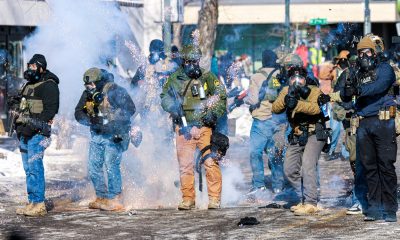
Federal immigration agents kill man in Minneapolis, sparking protests and outrage
-
 International4 days ago
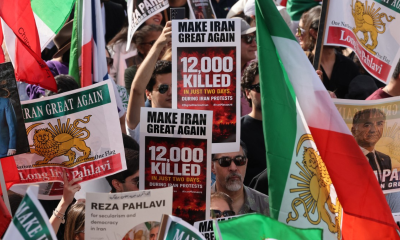
Rights group says over 5,000 killed in Iran protests, mostly civilians
-
 International23 hours ago
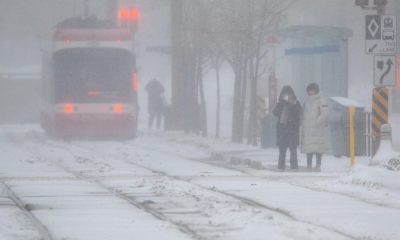
Historic snowstorm paralyzes Toronto after 60 centimeters of snow
-
 International23 hours ago
Spain’s irregular migrant population rises to 840,000, study finds
-
 International24 hours ago
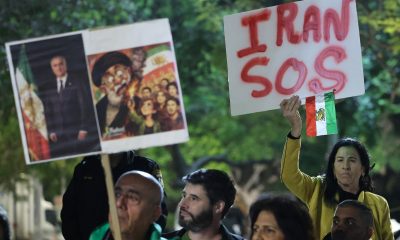
Rights group says nearly 6,000 killed in Iran protest crackdown
-
 International24 hours ago
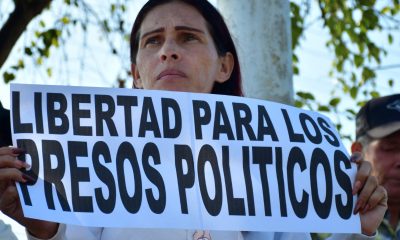
Venezuela frees at least 80 political prisoners, NGO says
-

 International24 hours ago
EU launches new probe into X over AI-generated fake nude images
-

 International1 day ago
France debates ban on social media for children under 15
-

 International24 hours ago
Severe winter storm grips U.S., leaves multiple dead as extreme cold persists