
Central America
Guatemala acknowledges state responsibility in 1980 spanish embassy massacre
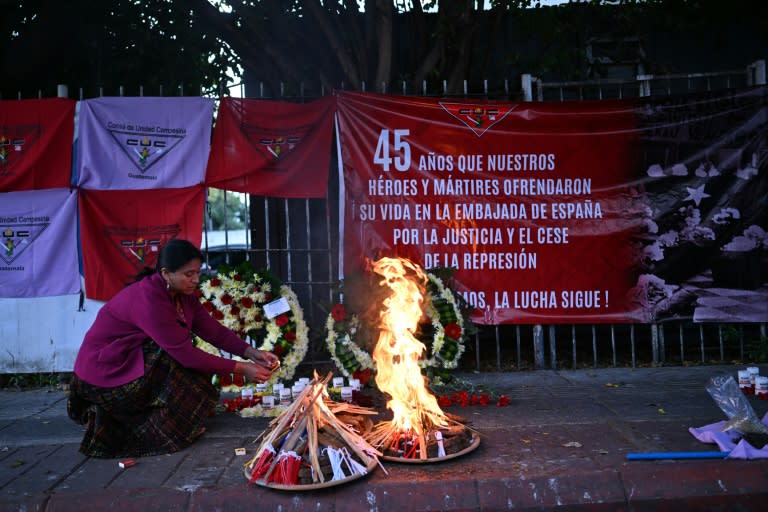
The Guatemalan government acknowledged on Friday its responsibility for the 1980 assault and fire at the Spanish Embassy, carried out by security forces during the country’s civil war (1960-1996), which left 37 people dead.
“In memory of the victims and their dignity, the Government of Guatemala recognizes state responsibility for this crime against humanity,” reads a golden inscription on a green marble plaque, unveiled by the Presidential Commission for Peace at the former site of the diplomatic mission in the capital.
On January 31, 1980, military and police forces stormed the embassy, which had been occupied hours earlier by Maya leaders and students protesting against human rights abuses committed in the fight against leftist guerrillas. During the raid, a devastating fire broke out inside the building.
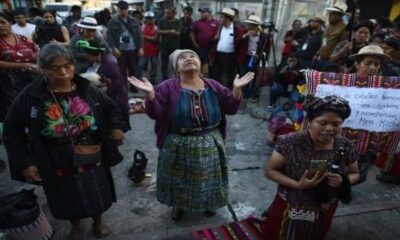
At the site where the embassy once stood, a group of Indigenous Maya leaders held an ancestral ceremony to honor the victims. Additionally, peasant and human rights organizations issued a statement lamenting that the root causes of the armed conflict—racism, exploitation, inequality, and land dispossession—remain unresolved.
Among the 37 people killed were Spanish consul Jaime Ruiz del Árbol, former Guatemalan Vice President Eduardo Cáceres, former Foreign Minister Adolfo Molina, and Vicente Menchú, father of Nobel Peace Prize laureate Rigoberta Menchú and a prominent Maya leader.









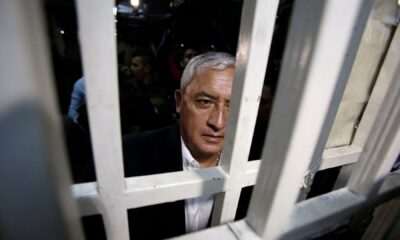
In 2015, a Guatemalan court sentenced Pedro García Arredondo, the former head of a special command unit of the now-defunct National Police, to 90 years in prison for his role in the attack. His unit was responsible for carrying out repressive actions and forced disappearances of political opponents.
Guatemala’s 36-year civil war resulted in approximately 200,000 deaths and disappearances, according to official reports.







































Central America
U.S. Authorities Accuse Guatemalan Nationals of Using False Information to Sponsor Migrant Minors
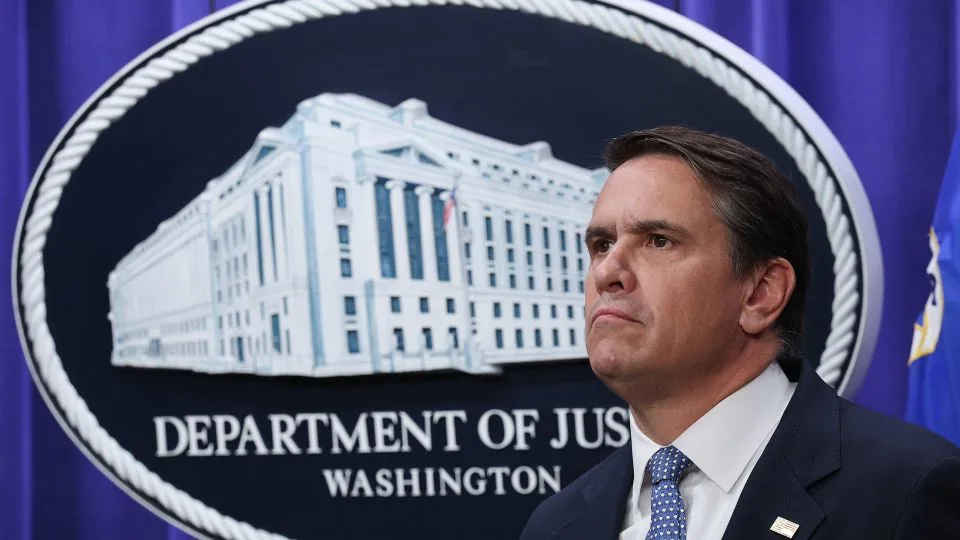
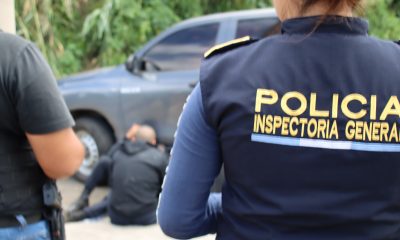
Senior officials from the U.S. Department of Justice and the Department of Homeland Security announced Thursday criminal charges against three Guatemalan citizens accused of using false information to sponsor migrant children who crossed the U.S.-Mexico border without a parent or guardian.
According to an indictment filed in Ohio, Maritza Cahuec Coc allegedly submitted at least 12 sponsorship applications, several of which were filed under aliases or contained materially false statements intended to secure custody of the minors.
Under U.S. procedures, unaccompanied migrant children apprehended at the southern border are placed in the custody of the Department of Health and Human Services, which is responsible for their care until they can be released to a qualified sponsor, such as a parent or relative living in the United States.
Prosecutors allege that Cahuec Coc, who reportedly entered the United States illegally in 2018, received payments between late 2020 and 2023 for helping bring 12 migrant minors into the country. Authorities claim she submitted fraudulent documents and misleading information to obtain approval for the sponsorship requests.
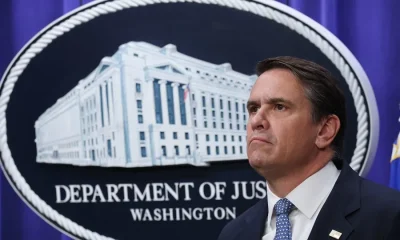
The case was announced during a joint press conference led by Acting Deputy Attorney General Todd Blanche and Homeland Security Secretary Markwayne Mullin. However, officials provided limited details about the investigation and instead focused much of their remarks on criticizing immigration policies implemented under the previous administration.
Republican lawmakers and Trump administration officials have frequently pointed to the increase in unaccompanied migrant children arriving at the U.S.-Mexico border during President Joe Biden’s term, arguing that the government failed to adequately oversee their care and placement.
During Thursday’s briefing, A. Tysen Duva, Assistant Attorney General for the Justice Department’s Criminal Division, alleged that Cahuec Coc used the identities of other individuals and falsely claimed family relationships in order to obtain custody of the children.
“Maritza submitted sponsorship applications using other people’s identities and falsely represented that the minors were the children of close relatives in order to secure their release,” Duva said.
The case remains under investigation, and federal authorities have not yet disclosed additional information regarding the other two Guatemalan nationals charged in connection with the alleged scheme.
Central America
Bukele Tops Latin America’s Presidential Approval Ranking in June, Survey Finds
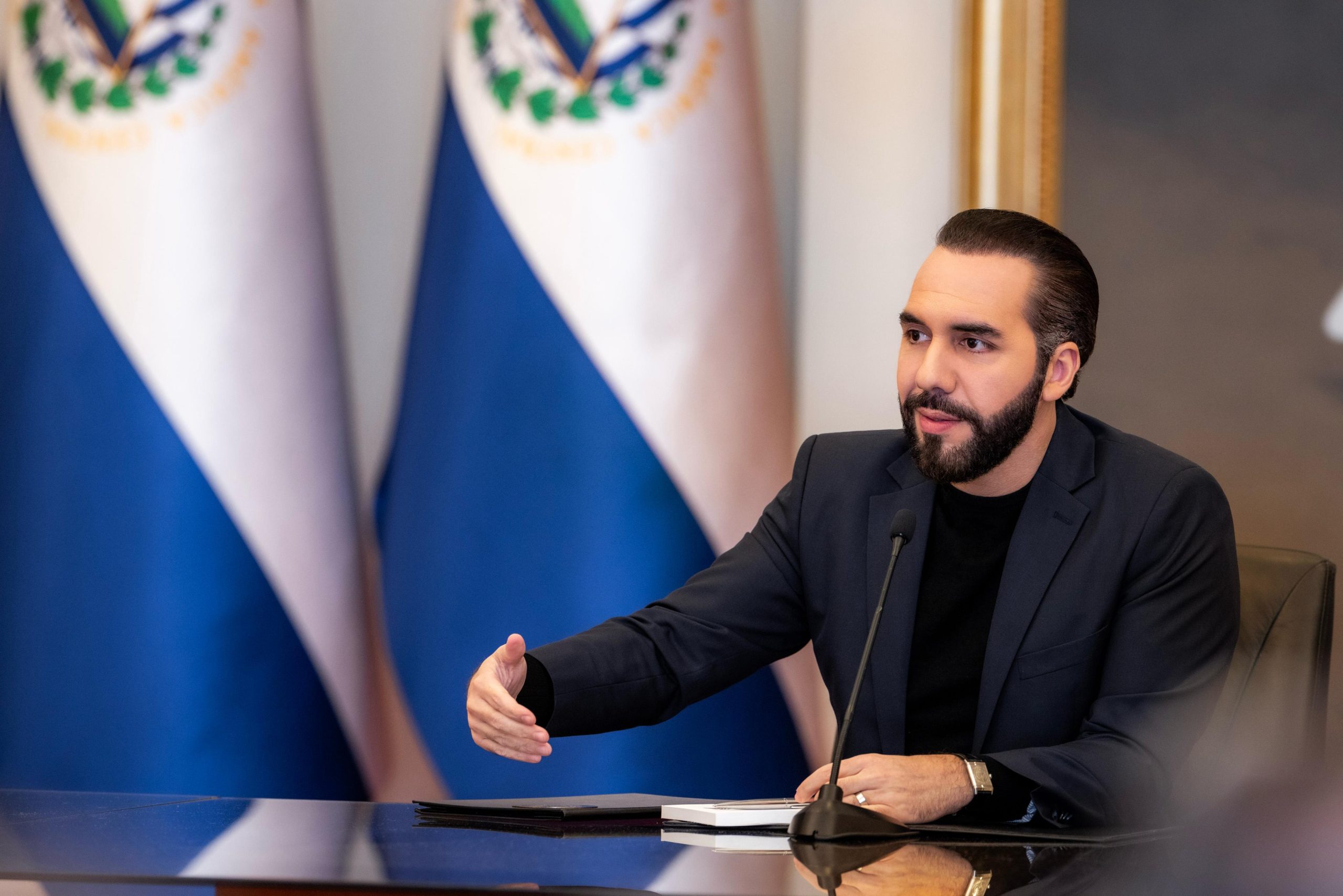
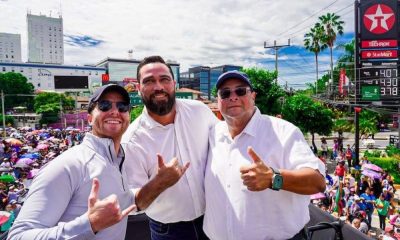
President Nayib Bukele of El Salvador, President Claudia Sheinbaum of Mexico, and President Laura Fernández of Costa Rica are the three highest-rated leaders in Latin America, according to the latest June 2026 presidential approval survey conducted by CB Global Data. The study places Peru’s interim president, José María Balcázar, at the bottom of the regional ranking.
Bukele leads the list with a 69.1% approval rating and a 27.6% disapproval rate, improving on the 67.5% positive image recorded in May. The Salvadoran president has maintained a state of emergency since March 2022 as the cornerstone of his anti-gang security strategy, a policy that continues to shape public perceptions of his administration.
Sheinbaum, Mexico’s first female president, ranks second with a 65.5% approval rating and 31% disapproval. Although she remains among the region’s most popular leaders, her support declined from the 67.8% approval registered in May.
Completing the top three is Costa Rican President Laura Fernández, who recently assumed office and now records a 56.1% favorable rating against 37.1% negative opinion. Her approval has risen significantly from the 52.7% reported a month earlier.
At the opposite end of the ranking is Peru’s interim president, José María Balcázar, who received only 18.2% positive approval while 71.7% of respondents expressed a negative view of his administration. Despite remaining last in the survey, he showed a slight improvement compared to previous measurements.
Second from the bottom is Venezuela’s acting president, Delcy Rodríguez, with a 29.5% approval rating and 64.8% disapproval. Nevertheless, she registered the largest increase in positive perception among all leaders surveyed, gaining more than five percentage points compared with the previous month.
Guatemalan President Bernardo Arévalo rounds out the group of lowest-rated leaders, posting a 33.1% approval rating against 63% disapproval. His support level declined from 36.9% in May.
Just outside the top three is President Luis Abinader of the Dominican Republic, who achieved a 54.8% approval rating and 42.2% disapproval, despite a decline from the 60.2% support recorded a month earlier.
Paraguayan President Santiago Peña follows with a 48.3% favorable rating and 48.2% disapproval, improving slightly compared with May. Meanwhile, Brazilian President Luiz Inácio Lula da Silva ranks sixth with a 47.6% approval rating and 48.1% disapproval, down from 49.5% the previous month. Lula is expected to seek another term in Brazil’s presidential election scheduled for October 2026.
Bolivian President Rodrigo Paz fell to seventh place after experiencing the largest decline in the survey. His approval rating dropped to 46.4%, while disapproval climbed to 52.3%, representing a loss of more than nine percentage points compared with May.
The CB Global Data survey, conducted across 18 Latin American countries, reflects shifting public sentiment toward regional leaders and highlights the growing influence of Central American presidents among the continent’s most highly rated governments.
Central America
Civil Protection Reports Dozens of Weather-Related Incidents Following Weekend Storms
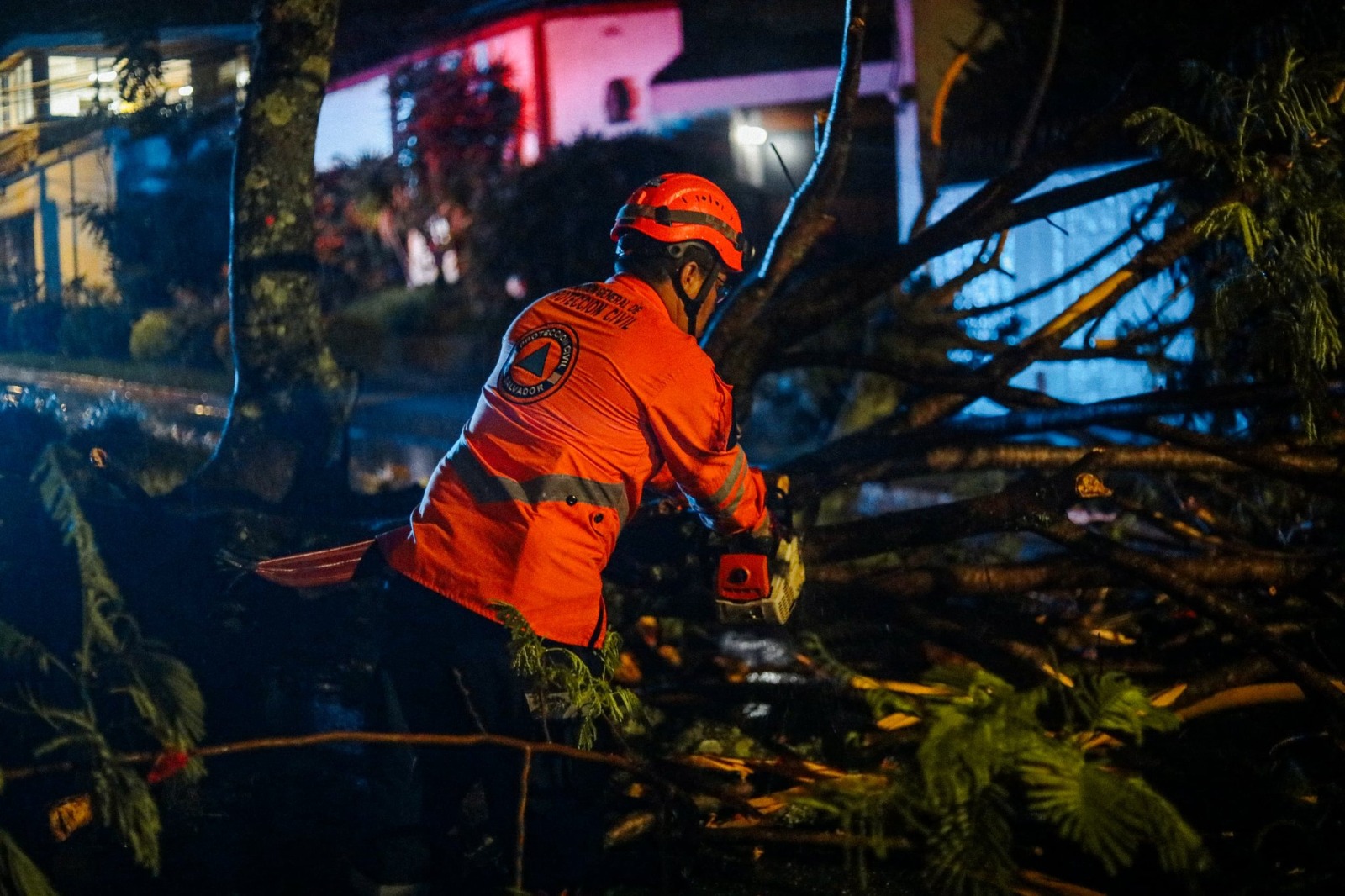
El Salvador’s National Director of Civil Protection, Luis Amaya, on Monday presented a preliminary assessment of the impacts caused by heavy rainfall recorded between June 5 and June 7, which was linked to a low-pressure system that generated intense precipitation across parts of the country.
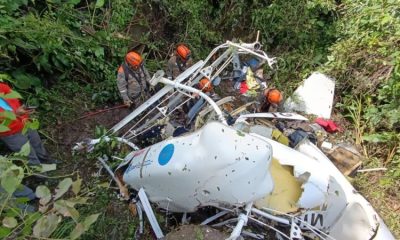
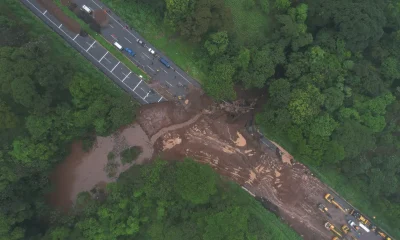
According to the report, authorities responded to five landslides, 38 fallen trees, 34 blocked roads, and 55 flooded homes. Officials also recorded three houses with minor damage, six urban flooding incidents, and 11 vehicles affected by floodwaters.
The severe weather also caused two rivers in the department of Santa Ana to overflow, increasing concerns about potential flooding in nearby communities.
Authorities urged residents to exercise caution when crossing rivers and streams, warning that water levels can rise suddenly even if rainfall is not occurring in the immediate area. Officials noted that precipitation upstream can rapidly increase river flow and create dangerous conditions.
Amaya stated that all institutions within the National Civil Protection System remain fully activated and prepared to respond to emergencies generated by the ongoing weather conditions.
Public Works Minister Romeo Rodríguez said the government has more than 1,300 pieces of equipment available to clear roads and respond to infrastructure-related emergencies.
“We are ready to ensure that the country’s roads remain accessible. We will be monitoring conditions closely to keep highways and roads open,” Rodríguez said.
The minister also renewed calls for the public to avoid throwing garbage onto streets and drainage systems, stressing that improper waste disposal contributes significantly to urban flooding, particularly in densely populated areas.
Authorities continue to monitor weather conditions as forecasts indicate the possibility of additional rainfall in the coming days.


Mexico and U.S. Launch New Bilateral Security Group to Combat Fentanyl and Organized Crime

‘El Chapo’ Guzmán again asks Mexican president to seek his return from U.S. prison

Energy chief says U.S. will restore Gulf oil shipments and refill strategic reserves
Tec de Monterrey honors one of its students for his contribution to nanotechnology in medicine

Defense Minister commends salvadoran soldier for Central American Cross Country victory

Extension of the state of emergency approved in southern Chile
-
 Sin categoría3 days ago
Energy chief says U.S. will restore Gulf oil shipments and refill strategic reserves
-
International4 days ago
U.S. Launches Military Strikes on Iran Following Apache Helicopter Incident
-
 International3 days ago
‘El Chapo’ Guzmán again asks Mexican president to seek his return from U.S. prison
-
 International4 days ago
MS-13 Member Sentenced to 35 Years for Fatal Subway Killing in New York
-
 International4 days ago
U.S. Halts Military Action Against Iran Amid Diplomatic Breakthrough
-
 International4 days ago
Iván Cepeda Open to Revising Colombia’s Peace Policy Ahead of Runoff Election
-
 International2 days ago
Mexico and U.S. Launch New Bilateral Security Group to Combat Fentanyl and Organized Crime
-
 Central America4 days ago
U.S. Authorities Accuse Guatemalan Nationals of Using False Information to Sponsor Migrant Minors