
Central America
Nicaragua threatens Costa Rica, Guatemala, Panama and R. Dominican Republic for impasse in the SICA
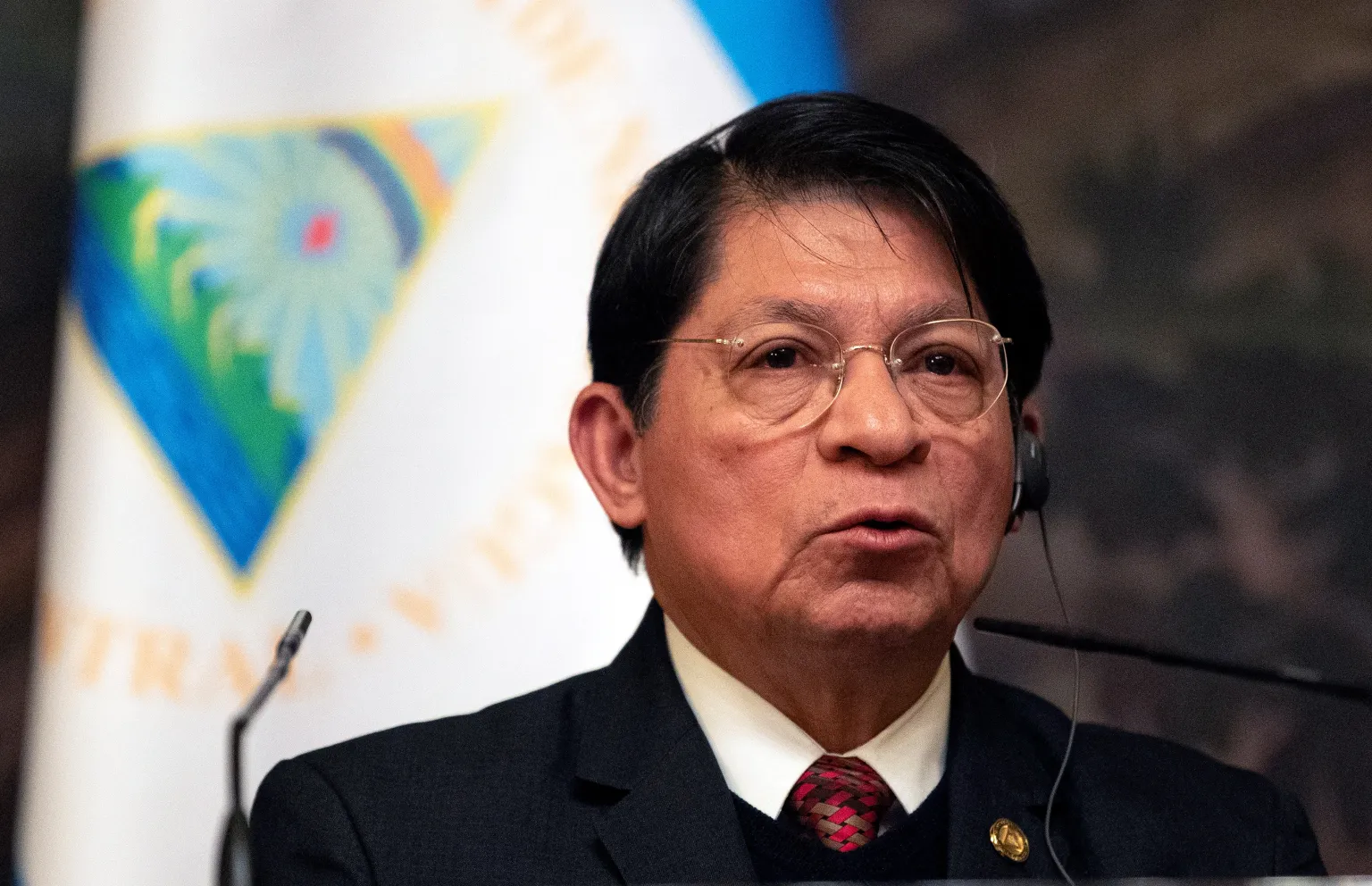
Nicaragua threatened Costa Rica, Guatemala, Panama and the Dominican Republic with taking “some measures” against them for opposing the election of former Nicaraguan Chancellor Denis Moncada as the new secretary general of the Central American Integration System (SICA), according to an official statement released this Friday.
“We have received your disrespectful and taxing Joint Note of today, November 28, 2024, which highlights its continuous, illegal and inappropriate blockade of Nicaragua, according to all the Treaties and Regulations governing the Central American Integration System,” said Nicaraguan Foreign Minister Valdrack Jaentschke, in a note addressed to his colleagues from Costa Rica, Guatemala, Panama and the Dominican Republic, and to all SICA Governments.
“In the face of this unusual insubordination of Governments and Foreign Ministrys that do not respond to the Law that governs us according to the Jurisprudence of our System, Nicaragua is considering some measures that we will communicate in a timely manner, on the contempt in which the countries subscribing to the Note have shamefully fallen, which also deny, absolutely and insanely, the power of our country to designate our own candidates,” he continued.
According to Jaentschke, former Chancellor and retired general Denis Moncada “has had and has the recognition of Governments, peoples and countries of the World, recognition and respect that cannot be ignored and / or denied by those who subscribe to this absurd communication.”
They invite you to reconsider
“We call for reconsideration of what we consider to contravene all the Presidential Agreements that have governed and govern the SICA, including the national sovereignty of our countries,” urged the Nicaraguan Foreign Minister.











Referring to the note from Costa Rica, Guatemala, Panama and the Dominican Republic, Jaentschke indicated that it “exhibits a denialist, exclusionary and discriminatory position, which is unacceptable from all points of view and that we are forced to denounce.”
Three weeks ago, the Government chaired by Daniel Ortega proposed a new tern of candidates as the new general secretary of the SICA, headed by former Chancellor Moncada, and also integrated by the Sandinista deputy Arling Patricia Alonso Gómez, and the Minister of the Family, Johana Flores, after two previous ternas presented did not reach consensus.
The previous terna was composed of Deputy Alonso; the Minister of the Interior, María Amelia Coronel Kinloch, and the presidential advisor for health issues and former Minister of Health, Sonia Castro, all sanctioned by the United States and in Castro’s case also by Canada, the European Union, the United Kingdom and Switzerland, for violation of human rights.
The first terna, presented on November 16, 2023, was headed by Jaentschke himself and included Violeta Irías Nelson, from the Attorney General’s Office for the Defense of Human Rights, and the official deputy Irís Marina Montenegro Blandón.
One year without the General Secretary of the SICA
Nicaragua, which holds the temporary presidency of that body, had convened an extraordinary meeting of the Council of Ministers of Foreign Affairs of the SICA for last November 15 “in order to advance in this process”, present the new terna and interview the candidates proposed by Managua, which was not held due to lack of consensus.
The General Secretariat of the SICA has been vacant since in mid-November 2023 the Nicaraguan lawyer Werner Vargas resigned from the position for the period 2022-2026, for which he was appointed as a proposal for Nicaragua.
Nicaragua has also denounced and rejected the “usurpation” of the General Secretariat of the SICA by an “Executive Directorate” of that body, which according to Managua has asked the governments of the region “to analyze a proposal for a work agenda and a draft budget of a General Secretariat that does not exist because it is unbrainering.”
The SICA, created in Tegucigalpa in 1991, is integrated by Belize, Costa Rica, El Salvador, Guatemala, Honduras, Nicaragua, Panama and the Dominican Republic as full members, while Mexico, the United States and other countries have the category of regional observers.










Central America
Panama launches anti-drone measures as prison security crisis deepens
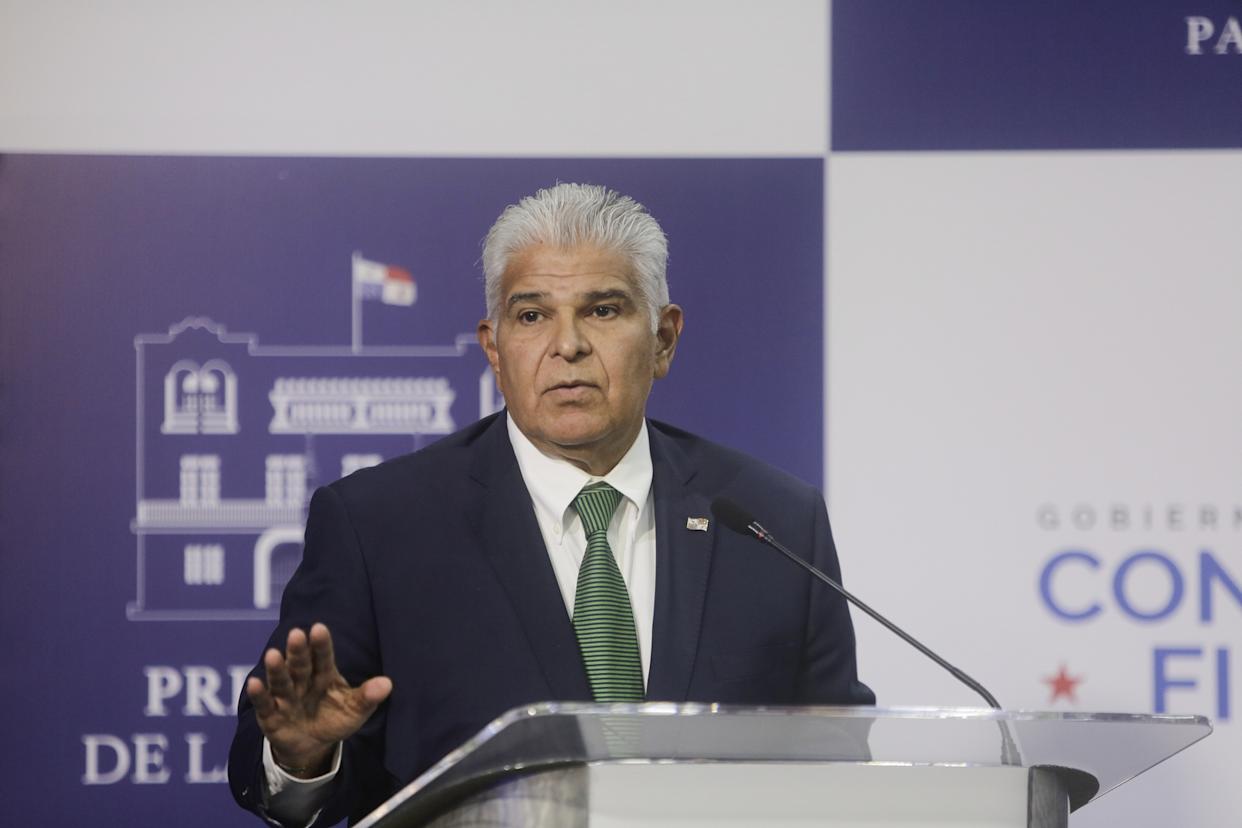
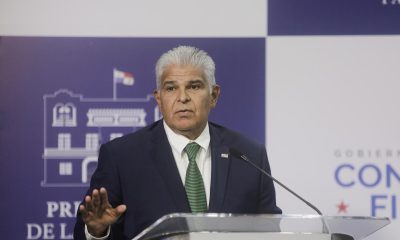
Panama will restrict airspace around its prisons to prevent drones from delivering drugs and weapons to inmates, President José Raúl Mulino announced Thursday as his administration moves to address a growing prison security crisis.
The measure is part of a broader strategy that includes the construction of a new penitentiary designed to isolate gang leaders, according to the president.
“We are implementing an airspace blocking system so that drones can no longer fly over the prisons,” Mulino told reporters during a visit to the province of Bocas del Toro.
The system was tested last week with the aim of preventing drones from nearby areas from being used to transport or drop drugs inside correctional facilities, the president added.
Panama’s prison system has faced increasing pressure following the escape of nearly 200 inmates from La Joyita prison, located near Panama City, on January 1. Most of the prisoners have since been recaptured.
The security situation gained further attention after the escape and the June 17 killing of a 10-year-old girl in the capital, who was caught in a hit attack targeting her stepfather.
Following the La Joyita prison break, Mulino said the country’s penitentiary system had “collapsed” and announced last week, during his annual government report, plans to build a facility aimed at separating high-ranking gang members from the general prison population.
“The system collapsed, not only because of organization but because of corruption. All the drugs and weapons that enter prisons pass through a door, and there is someone — whether a prison guard or a member of the national police — who allows them to enter,” Mulino said Thursday.
Panama recorded a homicide rate of 14.2 per 100,000 inhabitants in 2025. However, the Caribbean province of Colón registered a rate three times higher than the national average.
Meanwhile, the country’s prisons currently hold around 24,000 inmates, despite having capacity for only 14,700, according to official figures.
Central America
Regional Naval Operations Strike Drug Cartels, Disrupting Cocaine and Weapons Trafficking Routes
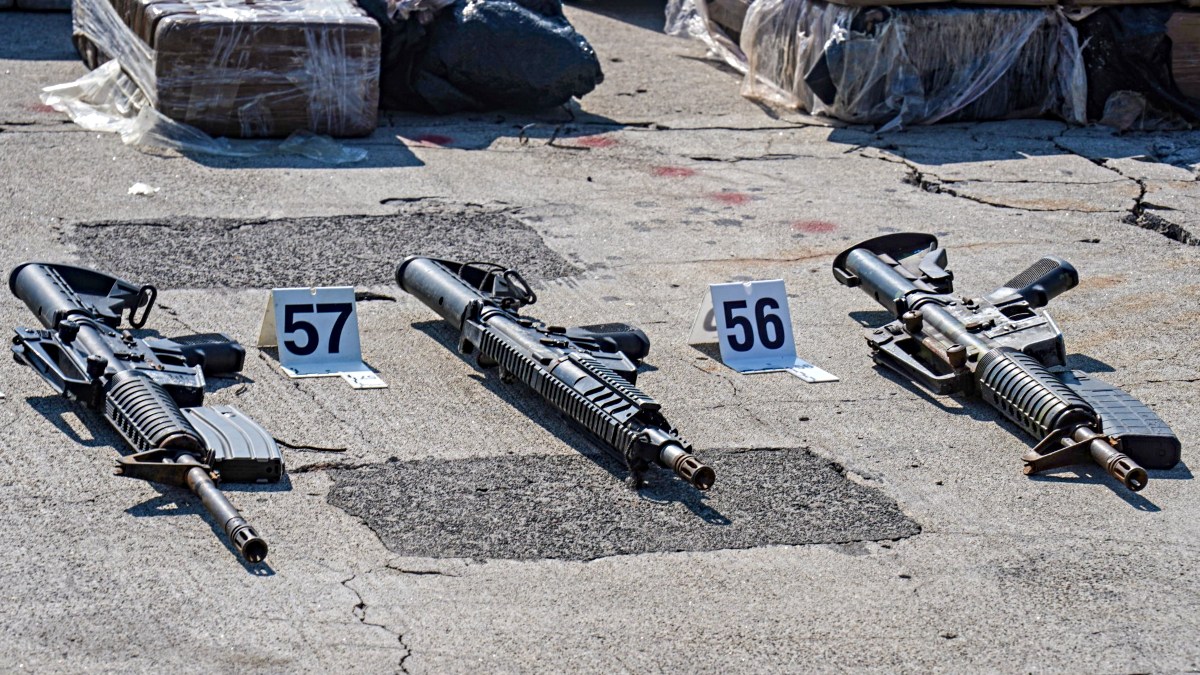
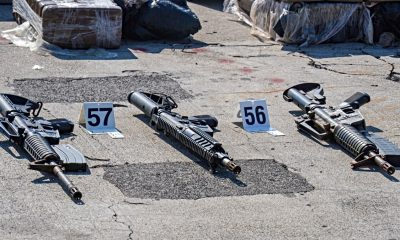
Transnational operations carried out by regional naval forces, including El Salvador’s National Navy, the United States Coast Guard, and Mexico’s Secretariat of the Navy (SEMAR), have dealt significant blows to international drug trafficking organizations.
The operations have not only led to the seizure of massive cocaine shipments, such as the 6.68 metric tons of cocaine valued at approximately $167 million presented last Wednesday by El Salvador’s Security Cabinet, but have also resulted in the confiscation of high-powered weapons allegedly intended as payment to criminal organizations, according to Security Minister Gustavo Villatoro.
“Based on the strength of the data, not just the narratives, we can state that our National Navy has documented the only known operation in the Pacific Ocean in which a criminal organization from the south was transporting drugs and exchanging them with a group from the north for firearms,” Villatoro said.
The exchange of weapons for drugs between criminal groups in the Pacific Ocean represents a logistical method in which South American cartels from countries such as Colombia and Ecuador negotiate with Mexican and Central American organizations to trade military-grade weapons for cocaine shipments.
Regional naval authorities have identified that meeting points located farther from the coastline in international waters make it easier for armed groups to receive supplies and carry out exchanges undetected. As a result, El Salvador’s National Navy deploys teams from the Trident Naval Task Force (FTNT) aboard maritime patrol vessels to intercept these operations.
Initially, the patrol units are ordered to travel up to 200 nautical miles offshore, but later receive instructions from the Maritime Operations Center to extend their missions beyond 1,000 nautical miles, reaching coordinates used by drug trafficking vessels operating in the open sea.
“We cannot lose focus on the routes these criminal organizations use to move drugs,” Minister Villatoro said, emphasizing the importance of maintaining surveillance over the various maritime corridors used for narcotics trafficking.
Central America
Violent Killings of Women in Honduras Remain High During First Half of 2026
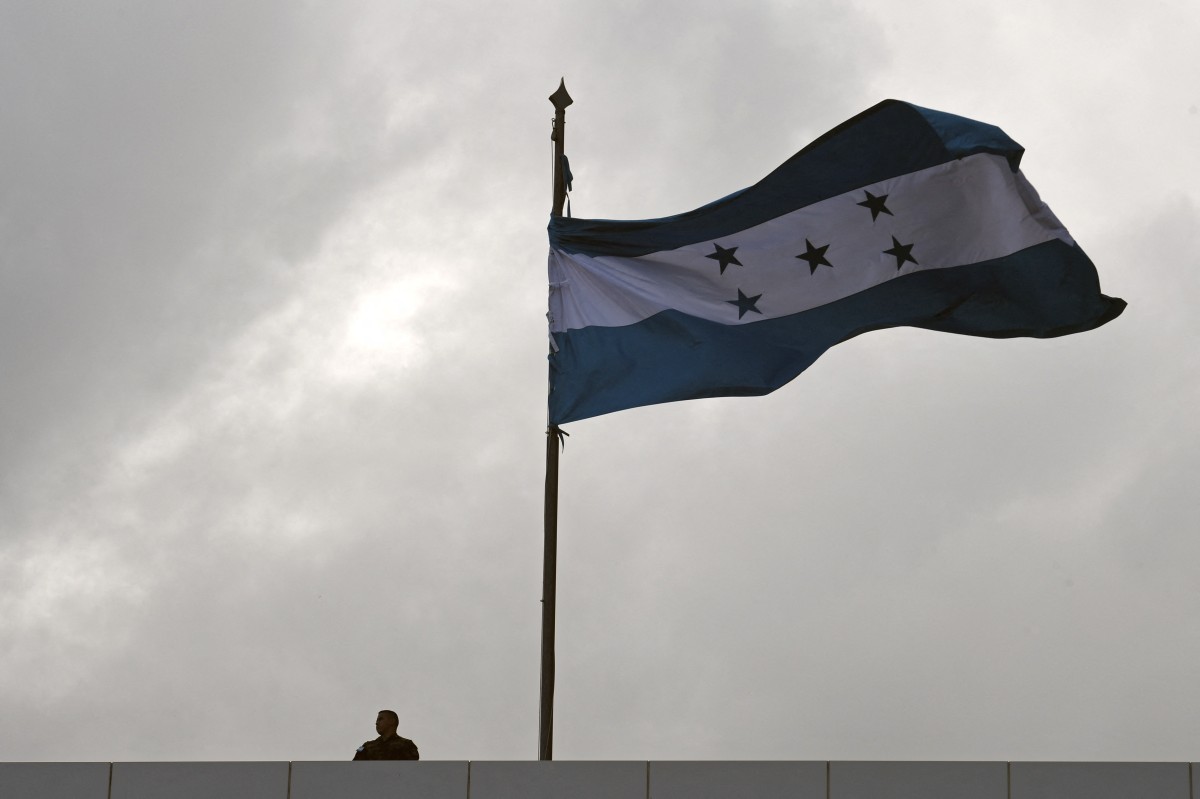
Violent deaths of women remain a major concern in Honduras, according to preliminary data released by the Violence Observatory of the National Autonomous University of Honduras.
Between January and June 2026, the country recorded 139 violent deaths of women, one more than the 138 reported during the same period in 2025.
The Observatory’s director, Migdonia Ayestas, said that although the increase is minimal, the figures confirm that violence against women remains a persistent problem.
“Violence against women is a serious issue. The ways in which they are being killed have become increasingly brutal and inhumane,” Ayestas said.
She explained that documented cases include dismemberment, beheadings, sexual assaults, and bodies abandoned in public places, acts that she said reflect the violence carried out by criminal organizations.
Ayestas stressed that the analysis should go beyond the number of victims and focus on the effectiveness of the justice system.
“We should not only count how many women are killed, but also how many cases are investigated, how many arrests are made, and how many reach the courts,” she said.
According to the Observatory, more than 8,000 women have died violent deaths in Honduras since 2005, leaving thousands of children orphaned.
Ayestas also called for stronger prevention efforts, improved education, and more effective criminal investigations to address the crisis. She argued that the current state of emergency alone has not been sufficient to dismantle criminal organizations or significantly reduce violence, emphasizing the need for comprehensive strategies to prevent these crimes and combat impunity.
The first-half figures for 2026 underscore that violence against women remains one of Honduras’ most pressing security and human rights challenges.

Venezuela Earthquake Death Toll Rises to 4,490 as Rescue Efforts Continue

Panama launches anti-drone measures as prison security crisis deepens

Tensions Escalate in Middle East as U.S. Bombs Iran After Maritime Attacks
Tec de Monterrey honors one of its students for his contribution to nanotechnology in medicine

Defense Minister commends salvadoran soldier for Central American Cross Country victory

Extension of the state of emergency approved in southern Chile
-
 International5 days ago
Wildfires Burn Nearly 7,800 Hectares in France as Extreme Heat Fuels Fire Risk
-
 Central America2 days ago
Panama launches anti-drone measures as prison security crisis deepens
-
 International5 days ago
UN Appeals for $296 Million in Emergency Aid Following Venezuela Earthquakes
-

 International4 days ago
Deadly Drug Trade Rivalry Suspected After Eight Bodies Discovered in Southern Mexico
-
 International5 days ago
USAR El Salvador Helps Rescue Dogs Trapped for 12 Days Beneath Earthquake Rubble
-
 Central America4 days ago
Regional Naval Operations Strike Drug Cartels, Disrupting Cocaine and Weapons Trafficking Routes
-

 International5 days ago
German Doctor Sentenced to Life for Murdering 15 Patients in Serial Killing Case
-
 International4 days ago
Tensions Escalate in Middle East as U.S. Bombs Iran After Maritime Attacks
-
 International10 hours ago
Venezuela Earthquake Death Toll Rises to 4,490 as Rescue Efforts Continue