
International
The Ibero-American Summit begins, the first without Latino presidents except the host
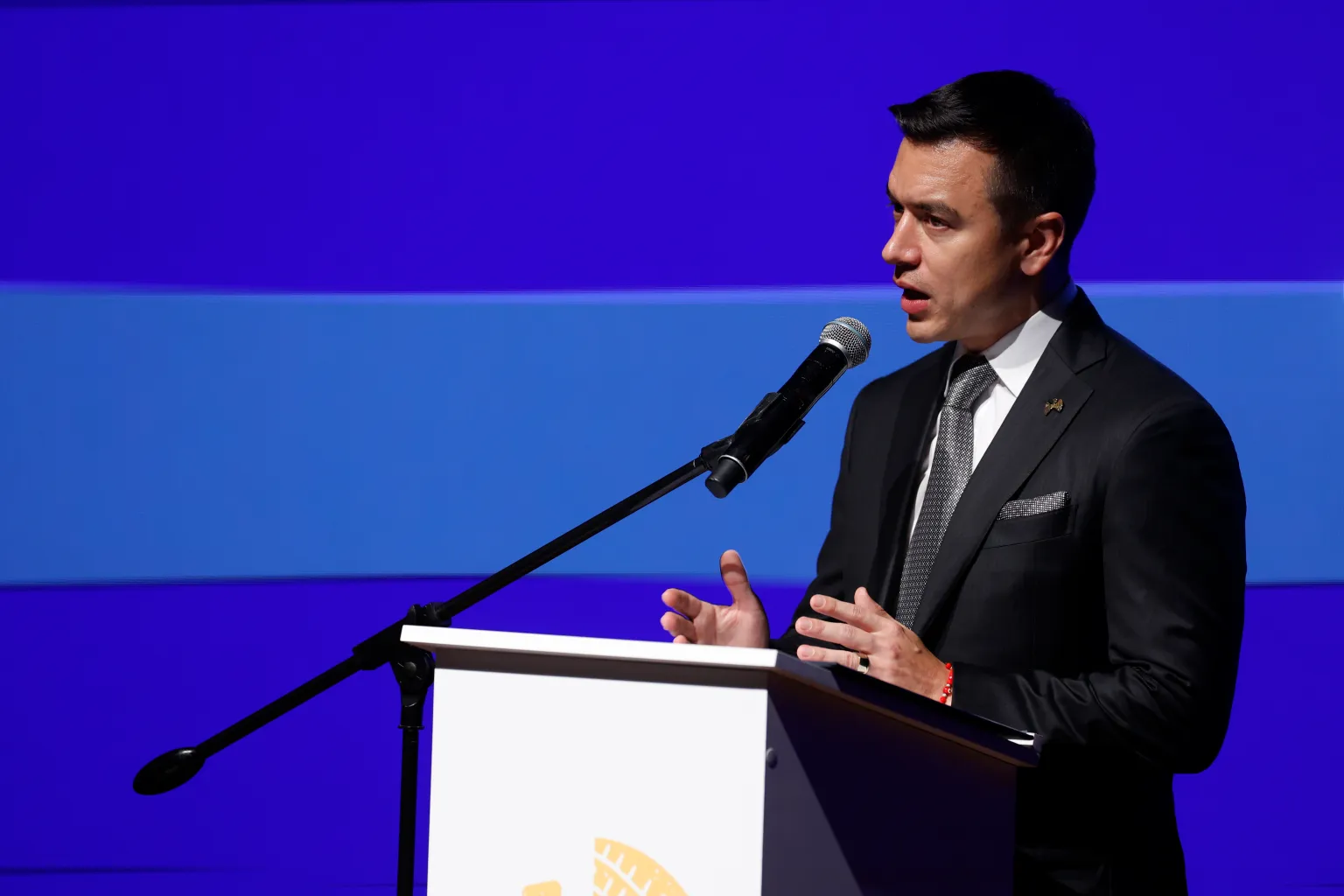
The XXIX Ibero-American Summit started this Friday in Cuenca (Ecuador) with the attendance of the lowest leaders in the history of this forum, which began in 1991, and without any president of Latin America, with the exception of the host, Daniel Noboa, an unprecedented fact in this series of meetings between the twenty-two countries of Ibero-America.
This event, whose motto is ‘Innovation, inclusion and sustainability’, only the King of Spain, Felipe VI; the president of Portugal, Marcelo Rebelo de Sousa, and the head of the Government of Andorra, Xavier Espot, arrived, while, in another unprecedented event, the chairs of three countries were empty: Mexico, Nicaragua and Venezuela, which maintain broken relations with Ecuador.
Ibero-American Summit in the midst of tensions
Despite the scarce presence of leaders, the delegations are working to adopt a declaration that includes the agreements reached during the preparatory meetings, especially in terms of cooperation, but the talks are encountering obstacles in countries opposed to gender policies and focused on the sustainable development objectives (SDGs), according to sources close to the negotiation.
Tensions also focused on Cuba’s disagreement with Argentina’s claim to remove from the declaration a condemnation of the United States blockade of the Caribbean country, according to other sources also consulted by EFE during the development of the meeting of foreign ministers.
Given the difficulty of achieving the unanimity necessary to issue a statement from this Summit, countries such as Spain, Costa Rica, Panama and Chile promoted a declaration supported by the vast majority of participants, which will not be an official document of the appointment.












Allamand asks for cohesion
“It would be absurd to ignore that the region is experiencing convulsive times,” admitted the Ibero-American Secretary General, Chilean Andrés Allamand, in his speech at the opening ceremony of the Ibero-American Summit.
The head of the Ibero-American General Secretariat (Segib) remarked that “the world needs more and not less multilateralism, cooperation and solidarity,” in a context where “politics is besieged by fragmentation and polarization.”
“The consequence of this is the great difficulty in generating consensus, which slows down the reforms that could lay new foundations of prosperity and coexistence,” said Allamand.
In that sense, he recalled that “the Ibero-American meeting allows us to distinguish us in a world in which conflicts explode, threats loom, injustices are perpetuated.”
“The Ibero-American meeting is the one that allows, in times of difference, to reach consensus, in times of fragmentation, to provide unity, in times of division and to promote cohesion,” while, “in times of difference, to take steps to argumentation, but not to exclusion.”
Thus, Allamand invited to “claim Ibero-America” and take advantage of “a work of more than 30 years in which the search for consensus has prevailed and in which advances have been generated with a real impact on people’s lives.” “This is not the time for resignation, but for ambition,” he added.
Noboa: “We carried out the Summit despite the conflicts”
For his part, Noboa said that his administration has worked to carry out this Summit, “despite all the internal and external problems and conflicts.”
The president, the youngest in Latin America, 36 years old, called for innovative solutions against transnational organized crime, climate change, the labor inclusion of young people, environmental protection, access to education and the strengthening of connectivity.
That is why he encouragered support for young people through job creation and vocational training, which in his opinion will open paths towards equitable economic growth.
“This will only be possible to achieve with the commitment of the business sector, as evidenced at the XV Ibero-American Business Meeting, which concluded this afternoon with the approval of the ‘Commitment to employability’,” Noboa celebrated at the Ibero-American Summit.
“The alarming unemployment rates make us an easy target for organized crime, which undermines the economic and social development of our nations. We must promote policies that encourage public-private investments and allocate resources to education to forge a better future for youth,” he concluded.
After the inauguration of the XXIX Ibero-American Summit, the forum will continue this Friday with the development of the plenary sessions, in which the Heads of State and Government will intervene, as well as the delegates of the other representations.










International
Mexican TikTok Influencer Shot Dead While Livestreaming in Sinaloa
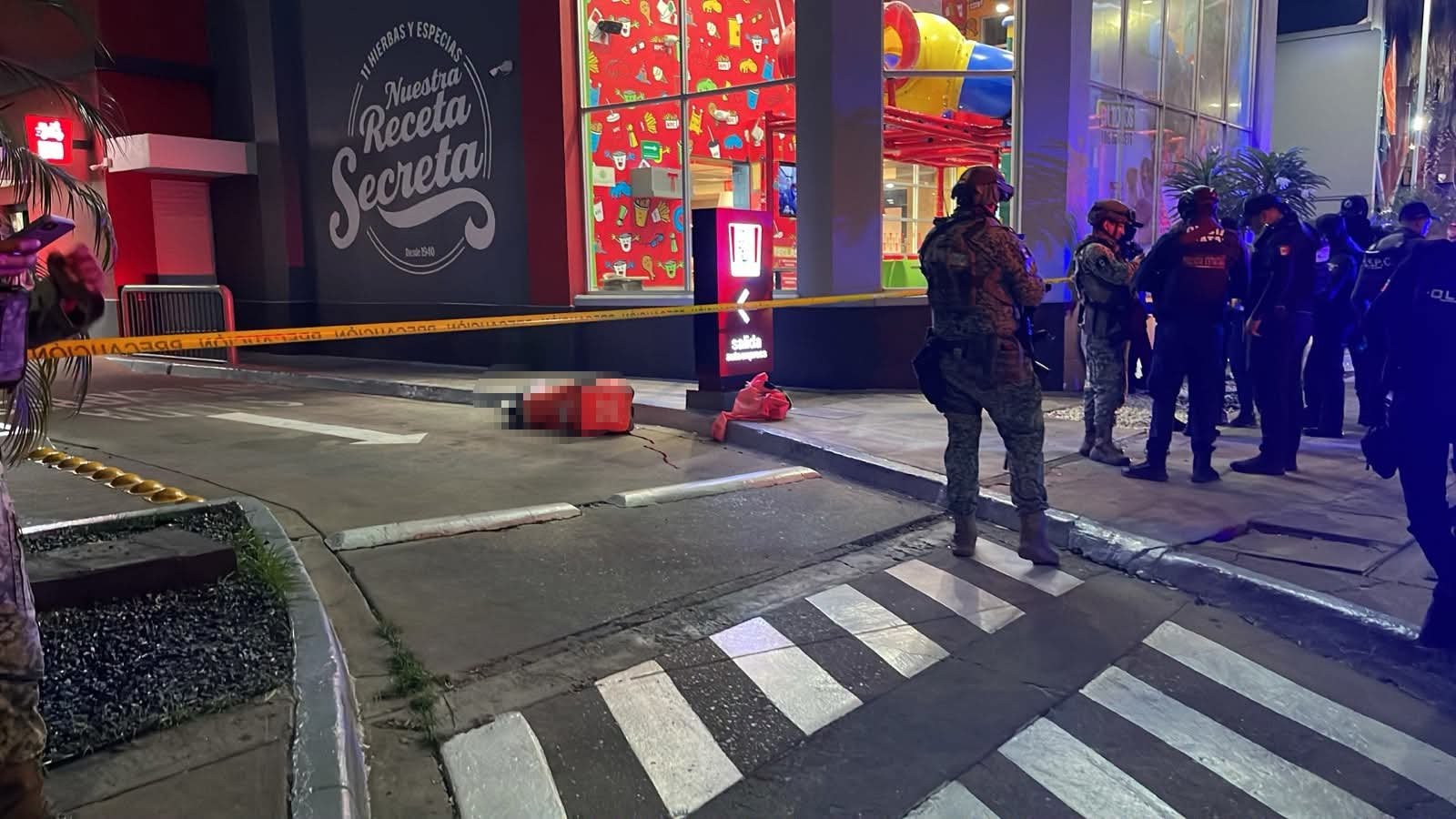
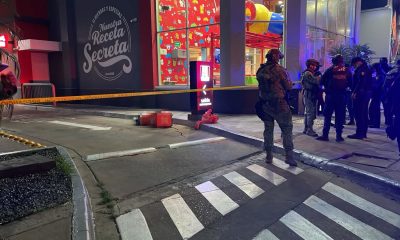
A Mexican influencer was shot dead Tuesday night while livestreaming on social media outside a restaurant in the violence-plagued state of Sinaloa, in northwestern Mexico.
César Gastelum, who had more than 500,000 followers on TikTok, was broadcasting live with two friends while taking part in a challenge in which they dressed as food delivery workers. During the livestream, a motorcycle carrying two individuals stopped beside them, and the driver shot Gastelum in the head.
The broadcast was interrupted immediately after the attack and was later removed by the platform. However, several news outlets preserved parts of the footage and shared images of the incident.
Initial reports from local police indicated that a delivery worker had been killed. However, after reviewing the recording and gathering witness statements, authorities identified the victim as Gastelum, who was approximately 25 years old, according to local media reports. The influencer was known for sharing lifestyle-related content.
The attack took place in a busy shopping area near the Sinaloa Attorney General’s Office in Culiacán, the state capital. Military and police forces were deployed to the scene, while forensic experts collected evidence and removed the victim’s body, according to local television reports.
Sinaloa has been experiencing a wave of violence for the past two years due to internal disputes within the powerful local drug cartel.
Local media have reported that around a dozen influencers, some allegedly linked to criminal groups, have been killed in recent years in the state.
International
Iran Rejects Negotiations With U.S. as Strait of Hormuz Remains Blocked Amid New Attack
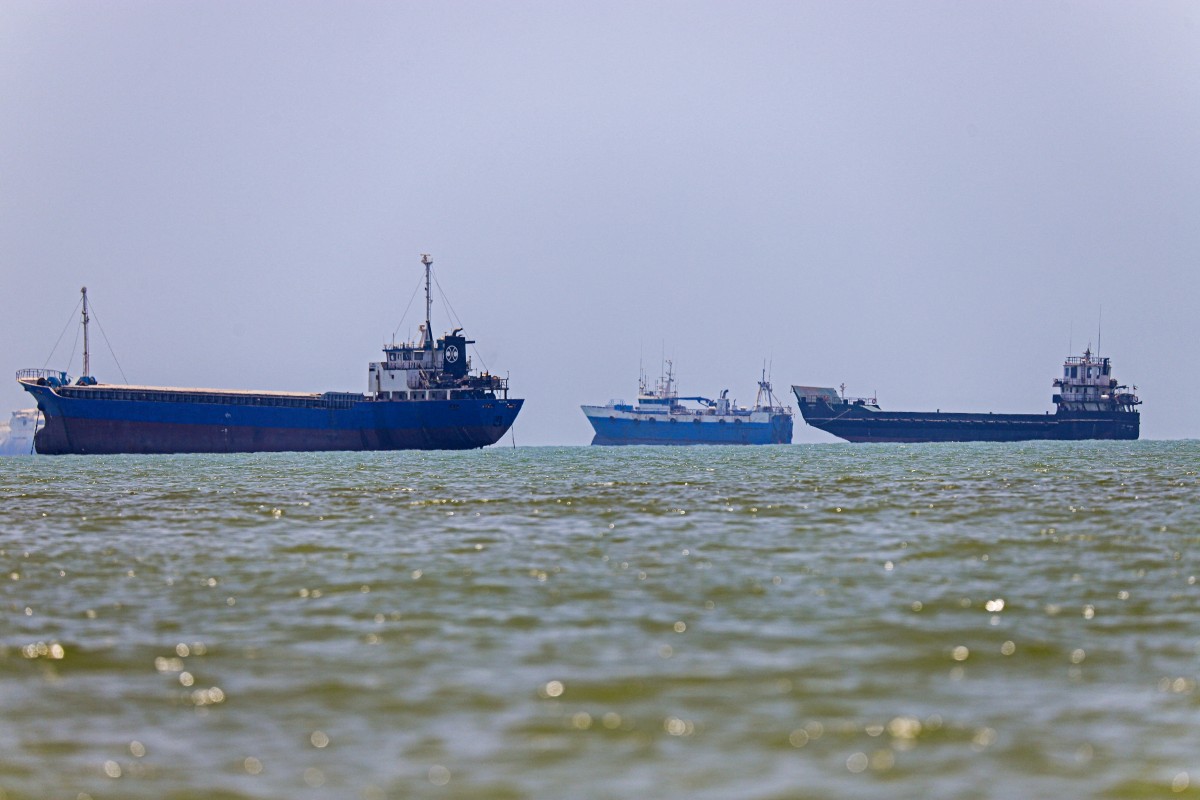
Tensions remained high in the Strait of Hormuz on Monday after a vessel was hit by a projectile, despite U.S. President Donald Trump’s claims that negotiations with Iran were moving forward and that the strategic maritime route could reopen as early as Tuesday.
Tehran denied that direct talks were taking place, but Trump insisted that discussions were underway and described the situation as a final opportunity for Iran to reach an agreement.
“This is the last chance they have to sign a good document,” Trump told reporters at the White House, adding that the reopening of the Strait of Hormuz could happen “literally tomorrow” Tuesday.
The comments came after another escalation in rhetoric from Washington. Last week, Trump threatened Iran with military strikes before unexpectedly changing course on Sunday and announcing that negotiations with Tehran would resume.
Iranian Foreign Ministry spokesman Esmail Baqai rejected the U.S. president’s version of events, stating that Tehran was not holding negotiations with Washington.
“At this moment, we are not negotiating with the United States. We are negotiating with Oman to guarantee safe passage through the Strait of Hormuz,” Baqai said.
Earlier, the Iranian official said that Tehran was close to reaching an agreement with Oman, which lies across the Strait of Hormuz, to reopen the crucial waterway that plays a key role in global energy trade.
The maritime route has remained blocked by Iran since the outbreak of hostilities following U.S. and Israeli strikes against the Islamic Republic on February 28.
Meanwhile, Yemen’s Houthi rebels announced Tuesday that they had launched an attack against an airport in Saudi Arabia. The Iran-backed group had previously disrupted the passage of Saudi vessels through the Red Sea, an alternative route used for crude exports by the world’s largest oil producer.
The continued instability in the region has raised concerns over global energy supplies, as the Strait of Hormuz remains one of the most important chokepoints for international oil shipments.
International
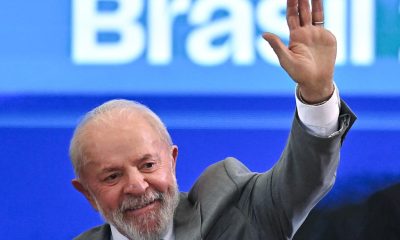
Lula Launches Re-Election Campaign Amid Rising Tensions With Trump
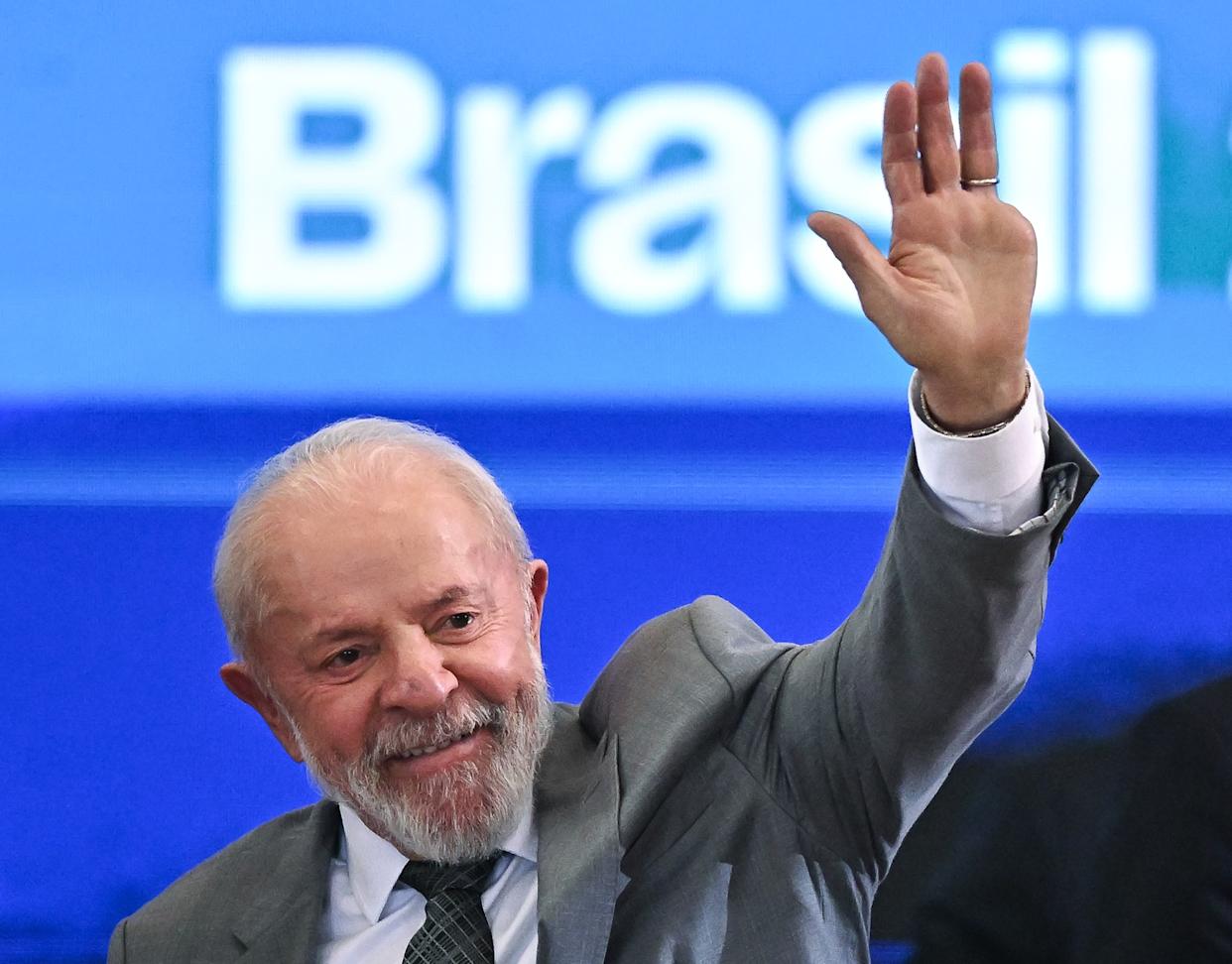
Brazilian President Luiz Inácio Lula da Silva is set to be officially nominated for re-election by his Workers’ Party (PT), marking the start of his campaign for a fourth presidential term.
The nomination takes place during the party’s national convention in São Paulo, Brazil’s economic hub, where around 3,000 supporters gathered to back the veteran leftist leader.
“Today I’m here because Lula’s policies changed my life and my family’s. Thanks to him, we finally own a home after eight generations without one,” said Cristiane Rosa Julho, a 51-year-old social worker attending the event dressed in the PT’s signature red.
Seeking the presidency for the seventh time in his political career, Lula is expected to face Senator Flávio Bolsonaro in next year’s election.
The 45-year-old senator is the son of former far-right President Jair Bolsonaro, who has been jailed over his alleged role in an attempted coup following his defeat to Lula in the 2022 election.
The party convention opened with videos highlighting Lula’s social initiatives and speeches by four women praising his leadership, while supporters waved PT flags and held signs reading “We Want Lula as President” and “Brazil Is Not for Sale.”
The campaign begins amid growing tensions with the United States and President Donald Trump, a close ally of the Bolsonaro family who has openly backed several conservative candidates across Latin America.
Last week, Lula warned against foreign interference, declaring, “In Brazil, we do not accept anyone sticking their nose where it doesn’t belong.”
In July, the United States imposed two rounds of tariffs on Brazilian products, accusing the country of unfair trade practices. The measures followed earlier restrictions introduced in 2025, encouraged by Jair Bolsonaro’s son Eduardo Bolsonaro, in response to legal proceedings against the former president.
Lula has vowed to wage what he called a “war of truth against lies” in response to Washington’s pressure and accused Flávio Bolsonaro of undermining Brazil’s interests by allegedly helping the United States damage the country’s economy. The senator has denied the accusations.
The Brazilian president also claims Washington is attempting to influence the country’s political landscape in an effort to prevent his re-election.

Guatemala Declares Highest Alert in Areas Affected by Fuego Volcano Eruption

Mexican TikTok Influencer Shot Dead While Livestreaming in Sinaloa

Iran Rejects Negotiations With U.S. as Strait of Hormuz Remains Blocked Amid New Attack
Tec de Monterrey honors one of its students for his contribution to nanotechnology in medicine

Defense Minister commends salvadoran soldier for Central American Cross Country victory

Extension of the state of emergency approved in southern Chile
-
 International5 days ago
EU Faces Migration Crisis After 60,000 Migrants Arrive in Spain’s Ceuta Enclave
-
 International1 day ago
Iran Rejects Negotiations With U.S. as Strait of Hormuz Remains Blocked Amid New Attack
-
 International3 days ago
Truck bomb attack near police station in Colombia leaves 14 injured ahead of presidential inauguration
-
 International2 days ago
Lula Launches Re-Election Campaign Amid Rising Tensions With Trump
-
 Central America6 hours ago
Guatemala Declares Highest Alert in Areas Affected by Fuego Volcano Eruption
-
 International7 hours ago
Mexican TikTok Influencer Shot Dead While Livestreaming in Sinaloa
-
 Central America1 day ago
U.S. Defense Secretary to Close Multinational Military Exercises in Panama to Protect Canal