
International
Russia breaks a new launch record of Iranian ‘Shahed’ drones against Ukraine
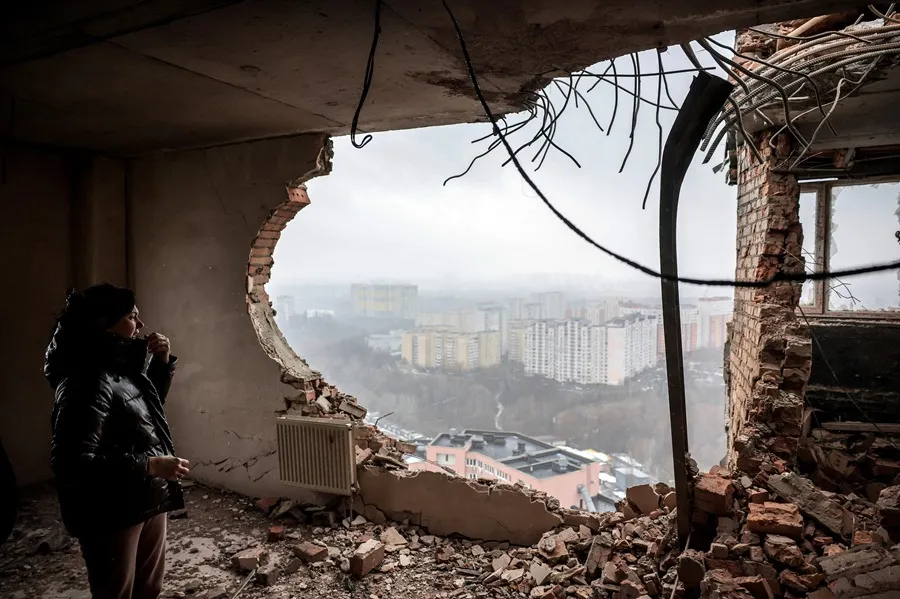
Throughout September, Russia launched 1,339 Iranian Shahed kamikaze drones against Ukraine, which represents a new record in the number of these unmanned aerial devices used against enemy territory since the beginning of the war, according to the publication of the Ministry of Defense of Ukraine, ArmyInform.
The previous record in the use of Shahed was reached in August of this year, when Russian forces launched about 800 drones of this type against Ukraine, according to the account of the social network X @ShahedTracker, which reports on the use of these Iranian devices.
The third month with the highest use of Shahed was September 2023, when the Russians fired 521 of these drones at Ukraine.
Russia doubles production
The most obvious factor that explains this increase in the use of Iranian suicide drones must be looked for in the expansion of Russia’s own production of this technology.
According to the military expert and editor-in-chief of the Ukrainian publication specialized in military affairs Defense Express, Oleg Katkov, Russia has already managed to produce in its factory in Tatarstan, a year in advance of the developed plan, the 6,000 units of these originally Iranian drones that it planned to manufacture until September 2025.











“Based on this, the enemy can launch up to 50 drones of this type daily, or even more,” Katkov told the Ukrainian media RBK.
According to the figures published by ArmyInform, Russia is already close to these numbers and used in September, when for the first month since the beginning of the war it did not stop launching a single day of Shahed against Ukraine, an average of 44 drones daily.
About one hundred percent interception
Ukraine intercepts practically all the Iranian drones that Russia launches against its territory. According to @ShahedTracker, Ukrainian air defenses managed to knock down or divert from their target with radio-electronic interference 94% of the devices that arrived in their airspace in August and September of this year.
Despite the high percentage of interceptions, the Shaheds continue to be a serious headache for the Ukrainian Army, which dedicates an increasing number of personnel and resources every night to prevent these drones that Russia launches in swarms from reaching their objectives, among which are usually electrical infrastructures.
When Russia launches them simultaneously with missiles, the mission of these Shahed swarms is to overwhelm Ukrainian air defenses so that they cannot respond to all the projectiles.
More drones lost due to interference
To avoid using anti-aircraft missiles that are much more expensive than drones for each of the downs, Ukrainian forces created mobile patrols equipped with lighter weapons that shoot the Shaheds to make them fall before reaching their targets.
Aware of the effectiveness of this method, the Russians now fly these drones at a higher height, so that conventional weapons cannot reach them until they begin their descent towards the target.
Ukraine has developed its own drones
According to the expert in radio-electronic warfare means Serguí Flesh, the Shahed have gone from flying at about 2 kilometers high to doing it at between 4 and 5 kilometers.
In response, the expert says on his Telegram channel, the Ukrainian Army has perfected the use of electronic interference means and makes an increasing percentage of Russian drones lose signal, allowing it to neutralize the Shaheds that fly higher without spending their most sophisticated ammunition to shoot them down.
In addition to defending itself, Ukraine has developed its own drones similar to the Shahed, with which it attacks almost daily military targets and refineries within the Russian Federation.










International
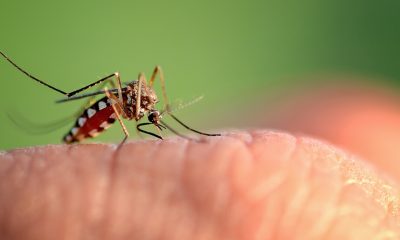
India Approves New Dengue Vaccine as Global Cases Continue to Rise
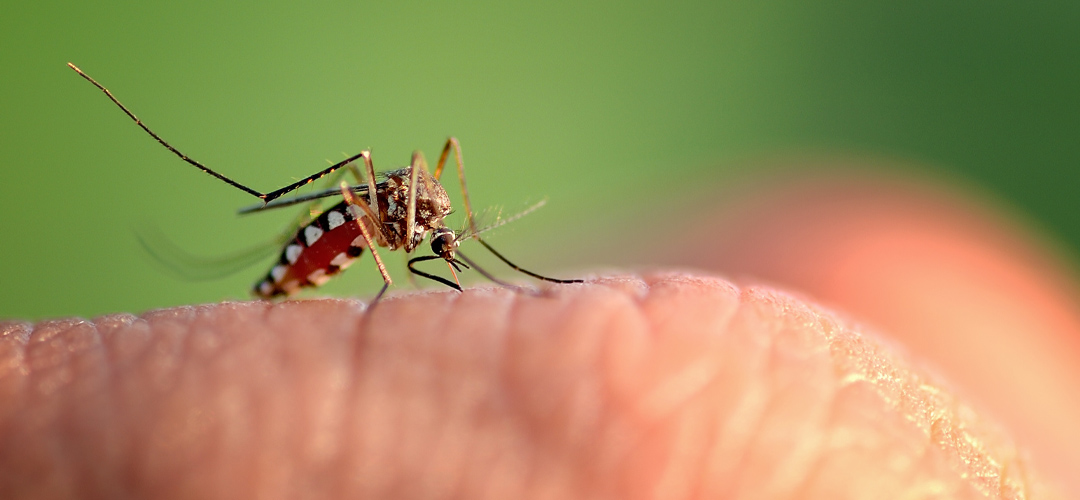
India has approved a new dengue vaccine as health authorities seek to strengthen prevention efforts against a mosquito-borne viral disease that affects millions of people worldwide every year.
According to the World Health Organization (WHO), half of the global population is currently at risk of contracting dengue, which causes between 100 million and 400 million infections annually.
Since 2021, India has recorded more than one million dengue cases, including at least 1,500 deaths.
The virus can cause high fever, severe headaches, muscle pain, nausea, skin rashes and, in rare cases, internal bleeding and death.
The vaccine, authorized by India’s Central Drugs Standard Control Organization (CDSCO), was developed by Japanese pharmaceutical company Takeda. The Indian Health Ministry said the vaccine is recommended in two doses for people between 4 and 60 years old.
The treatment has already been approved by health authorities in around 40 countries worldwide.
Meanwhile, Indian pharmaceutical company Panacea Biotec has begun the final phase of clinical trials for a single-dose dengue vaccine, aiming to provide another prevention option against the disease.
Brazil recently announced the suspension of the use of another single-dose dengue vaccine developed in the country after two suspected deaths were reported.
International
U.S. Sends First Humanitarian Aid Flight to Cuba Amid Ongoing Tensions Between Both Governments
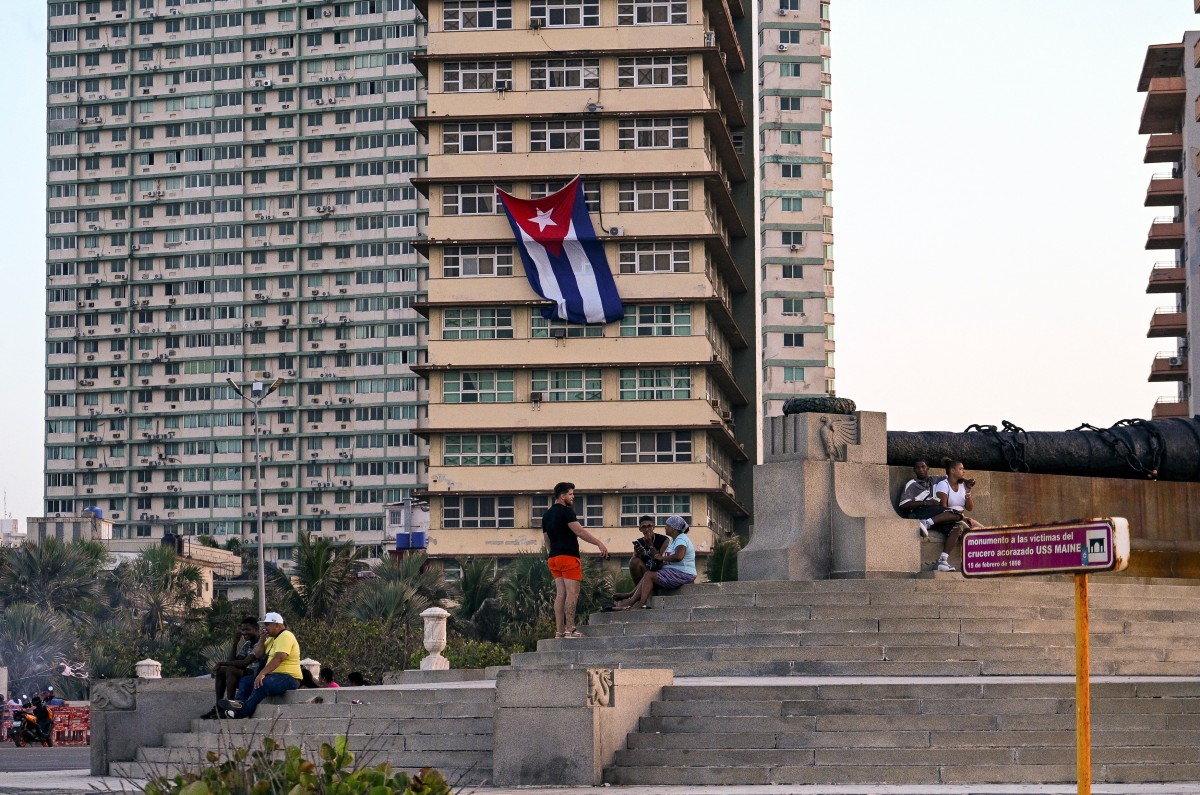
The United States announced Tuesday the dispatch of a humanitarian aid flight to Cuba as part of a $100 million assistance package proposed by Secretary of State Marco Rubio in May.
The flight departed from Miami with the support of Catholic Relief Services, according to a statement from the U.S. State Department.
The administration of President Donald Trump, which has maintained restrictions on oil supplies to the island and tightened sanctions against the Cuban government, had initially announced humanitarian assistance in November following the devastating impact of Hurricane Melissa.
In February, amid rising tensions between Washington and Havana, Rubio announced an increase in aid while continuing to criticize the Cuban government.
The U.S. secretary of state accused Cuba’s communist authorities of obstructing the distribution of assistance. Washington has insisted that the aid be delivered through the Catholic Church to ensure it reaches Cuban citizens directly.
The Cuban government, meanwhile, has blamed the U.S. oil blockade for making the distribution of humanitarian assistance significantly more difficult.
The aid shipment comes as relations between the two countries remain strained, with disagreements continuing over sanctions, energy supplies and the management of humanitarian support.
International
Controversial Pesticide Law Passes in France, Sparking Ecological Concerns and Ministerial Fallout
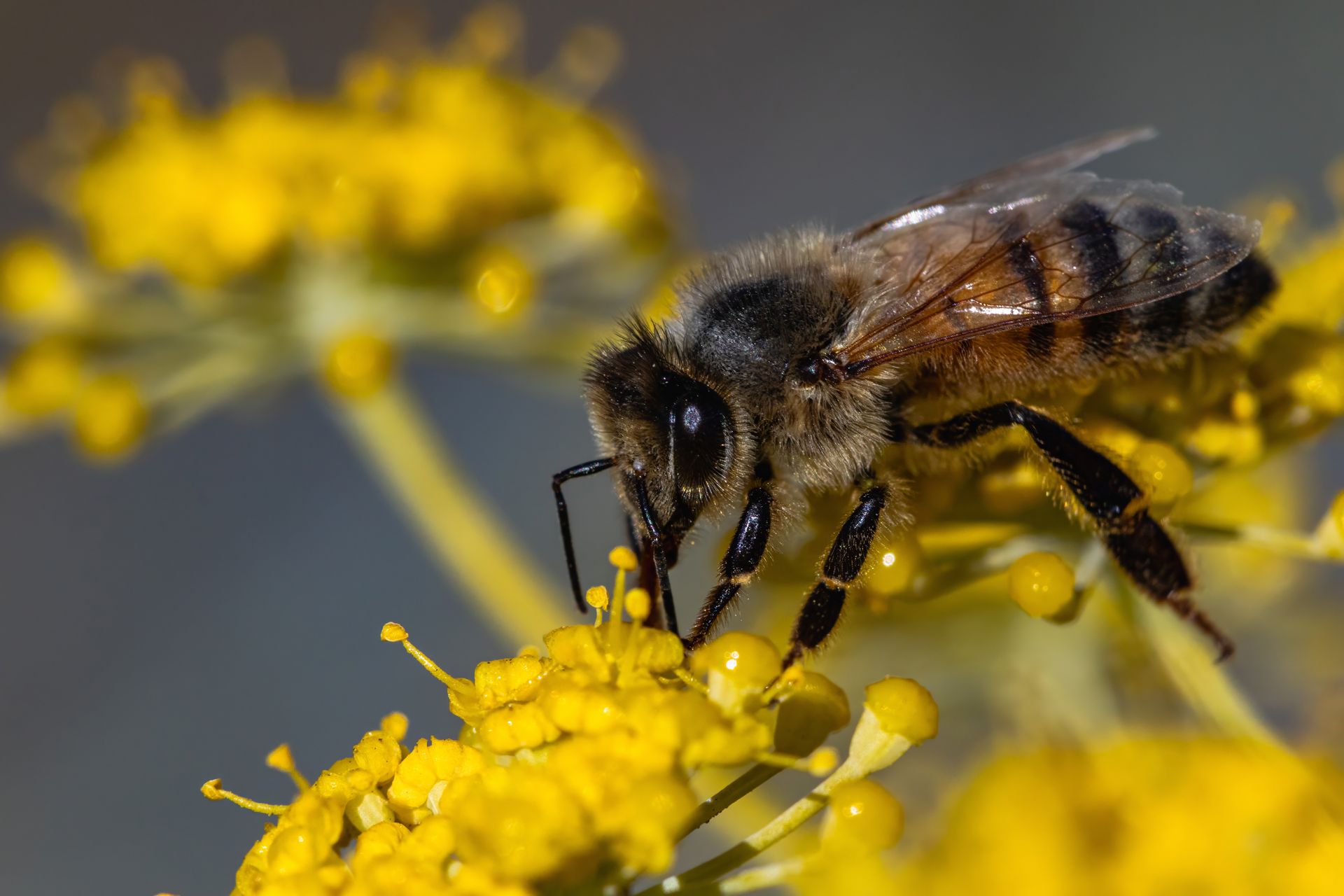
The French Parliament on Tuesday approved a highly controversial agricultural law that allows certain farmers to use two pesticides considered harmful to bees, substances that had been banned in France but remain authorized in the European Union.
After the National Assembly, the lower house of Parliament, approved the agricultural bill in the early hours of Tuesday, the Senate gave its final approval with a vote of 214 in favor and 111 against, officially adopting the measure.
Following the decision to reintroduce the use of acetamiprid and flupyradifurone, the office of Environment Minister Monique Barbut announced that she would soon submit her resignation.
Supporters of the measure argue that French producers of sugar beets, apples and hazelnuts need access to these insecticides — banned in France since 2018 and 2019, respectively — to remain competitive with European farmers in other countries where the products are still allowed.
Opponents, including environmental groups, argue that the substances pose serious risks to bees and could also threaten human health.
“Let us be proud of the work that has been done,” said Senator Laurent Duplomb of the conservative Republicans party, one of the main supporters of the measure.
The vote came after France’s Constitutional Council, the country’s highest court, struck down a previous attempt last year to bring back acetamiprid, ruling that the measure could pose risks to human health. That decision followed a petition signed by more than two million people opposing the pesticide’s reintroduction.
The previous bill had also been promoted by Duplomb, who argued that French agriculture needed additional tools to compete in international markets.

India Approves New Dengue Vaccine as Global Cases Continue to Rise

U.S. Sends First Humanitarian Aid Flight to Cuba Amid Ongoing Tensions Between Both Governments

Controversial Pesticide Law Passes in France, Sparking Ecological Concerns and Ministerial Fallout
Tec de Monterrey honors one of its students for his contribution to nanotechnology in medicine

Defense Minister commends salvadoran soldier for Central American Cross Country victory

Extension of the state of emergency approved in southern Chile
-
 International1 day ago
Controversial Pesticide Law Passes in France, Sparking Ecological Concerns and Ministerial Fallout
-
 International4 days ago
Ten Bodies Found in Mexico’s Zacatecas State Amid Security Operation
-
 International2 days ago
Iran Says It Is in “Full-Scale War” as U.S. Launches Ninth Consecutive Night of Airstrikes
-

 International2 days ago
French Parliament Moves to Approve Social Media Age Limit for Minors
-
 International2 days ago
WHO to Hold New Round of Talks After Slow Progress on Pandemic Accord
-
 International1 day ago
U.S. Sends First Humanitarian Aid Flight to Cuba Amid Ongoing Tensions Between Both Governments
-

 Sports1 day ago
MLS Awaits Blockbuster Debuts as Griezmann and Lewandowski Join the Spotlight
-
 International1 day ago
India Approves New Dengue Vaccine as Global Cases Continue to Rise