
International
Migrants at the border suffer post-traumatic stress after the violence in Mexico
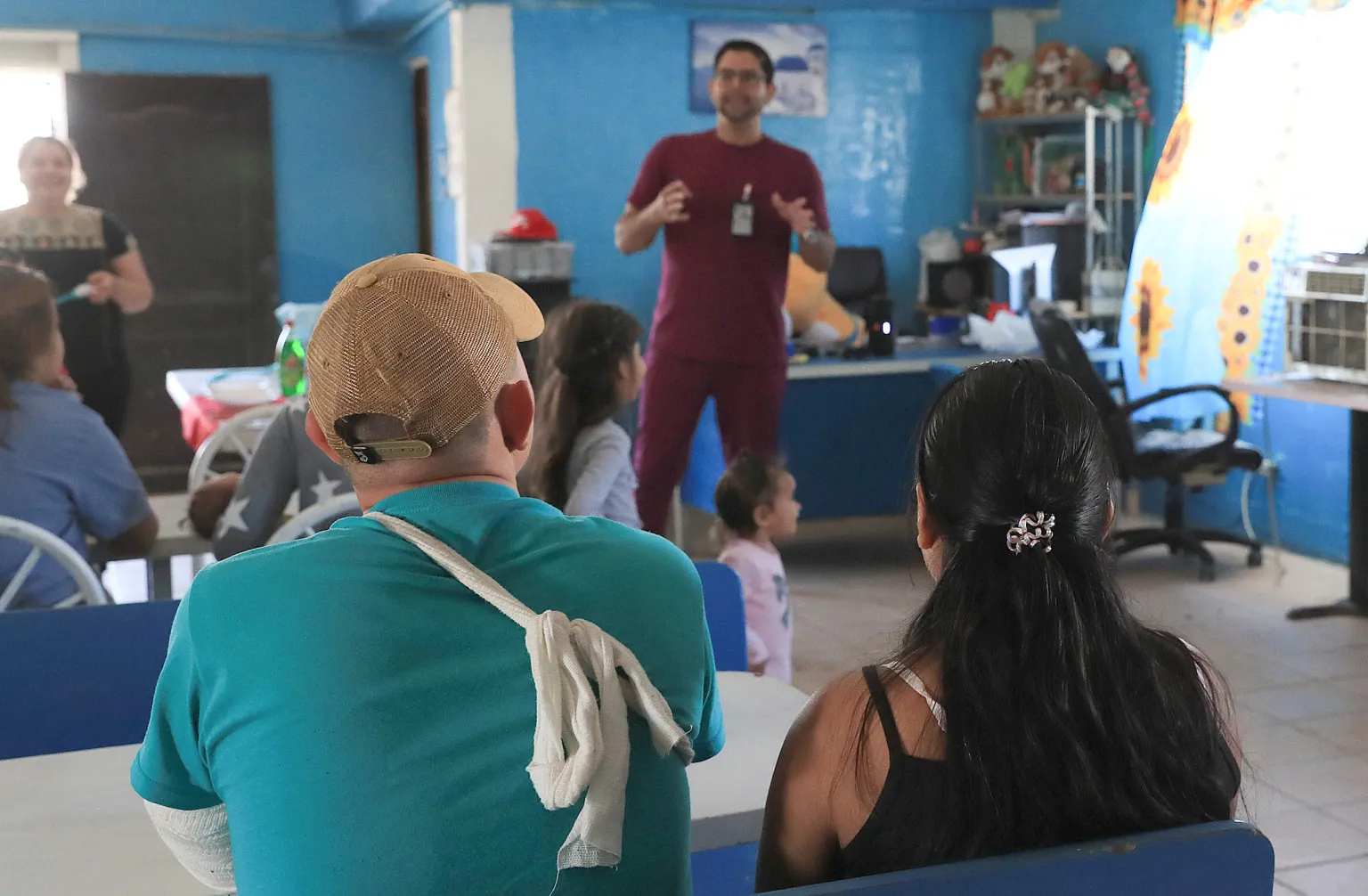
Citizen associations warn of an increase in post-traumatic stress syndrome (PTSD) in migrants stranded on the northern border of Mexico in the face of cases of kidnapping, abuse and exploitation they experience when crossing Mexican territory.
Migrants present this psychological disorder that arises in response to extremely stressful events, and is characterized by symptoms such as retrospective sequences or flashbacks, nightmares, intense anxiety and difficulties in sleeping or concentrating.
The biggest trigger is kidnappings, Sara Villegas Torres, a lawyer for the Jesuit Refugee Service in Ciudad Juárez, one of the epicenters of migration on the border of Mexico with the United States, told EFE.
“What we have mostly detected is the issue of kidnappings, not only here in the entity (Chihuahua) but throughout Mexico, it is inevitable to encounter these stories because it is something that happens to most of the people with whom we have contact,” he described.
In July alone, there were two massive kidnappings of a total of 36 migrants in Chihuahua, according to the organization Alto al Secuestro, which documented a total of 196 foreigners kidnapped in the seventh month of the year, a monthly increase of more than 20%.









This organization reported 772 kidnappings of migrants in 2023, representing about a third of the total national victims of this crime.
This leaves sequelae in people like Cindy Vázquez, from Honduras, who told EFE how a crime cartel kidnapped the group with which she was traveling in Mexico.
“They told us ‘drem down’. But we thought it was the Police or Migration, because we had no problems with migration. But when they got us down and got us up, I lost all my belongings, I lost everything because I didn’t have time to take anything out of the lower part of the bus. And when they got us into a car, even then I knew we were kidnapped,” he said.
They were transferred to a warehouse, 15 minutes away before reaching the state of Chihuahua, where there were also many people kidnapped, according to him, and his family had to give a rescue.
“They told us that we were deprived of our freedom and that we were going to be there as long as our family paid a ransom. Our family had to pay a lot of money,” he said.
He mentioned that the kidnappers were wearing a uniform, brown pants and a navy blue shirt with a shotgun on the back, but without official logos.
In the end they were able to leave with a payment of 10,000 dollars for her and her family, so she warned her compatriots that it is very dangerous to go through Mexico.
“We just wanted to get to a better place, that we could work, that we could start from scratch, but no, the truth is that I wouldn’t stay living in Mexico,” Cindy said.
Another case is that of Roxana Yamilet Velázquez, originally from El Salvador, who described the difficult road she and two other relatives, her cousins Diego José and Adriana Elizabeth, who died in the desert of the northern border of Mexico.
“It gave him like a heat respiratory arrest and from there we were transferred, well, Migration grabbed them and took us to a hospital because we were dehydrated,” he said.
He said that the sand was very hot to the point of burning his skin, and the water they carried in bottles boiled after a short time due to temperatures that reached 40 degrees.
“It was boiling, already very hot, we couldn’t drink or anything and my cousin started fighting about halfway. Even me too, and she couldn’t resist, because she was the one who fought the most,” Roxana recalled about how her cousin’s life was going.
These events occur in the midst of a 193% year-on-year increase in irregular migration through Mexico in the first half of the year to over 712,000 people, according to the Government’s Migration Policy Unit.






International
Mbappé Ties Klose on All-Time World Cup Scoring List After Brace Against Iraq

Kylian Mbappé moved another step closer to World Cup history on Monday, scoring twice against Iraq to reach 16 career goals in the tournament and draw level with German legend Miroslav Klose on the all-time scoring chart.
The French forward found the net in the 14th and 54th minutes of France’s Group I clash in Philadelphia, registering his second consecutive brace of the 2026 FIFA World Cup.
Mbappé’s achievement came on the same day that Argentina captain Lionel Messi set a new all-time World Cup scoring record. The Argentine star scored twice against Austria to raise his career total to 18 goals, surpassing the previous mark of 16 held by Klose.
Klose established his record on July 8, 2014, during Germany’s historic 7-1 victory over Brazil in the World Cup semifinals in Belo Horizonte.
Before facing Iraq, Mbappé was tied with German striker Gerd Müller on 14 World Cup goals. His first goal of the match lifted him to 15, drawing level with Brazilian great Ronaldo Nazário.
The second strike moved the Real Madrid forward to 16 goals, allowing him to surpass Ronaldo, match Klose’s tally, and position himself just two goals behind Messi in the race for World Cup immortality.
The match also marked a personal milestone for Mbappé, as he made his 100th appearance for the French national team.
At 27 years old, the French superstar remains firmly in pursuit of Messi’s newly established record and continues to strengthen his legacy as one of the most prolific scorers in World Cup history.
International
UNHCR Urges U.S. Deportation Agreements to Uphold Asylum Rights and International Law
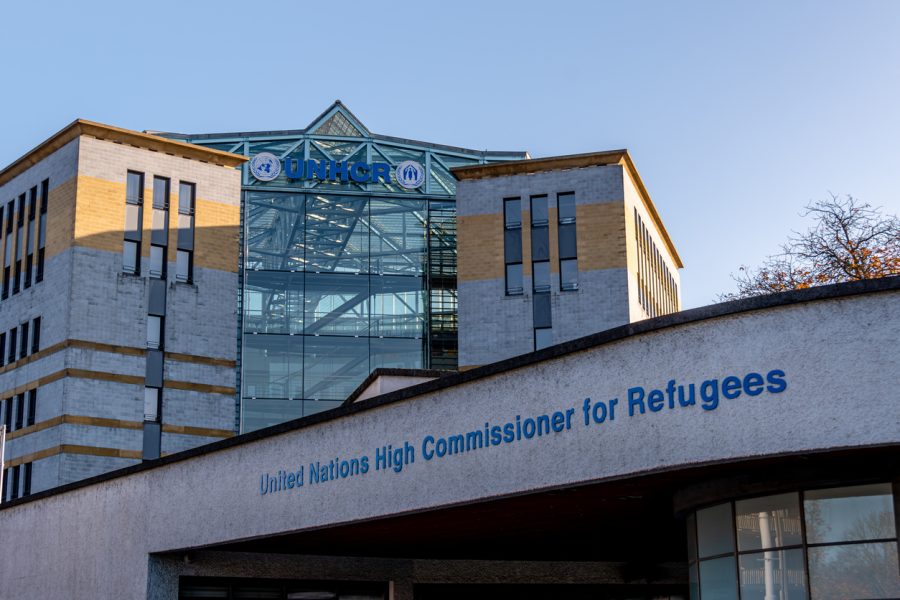
The United Nations High Commissioner for Refugees (UNHCR) on Monday called on the United States to ensure that its migrant deportation and transfer agreements fully comply with asylum rights and international refugee protection standards.
UNHCR chief Barham Salih stated that any transfer mechanism must guarantee access to asylum procedures and respect the principle of non-refoulement, which prohibits returning individuals to places where they may face persecution, violence, or other serious harm.
“Transfer agreements must ensure access to asylum, respect due process guarantees, and uphold the principle of non-refoulement, meaning that no person in need of international protection should be returned to any place where they risk suffering harm,” Salih said during a virtual press conference.
The UN official added that transfers can only be considered lawful if they include strong safeguards and comply with the principles of responsibility-sharing and non-refoulement.
Salih noted that UNHCR was not involved in negotiating the agreements signed between the United States and several African nations. However, he emphasized that the agency remains willing to cooperate in ensuring that any measures affecting refugees and asylum seekers comply with international law.
The resumption of deportation flights to third countries became possible after the U.S. Supreme Court ruled in June 2025 that the administration of President Donald Trump could continue carrying out such removals, a key component of its immigration policy.
Human rights organizations have criticized the practice. Both Amnesty International and Human Rights Watch have argued that many deportees lack adequate legal assistance and, in some cases, are held in maximum-security detention facilities without formal charges.
The organizations have also urged African governments to reject migration agreements with the United States, warning that such arrangements could expose deportees to arbitrary detention, mistreatment, and possible forced returns to countries where they may face persecution or torture.
Since returning to the White House in January 2025, President Trump has promoted an accelerated deportation policy and signed agreements with countries including the Democratic Republic of the Congo, El Salvador, Eswatini, Ghana, Rwanda, Uganda, South Sudan, and Equatorial Guinea.
International
FBI Says It Disrupted Alleged Plot Targeting White House During UFC Event
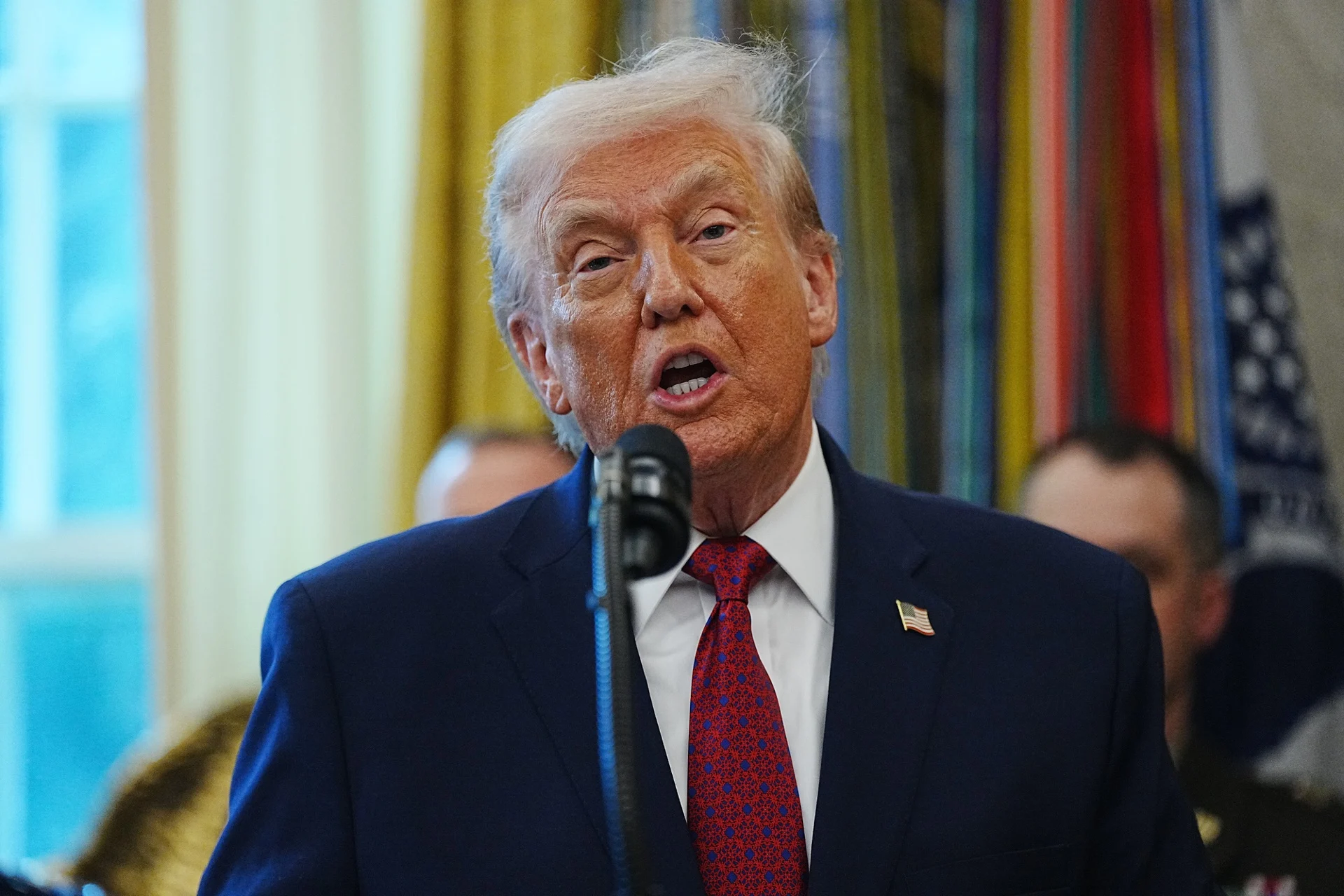
The Federal Bureau of Investigation (FBI) announced Tuesday that it had disrupted an alleged plot to attack the White House during a major Ultimate Fighting Championship (UFC) event held in Washington over the weekend.
FBI Director Kash Patel said the threat was identified on June 10 through a joint investigation involving multiple law enforcement agencies. According to Patel, swift action by authorities led to the arrest of several suspects before the alleged plan could be carried out.
“On June 10, the FBI and our law enforcement partners became aware of a potential threat targeting UFC America 250 in Washington. Thanks to the rapid response of the FBI and our partners, multiple individuals are now in custody, and the alleged attack plans were stopped before they could be executed,” Patel said.
He emphasized that the operation demonstrated the ability of security agencies to detect and prevent potential threats at large public gatherings. Patel added that the investigation remains ongoing and that additional details will be released as court proceedings move forward.
According to reports from U.S. media outlets, five individuals have been arrested so far. The suspects were identified as Tycen Proper of Ohio, Daniel Eskridge of Missouri, Abraham Hermosillo Álvarez of Nebraska, and Bryan Omar Roa and Michael Alan Thomas, both from California. Authorities are also investigating the possible involvement of 18 additional individuals.
Investigators allege that the plot involved the use of drones equipped with explosives to target buildings near the sporting event. The plan reportedly sought to trigger a mass evacuation and direct attendees toward areas where snipers were allegedly positioned. Authorities further claim that a second phase of the operation included an attempted assault on the White House.
The U.S. Secret Service confirmed that it worked closely with the FBI throughout the operation. Secret Service Director Sean Curran stated that security teams conducted extensive efforts to identify those involved and eliminate any threat to attendees and protected facilities.
The investigation reportedly uncovered communications conducted through the messaging application Signal, where several suspects allegedly discussed details related to the planned attack. A forensic analysis of one of the seized mobile phones revealed at least 23 users participating in conversations connected to the alleged planning activities.
Court documents also indicate that some of the suspects allegedly intended to target U.S. political figures. Among the reported targets were members of Congress who had received contributions from the American Israel Public Affairs Committee (AIPAC). Investigators further stated that one of the primary suspects had posted antisemitic messages and expressions of support for Adolf Hitler on social media, evidence that is now part of the ongoing judicial investigation.

Ancient Maya Ceremonial Site Reveals New Clues About Preclassic Ritual Practices

Mbappé Ties Klose on All-Time World Cup Scoring List After Brace Against Iraq

UNHCR Urges U.S. Deportation Agreements to Uphold Asylum Rights and International Law
Tec de Monterrey honors one of its students for his contribution to nanotechnology in medicine

Defense Minister commends salvadoran soldier for Central American Cross Country victory

Extension of the state of emergency approved in southern Chile
-
 International8 hours ago
UNHCR Urges U.S. Deportation Agreements to Uphold Asylum Rights and International Law
-
 International8 hours ago
Mbappé Ties Klose on All-Time World Cup Scoring List After Brace Against Iraq
-
 Central America8 hours ago
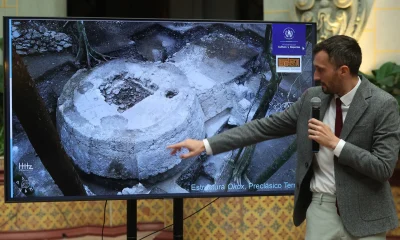
Ancient Maya Ceremonial Site Reveals New Clues About Preclassic Ritual Practices