
International
Javier Acosta dies after euthanasia in Colombia, sparking renewed euthanasia debate
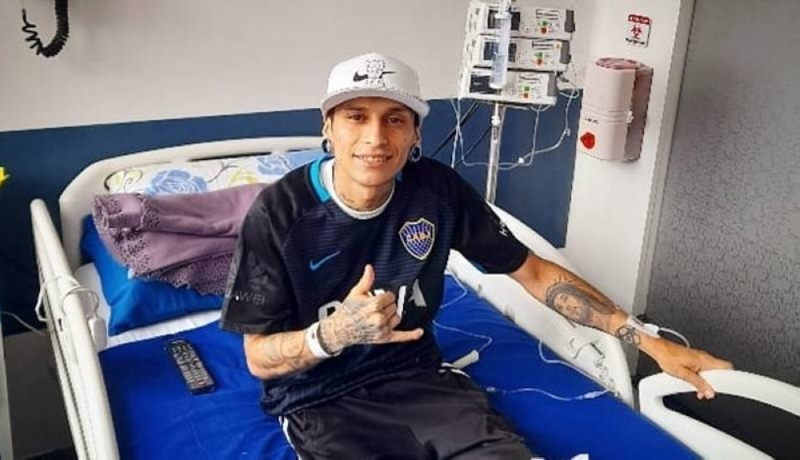
On Friday noon, Javier Acosta, 36, passed away after receiving euthanasia at a university hospital in San Ignacio, Bogotá, Colombia. He had been diagnosed with osteomyelitis and blood cancer.
His case shocked the entire nation and those who followed his story on social media after he decided to end his life. The decision came as medications ceased to be effective and doctors ruled out the possibility of walking again or improving his condition.
“I’ve been hospitalized for a month; I discovered a severe bacteria that I’ve been treating for about six years, called osteomyelitis. This bacteria has left me in a bad state,” Javier explained on August 21, during a live broadcast on his Facebook profile, Javier Acosta PK. In the video, he did not explicitly mention his decision to undergo euthanasia but hinted at it. “After crying so much and talking with God, I have no tears left. It’s hard, it’s sad,” he said while describing his suffering.
“I’ve been fighting to save myself, my body, my skin, my bones. Unfortunately, the bacteria came back… The bacteria is like the iPhone, 13, 14, 15, pro, pro max. This bacteria is in re pro max. I’m on three antibiotics,” he said, showing the intravenous antibiotics in his video and expressing that despite the three strong medications, he still had fevers and poor culture results. “I don’t have much hope of continuing to live; it sounds harsh, and I’m recounting it very coldly, but it’s the truth. Life turns out this way.”
Colombian media reported that Javier Acosta died at 12:47 PM on August 30, after being induced into a coma and then undergoing euthanasia. Javier was a fan of the Millonarios football team, and his wheelchair condition was a result of an accident related to his support for the team. A group of supporters gathered in front of San Ignacio Hospital at noon on Friday to show their support for Javier and his family.











Javier Acosta’s case has reignited the euthanasia debate. Although euthanasia is legal in Colombia, many tried to persuade him to reconsider his decision through social media.
On August 28, Javier received a call from Radamel Falcao García, who learned about his case and offered words of encouragement. “Thank you, Tiger, for praying for me, for calling me, and for saying so many beautiful things about my life… you know the promise, first goal dedicated to Javi PK…” Javier wrote in a Facebook post where he shared part of the call.
According to Infobae, in Colombia, euthanasia is permitted in specific cases of terminal illness where the patient suffers from unbearable physical or psychological pain that cannot be alleviated by other means. Javier had said that even morphine did not relieve his pain.















































International
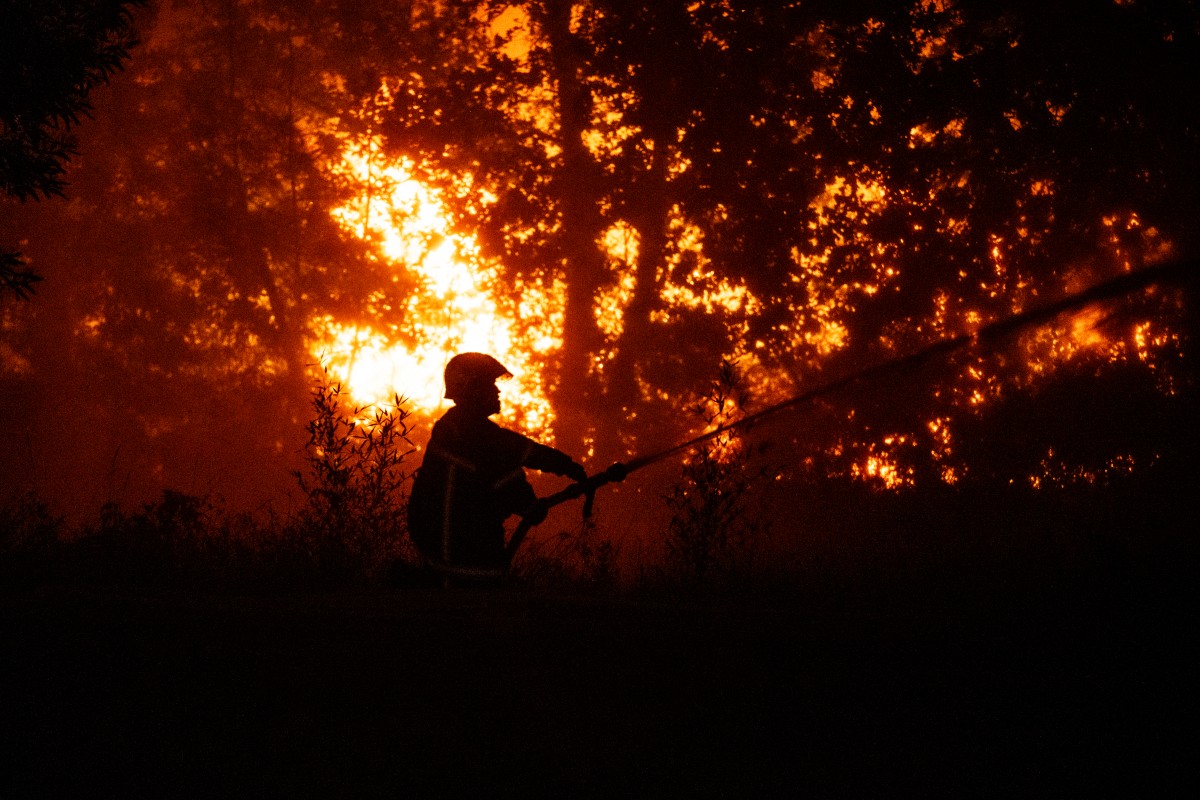
Wildfires in France Burn Nearly Three Times More Land Than in 2025, Interior Minister Says
International
Israel Says Saudi Recognition Would Mark ‘Historic Breakthrough’ for Middle East Peace
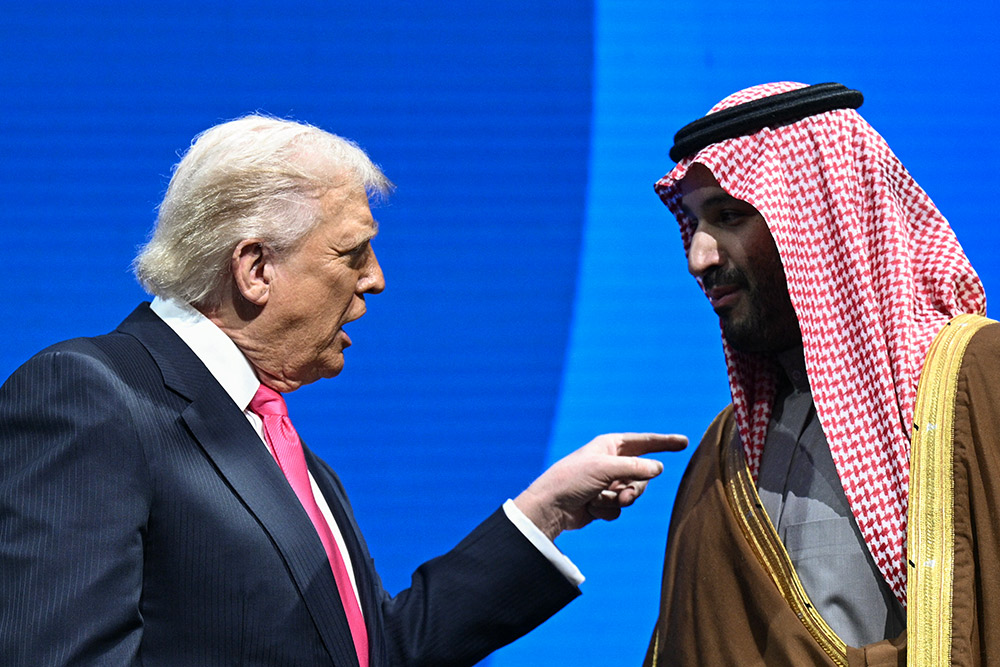
The office of Israeli Prime Minister Benjamin Netanyahu said Thursday that Saudi Arabia’s recognition of Israel would represent a “historic breakthrough” toward achieving peace in the Middle East.
The statement came after the United States and Saudi Arabia announced an agreement on Wednesday to establish a civil nuclear program in the kingdom. U.S. President Donald Trump said the initiative would be linked to Riyadh’s decision to normalize diplomatic relations with Israel.
“Saudi Arabia joining the Abraham Accords would represent a historic breakthrough toward peace in the Middle East,” Netanyahu’s office said following Trump’s announcement.
The statement added that recent developments, including joint military actions by the United States and Israel against Iran, as well as Israel’s efforts against what it described as Iran’s “terror axis,” have created new opportunities to expand regional diplomatic ties.
“The joint U.S.-Israeli military action against the genocidal regime in Tehran and Israel’s defeat of Iran’s terror axis have created the possibility of expanding the circle of peace,” the statement said.
A potential normalization agreement between Israel and Saudi Arabia would represent a major diplomatic shift in the region, as Riyadh has long been viewed as one of the key countries whose formal recognition could significantly reshape Middle Eastern relations.
International
Nicolás Maduro’s Son Calls U.S. Trial Against His Father and Cilia Flores “Unjust”
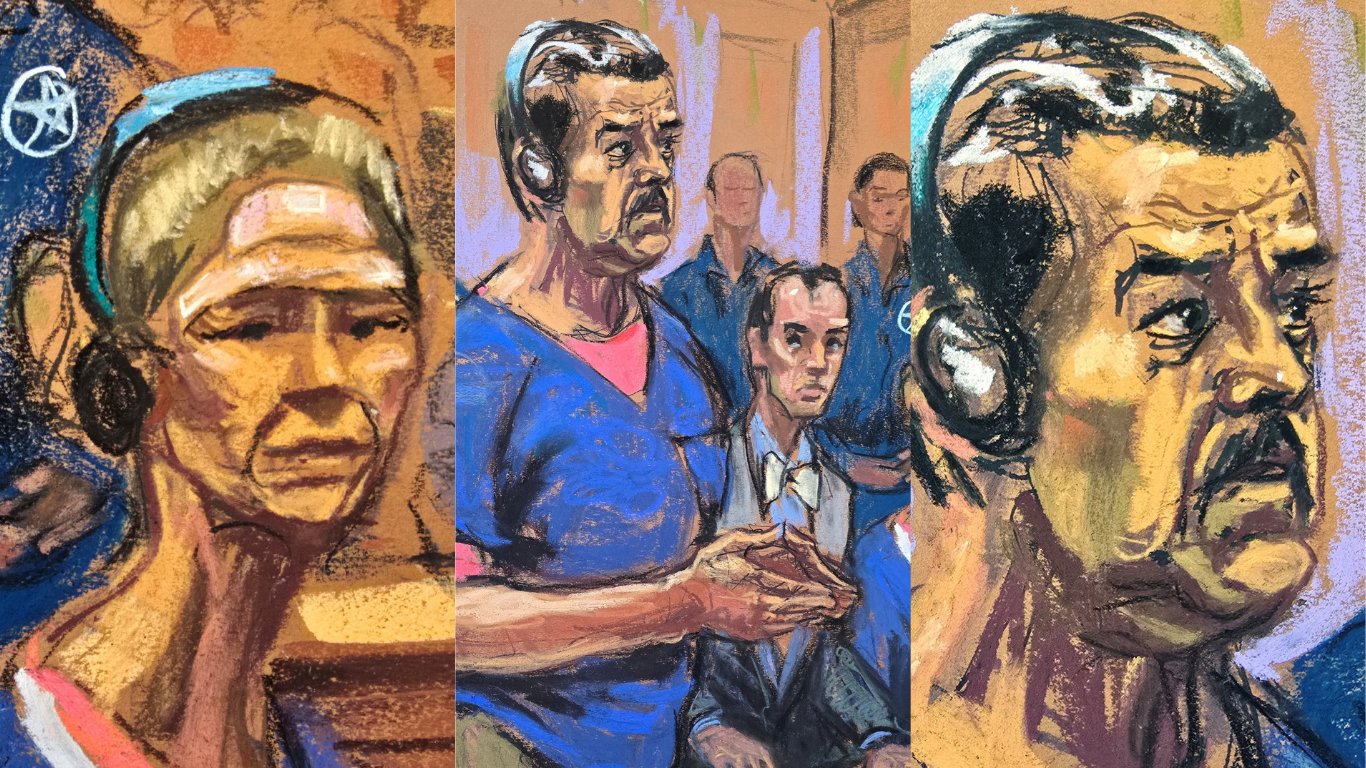
Venezuelan lawmaker Nicolás Maduro Guerra on Wednesday described as “unjust” the legal proceedings in the United States against his father, ousted Venezuelan President Nicolás Maduro, and his wife, Cilia Flores, following their capture in Caracas on January 3 by U.S. forces.
“Faced with the unjust trial taking place today, the people raised their voices with a single demand: We demand the immediate release of President Nicolás Maduro and the First Lady,” Maduro Guerra wrote on his Instagram account.
The lawmaker attended a rally in Caracas where supporters of the ruling United Socialist Party of Venezuela (PSUV)gathered to show support for the former president, who faces charges in the United States including conspiracy to commit narco-terrorism and cocaine importation. Flores is accused of crimes related to drug trafficking and weapons possession.
The event was also attended by PSUV Vice President for Mobilizations and Events Nahum Fernández and Caracas Mayor Carmen Meléndez, according to photos shared by Maduro’s son.
The third hearing in the case against Maduro and Flores concluded Wednesday at a federal court in New York after lasting only about 18 minutes. During the hearing, the judge preliminarily set June 2027 as the expected start date for the trial.
One of the main arguments from the defense will focus on immunity. Maduro’s lead attorney, Barry Pollack, who has also represented WikiLeaks founder Julian Assange, said the defense plans to request immunity for both defendants, arguing that Maduro was serving as head of state and Flores as first lady at the time of their detention.
Both Maduro and Flores pleaded not guilty during their first court appearance in New York on January 5.
Meanwhile, Venezuela’s interim president Delcy Rodríguez, who assumed power after Maduro’s capture, has not yet commented on Wednesday’s hearing in the United States.


Wildfires in France Burn Nearly Three Times More Land Than in 2025, Interior Minister Says

Israel Says Saudi Recognition Would Mark ‘Historic Breakthrough’ for Middle East Peace

Honduras Warns of Possible New Dengue Epidemic as Cases Continue to Rise
Tec de Monterrey honors one of its students for his contribution to nanotechnology in medicine

Defense Minister commends salvadoran soldier for Central American Cross Country victory

Extension of the state of emergency approved in southern Chile
-
 Central America3 days ago
CDC Issues Level 2 Travel Alert for Costa Rica Amid Chikungunya Outbreak
-
 International4 days ago
Mexico Files 20 Complaints in U.S. Over Deaths of 17 Citizens During ICE Operations
-
 International2 days ago
Wildfires in France Burn Nearly Three Times More Land Than in 2025, Interior Minister Says
-
 International4 days ago
Nicolás Maduro’s Son Calls U.S. Trial Against His Father and Cilia Flores “Unjust”
-
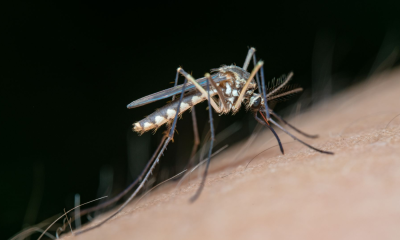 Central America3 days ago
Honduras Warns of Possible New Dengue Epidemic as Cases Continue to Rise
-
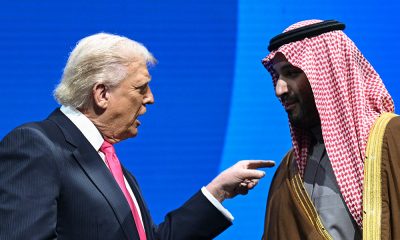 International2 days ago
Israel Says Saudi Recognition Would Mark ‘Historic Breakthrough’ for Middle East Peace