
International
What is Trump’s chance of going to jail?
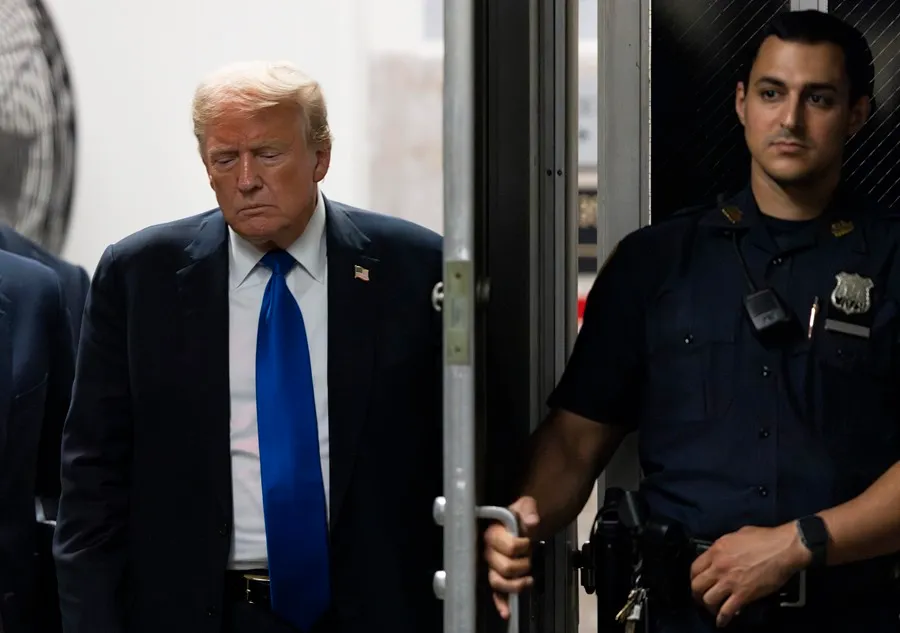
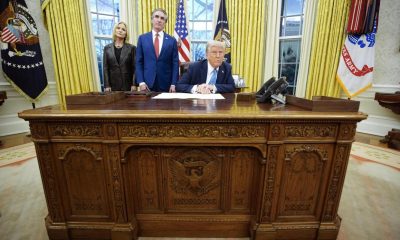
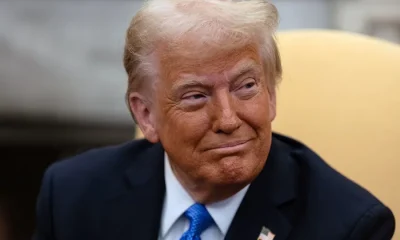
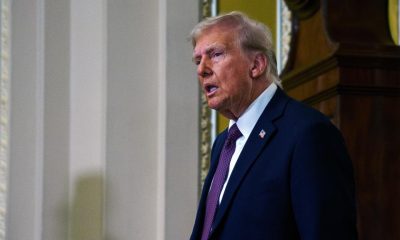
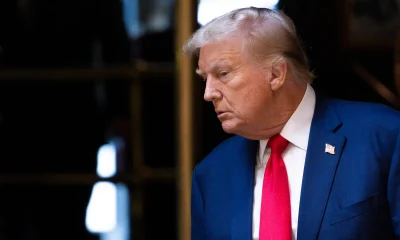
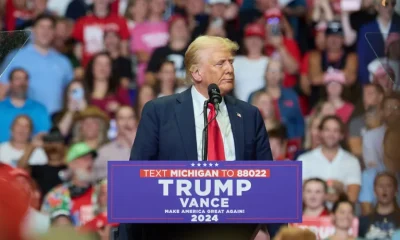
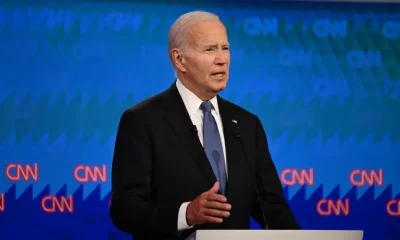
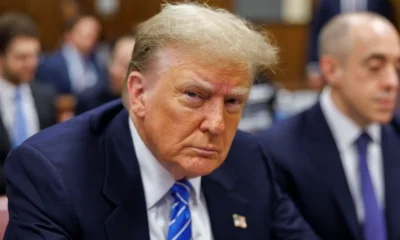
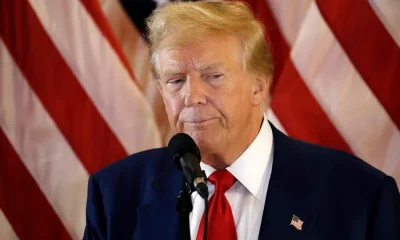
Donald Trump became the first former American president to be convicted in a criminal trial on Thursday, but his guilty verdict for falsification of commercial records does not imply, according to various experts, that he will go to jail.
The jury of his trial in New York did not absolve him of any of the 34 charges against him, each of which can result in a fine of up to $5,000 and up to four years in prison, in case he imposed the maximum penalty.
However, it is most likely that it will be dictated that what is decided for each of those positions will be fulfilled at the same time, which would reduce that period between bars to four years in total.
Dan Horwtitz, a defense lawyer who in the past took ‘white-neck’ cases for the office of the Manhattan District Prosecutor’s Office, pointed out on Thursday on CBS News that the possibility of house arrest is the most feasible.
That sentence would allow the former president and pre-candidate for the November elections to continue his campaign, even if it was virtually.











But the possibilities are wide: Judge Juan Merchan, in the opinion of the expert, “could sentence him to a period of months or weeks in prison or he could demand that he go to jail every weekend for a while and then serve the rest of the sentence on parole.”
The 77-year-old Republican president, his status and lack of background are presented as points in his favor.
According to the NBC News channel, an analysis of “thousands of cases” similar to the one starring Trump points out that “very few people” end up in bars: barely one in ten convicted of falsifying commercial records, and those cases used to also involve other crimes.
The former president faced 34 charges of serious crimes of falsification of commercial records, all related to the reimbursement to his lawyer for paying in 2016 a total of $130,000 to the porn actress Stormy Daniels to silence an alleged sexual relationship in 2006.
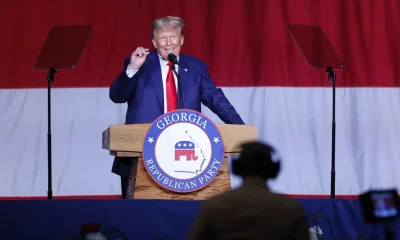
The sentence will be announced on July 11, four days before the start of the convention in which the Republican Party is expected to officially proclaim Trump as its candidate for the November elections.
In any case, the possible appeal of the former president would delay an eventual entry into prison.
The New York Times made it clear on Thursday that nothing can be taken for granted: “But there have been no indication of what Judge Merchan could decide, he has made it known that he takes white collar crimes seriously. Trump has attacked him and continuously denounced him as “partial and corrupt,” that newspaper said.
At the moment Trump is still a free man and a prison sentence would not invalidate his candidacy or his eventual presidency. The U.S. Constitution does not provide for anything about it, since it only requires presidents to be at least 35 years old and that they are U.S. citizens who have lived in the country for 14 years.


























































International
Portuguese Authorities Seize 2.6 Tons of Cocaine Worth More Than $550 Million in Drug Bust

Italian financial police reported Monday that Portuguese authorities intercepted a speedboat carrying more than 2.6 tons of cocaine, with an estimated street value exceeding $550 million.
Four people — two Spanish nationals, one Albanian citizen, and a man from Gibraltar — were arrested in connection with the operation, according to Italian authorities.
The vessel was intercepted off the coast of Lisbon by Portugal’s maritime police following an investigation led by Italian authorities.
Italian financial police estimated that the seized shipment had a street value of approximately 500 million euros ($570 million), making it one of the largest drug seizures reported in the region in recent years.
Portuguese authorities said the interception took place on Thursday, about 90 kilometers (50 nautical miles) southwest of Cape Espichel, during an operation targeting international drug trafficking routes.
International
U.S. and Iran Maintain Ceasefire as Trump Expresses Optimism Over New Talks
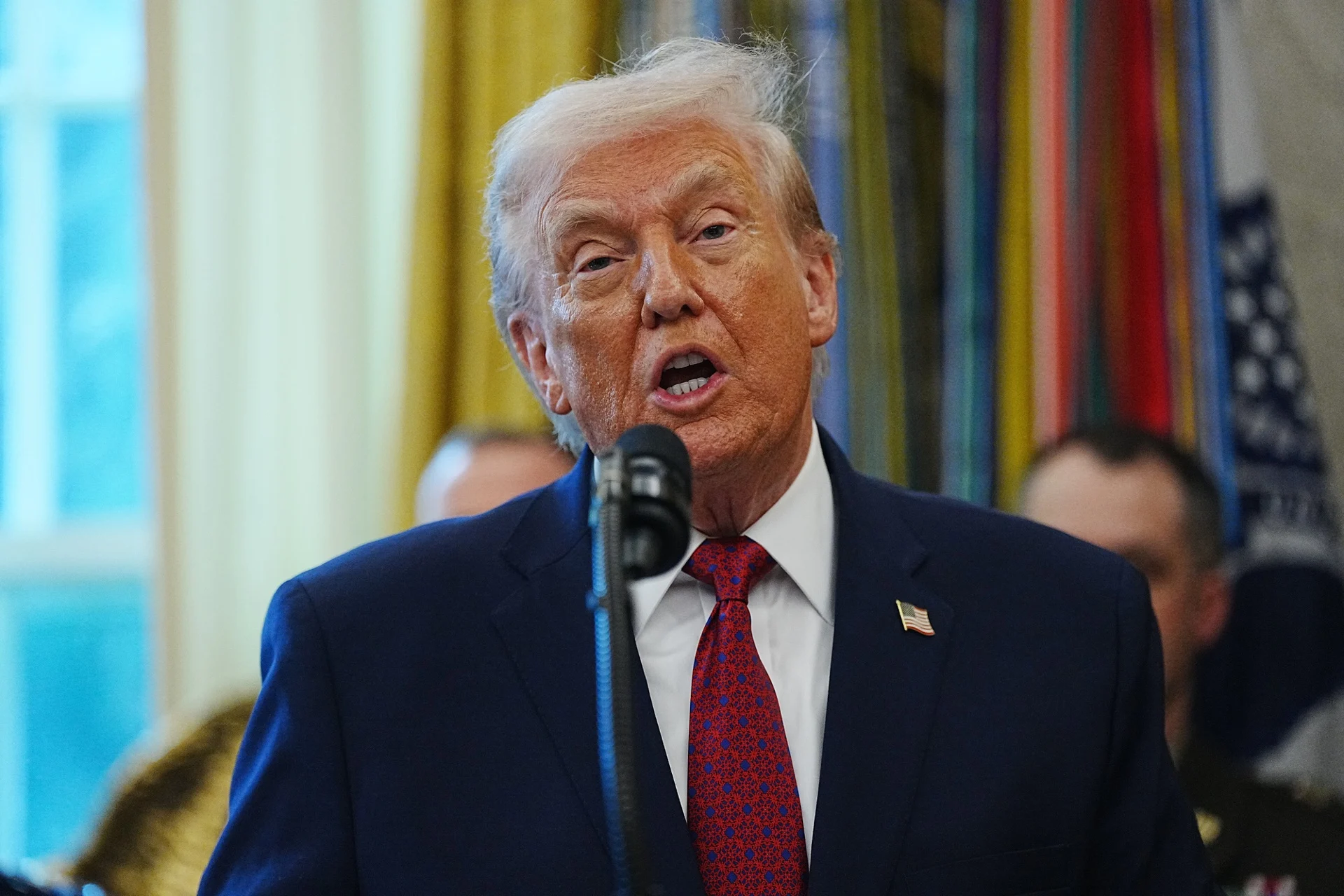
U.S. President Donald Trump said Monday that there are “good chances” of reaching an agreement with Iran, as both sides maintained a ceasefire for the third consecutive day following weeks of escalating hostilities.
Trump expressed optimism about the possibility of resuming diplomatic negotiations aimed at ending the conflict, which began in late February and has raised international concerns over its impact on global markets and energy supplies.
The fighting has remained suspended since Saturday, after the United States resumed airstrikes against Iran amid a dispute over control of the Strait of Hormuz, a key route for global oil shipments. The renewed military action had previously caused the collapse of an earlier ceasefire agreement.
Asked about the prospects for negotiations aboard Air Force One, Trump said: “I have a lot of patience… We’ll see what happens. I think there are good chances that something could happen.”
The U.S. president also highlighted Washington’s military capabilities, saying: “We have a lot of ammunition,” while adding that he would like to have more resources due to U.S. support for Ukraine.
U.S. Ambassador to the United Nations Mike Waltz said Trump was allowing diplomatic efforts more time, explaining that the president was “giving some space to the talks” while maintaining that Washington remains prepared to take action if necessary.
Meanwhile, tensions continue in other areas of the Middle East. Saudi Arabia reported that it intercepted drones launched from Iraq by groups allied with Tehran and urged the Iraqi government to take measures to prevent further attacks.
International
Police Investigate After Remains of Five Newborns Found in French Apartment
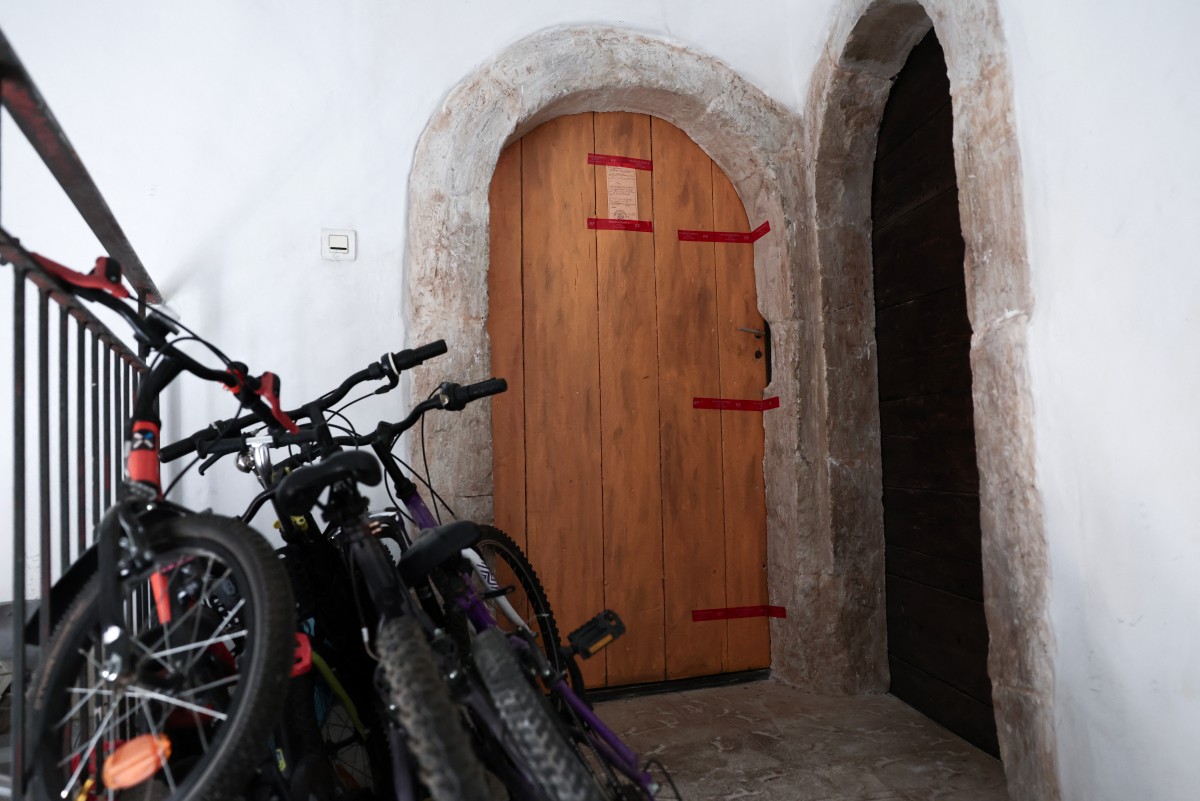
French authorities have opened a murder investigation after the discovery of human remains believed to belong to five newborn babies inside an apartment in the historic center of a city, the local prosecutor’s office reported Monday night.
According to prosecutors, a 32-year-old woman had given birth at home on Sunday to a healthy baby before being taken to a hospital for medical care.
The discovery was made after the woman’s 32-year-old partner began searching the residence after reportedly learning, once again and at a late stage, that she had been pregnant.
During the search, the man found what appeared to be human remains and informed the hospital, which then alerted prosecutors.
A forensic doctor determined that the remains likely belonged to five newborn infants. Authorities have not yet established the circumstances or motive behind the case.
Investigators have not been able to interview the mother, who remains hospitalized following the delivery.
Prosecutors also confirmed that the couple has two other children, aged eight and nine years old. The investigation remains ongoing as authorities work to clarify the events surrounding the discovery.


Portuguese Authorities Seize 2.6 Tons of Cocaine Worth More Than $550 Million in Drug Bust

U.S. and Iran Maintain Ceasefire as Trump Expresses Optimism Over New Talks

Police Investigate After Remains of Five Newborns Found in French Apartment
Tec de Monterrey honors one of its students for his contribution to nanotechnology in medicine

Defense Minister commends salvadoran soldier for Central American Cross Country victory

Extension of the state of emergency approved in southern Chile
-

 International5 days ago
Wildfires in France Burn Nearly Three Times More Land Than in 2025, Interior Minister Says
-
 International1 day ago
U.S. and Iran Maintain Ceasefire as Trump Expresses Optimism Over New Talks
-
 International1 day ago
Police Investigate After Remains of Five Newborns Found in French Apartment
-

 International5 days ago
Israel Says Saudi Recognition Would Mark ‘Historic Breakthrough’ for Middle East Peace
-
 International1 day ago
Portuguese Authorities Seize 2.6 Tons of Cocaine Worth More Than $550 Million in Drug Bust
-

 International2 days ago
Costa Rica Seeks to Expand Extradition Law to Target Organized Crime
-

 International2 days ago
China Accuses U.S. AI Firms of Using Chinese Models to Train Artificial Intelligence
-

 Central America3 days ago
EU Urges Nicaragua to Hold Free and Transparent Elections Amid Proposed Electoral Reforms
-

 International2 days ago
Three Killed, Four Injured in Shooting Near Seattle’s Space Needle