
International
At least 7 Palestinians killed and 12 injured in an Israeli raid in Yenin, in the northern West Bank
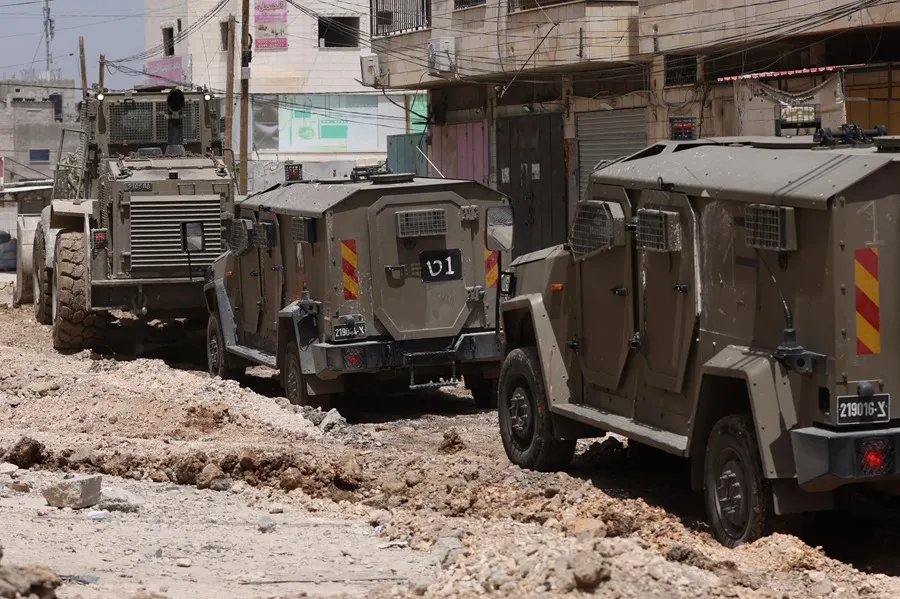
Seven Palestinians were killed on Tuesday in clashes unleashed in an Israeli Army rad in the Yenin refugee camp, in the north of the West Bank, one of the bastions of the Palestinian militia movement.
In addition, twelve Palestinians are injured, two of them in serious condition, according to the Ministry of Health.
Local sources informed the Palestinian agency Wafa that a journalist, Amr Manasra, was injured in the back in the vicinity of the Yenin hospital by shrapnel of Israeli bullets. Its state is stable, according to the latest information.
Among the dead are a surgeon from the Yenun hospital, Aseed Jabareen, “attacked at the entrances to the medical center,” teacher Allam Jadarat and a student who were in a school, according to the director of the hospital cited by the official Palestinian agency Wafa.
Wafa assures that Israeli forces broke into the Yenin camp with armored vehicles, which unleashed armed clashes both in the countryside and in other neighborhoods of the city and in the nearby village of Burqin.











For its part, the Israeli Army has limited itself to confirming its operation in Yenin, which it defined as “anti-terrorist.”
“These crimes will not stop the resistance of our people and their persistent quest to liberate their land, their holiness and achieve their national rights,” said the Palestinian Islamist group Hamas in a statement on what they consider an extension of the war in Gaza.
Likewise, the group reproached the international community for “its silence” for not “condemning the aggressions” against its people and for not taking “deterrent measures” against Israel to assume the responsibilities of its “massacres.”
The occupied West Bank is experiencing its greatest spiral of violence since the Second Intifada (2000-05). So far this year, at least 184 Palestinians have been killed by Israeli fire, most of them alleged militiamen or attackers, but also civilians, including more than thirty minors, according to the EFE count.
On the Israeli side, ten people have been killed in eight Palestinian attacks in 2024, including four uniformed personnel and six civilians, three of them settlers.
In Lebanon, the Israeli Army confirmed that it had killed a Hizbulah commander, Qasam Saqlawi, in charge of rockets and missiles, in an attack in the Tyre area.
“Yesterday, Monday, in the Tyre area of Lebanon, an Air Force plane attacked and eliminated the terrorist Qasam Saqlawi, commander of the set of rockets and missiles in the coastal sector of Hizbulah,” a military statement reported.
The Army attributes to Saqlawi the responsibility of planning and executing numerous rocket attacks against Israel, as well as anti-tank missiles.
Hezbollah – who yesterday claimed up to 13 attacks on Israel with missiles, rockets and artillery – confirmed this morning the death of a member of the same name, without offering details about his position or the circumstances of his death.
The border between Israel and Lebanon is experiencing its highest peak of tension since 2006 with an intense exchange of fire since October, which has claimed the lives of at least 423 people, most of them on the Lebanese side and in the ranks of Hezbollah, which has confirmed 286 militia casualties, some in Syria.
In northern Israel, 23 people, 13 soldiers and 10 civilians have died.










International
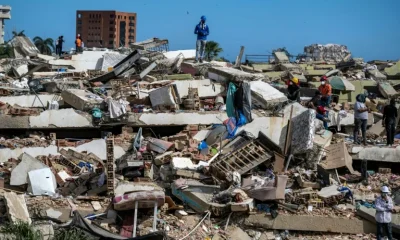
Venezuela Earthquake Death Toll Rises to 4,490 as Rescue Efforts Continue
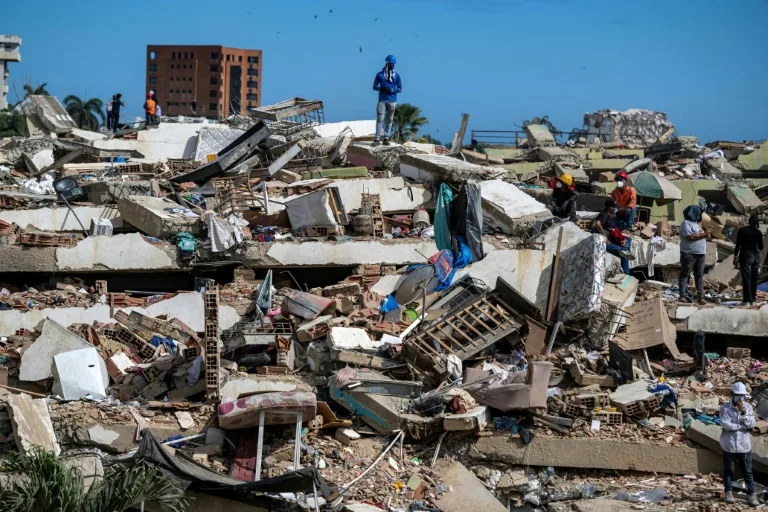
The death toll from the powerful earthquakes that struck Venezuela on June 24 has risen to 4,490, according to the latest official figures released by the government on social media.
Authorities reported that 16,740 people have been injured, while more than 19,500 residents remain in temporary shelters after the twin earthquakes devastated Caracas and the neighboring state of La Guaira.
Rescue teams from Venezuela and several foreign countries continue searching through collapsed buildings in an effort to recover victims who remain trapped beneath the rubble.
Government officials said the earthquakes damaged more than 850 buildings, with 190 structures completely collapsing.
Thousands of families who lost their homes are currently staying with relatives or friends, while more than 19,500 displaced people are living in overcrowded emergency camps set up in parks, stadiums, and public squares across La Guaira and Caracas.
International
Tensions Escalate in Middle East as U.S. Bombs Iran After Maritime Attacks
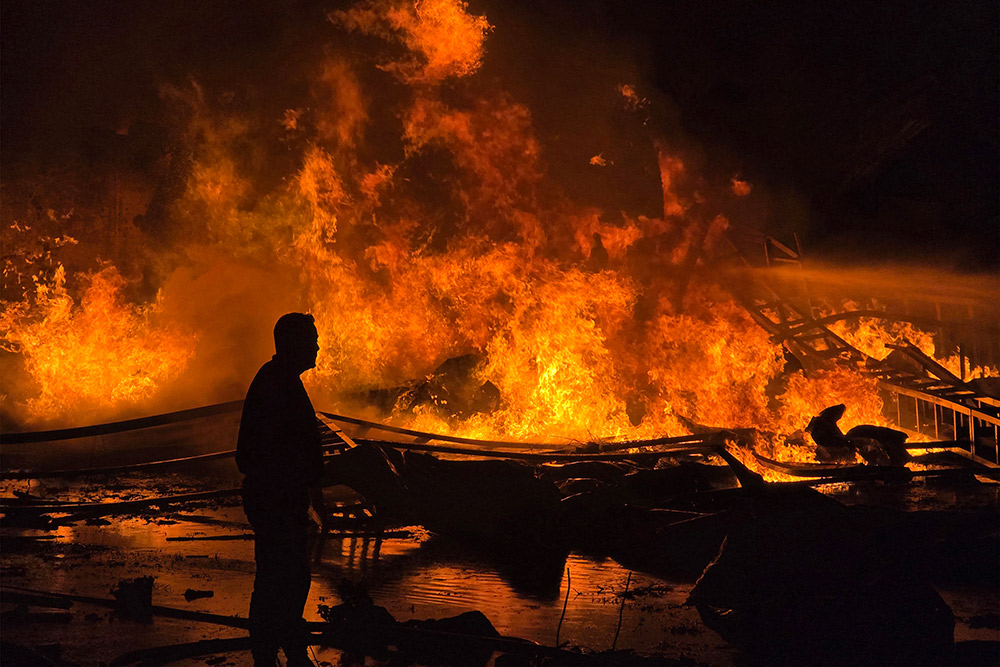
The United States launched new strikes against Iran on Wednesday, following President Donald Trump’s warning that Washington would “hit hard” against the Islamic Republic. While Trump ordered the retaliation after attacks on vessels in the Strait of Hormuz, he also said he hoped the latest wave of bombings would end soon and left the door open for renewed negotiations.
U.S. forces “have begun carrying out additional strikes against Iran to further reduce its ability to threaten freedom of navigation in the Strait of Hormuz,” the United States Central Command said in a post on X.
Washington blamed Iran for what it described as “recent unjustified aggression against commercial shipping.”
Iran’s state news agency IRNA reported that explosions were heard in the port cities of Bandar Abbas, Konarak, and Chabahar.
“This is in retaliation for yesterday’s bombing of ships by Iran. If it happens again, it will be much worse,” Trump wrote on social media alongside an image showing what appeared to be a bombing at an Iranian location.
Before ordering the strikes, the U.S. president said that the ceasefire with Iran had ended. Mediators Pakistan and Qatar called for de-escalation, while the United Nations also urged both sides to reduce tensions.
The Strait of Hormuz remains a critical flashpoint in the Middle East conflict, which began in late February after U.S. and Israeli strikes that killed Iran’s Supreme Leader Ali Khamenei.
Iran-linked attacks on at least three vessels in recent days triggered a U.S. offensive against Iranian targets on Tuesday. Tehran responded by launching attacks against Gulf countries that are allies of Washington.
International
Deadly Drug Trade Rivalry Suspected After Eight Bodies Discovered in Southern Mexico
Eight bodies were found Wednesday along a highway in the southern Mexican state of Chiapas, near the border with Guatemala, in an incident authorities believe may be linked to a dispute over local drug sales.
The victims — six men and two women — were found abandoned on a road in a mountainous area of the municipality of El Bosque, according to the state prosecutor’s office in a statement published on Facebook.
Initial investigations indicate that the killings may be connected to “a dispute over retail drug sales between local criminal groups operating in the region,” the prosecutor’s office said.
Local media reports that several criminal incidents have increased in the area since the beginning of the year.
The road where the bodies were discovered is located in a mountainous region largely inhabited by Indigenous communities. Authorities have not released further details about the victims or possible suspects as the investigation continues.

Venezuela Earthquake Death Toll Rises to 4,490 as Rescue Efforts Continue

Panama launches anti-drone measures as prison security crisis deepens

Tensions Escalate in Middle East as U.S. Bombs Iran After Maritime Attacks
Tec de Monterrey honors one of its students for his contribution to nanotechnology in medicine

Defense Minister commends salvadoran soldier for Central American Cross Country victory

Extension of the state of emergency approved in southern Chile
-
 International5 days ago
Wildfires Burn Nearly 7,800 Hectares in France as Extreme Heat Fuels Fire Risk
-
 Central America3 days ago
Panama launches anti-drone measures as prison security crisis deepens
-
 International5 days ago
UN Appeals for $296 Million in Emergency Aid Following Venezuela Earthquakes
-
 International4 days ago
Deadly Drug Trade Rivalry Suspected After Eight Bodies Discovered in Southern Mexico
-
 International5 days ago
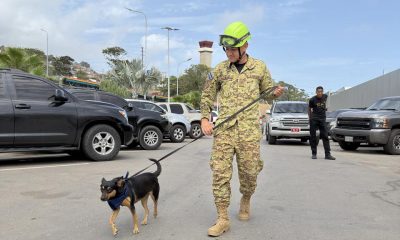
USAR El Salvador Helps Rescue Dogs Trapped for 12 Days Beneath Earthquake Rubble
-
 Central America4 days ago
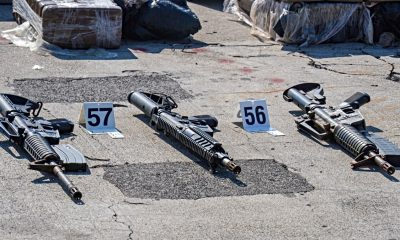
Regional Naval Operations Strike Drug Cartels, Disrupting Cocaine and Weapons Trafficking Routes
-
 International5 days ago
German Doctor Sentenced to Life for Murdering 15 Patients in Serial Killing Case
-
 International4 days ago
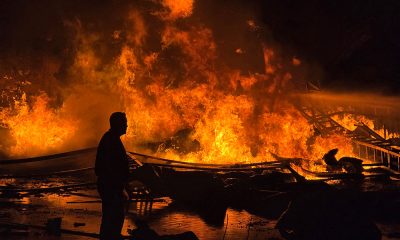
Tensions Escalate in Middle East as U.S. Bombs Iran After Maritime Attacks
-
 International11 hours ago
Venezuela Earthquake Death Toll Rises to 4,490 as Rescue Efforts Continue