
International
Iran warns that it could review the civilian use of its nuclear doctrine for Israeli threats

Iran could revise its “nuclear doctrine” – which until now dictated an exclusively civilian use of this energy – if Israel threatens to attack its atomic centers, the Iranian Revolutionary Guard warned on Thursday in the midst of the escalation between the two countries.
“If the false Zionist regime wants to use the threat of attacks against our nuclear centers as a method of pressuring Iran, it is possible for Iran to review its nuclear doctrine and policy and leave previous considerations behind,” warned General Ahmad Haghtalab, commander of the Revolutionary Guard responsible for safeguarding Iranian atomic facilities, the Mehr agency reported.
Iran has so far assured that its nuclear program has an exclusively civilian purpose and even the supreme leader of Iran, Ali Khamenei, even issued a fatua – religious ruling – that condemns atomic weapons.
The Iranian Foreign Minister, Hosein Amir Abdolahian, assured in New York that his country warned the United States that it would attack Israel in retaliation for the bombing of the consulate, something that Washington has denied.
“We clearly said through messages to the Americans that the decision taken by the Supreme National Security Council headed by the president (Iran) to punish the Zionist regime (Israel) was final and final,” Abdolahian said upon his arrival in New York.











“After the punitive action, at approximately 2.30 on Sunday, we sent another message to the United States through diplomatic channels in which we affirm that we are not looking for an escalation of tension in the region,” the minister said, according to the Iranian state agency IRNA.
The United States Government denied on Monday that Iran notified it in advance when the attack on Israel was going to take place and the targets it had planned to hit, contradicting the version of the Iranian Government and other neighboring countries.
Iran launched a missile and drone attack against Israel last Saturday, in retaliation for the bombing of the Iranian consulate in Damascus, in which seven members of the Revolutionary Guard were killed.
Israel has stated that they will respond to the Iranian attack, before which Tehran has raised the tone of its warnings and has in turn assured that it will take action against a possible Israeli retaliation.
Abdolahian is in New York to participate in a meeting of the UN Security Council, which will vote on a resolution presented by Algeria to request the membership of Palestine as a full-fledged state of the UN.





























International
India Approves New Dengue Vaccine as Global Cases Continue to Rise
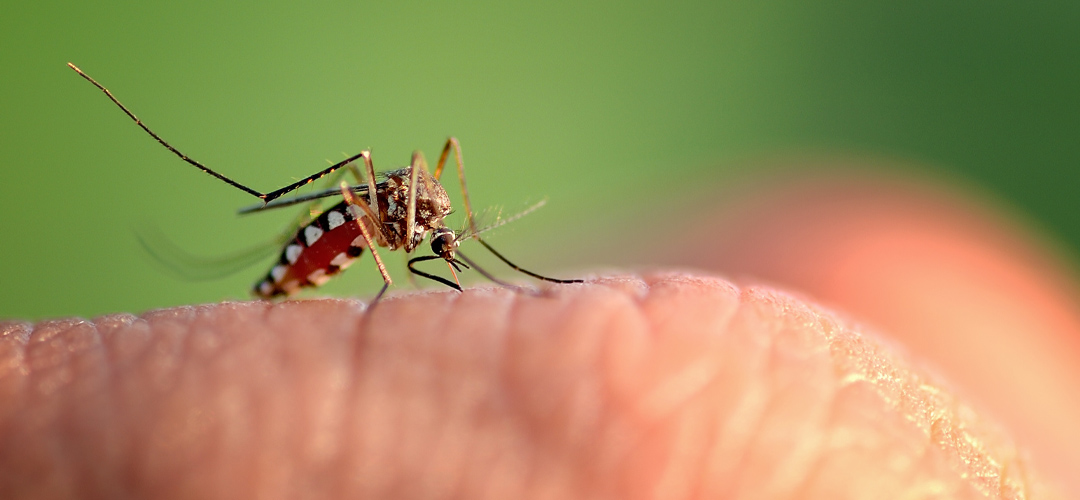
India has approved a new dengue vaccine as health authorities seek to strengthen prevention efforts against a mosquito-borne viral disease that affects millions of people worldwide every year.
According to the World Health Organization (WHO), half of the global population is currently at risk of contracting dengue, which causes between 100 million and 400 million infections annually.
Since 2021, India has recorded more than one million dengue cases, including at least 1,500 deaths.
The virus can cause high fever, severe headaches, muscle pain, nausea, skin rashes and, in rare cases, internal bleeding and death.
The vaccine, authorized by India’s Central Drugs Standard Control Organization (CDSCO), was developed by Japanese pharmaceutical company Takeda. The Indian Health Ministry said the vaccine is recommended in two doses for people between 4 and 60 years old.
The treatment has already been approved by health authorities in around 40 countries worldwide.
Meanwhile, Indian pharmaceutical company Panacea Biotec has begun the final phase of clinical trials for a single-dose dengue vaccine, aiming to provide another prevention option against the disease.
Brazil recently announced the suspension of the use of another single-dose dengue vaccine developed in the country after two suspected deaths were reported.
International
U.S. Sends First Humanitarian Aid Flight to Cuba Amid Ongoing Tensions Between Both Governments
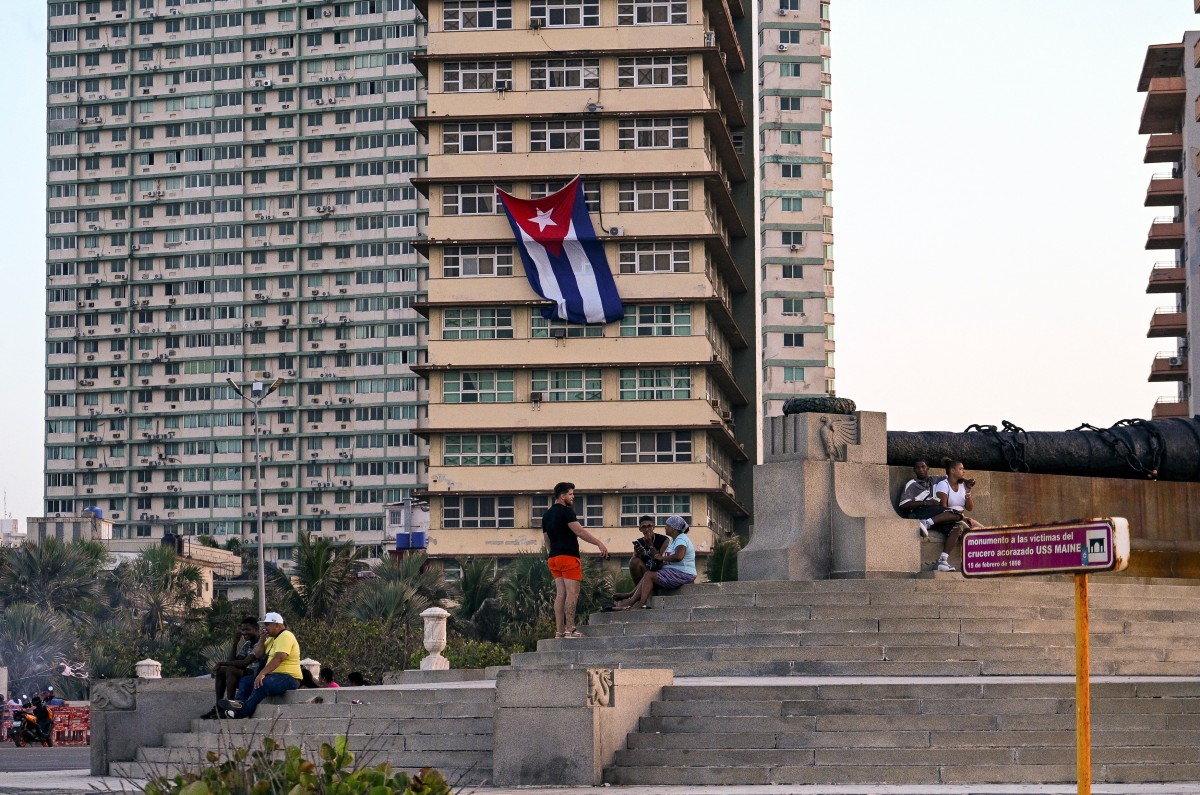
The United States announced Tuesday the dispatch of a humanitarian aid flight to Cuba as part of a $100 million assistance package proposed by Secretary of State Marco Rubio in May.
The flight departed from Miami with the support of Catholic Relief Services, according to a statement from the U.S. State Department.
The administration of President Donald Trump, which has maintained restrictions on oil supplies to the island and tightened sanctions against the Cuban government, had initially announced humanitarian assistance in November following the devastating impact of Hurricane Melissa.
In February, amid rising tensions between Washington and Havana, Rubio announced an increase in aid while continuing to criticize the Cuban government.
The U.S. secretary of state accused Cuba’s communist authorities of obstructing the distribution of assistance. Washington has insisted that the aid be delivered through the Catholic Church to ensure it reaches Cuban citizens directly.
The Cuban government, meanwhile, has blamed the U.S. oil blockade for making the distribution of humanitarian assistance significantly more difficult.
The aid shipment comes as relations between the two countries remain strained, with disagreements continuing over sanctions, energy supplies and the management of humanitarian support.
International
Controversial Pesticide Law Passes in France, Sparking Ecological Concerns and Ministerial Fallout
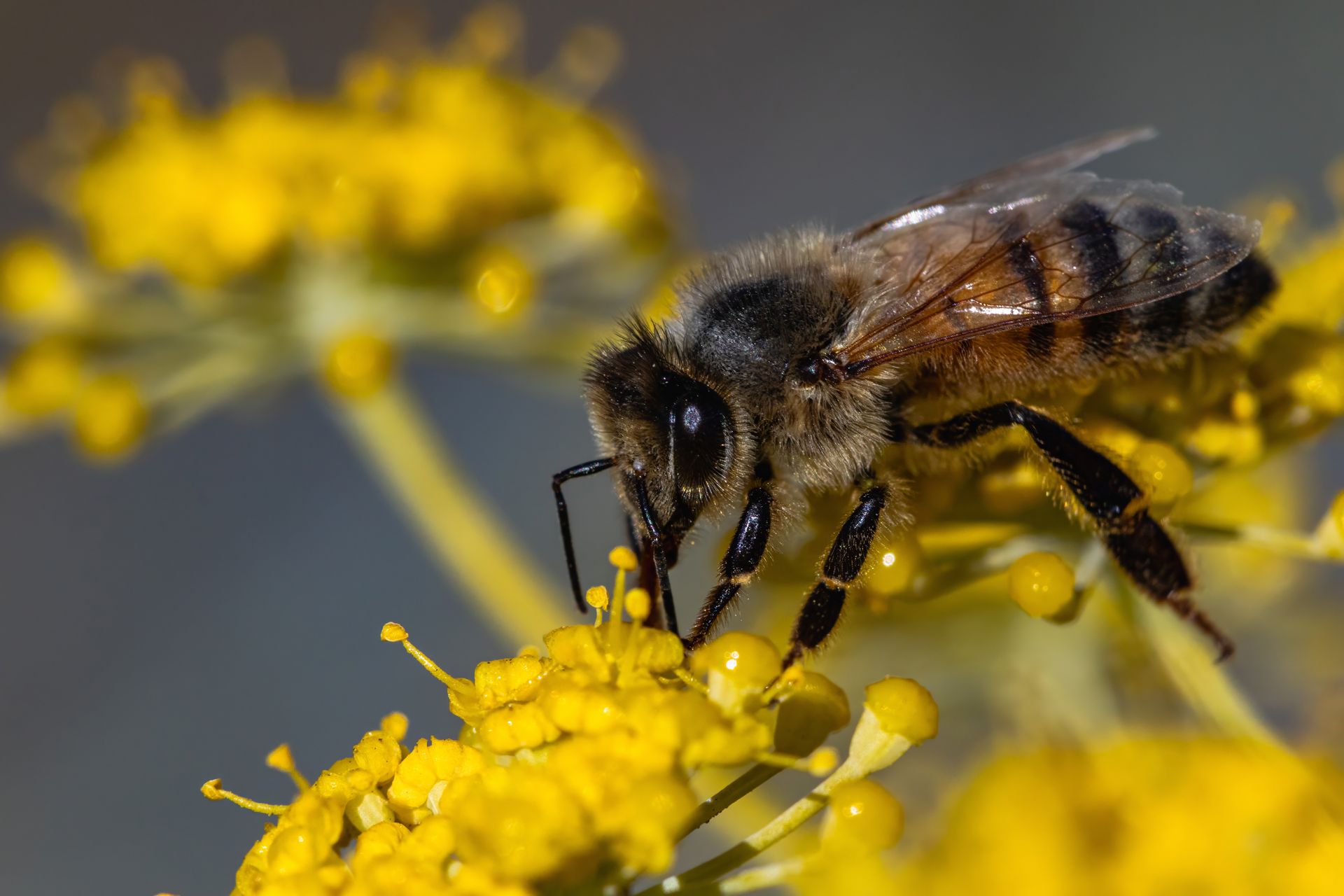
The French Parliament on Tuesday approved a highly controversial agricultural law that allows certain farmers to use two pesticides considered harmful to bees, substances that had been banned in France but remain authorized in the European Union.
After the National Assembly, the lower house of Parliament, approved the agricultural bill in the early hours of Tuesday, the Senate gave its final approval with a vote of 214 in favor and 111 against, officially adopting the measure.
Following the decision to reintroduce the use of acetamiprid and flupyradifurone, the office of Environment Minister Monique Barbut announced that she would soon submit her resignation.
Supporters of the measure argue that French producers of sugar beets, apples and hazelnuts need access to these insecticides — banned in France since 2018 and 2019, respectively — to remain competitive with European farmers in other countries where the products are still allowed.
Opponents, including environmental groups, argue that the substances pose serious risks to bees and could also threaten human health.
“Let us be proud of the work that has been done,” said Senator Laurent Duplomb of the conservative Republicans party, one of the main supporters of the measure.
The vote came after France’s Constitutional Council, the country’s highest court, struck down a previous attempt last year to bring back acetamiprid, ruling that the measure could pose risks to human health. That decision followed a petition signed by more than two million people opposing the pesticide’s reintroduction.
The previous bill had also been promoted by Duplomb, who argued that French agriculture needed additional tools to compete in international markets.


India Approves New Dengue Vaccine as Global Cases Continue to Rise

U.S. Sends First Humanitarian Aid Flight to Cuba Amid Ongoing Tensions Between Both Governments

Controversial Pesticide Law Passes in France, Sparking Ecological Concerns and Ministerial Fallout
Tec de Monterrey honors one of its students for his contribution to nanotechnology in medicine

Defense Minister commends salvadoran soldier for Central American Cross Country victory

Extension of the state of emergency approved in southern Chile
-
 International19 hours ago
Controversial Pesticide Law Passes in France, Sparking Ecological Concerns and Ministerial Fallout
-

 International4 days ago
Ten Bodies Found in Mexico’s Zacatecas State Amid Security Operation
-

 International2 days ago
Iran Says It Is in “Full-Scale War” as U.S. Launches Ninth Consecutive Night of Airstrikes
-

 International2 days ago
French Parliament Moves to Approve Social Media Age Limit for Minors
-
 International19 hours ago
U.S. Sends First Humanitarian Aid Flight to Cuba Amid Ongoing Tensions Between Both Governments
-

 International2 days ago
WHO to Hold New Round of Talks After Slow Progress on Pandemic Accord
-

 Sports19 hours ago
MLS Awaits Blockbuster Debuts as Griezmann and Lewandowski Join the Spotlight
-
 International19 hours ago
India Approves New Dengue Vaccine as Global Cases Continue to Rise