
Central America
Costa Rica receives nuns expelled from Nicaragua by Daniel Ortega

April 13 |
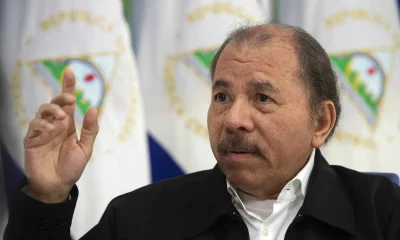
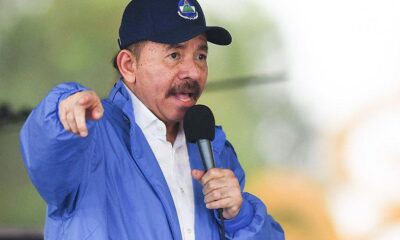
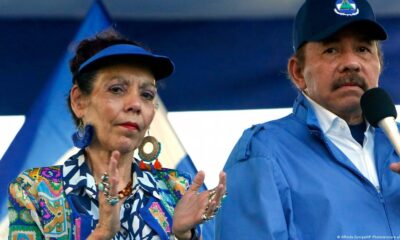
Costa Rica received on Wednesday two nuns of the Dominican Congregation of the Annunciation who left Nicaragua after being expelled by the government of President Daniel Ortega.
The bishop of the Diocese of Tilarán-Liberia, Monsignor Manuel Eugenio Salazar, expressed his willingness to provide any support required by these nuns, who also have Costa Rican nationality, as well as their families and the rest of the congregation.
“The two religious sisters of the Dominican congregation of the Annunciation, Isabel and Cecilia Blanco Cubillo, expelled from Nicaragua, were received by their sister Violeta Blanco Cubillo together with her husband, Carlos Vargas, after 2 p.m., today, Wednesday 12”, informed the diocese in a communiqué.
The women were in charge of the Lopez Carazo Foundation Home for the Elderly, in the city of Rivas, in the south of Nicaragua, on the Pacific coast. However, the Ortega government gave the nuns 72 hours to leave the country, reported Confidencial, directed by journalist Carlos Fernando Chamorro.











Along with the Costa Rican nuns there was also a Salvadoran woman in charge of the Home for the Elderly.
The Nicaraguan government has not made any statement on the expulsion of the nuns.
Voice of America asked for comments from the expelled missionaries, but they declined to talk about it.
The López Carazo home for the elderly was founded in 1916, according to local media, and the land where it is built was donated by the family of former president Evaristo Carazo.
Nicaragua is going through a political crisis which on April 18 will be five years old, with no way out in sight.
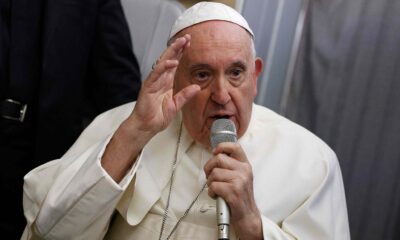
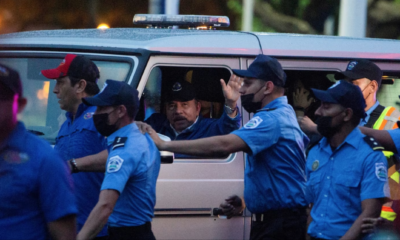
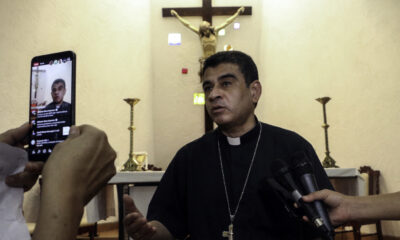
Ortega has undertaken a persecution against the Catholic Church, according to human rights organizations, and has expelled the Vatican envoy in Nicaragua, Waldemar Stanislaw Sommmertag. He is also keeping in jail an important bishop accused of “emitting false news”, among other crimes.






























Central America
Prosecutors Accuse Ex-Defense Minister of Undermining Press Freedom in Honduras
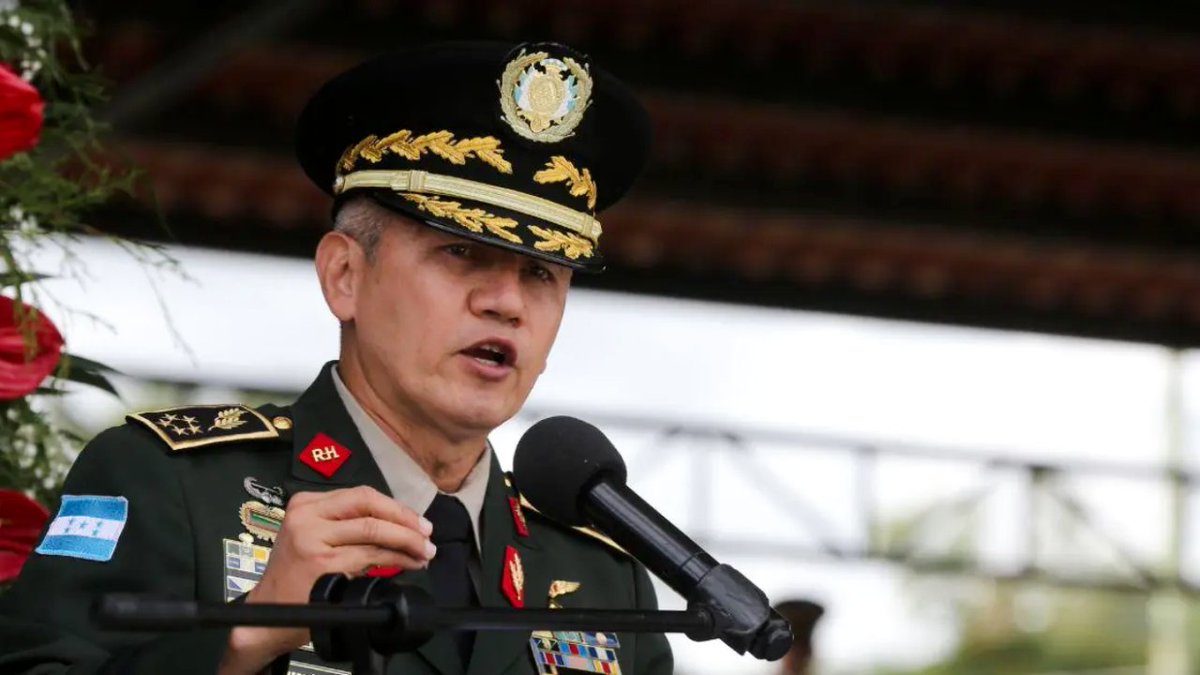
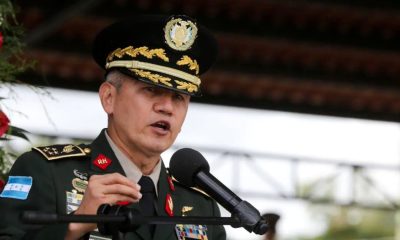
Honduras’ Public Prosecutor’s Office on Wednesday filed criminal charges against retired General Roosevelt Hernández, the country’s former defense minister and former chief of the Joint Chiefs of Staff, over his alleged role in actions that prosecutors say undermined press freedom and freedom of expression.
Prosecutors said the case was brought by the Special Prosecutor’s Office for the Protection of Journalists, Social Communicators, Human Rights Defenders and Justice Officials following an investigation into content published between 2025 and 2026 on a digital media platform operated by the Honduran Armed Forces.
According to the investigation, the publications were reported by journalists and the Honduran Journalists Association (CPH), which described them as part of an alleged campaign to discredit members of the press and media organizations.
The case dates back to May 2025, when the CPH filed complaints with national and international organizations after the Armed Forces referred to three journalists as “hitmen” in an article published by FF.AA. Digital. The association argued that the publication endangered the journalists’ safety and constituted an attack on press freedom.
The journalists identified in the publication as “hitmen of the truth” were Rodrigo Wong Arévalo, director of the television news program Abriendo Brecha; Dagoberto Rodríguez, director of Radio Cadena Voces; and Juan Carlos Sierra, president of the Honduran Journalists Association. The article also included photographs of the three journalists and the CPH’s logo.
The Public Prosecutor’s Office said the case file includes formal complaints, pretrial investigative proceedings, a specialized forensic analysis of audiovisual and digital material, and witness testimony gathered during the investigation to determine whether the publications violated freedom of expression and the exercise of journalism.
Authorities emphasized that freedom of the press and freedom of expression are protected under the Honduran Constitution as well as international treaties ratified by the country.
Central America
EU Urges Nicaragua to Hold Free and Transparent Elections Amid Proposed Electoral Reforms
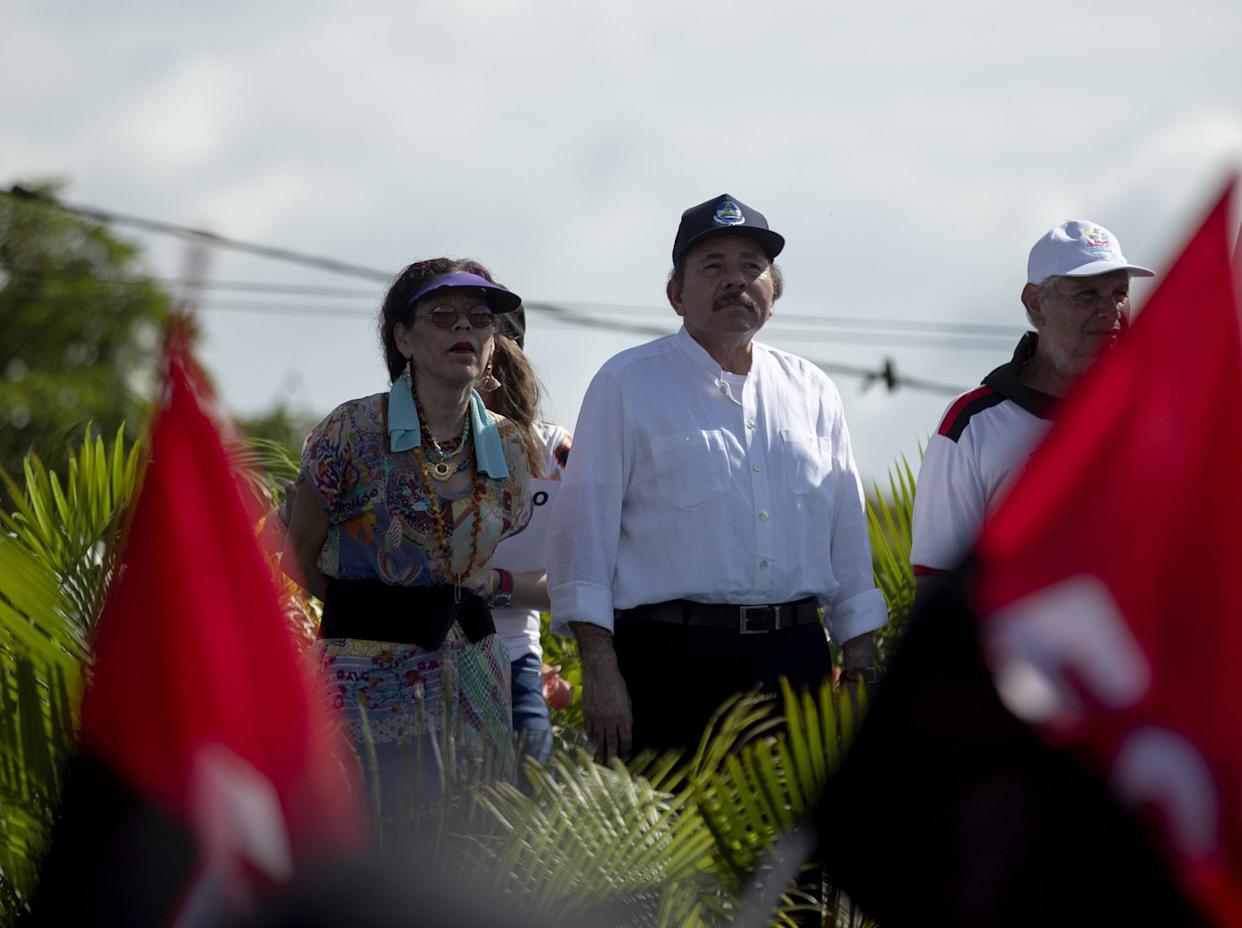
The European Union on Saturday called on Nicaragua to hold elections “in accordance with international standards” after the country’s co-president, Daniel Ortega, promoted electoral reforms that critics say would prevent opposition groups from participating in future elections.
Nicaragua’s National Assembly, which is controlled by allies of President Ortega and Co-President Rosario Murillo, announced on Wednesday that it would draft a package of constitutional and electoral reforms to be voted on in August. Legislative President Gustavo Porras said the changes are intended to prevent what he described as the “terrible manipulation by empires and their lackeys” in the country’s electoral process, referring to opposition groups.
In a statement issued on behalf of the European Union’s 27 member states, EU High Representative for Foreign Affairs and Security Policy Kaja Kallas urged the Nicaraguan authorities to preserve democratic principles.
“We call on the authorities to convene elections and ensure that they are held as originally scheduled and conducted in a transparent, inclusive, and credible manner, in accordance with international standards,” Kallas said.
The European Union also reiterated its condemnation of what it described as the Nicaraguan government’s “systemic repression.” Kallas called for dialogue between Ortega’s administration and opposition groups before any electoral reforms are implemented.
Ortega, who has been in power for nearly two decades, has faced repeated criticism from the international community over restrictions on political opponents and civil liberties.
In response to the growing international criticism, the Nicaraguan government announced on Friday that it will brief foreign diplomats on the proposed reforms, seeking to explain the objectives and scope of the legislative package before it is debated in Congress next month.
Central America
Honduras Warns of Possible New Dengue Epidemic as Cases Continue to Rise
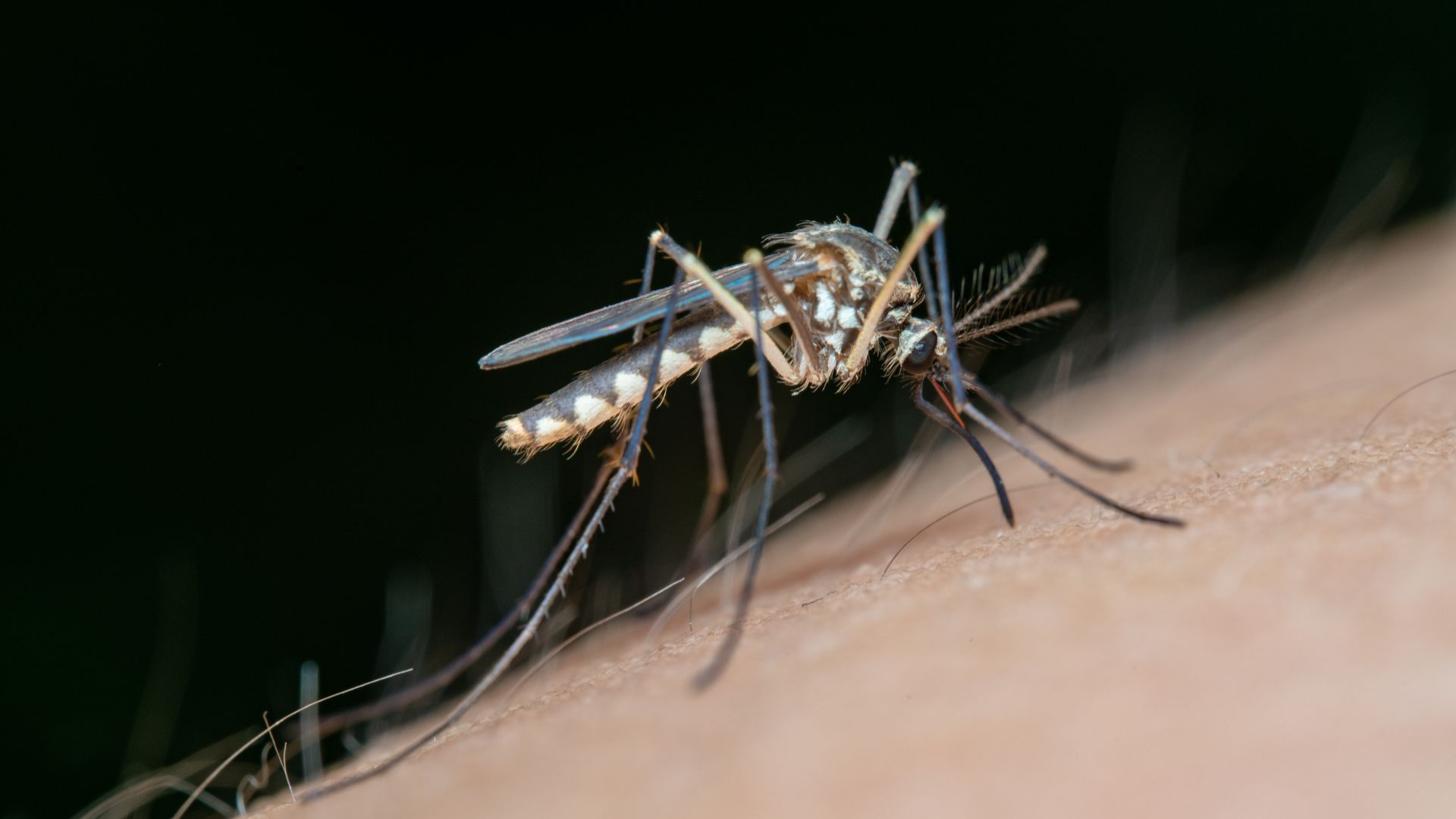
Honduras could be on the verge of a new dengue epidemic, according to physician and Honduran lawmaker Carlos Umaña, who warned about the sustained increase in cases across the country.
“We are on the verge of a new dengue epidemic because cases have been rising steadily,” Umaña said, urging citizens to take preventive measures. “Let’s eliminate breeding sites so we do not face fatal consequences later,” he added.
According to official data cited by Honduran media, the country had recorded 5,780 dengue cases nationwide through epidemiological week 26, covering the period from June 28 to July 4.
Of that total, 1,362 patients developed dengue with warning signs, while at least 100 cases progressed to severe dengue, increasing pressure on the national healthcare system.
Although current figures represent a decline of nearly 39% compared with the same period in 2025, when more than 9,400 cases had been reported, health authorities continue monitoring the situation due to the risk of a new surge.
Umaña warned that if the spread of the virus is not contained, Honduras could face an increase in fatalities, particularly among vulnerable groups such as children and adolescents.
Health officials continue urging the population to remove mosquito breeding sites and strengthen prevention measures to reduce transmission of the disease.


EU Faces Migration Crisis After 60,000 Migrants Arrive in Spain’s Ceuta Enclave

Chuck Schumer Unveils Proposal to Strengthen Oversight of the U.S. Presidency

Trump Administration Urges Latin America to Increase Defense Spending Against Organized Crime
Tec de Monterrey honors one of its students for his contribution to nanotechnology in medicine

Defense Minister commends salvadoran soldier for Central American Cross Country victory

Extension of the state of emergency approved in southern Chile
-
 International19 hours ago
EU Faces Migration Crisis After 60,000 Migrants Arrive in Spain’s Ceuta Enclave
-
 International4 days ago
U.S. and Iran Maintain Ceasefire as Trump Expresses Optimism Over New Talks
-
 International4 days ago
Portuguese Authorities Seize 2.6 Tons of Cocaine Worth More Than $550 Million in Drug Bust
-
 International3 days ago
Five Bodies Found in Ecuador as Police Probe Suspected Gang Turf War
-
International2 days ago
Chuck Schumer Unveils Proposal to Strengthen Oversight of the U.S. Presidency
-
 International4 days ago
Police Investigate After Remains of Five Newborns Found in French Apartment
-

 International3 days ago
Georgia Teen Sentenced to Life Without Parole for Deadly School Shooting
-
 Central America3 days ago
Prosecutors Accuse Ex-Defense Minister of Undermining Press Freedom in Honduras
-

 International5 days ago
Costa Rica Seeks to Expand Extradition Law to Target Organized Crime
-
 International2 days ago
FAO and WFP Seek $42 Million to Prepare Southern Africa for Unprecedented El Niño
-

 International5 days ago
China Accuses U.S. AI Firms of Using Chinese Models to Train Artificial Intelligence
-
 International2 days ago
Trump Administration Urges Latin America to Increase Defense Spending Against Organized Crime
-

 International5 days ago
Three Killed, Four Injured in Shooting Near Seattle’s Space Needle