
International
High-profile murder trial shines light on Argentine discrimination
January 28 | By AFP | Philippe Bernes-Lasserre |
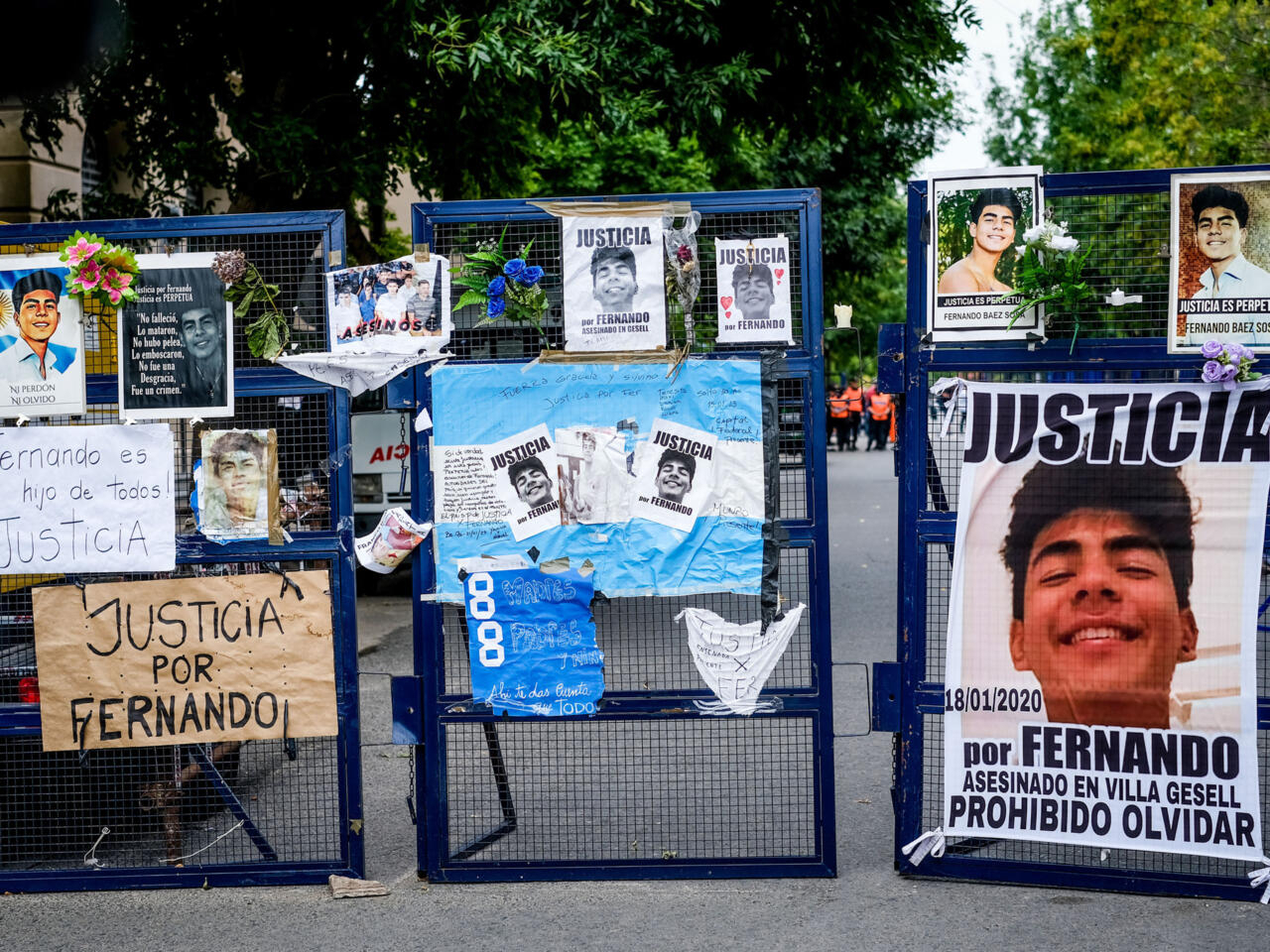
The shocking story of a teenager beaten to death by eight young rugby players has opened old wounds and shed light on class, race and gender discrimination in Argentine society.
Eight friends, now age 21 to 23, are facing life in prison if convicted of the premeditated murder of Fernando Baez three years ago in a popular seaside resort.
The trial is under way in Dolores, 200 kilometers (125 miles) south of Buenos Aires, and has gripped the nation, as did the original murder that sparked protests in several cities.
In the early hours of January 18, 2020, a fight broke out in a nightclub in Villa Gesell, a resort city popular with young people.











After those involved were evicted from the club, their quarrel continued in the street, but Baez, then 18, became isolated from his friends and surrounded by the eight defendants, who beat him so severely that he died of his injuries.
The trial opened three weeks ago but precious little light has been shone on who did what that night.
Some defendants have even denied hitting Baez.
The matter of who, or what, exactly was responsible for Baez’s death has inflamed social media debates.
“The question of class plays an important role in this case,” said sociologist Guillermo Levy, a professor at the universities of Buenos Aires and Avellaneda.
“Most of the rugby players are from rich, rural families.”
Some have pointed the finger at rugby itself, and the culture that surrounds it.
“It’s true that it is a cocktail of violence, racism, machismo, alcohol, etc. But I’m going to add the component of rugby training,” Facundo Sassone, a sociologist at the University of San Martin who is also a junior rugby coach, told AFP.
He said the “herd” mentality nurtured within a team environment had a role to play.
‘Why did rugby values fail?’
For all its positive publicity as a sport where respect and camaraderie are integral, rugby has a dark side in which gratuitous violence, and sometimes deeply inappropriate pranks, are commonplace and unquestioned.
“If we… say that it is a sport of values and friendship, why did it fail?” asked Sassone.
“Some issues can be misunderstood by rugby players and can generate situations of violence away from the pitch.”
Some former professional players have spoken out on the matter.
Former Argentina captain Agustin Pichot was one of the people to hit out at his sport after meeting Baez’s family in 2021.
He said rugby had “normalized bad things” by failing “to differentiate good from bad” in some of the practices that have developed within and around the sport.
Rugby by no means has a monopoly on violence — barely a year goes by without a death related to clashes between rival football fans, while drink-fueled fights outside nightclubs are commonplace.
It is a minority sport in Argentina, whose popularity pales compared with football.
But it stands out because it is traditionally played and watched by a wealthy elite.
And that is why this case has captured the public’s imagination in a way that violence between poor people would not, said sociologist and writer Alejandro Seselovsky.
The wealthy white “who kills, that’s like ‘a man bit a dog’, it’s newsworthy,” said Seselovsky.
‘Society needs to reflect’
The racial aspect of this murder is also forcing Argentine society to confront an awkward truth it would rather brush under the carpet.
According to witnesses, the defendants called Baez — whose parents, a bricklayer and a caregiver, are both Paraguayan immigrants — a “shitty black” while beating him.
“You cannot escape the reference to Fernando’s blackness in the assault,” sociologist Sebastian Bruno, an immigration specialist, told AFP.
The “racism and classism” is obvious, said Bruno, although Levy points out that it “doesn’t mean they wouldn’t have attacked him if he weren’t” Paraguayan.
In a country where the majority of the population is descended from white Europeans, mostly from Spain, Italy or Germany, the term “black” has been widely used to describe indigenous people or migrants from neighboring countries viewed as inferior, said Bruno.
“We need to reflect on the society that produced this,” said Levy.










International
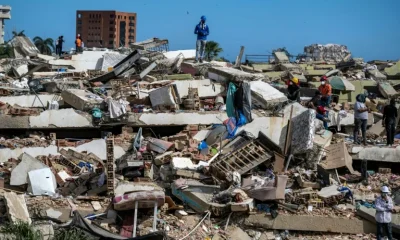
WHO warns of increased disease outbreak risk in Venezuela amid low vaccination coverage
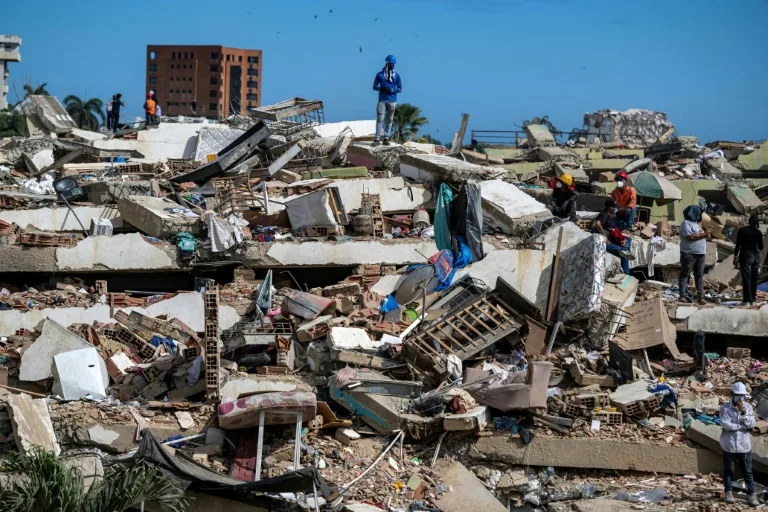
The World Health Organization (WHO) has warned of an increased risk of disease outbreaks in Venezuela, including vaccine-preventable illnesses, due to low immunization coverage across the country.
“The vaccination coverage in Venezuela, particularly against measles and other diseases, was already low, so the risk of measles cases and other illnesses is currently high,” said Ciro Ugarte, director for emergencies at the Pan American Health Organization (PAHO), the WHO’s regional office.
Speaking during a video conference with journalists, Ugarte said the risk is especially high in shelters, where overcrowding could significantly accelerate the transmission of infectious diseases.
He also highlighted water quality as an additional concern in the aftermath of the disaster, noting that safe drinking water is not guaranteed in the most affected areas.
“Unfortunately, supply is scarce, making it very difficult to assess conditions in all shelters. That is why evaluating the quality of water provided to the population, especially in large shelters, is a priority,” he said during a briefing in Geneva.
Ugarte suggested that targeted vaccination campaigns could be deployed against mosquito-borne and other vector-transmitted diseases, particularly in overcrowded shelters and in areas where people remain displaced.
According to PAHO, eight health facilities have been assessed so far, all of which require assistance, with three reporting structural damage.
He also stressed that the José María Vargas Hospital, one of Caracas’s major public reference hospitals, requires urgent support due to critical conditions. The facility is currently treating 96 patients in an eight-bed unit, while its blood bank is operating at extremely low levels.
In La Guaira, the Rafael Medina Jiménez Hospital has reduced its capacity from 108 to 35 beds. Additionally, 22 other health centers have reported severe shortages, underscoring the strain on Venezuela’s healthcare system.
International
María Corina Machado’s attempted return to Venezuela reportedly halted amid US political concerns
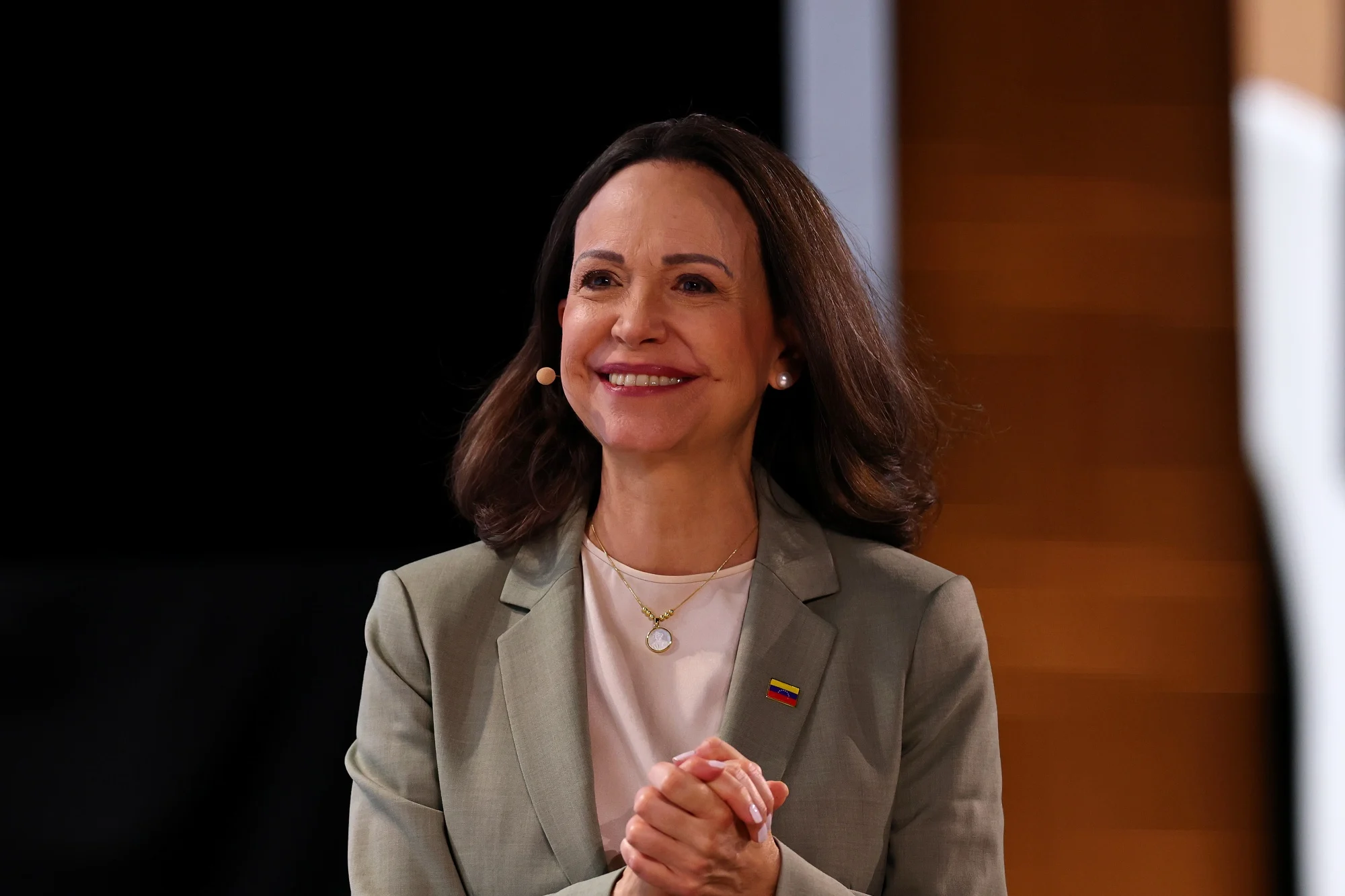
The administration of U.S. President Donald Trump reportedly pressured Venezuelan opposition leader and Nobel Peace Prize laureate María Corina Machado and disrupted her planned return to Venezuela following recent earthquakes, amid concerns over a potential political crisis, according to The Wall Street Journal.
Sources familiar with the matter told the newspaper that a private jet carrying Machado from the United States to Curaçao was ordered to turn back last week after U.S. officials concluded she intended to continue onward to Venezuelan territory, effectively reversing her earlier departure route from December.
The opposition figure had reportedly spent months preparing to re-enter Venezuela in an effort to renew pressure for new elections, following the detention of then-president Nicolás Maduro under an order issued by Trump. The U.S. president has since stated that Washington’s relationship with Venezuela’s acting leadership, headed by Delcy Rodríguez, is “excellent.”
According to The Wall Street Journal, intermediaries close to the White House warned Machado that proceeding with her return plan could jeopardize her support from Trump and undermine broader U.S. strategy toward Venezuela, potentially delaying electoral plans.
Despite these warnings, Machado reportedly attempted a second route back through Panama. However, Copa Airlines declined to transport her to Venezuela, citing concerns over possible retaliation from Caracas against the airline, according to unnamed sources.
From Panama City, Machado stated on Monday that the Venezuelan government had closed commercial airspace to prevent her return, calling it “urgent” to go back to the country to “face this catastrophe together,” without addressing reports of U.S. pressure.
Axios reported that Trump administration officials viewed Machado’s attempted return as “grotesque political opportunism” in the aftermath of recent earthquakes that have left at least 2,595 people dead and thousands injured, while also delaying reconstruction efforts and potential electoral processes.
Since Maduro’s detention on January 3, President Trump has reportedly expressed support for Rodríguez, the former vice president, who has agreed to trade, mining, and oil agreements demanded by Washington. Trump has described Venezuela as effectively operating under U.S. oversight and has claimed the country is improving economically through increased oil production and exports.
Venezuelan opposition groups based in the United States have urged the Trump administration to reconsider its relationship with Rodríguez and criticized Washington’s stated satisfaction with reconstruction efforts following the June 24 earthquakes.
International
Rush for Air Conditioners Sparks Tensions at French Supermarkets Ahead of New Heatwave
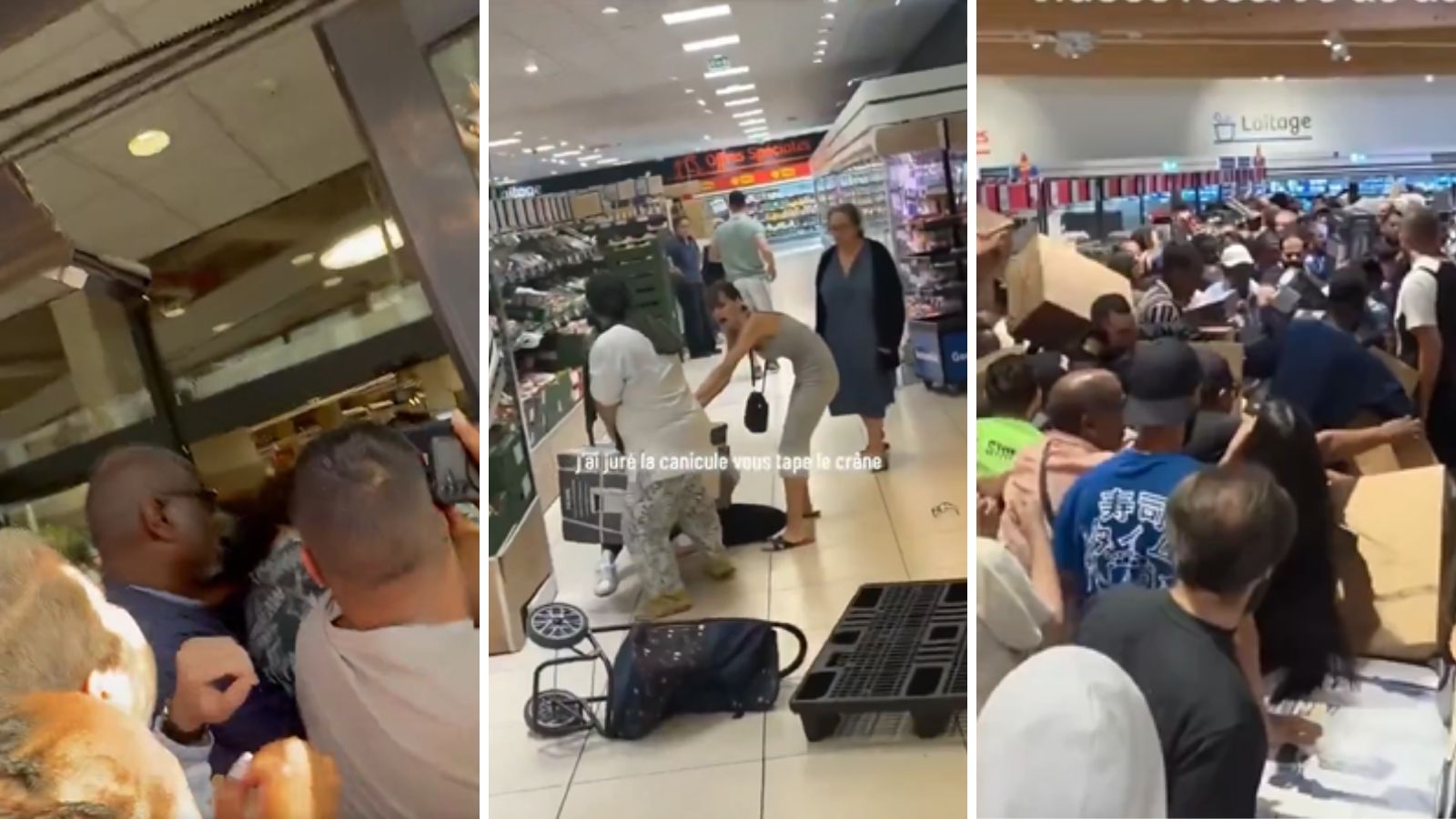
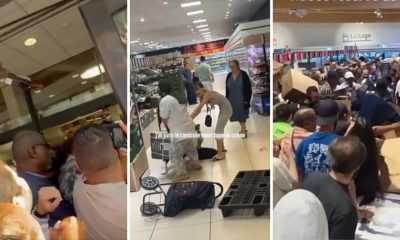
Scenes of long lines, overcrowded stores and customer disputes unfolded across France on Thursday as shoppers rushed to buy air conditioners and fans ahead of another expected heatwave.
The buying frenzy comes as the country continues to recover from last week’s extreme temperatures, which exceeded 40°C (104°F) in several areas and produced the warmest night on record, with an average temperature of 22°C (71.6°F). Authorities have linked the heatwave to at least 1,000 excess deaths.
Demand for cooling appliances has surged in recent days, prompting heavy traffic at appliance retailers. The situation intensified on Thursday when German discount supermarket chain Lidl launched a promotion on portable air conditioners and electric fans.
Videos shared on social media showed large crowds gathering outside stores, with customers pushing and rushing to secure the discounted products.
“Lidl France regrets the incidents that occurred in its stores,” the company told AFP, adding that employees were forced to manage tense situations in what it described as a challenging environment.
Outside a Lidl store in northwestern Paris, dozens of customers began lining up as early as 7:00 a.m., two hours before opening, while police monitored the crowd, according to an AFP journalist at the scene.
Although many shoppers remained in good spirits, tensions escalated as some people attempted to cut in line. “I will not open the store until they leave,” a store manager reportedly shouted as frustrated customers protested.
The situation worsened after customers discovered that the store, located in a working-class district of Paris, had only two air conditioning units available for sale.
One of the successful buyers, Lassana, who declined to provide his last name, said he had queued since 4:00 a.m. to secure one of the units.
Another customer, 69-year-old Fatou, was only able to purchase a small fan after what he described as a struggle. He criticized Lidl’s advertising as “misleading,” claiming police had temporarily closed access to the store because of the crowds.
Lidl France attributed the shortages to its fixed annual purchasing cycle, explaining that the promotional products had been ordered a year in advance and were offered at predetermined prices, limiting the available stock.

WHO warns of increased disease outbreak risk in Venezuela amid low vaccination coverage

María Corina Machado’s attempted return to Venezuela reportedly halted amid US political concerns

Rush for Air Conditioners Sparks Tensions at French Supermarkets Ahead of New Heatwave
Tec de Monterrey honors one of its students for his contribution to nanotechnology in medicine

Defense Minister commends salvadoran soldier for Central American Cross Country victory

Extension of the state of emergency approved in southern Chile
-
 International5 days ago
Venezuela Earthquake Death Toll Surpasses 1,700 as Search for Survivors Continues
-
 International4 days ago
Salvadoran National Arrested in New Jersey with Over 70 Machine Gun Conversion Devices
-
 International5 days ago
Venezuela Earthquakes Spark Diplomatic Thaw With Former Critics
-
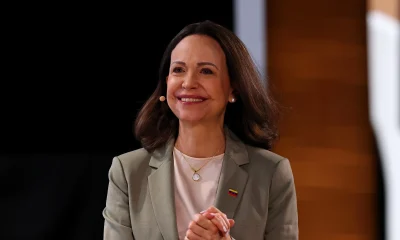 International1 day ago
María Corina Machado’s attempted return to Venezuela reportedly halted amid US political concerns
-
 International3 days ago
Three Die During World Cup Celebrations in Mexico City After Mexico’s Victory
-
 International3 days ago
Families Sue Nicolás Maduro in U.S. Over Alleged Extrajudicial Killings
-
 International2 days ago
Peru Expands Emergency Measures Ahead of Heavy El Niño Rains
-
 International2 days ago
Rush for Air Conditioners Sparks Tensions at French Supermarkets Ahead of New Heatwave
-
 International1 day ago
WHO warns of increased disease outbreak risk in Venezuela amid low vaccination coverage