
International
Ex-security chief ‘betrayed’ Mexico, drugs trial hears
January 23 | By AFP |
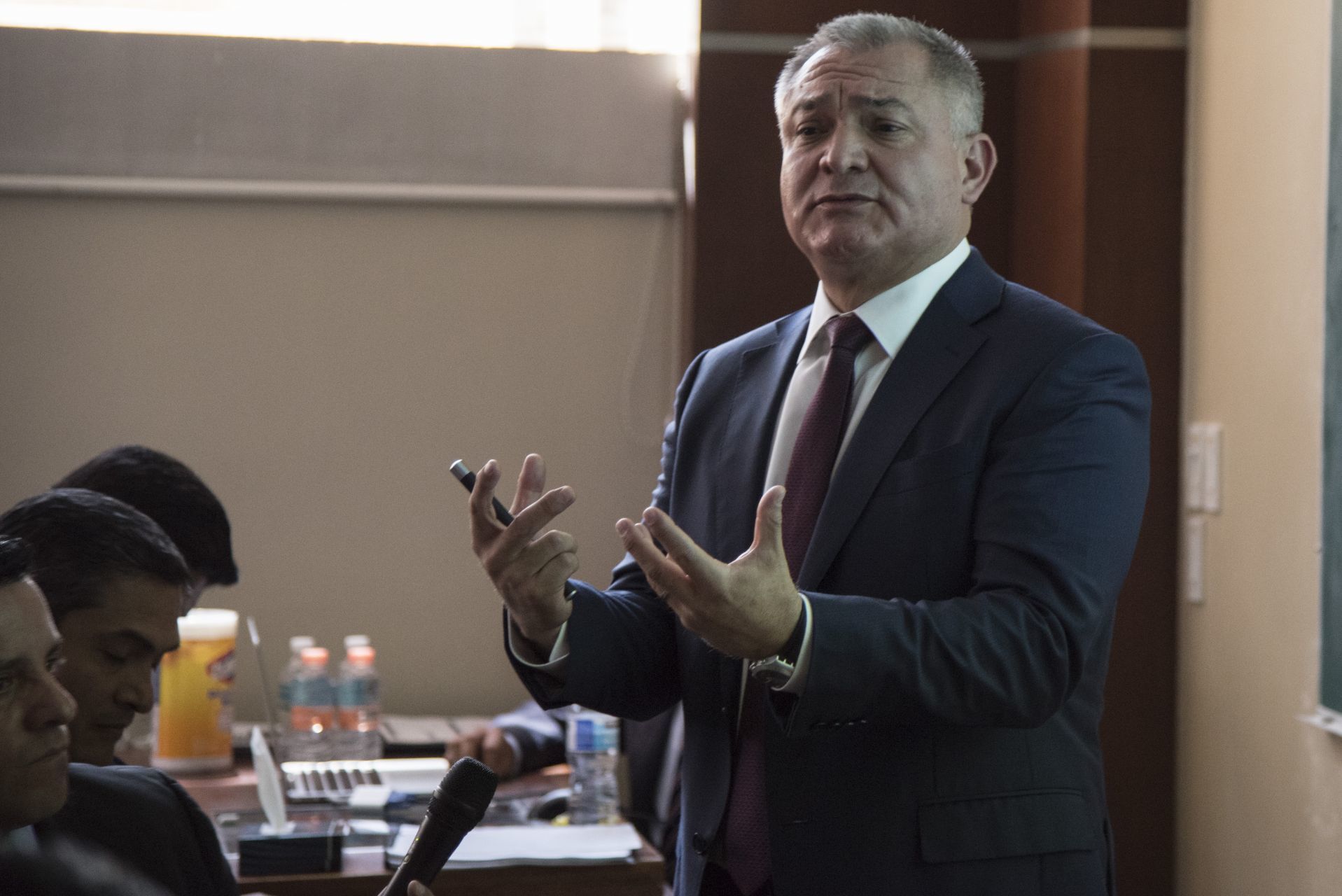
A once-powerful Mexican government minister “betrayed” his country by engaging in the very drug trafficking he was in charge of stopping, US prosecutors told his trial Monday.
Genaro Garcia Luna is accused of receiving vast sums of money to allow the notorious Sinaloa cartel to smuggle cocaine when he was public security minister between 2006 and 2012.
“The defendant took millions of dollars of bribes again, again and again,” government attorney Philip Pilmar said in opening arguments at Brooklyn federal court.
“He is a man who betrayed his country and ours,” added the prosecutor, as the 54-year-old Garcia Luna looked on from the dock, sometimes blowing kisses to his wife and daughter.












Garcia Luna has pleaded not guilty to five counts that carry possible sentences of between 10 years and life in prison.
US prosecutors accuse him of looking the other way as drug lord Joaquin “El Chapo” Guzman’s cartel shipped tons of drugs into the United States between 2001 and 2012.
Guzman is currently serving a life sentence in the United States after being convicted by a jury in Brooklyn in 2019.
The US government alleges that Garcia Luna became a member of Sinaloa around January 2001 when he was working in police intelligence.
From 2006 to 2012 he was the architect of then-president Felipe Calderon’s crackdown on Mexico’s drug gangs.
But prosecutors say that in exchange for millions of dollars, Garcia Luna agreed not to interfere with drug shipments, tipped off traffickers about law enforcement operations, targeted rival cartel members for arrest and placed other corrupt officials in positions of power.
A former Sinaloa member said at Guzman’s trial that he had delivered suitcases containing at least $6 million in cash to Garcia Luna at a restaurant in 2005, 2006 and 2007.
Garcia Luna’s defense team has indicated it will argue that their client was actually helping the US Drug Enforcement Administration (DEA).
“No money, no photos, no video, no recording, no text, no evidence that Garcia Luna helped the cartel,” attorney Cesar de Castro said during opening arguments by the defense.
Garcia Luna was detained in Texas in December 2019. He is also accused of lying when he applied for US citizenship in 2018.
The current Mexican government, which has requested Garcia Luna’s extradition from the United States, has accused him of stealing more than $200 million of public funds.
His New York trial is expected to last eight weeks.

















































International
US announces $1 billion security assistance package for Colombia under new government
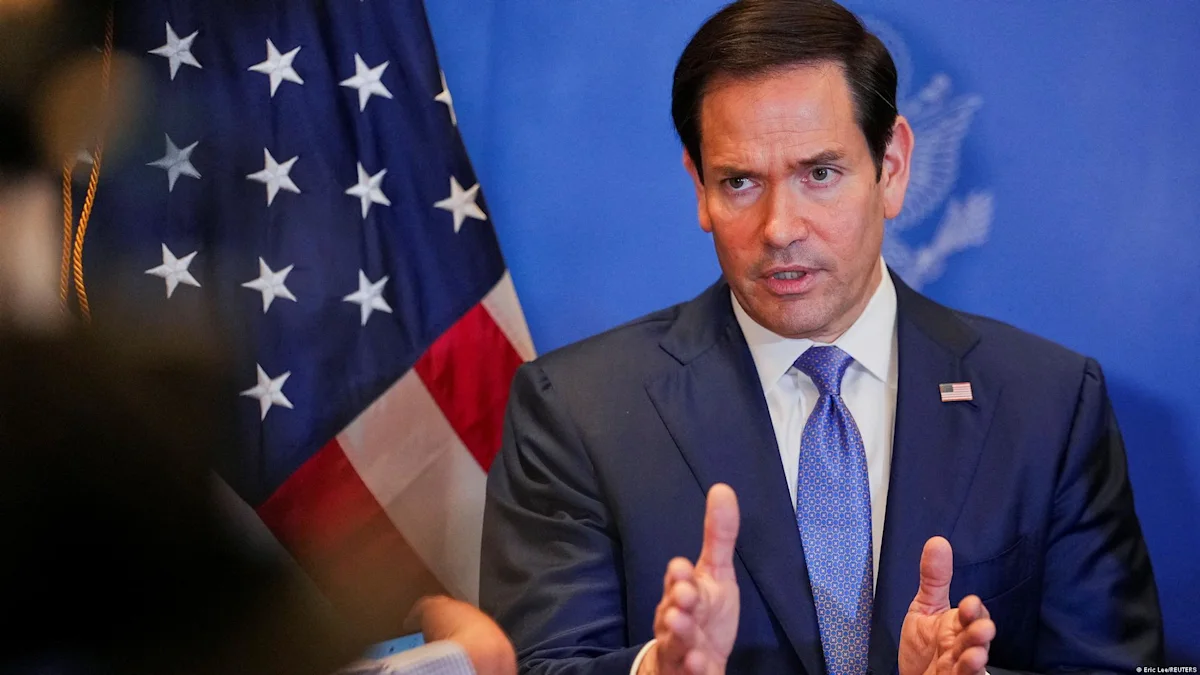
The U.S. Department of State announced Friday that Washington plans to provide Colombia with $1 billion as part of a security assistance package aimed at supporting the new government of far-right President Abelardo de la Espriella.
The administration of U.S. President Donald Trump said it intends to coordinate with Congress to announce the assistance package, which was unveiled on the occasion of De la Espriella’s inauguration. The United States attended the ceremony with a delegation led by acting Attorney General Todd Blanche.
The package is designed to strengthen Colombian security forces in their fight against terrorist organizations and transnational criminal groups through U.S. technology, increased operational capabilities and coordinated operations with American forces.
The assistance would also significantly expand coca crop eradication and cocaine interdiction operations, while strengthening efforts to track and disrupt the finances of criminal organizations.
Washington also offered to support Bogotá’s efforts to restore state control over territories dominated by armed groups, protect children from forced recruitment and curb irregular migration through greater coordination along the border.
The State Department described the measures as part of a new chapter in bilateral relations between the United States and Colombia. The broader framework also includes cooperation in areas such as energy, critical minerals, infrastructure, technology and civilian nuclear energy.
Relations between Washington and Bogotá had been strained during the administration of former President Gustavo Petro, particularly over migration and security policies.
De la Espriella’s arrival in office, accompanied by promises of a hard-line approach to armed groups and drug trafficking, is expected to mark a new stage in relations between Colombia and the United States.
International
Abelardo de la Espriella sworn in as Colombia’s president for 2026-2030
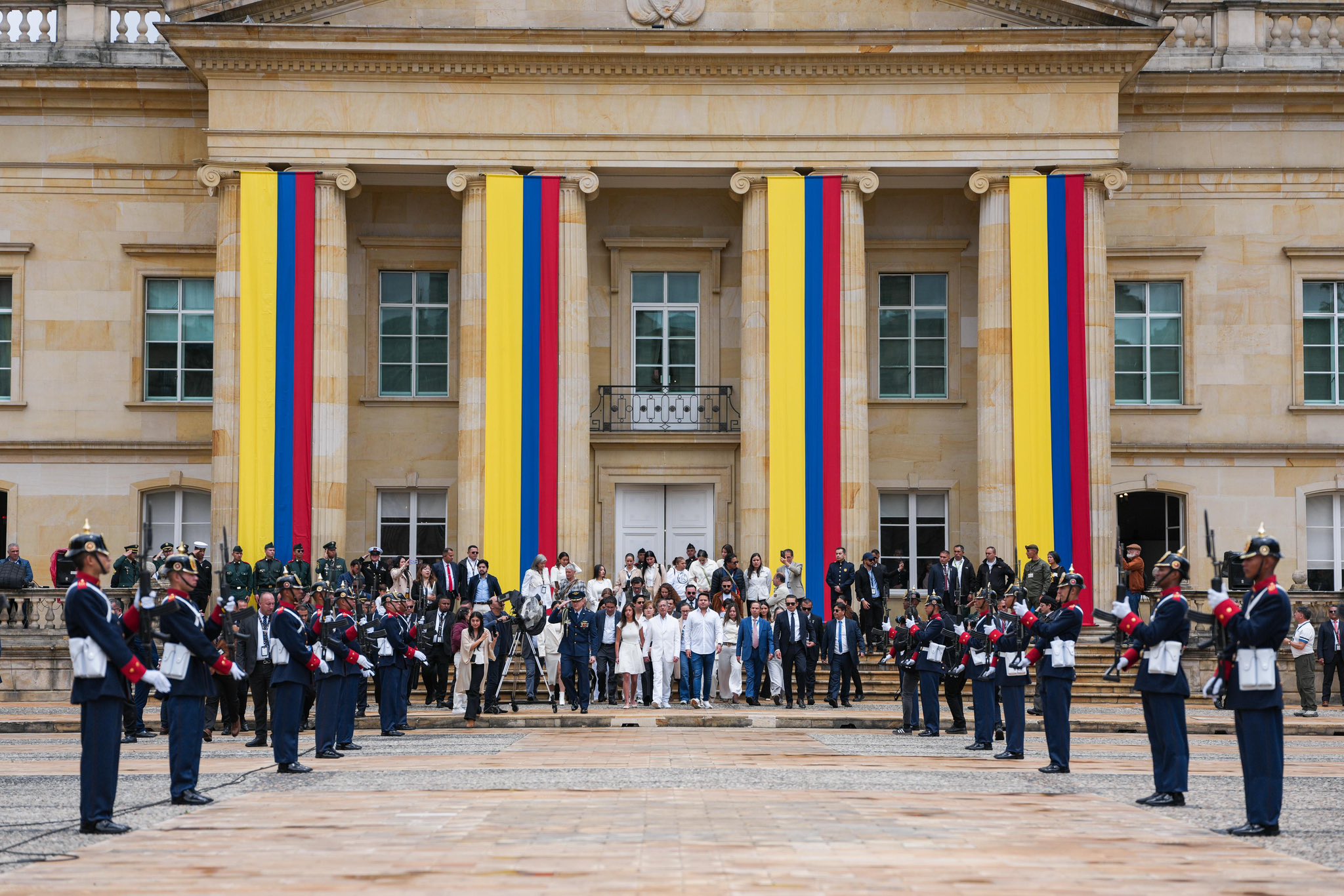
Lawyer Abelardo de la Espriella was sworn in Friday as Colombia’s president for the 2026-2030 term during an inauguration ceremony held at the USC Arena of the Santiago de Cali University in Valle del Cauca.
“I swear to God and promise the Colombian people to faithfully uphold the Constitution and the laws of Colombia,” De la Espriella, 48, said as he took the oath before Senate President Honorio Henríquez, who subsequently placed the presidential sash on him, formally marking the transfer of power from former President Gustavo Petro.
At the same time, members of the Colombian Army performed the traditional 21-gun salute from the José María Córdova Military Cadet School in Bogotá. After receiving the presidential sash, De la Espriella was applauded by those attending the ceremony and greeted by his family.
The new president later swore in Vice President José Manuel Restrepo. The ceremony also included the participation of 74-year-old farmer Luis Felipe Yagüé, whom De la Espriella invited as an honorary guest as a symbol of his support for small business owners and entrepreneurs.
De la Espriella arrived at the venue with his wife, Ana Lucía Pineda, and their four minor children. More than 1,000 national and international guests attended the ceremony, which began more than an hour later than scheduled.
Among the international figures present were King Felipe VI of Spain and presidents Javier Milei of Argentina, Daniel Noboa of Ecuador, Santiago Peña of Paraguay, José Raúl Mulino of Panama, Luis Abinader of the Dominican Republic, José Antonio Kast of Chile and Nasry Asfura of Honduras. FIFA President Gianni Infantino also attended.
Former Colombian presidents César Gaviria, Andrés Pastrana, Álvaro Uribe and Iván Duque were also present. Former President Ernesto Samper and Nobel Peace Prize laureate Juan Manuel Santos, however, were not invited to the ceremony.
After the inauguration ceremony concluded, De la Espriella traveled to the Pichincha Military Canton in Cali, where he was scheduled to deliver his first address as head of state to Colombia’s senior military commanders.
International
Appeals Court blocks Trump’s White House ballroom project without congressional approval

A U.S. appeals court ruled Friday that President Donald Trump must obtain approval from Congress before moving forward with his plan to build a large ballroom on the White House grounds, at the site where the East Wing of the presidential residence previously stood.
The decision was issued in a 2-1 ruling, with the judges determining that a project of such magnitude falls under Congress’ authority and cannot be carried out solely through executive action.
In its ruling, the court sided with the National Trust for Historic Preservation, the organization that filed the lawsuit seeking to halt the construction. The judges found that the plaintiffs had convincingly demonstrated that Congress had never granted the executive branch the authority to “redesign or rebuild the White House, the People’s House, to satisfy the wishes of any particular president.”
Following the decision, Trump announced that he would appeal the ruling to the U.S. Supreme Court, calling the decision incorrect.
“We will immediately appeal it to the Supreme Court,” the president wrote in a message posted on his social media platforms.
Trump also argued that the ruling could pose a security risk to the presidential complex, claiming that it threatens the safety of White House employees, future workers, visitors, heads of state, and other dignitaries.
The president has repeatedly said that the project would not require taxpayer funding and that its financing would come from private donations by business leaders close to his administration, including Amazon founder Jeff Bezos.
However, a previous estimate published by The Washington Post placed the project’s cost at approximately $600 million and suggested that nearly half of the funding could come from public resources, contradicting Trump’s claims.

US announces $1 billion security assistance package for Colombia under new government

Abelardo de la Espriella sworn in as Colombia’s president for 2026-2030

Appeals Court blocks Trump’s White House ballroom project without congressional approval
Tec de Monterrey honors one of its students for his contribution to nanotechnology in medicine

Defense Minister commends salvadoran soldier for Central American Cross Country victory

Extension of the state of emergency approved in southern Chile
-

 International5 days ago
Iran Rejects Negotiations With U.S. as Strait of Hormuz Remains Blocked Amid New Attack
-
 International4 days ago
Mexican TikTok Influencer Shot Dead While Livestreaming in Sinaloa
-

 Central America4 days ago
Guatemala Declares Highest Alert in Areas Affected by Fuego Volcano Eruption
-
 International2 days ago
Appeals Court blocks Trump’s White House ballroom project without congressional approval
-
 International1 day ago
Abelardo de la Espriella sworn in as Colombia’s president for 2026-2030
-
 International2 days ago
Rubio warns Cuba U.S. pressure campaign will continue through Trump’s term
-

 International3 days ago
Afghan man sentenced to life in prison for deadly Munich vehicle attack
-
 Central America5 days ago
U.S. Defense Secretary to Close Multinational Military Exercises in Panama to Protect Canal
-
 International16 hours ago
US announces $1 billion security assistance package for Colombia under new government