
International
Colombian stadium first in Latin America renamed after Pele
January 5 | By AFP |
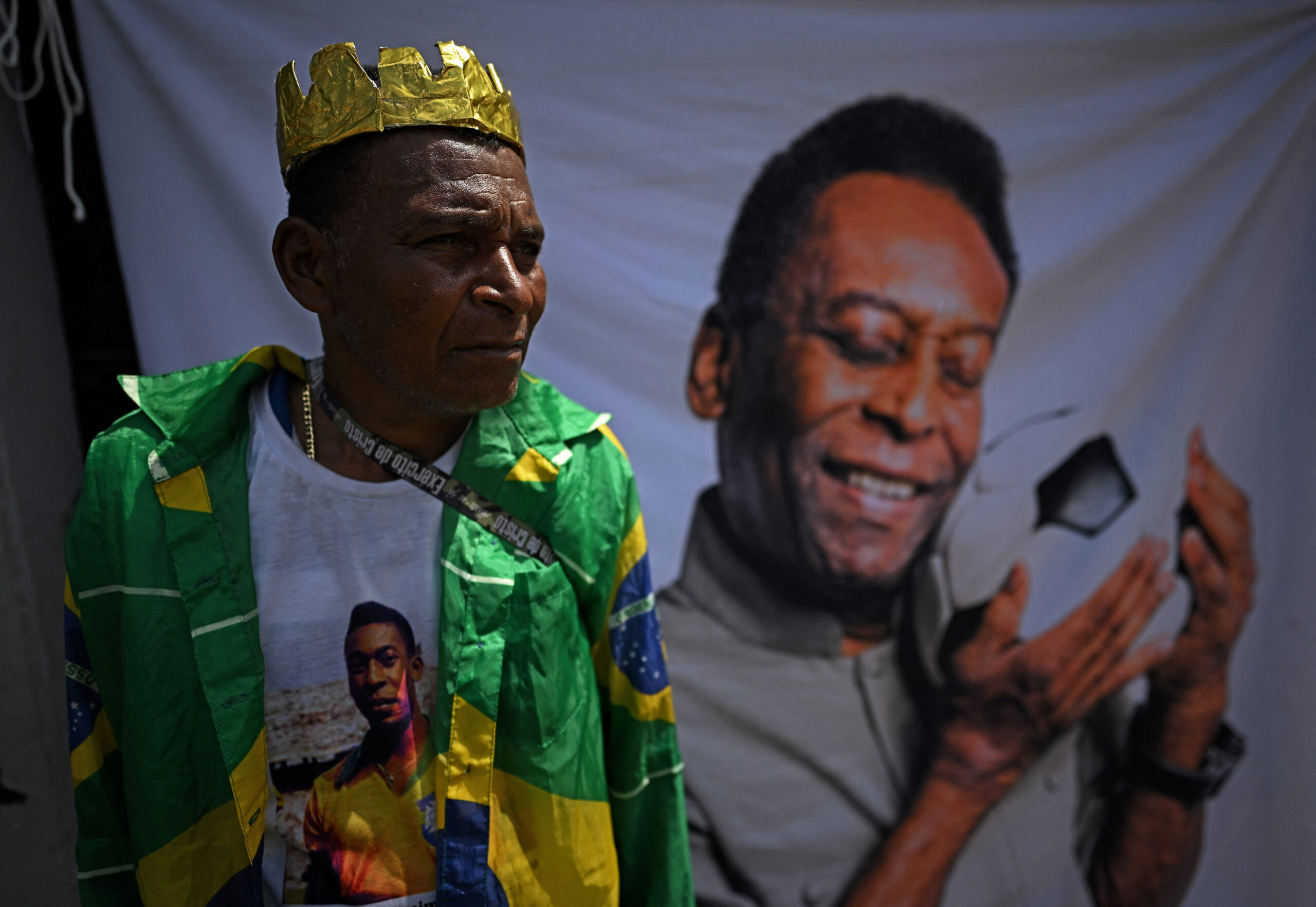
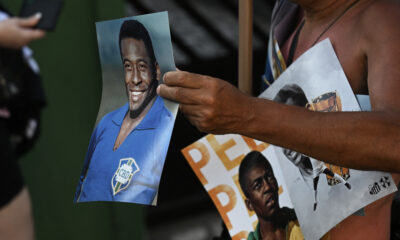
Colombia is the first Latin American country to meet FIFA president Gianni Infantino’s request to name a stadium after Pele.
Infantino on Monday said world football’s governing body would ask all countries to name a stadium after the Brazilian icon, widely regarded as the greatest footballer of all time, who died last week after a long battle with illness.
And late on Wednesday, the governor of Colombia’s southern Meta department, Juan Guillermo Zuluaga announced on Twitter that a stadium in the city of Villavicencio “will be called BELLO HORIZONTE ‘REY PELE’.”
“Future generations must know who this world football icon was,” said Zuluaga.











The 15,000 capacity stadium inaugurated in 1958 was previously called simply Bello Horizonte, which means “beautiful skyline” in Spanish.
It is the home of modest second division Colombian side Llaneros.
Pele died on December 29 aged 82 following a long battle with colon cancer.
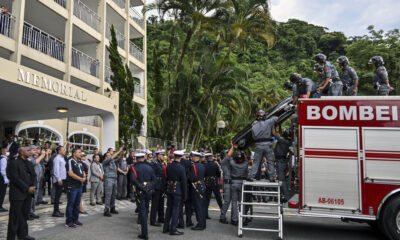
He was buried on Tuesday in Santos, the city where he played most of his football career and made his name.
While attending Pele’s wake, Infantino said he would ask all FIFA’s member federations to pay tribute to Pele by renaming a stadium after the three-time World Cup winner.
Colombia was beaten to the stadium move by Cape Verde, whose prime minister Jose Ulisses Correia e Silva had announced earlier on Wednesday the renaming of the national stadium in the capital Praia.
The northeastern Brazilian city of Maceio has since 1979 had a stadium called “Rei Pele” (King Pele) although it is commonly known as the Trapichao.




























































International
Colombia Earthquake Leaves at Least 22 Dead as Rescue Efforts Continue
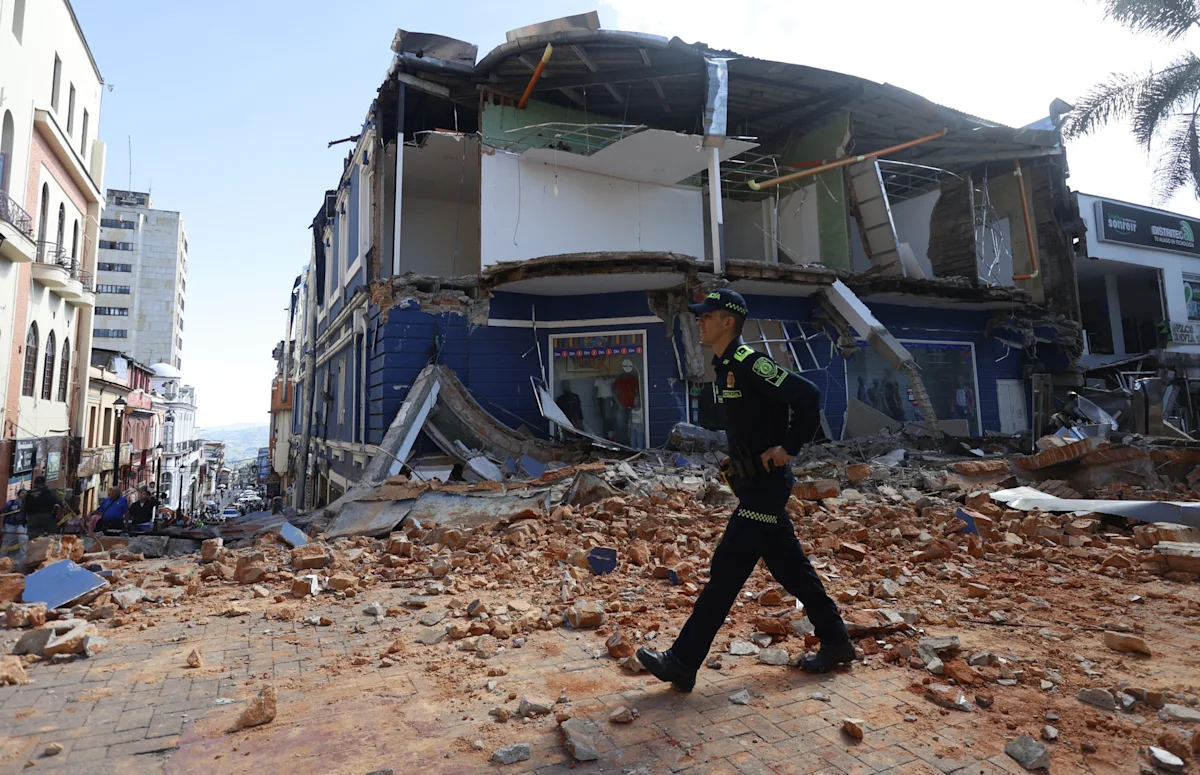
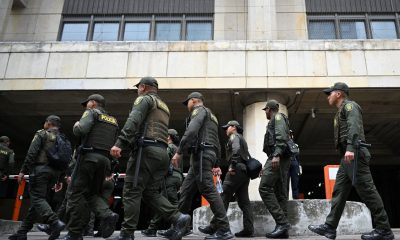
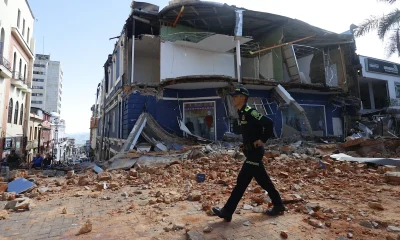
At least 22 people were killed and dozens more were affected by a magnitude 7.4 earthquake that struck Colombia on Monday, with the epicenter located near the municipality of San José del Palmar in the northwestern department of Chocó, authorities reported in a preliminary assessment.
The city of Pereira has so far recorded the highest number of fatalities. Mayor Mauricio Salazar told local media that 18 people had died in the city and warned that a large number of buildings had been damaged.
“The situation is critical, and we are moving forward with assessments while assisting people who remain trapped,” Salazar said.
Authorities in Manizales reported two additional deaths, while two more fatalities were confirmed in the department of Valle del Cauca. Several people were also injured, and structural damage was reported in different communities.
“We are just beginning to establish radio communication with the hospitals. We know that we have three injured people in El Cairo, two deaths in Zarzal, the collapse of an academic structure in Calima Darién, and minor structural damage in Cali,” said María Cristina Lesmes, Valle del Cauca’s health secretary.
Emergency teams were continuing rescue and assessment operations as authorities worked to determine the full extent of the damage and update the number of casualties.
International
Record 230 Migrants Cross English Channel to UK in Single Boat
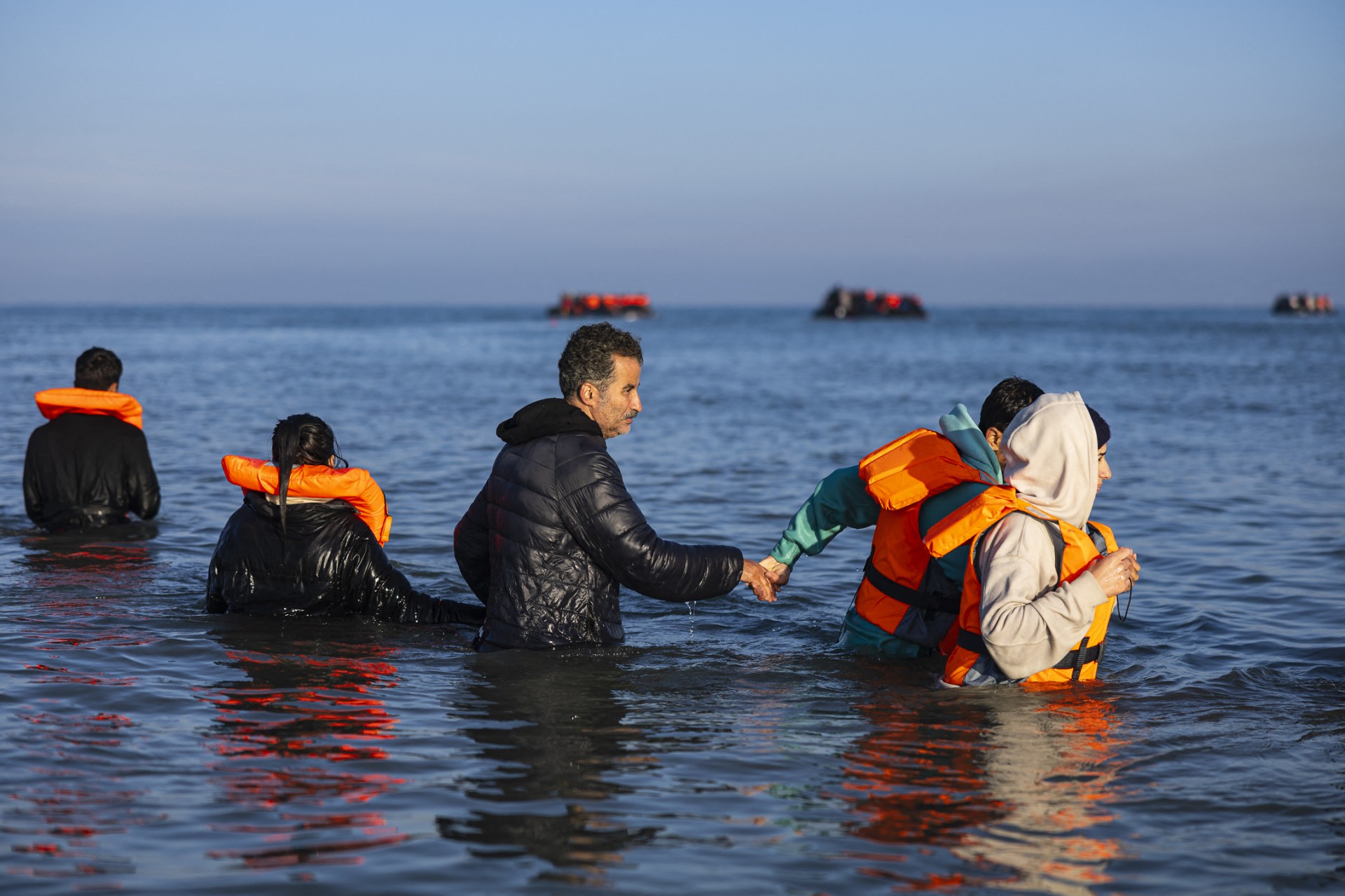
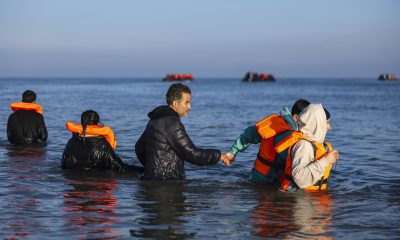
A record 230 migrants crossed the English Channel overnight Sunday aboard a small inflatable boat bound for the United Kingdom, according to French maritime rescue services and British media, highlighting the growing number of people being packed onto vessels attempting the dangerous crossing.
More than 20 children were among those aboard the inflatable boat when it departed from the northeastern French coast on Sunday night amid chaotic scenes, France’s maritime rescue service SNSM said in an online statement.
The figure surpasses the previous record for the number of people aboard a single boat, set last month when 165 migrants successfully crossed the busy maritime route.
The latest incident comes just days after an inflatable boat carrying more than 150 people capsized in the Channel after its engine caught fire, triggering a major search-and-rescue operation.
Britain’s Home Office did not confirm the exact number of people aboard Sunday’s vessel but condemned what it described as the “reckless and dangerous tactics” used by criminal gangs facilitating the crossings.
A spokesperson for Prime Minister Andy Burnham described images of the operation as “shocking,” particularly those showing very young children being placed aboard boats that were not suitable for the journey.
The United Kingdom has spent years attempting to curb these dangerous and politically sensitive Channel crossings. Tens of thousands of migrants have reached the southeastern English coast annually in recent years, keeping the issue at the center of the country’s immigration debate.
International
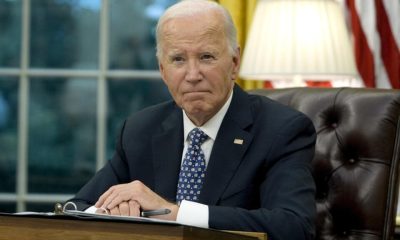
Joe Biden’s Prostate Cancer Has Spread to His Bones, Son Hunter Reveals
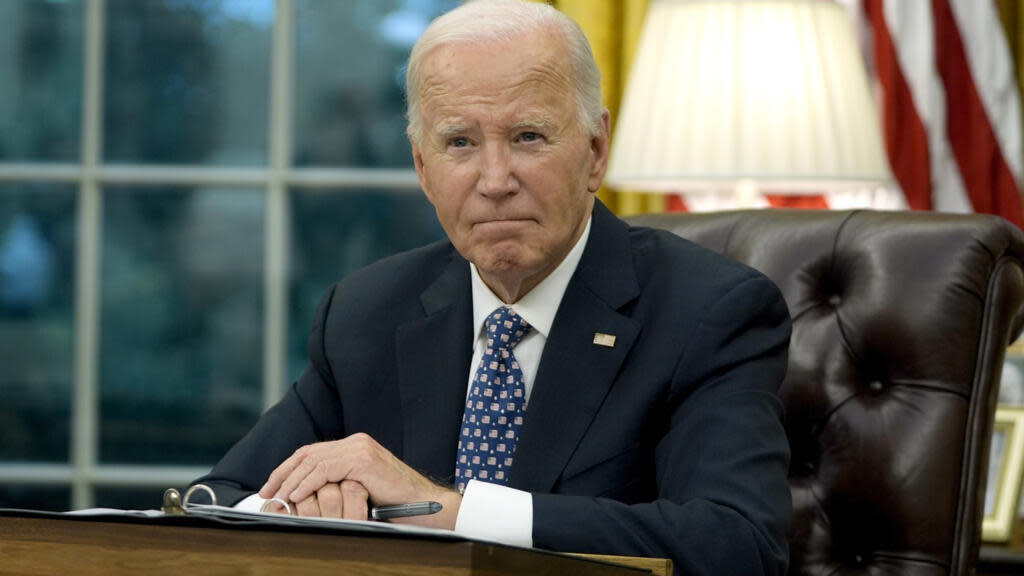
Former U.S. President Joe Biden’s prostate cancer has worsened and spread to his bones and other parts of his body, his son Hunter Biden revealed in a recent interview with the BBC.
Biden disclosed in May 2025, just four months after leaving office as the oldest sitting U.S. president in history, that he had been diagnosed with an aggressive form of prostate cancer that had already spread to his bones.
The former president subsequently began treatment, including radiation and hormone therapy. In July, while announcing the publication of his memoirs, Biden said the treatment was going “really well.”
However, in an extensive interview broadcast Friday night on the BBC’s Newsnight, Hunter Biden said his father’s condition had progressed despite treatment.
“The cancer has spread and metastasized to his bones and other places,” Hunter Biden said.
He added that the illness has been “very painful” and, in many ways, “very debilitating,” but said his father continues to remain active.
“He’s still out there. He’s still doing his thing,” Hunter Biden said, emphasizing that his father remains deeply committed to the United States.
The former president’s diagnosis has remained a subject of public attention since it was first announced, particularly because of his age and his decision to continue a public life after leaving the White House.


Colombia Earthquake Leaves at Least 22 Dead as Rescue Efforts Continue

Record 230 Migrants Cross English Channel to UK in Single Boat

Joe Biden’s Prostate Cancer Has Spread to His Bones, Son Hunter Reveals
Tec de Monterrey honors one of its students for his contribution to nanotechnology in medicine

Defense Minister commends salvadoran soldier for Central American Cross Country victory

Extension of the state of emergency approved in southern Chile
-

 International4 days ago
Appeals Court blocks Trump’s White House ballroom project without congressional approval
-

 International3 days ago
Abelardo de la Espriella sworn in as Colombia’s president for 2026-2030
-

 International5 days ago
Afghan man sentenced to life in prison for deadly Munich vehicle attack
-
 International4 days ago
Rubio warns Cuba U.S. pressure campaign will continue through Trump’s term
-
 International3 days ago
US announces $1 billion security assistance package for Colombia under new government
-
 International17 hours ago
Colombia Earthquake Leaves at Least 22 Dead as Rescue Efforts Continue
-
 International2 days ago
Joe Biden’s Prostate Cancer Has Spread to His Bones, Son Hunter Reveals
-
 International17 hours ago
Record 230 Migrants Cross English Channel to UK in Single Boat