
International
NASA Moon mission ‘exceeding’ expectations
| By AFP |
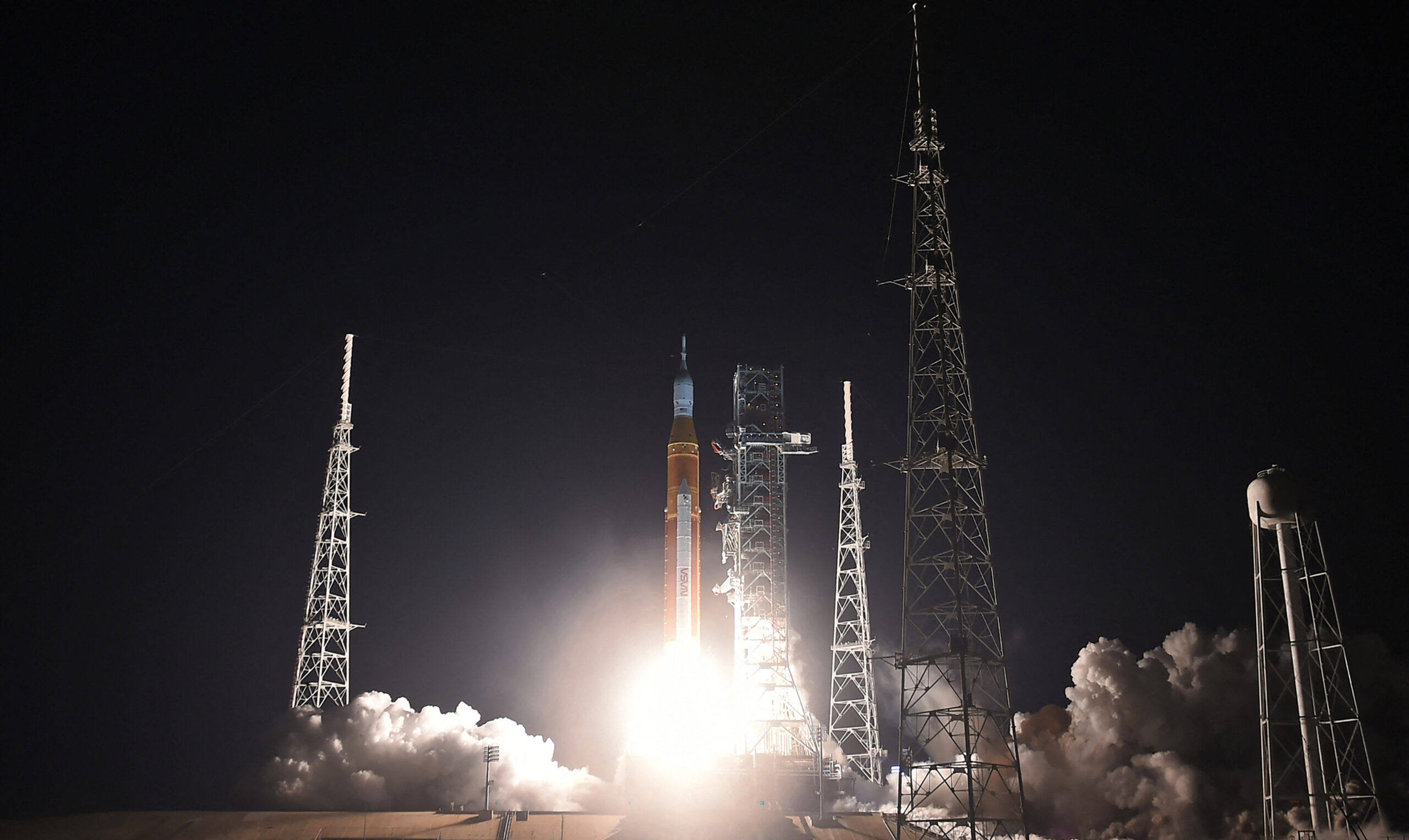
On the third day after lifting off from Florida bound for the Moon, the Orion spacecraft is “exceeding performance expectations,” NASA officials said on Friday.
The spacecraft is to take astronauts to the Moon in the coming years — the first to set foot on its surface since the last Apollo mission in 1972.
This first test flight, without a crew on board, aims to ensure that the vehicle is safe.
“Today we met to review the Orion spacecraft performance… it is exceeding performance expectations,” said Mike Sarafin, head of the Artemis 1 mission.









The spacecraft’s four solar panels, about 13 feet (four meters) long, deployed correctly and are providing more energy than expected, said Jim Geffre, the Orion manager at the Johnson Space Center in Houston.
It is from that control center in Texas that the spacecraft is being piloted.
Orion is already some 200,000 miles (320,000 kilometers) from Earth and preparing to perform the first of four main thrusts scheduled during the mission using its engines.
This maneuver, which will take place early Monday morning, will bring the spacecraft as close as 80 miles (130 kilometers) from the lunar surface, in order to take advantage of the Moon’s gravitational force.
Since this will take place on the far side of the Moon, NASA is expected to lose contact with the spacecraft for approximately 35 minutes.
“We will be passing over some of the Apollo landing sites,” said flight director Jeff Radigan, although they will be in darkness. Footage of the flyover will be released by NASA.
Four days later, a second thrust from the engines will place Orion in a distant orbit around the Moon.
The ship will go up to 40,000 miles beyond the Moon, a record for a habitable capsule.
It will then begin the journey back to Earth, with a landing in the Pacific Ocean scheduled for December 11, after just over 25 days of flight.
The success of this mission will determine the future of the Artemis 2 mission, which will take astronauts around the Moon without landing, then Artemis 3, which will finally mark the return of humans to the lunar surface.
Those missions are scheduled to take place in 2024 and 2025, respectively.
Sarafin also said Friday that 10 scientific micro-satellites had been deployed when the rocket took off, but that half of them were experiencing technical or communication problems.
Those experiments, carried out separately by independent teams, will have no impact on the main mission, however.






International
UN warns Venezuela earthquakes could affect up to 6.76 million people
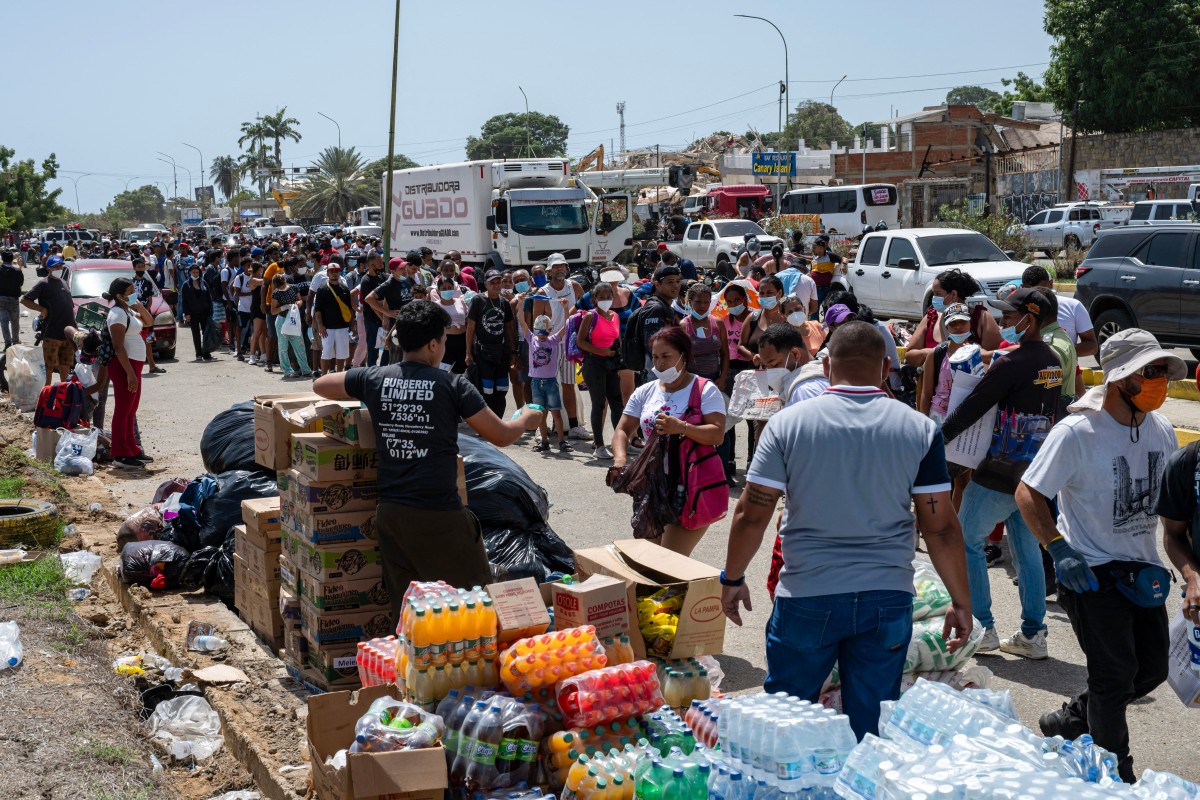
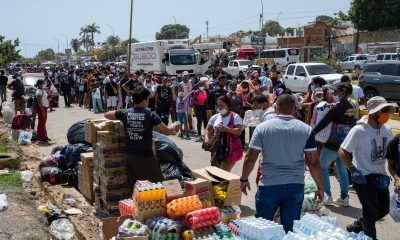
Up to 6.76 million people could be affected by the devastating earthquakes that struck Venezuela on June 24, according to an assessment released by the International Organization for Migration (IOM), a United Nations agency.
The organization said the projections are based on available population data and damage assessments, and include up to two million people living in Caracas, the country’s capital.
The estimates highlight the potentially massive humanitarian impact of the disaster, the IOM warned.
Entire buildings collapsed in La Guaira, a coastal area north of Caracas, following the powerful twin earthquakes that reached magnitudes of 7.2 and 7.5 on Wednesday.
The national death toll has risen to 920, while rescue teams continue searching for people trapped beneath the rubble in coastal regions and other affected areas.
UN humanitarian chief Tom Fletcher told AFP on Friday that more than 50,000 people were reported missing.
The IOM also revealed that it worked with Microsoft’s artificial intelligence laboratory on an initial satellite mapping analysis, which showed that 31.5% of buildings in the town of Catia La Mar had suffered damage.
Authorities and international rescue teams continue operations as Venezuela faces one of its largest humanitarian emergencies in recent years.
International
United Nations Coordinates Relief Efforts as Venezuela Death Toll Rises After Twin Quakes
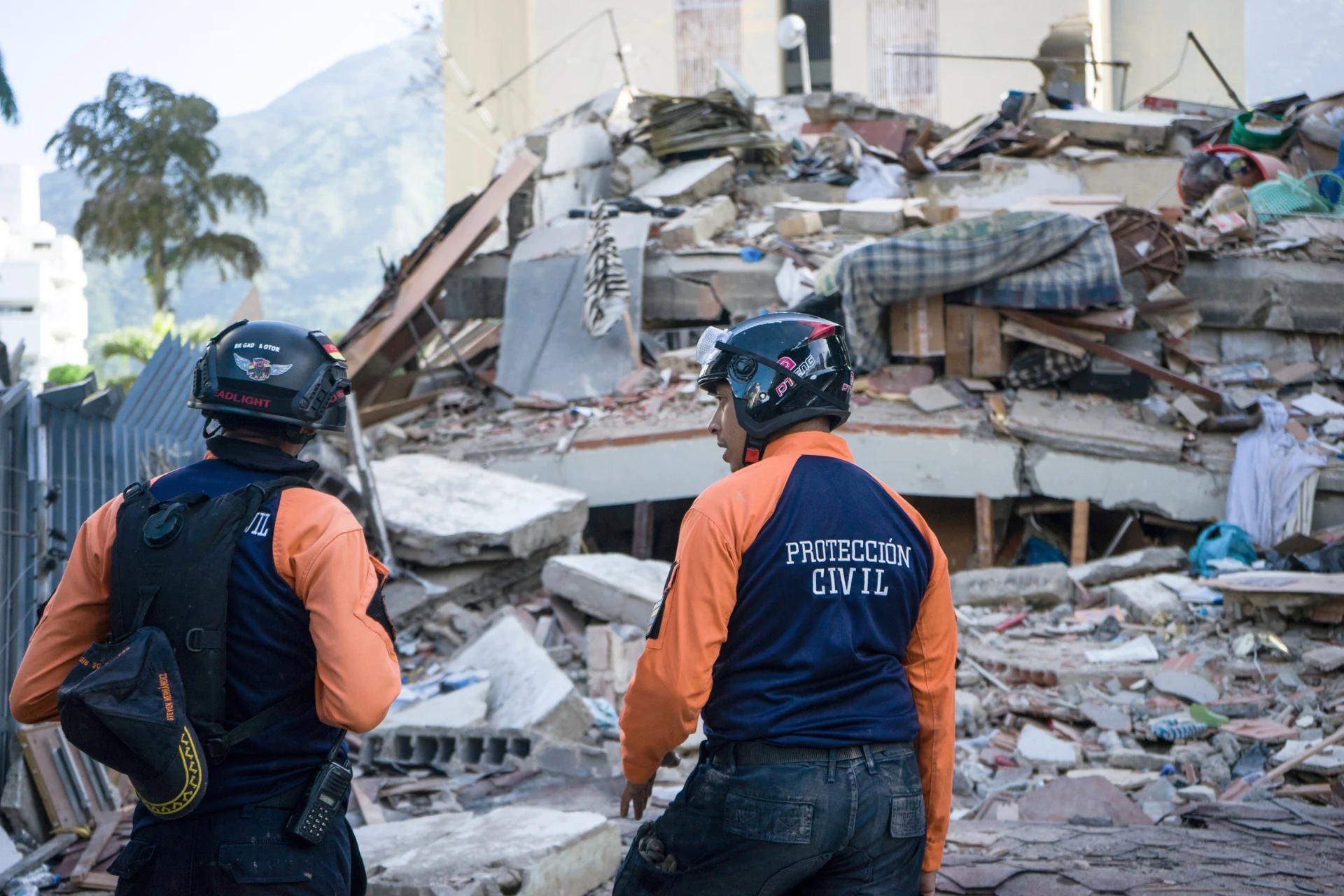
United Nations Secretary-General António Guterres on Thursday expressed his condolences to the people of Venezuela following the two devastating earthquakes that struck the country and highlighted the ongoing coordination between UN humanitarian teams and interim President Delcy Rodríguez.
Speaking during the UN’s daily press briefing, spokesperson Stéphane Dujarric said Guterres was deeply saddened by the loss of life and widespread destruction caused by the disaster.
“The Secretary-General is deeply distressed by the loss of life and the widespread devastation caused by the earthquakes that struck Venezuela yesterday. He extends his heartfelt condolences to the families of the victims and wishes a speedy recovery to those injured,” Dujarric stated.
Venezuela was struck on Wednesday by two powerful earthquakes measuring 7.2 and 7.5 in magnitude. According to official figures, the disaster has left at least 164 people dead and 971 others injured.
Dujarric noted that preliminary reports indicate significant damage across several states, including the capital, Caracas. Numerous casualties have been reported, while other individuals remain trapped beneath collapsed structures or are still missing.
“Critical infrastructure has been damaged and essential services have been disrupted,” the spokesperson said.
The United Nations confirmed that its humanitarian team remains in close contact with interim President Delcy Rodríguez and other relevant authorities as emergency operations continue.
To support relief efforts, the UN has established a coordination center in Caracas and is assisting local authorities to ensure that humanitarian aid reaches affected communities as quickly and efficiently as possible.
Guterres also welcomed the expressions of solidarity and offers of assistance from countries around the world that responded following news of the disaster, underscoring the importance of international cooperation in addressing the humanitarian emergency.
International
OAS Secretary General Pledges Regional Assistance Following Venezuela Quake Disaster
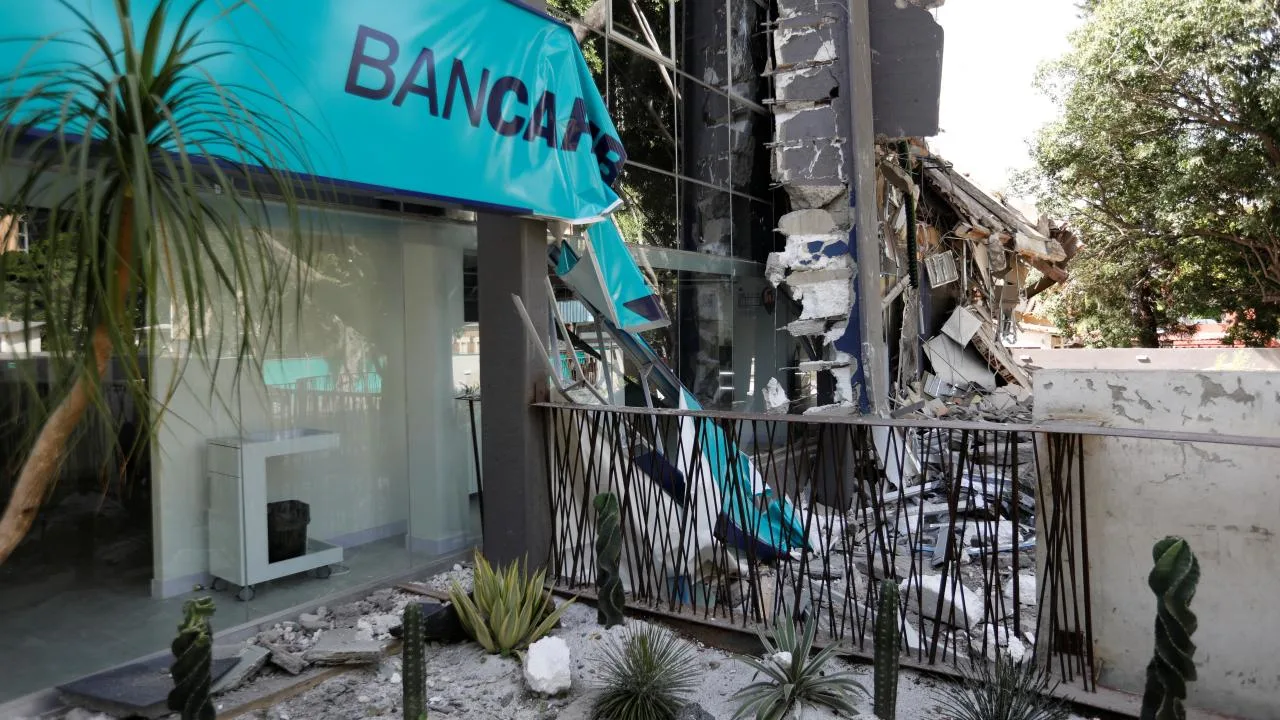
The Secretary General of the Organization of American States (OAS), Albert Ramdin, said on Thursday that the “hemispheric community” stands ready to provide “full support” to Venezuela and its people following the powerful earthquakes that struck the country overnight, leaving at least 164 people dead and nearly 1,000 injured.
Speaking at the conclusion of the OAS General Assembly, Ramdin expressed solidarity not only with Venezuela but also with Colombia, Curaçao and Aruba, where the tremors were also felt.
“Above all, our thoughts are with these peoples,” he said during his remarks.
Ramdin noted that while many details about the disaster are still emerging, countries across the hemisphere are prepared to assist Venezuela as it responds to the crisis.
“Much remains unknown at this stage, but the hemispheric community will be ready to support the people of Venezuela during this very difficult time,” he stated, reiterating the organization’s commitment to helping those affected.
According to updated information released by the Venezuelan government, the powerful earthquakes have been followed by at least 30 aftershocks. Authorities have also reported extensive structural damage, including numerous building collapses in La Guaira, the area considered hardest hit by the disaster.
Rescue efforts are currently focused on La Guaira, where emergency teams continue searching for survivors trapped beneath the rubble as officials assess the full extent of the damage.

UN warns Venezuela earthquakes could affect up to 6.76 million people

United Nations Coordinates Relief Efforts as Venezuela Death Toll Rises After Twin Quakes

OAS Secretary General Pledges Regional Assistance Following Venezuela Quake Disaster
Tec de Monterrey honors one of its students for his contribution to nanotechnology in medicine

Defense Minister commends salvadoran soldier for Central American Cross Country victory

Extension of the state of emergency approved in southern Chile
-

 International5 days ago
Cristiano Ronaldo Makes History as First Player to Score in Six World Cups
-
 Central America4 days ago
El Salvador and Chile Mark 150 Years of Relations With Expanded Bilateral Cooperation
-
 International3 days ago
United Nations Coordinates Relief Efforts as Venezuela Death Toll Rises After Twin Quakes
-
 International4 days ago
WHO Expects Deadly Hantavirus Outbreak on Cruise Ship to End by July 2
-
 International3 days ago
OAS Secretary General Pledges Regional Assistance Following Venezuela Quake Disaster
-

 International4 days ago
Bill Gates Says Jeffrey Epstein Made “Veiled” Threats Over Extramarital Affairs
-
 International5 days ago
U.S. Proposes Higher Citizenship Fees and Limits on Immigration Fee Waivers
-

 Central America5 days ago
Costa Rica Launches Largest Police Operation in History, Dismantles Major Drug Cartel
-
 International21 hours ago
UN warns Venezuela earthquakes could affect up to 6.76 million people